Kyriakos Kaziras
- All
- Animals
- B&W
- Nature
- Landscapes
- Portraits
- Uncategorized
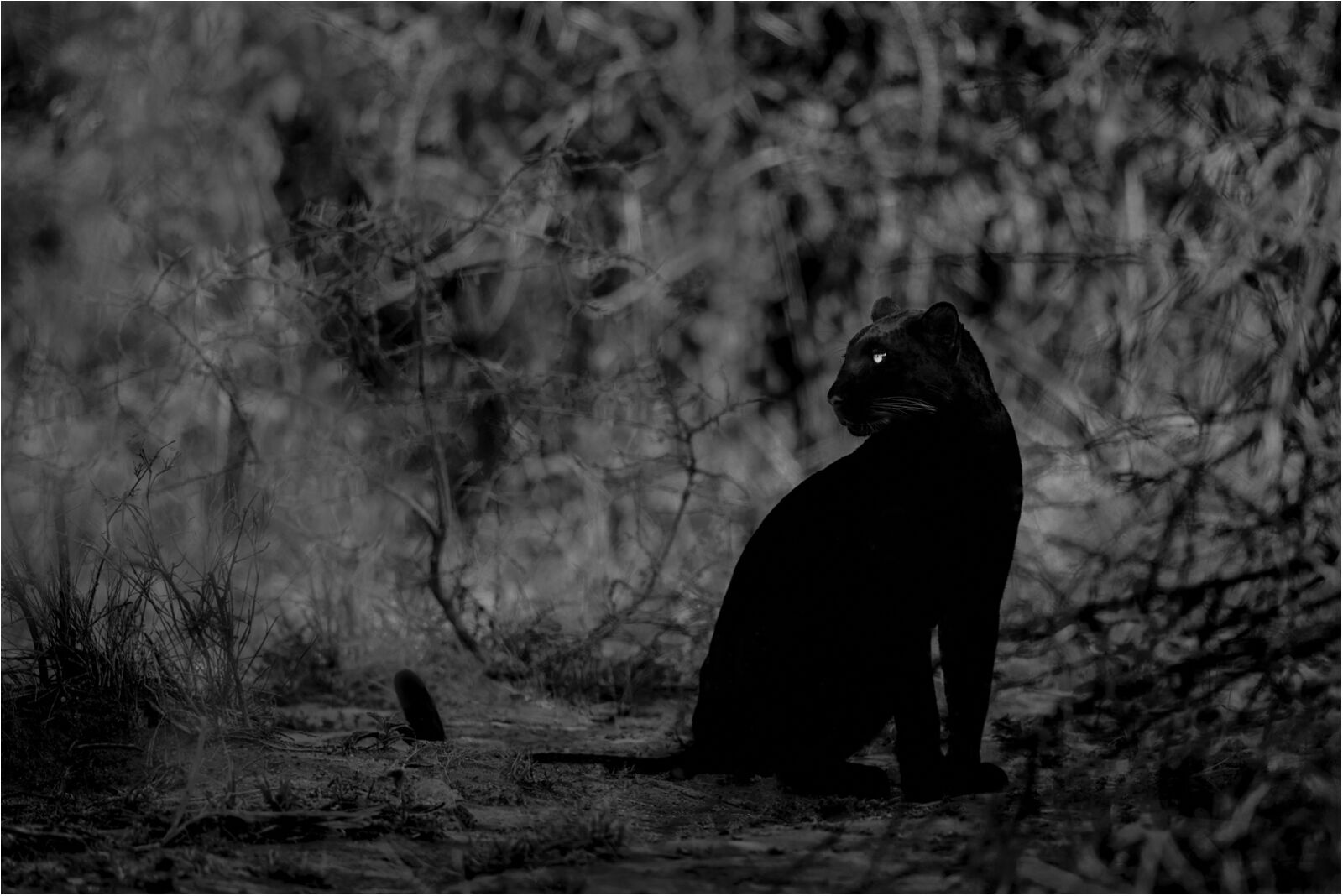
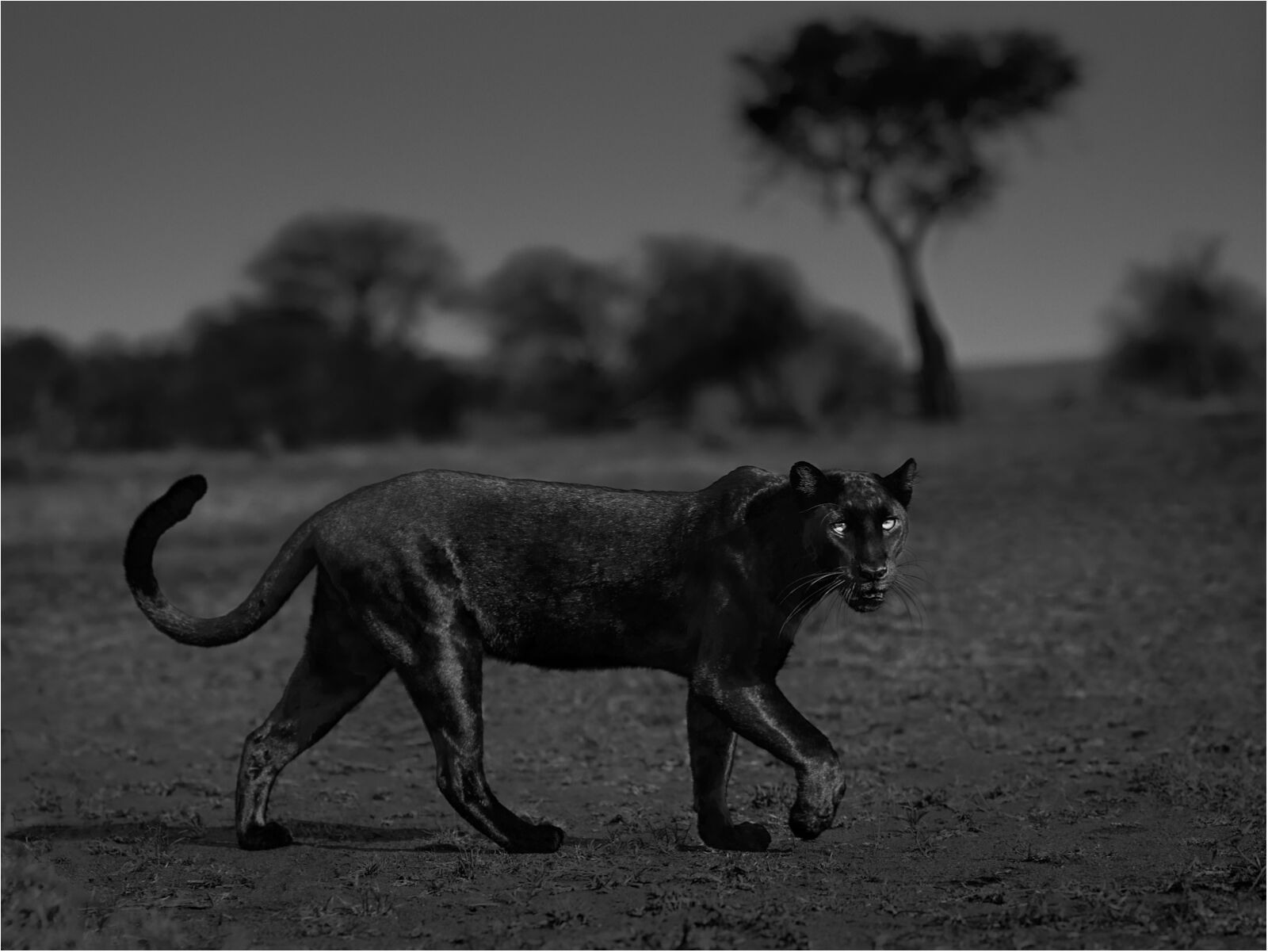
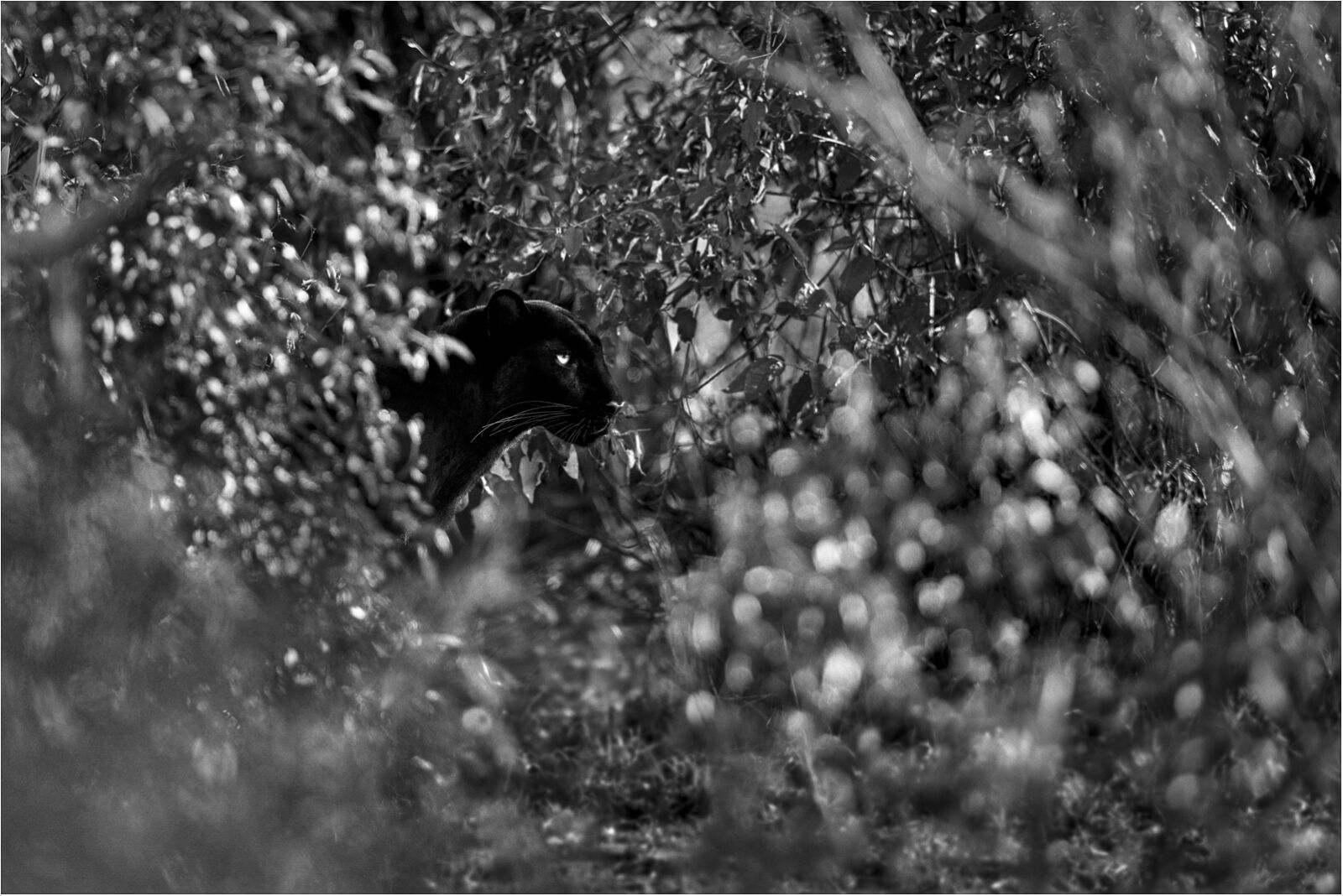
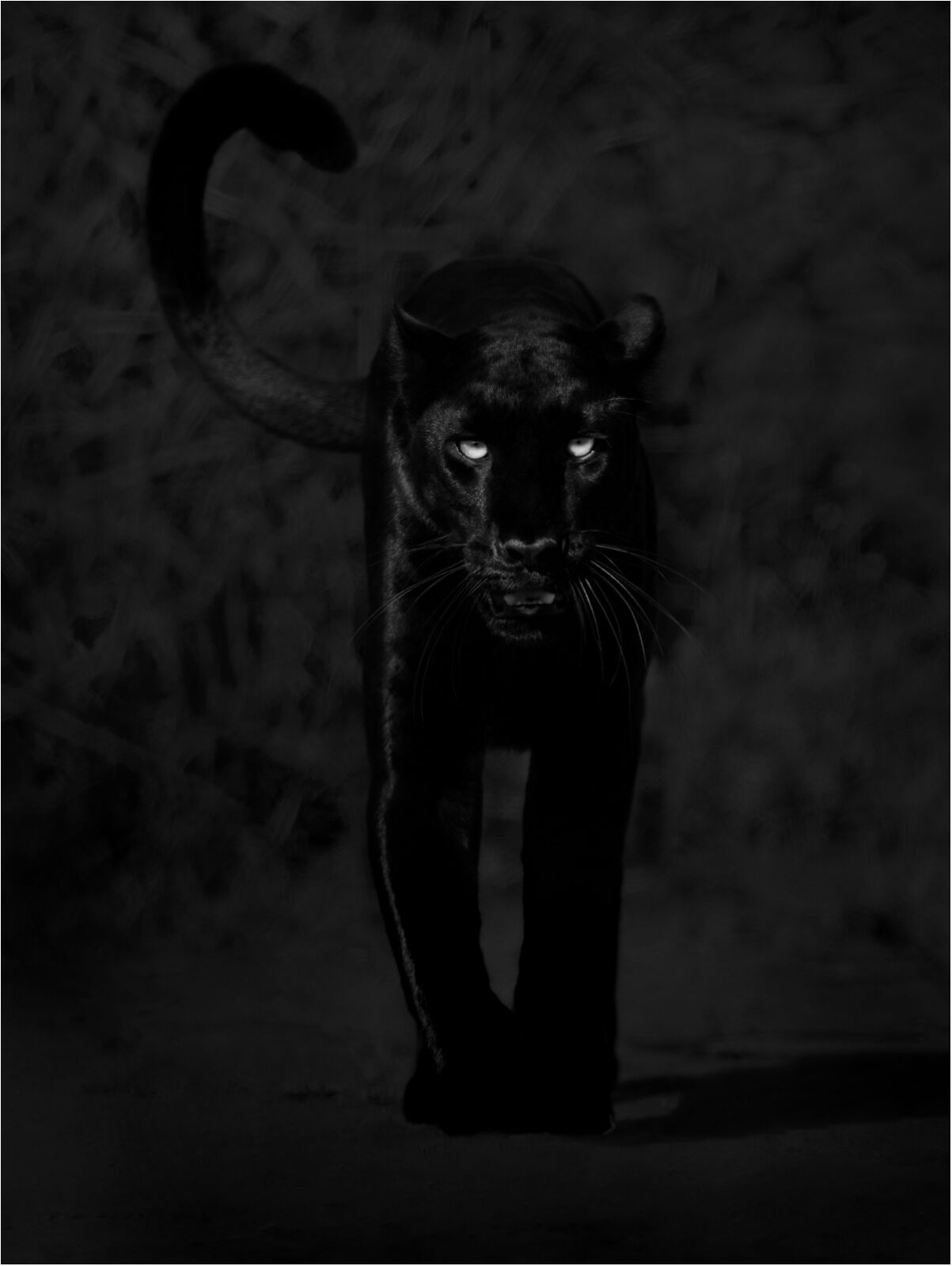








Career
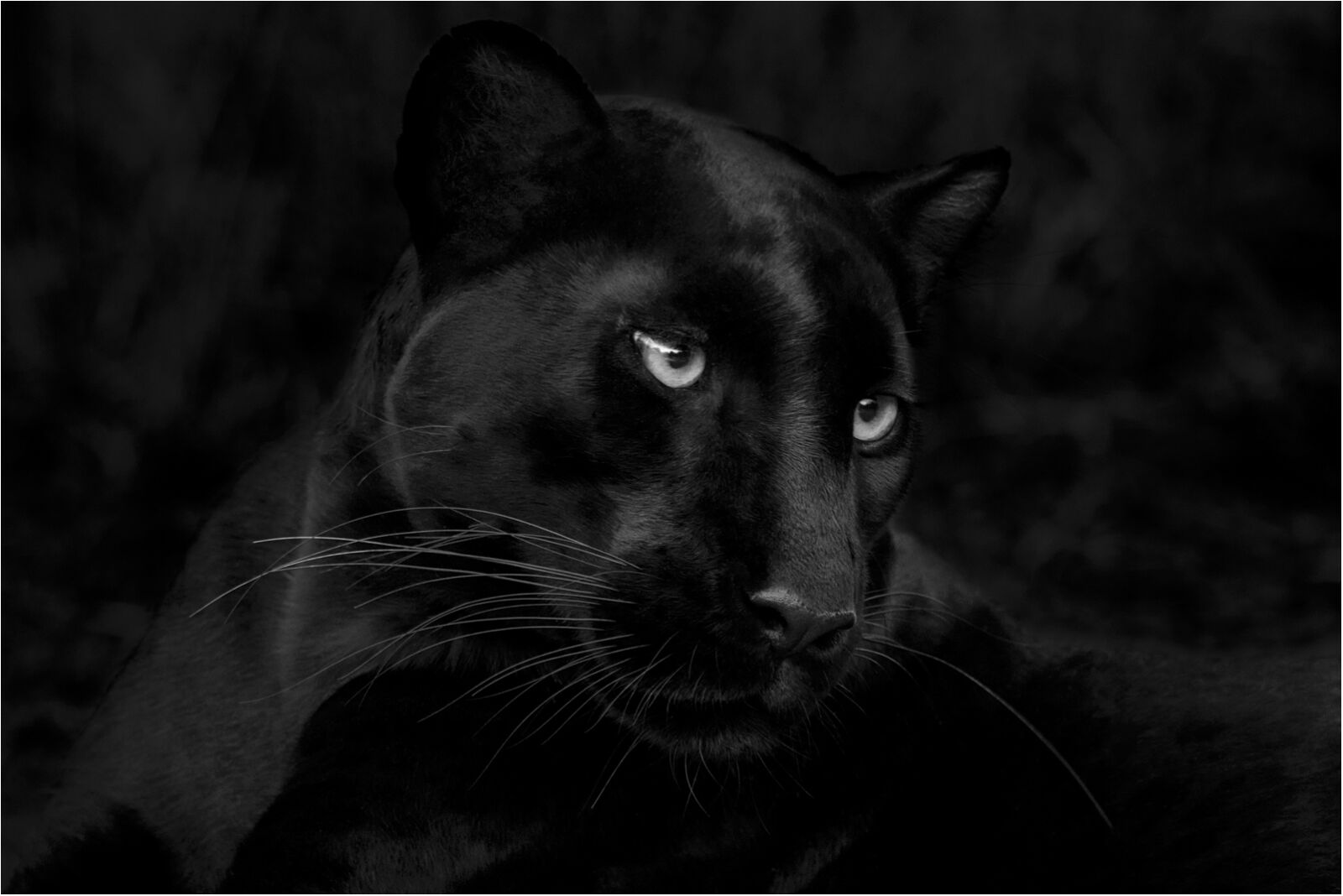
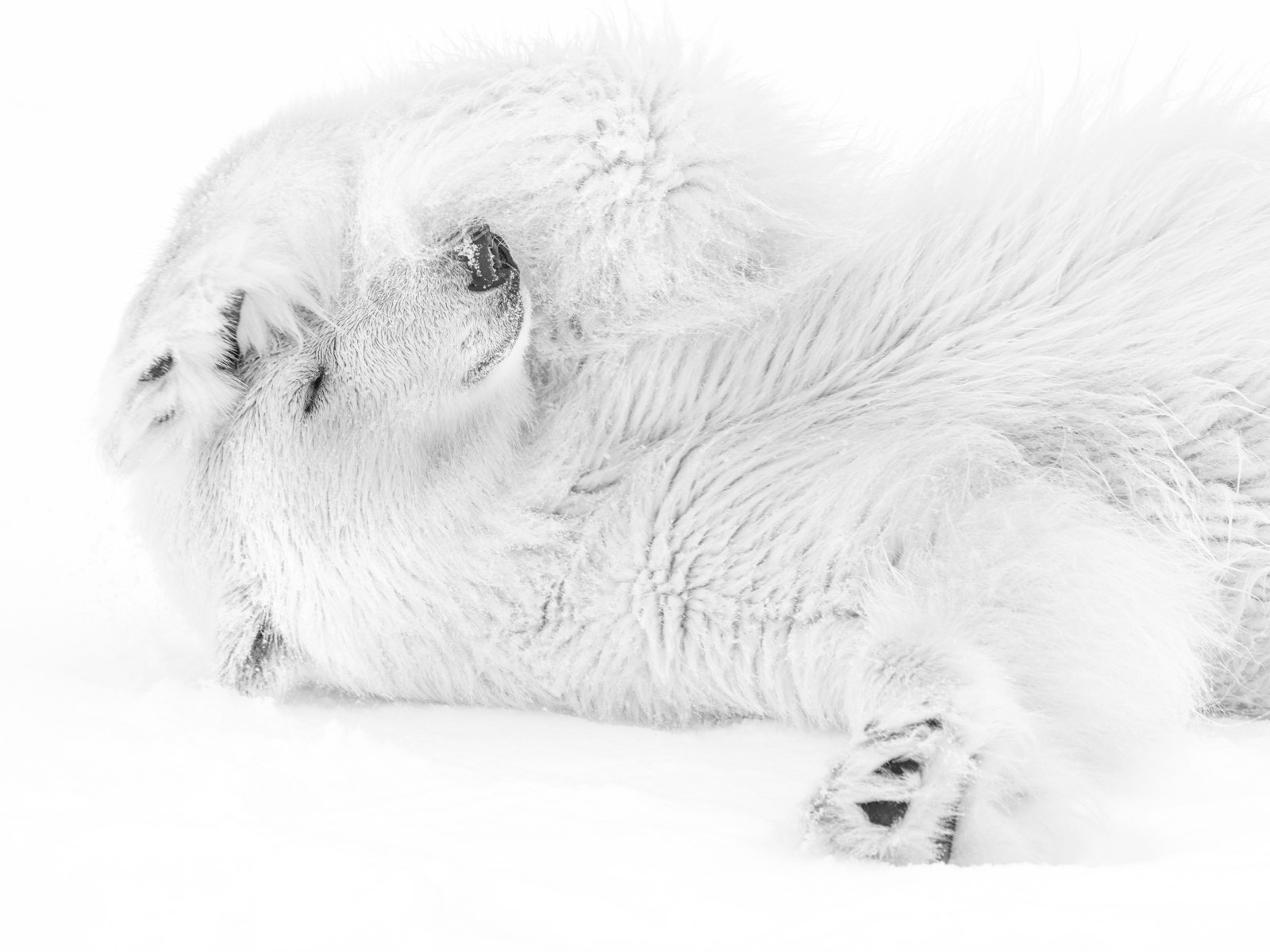
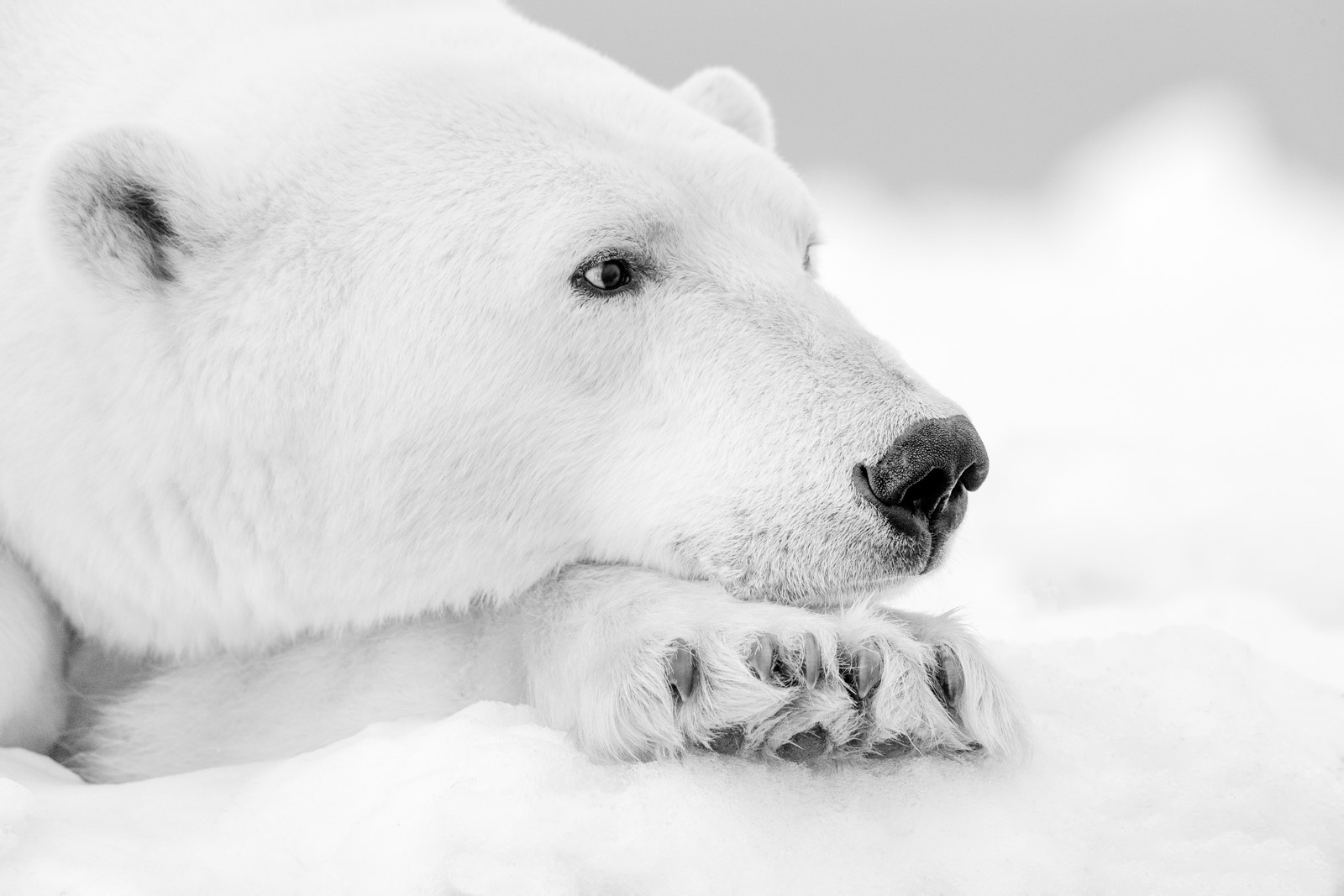
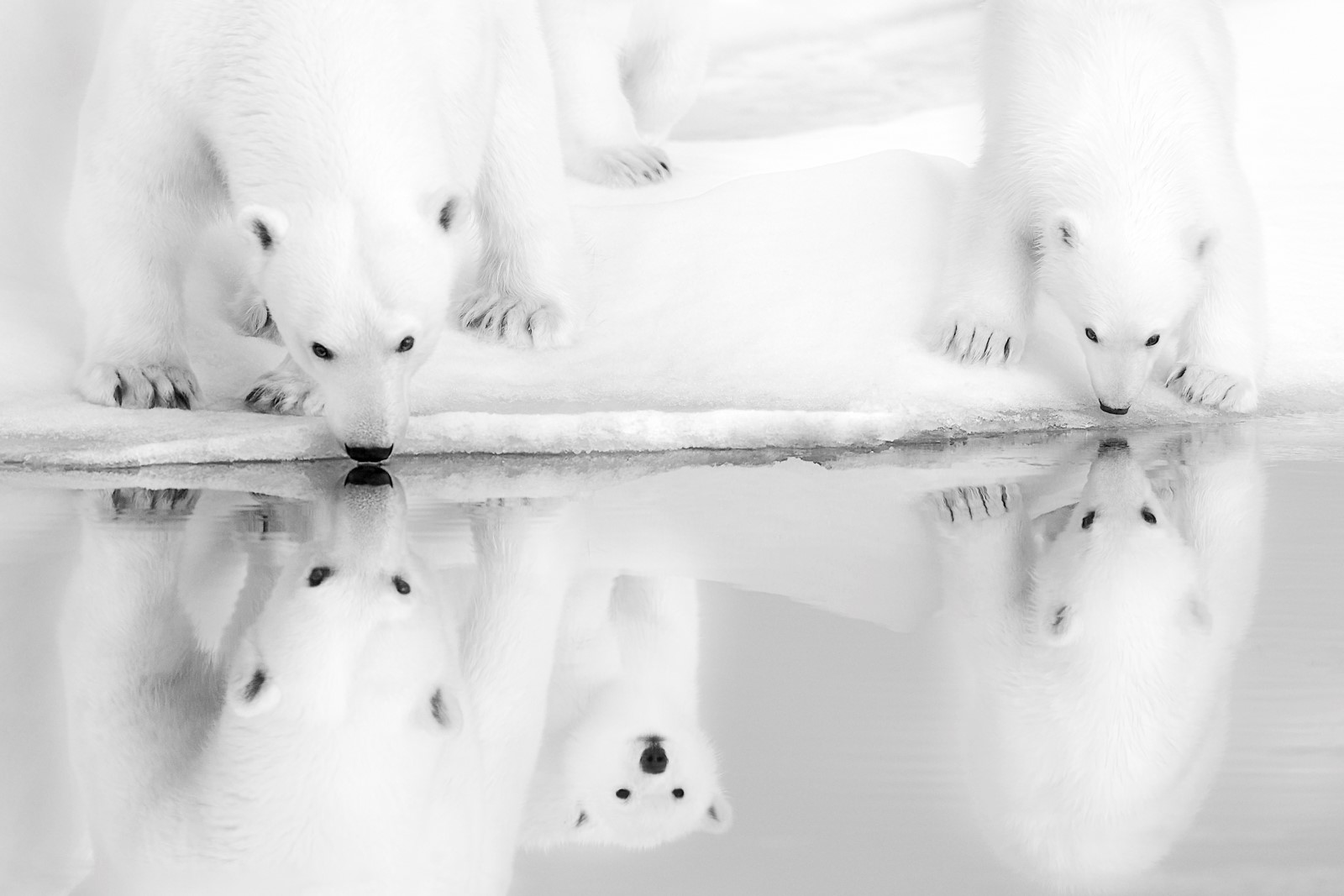
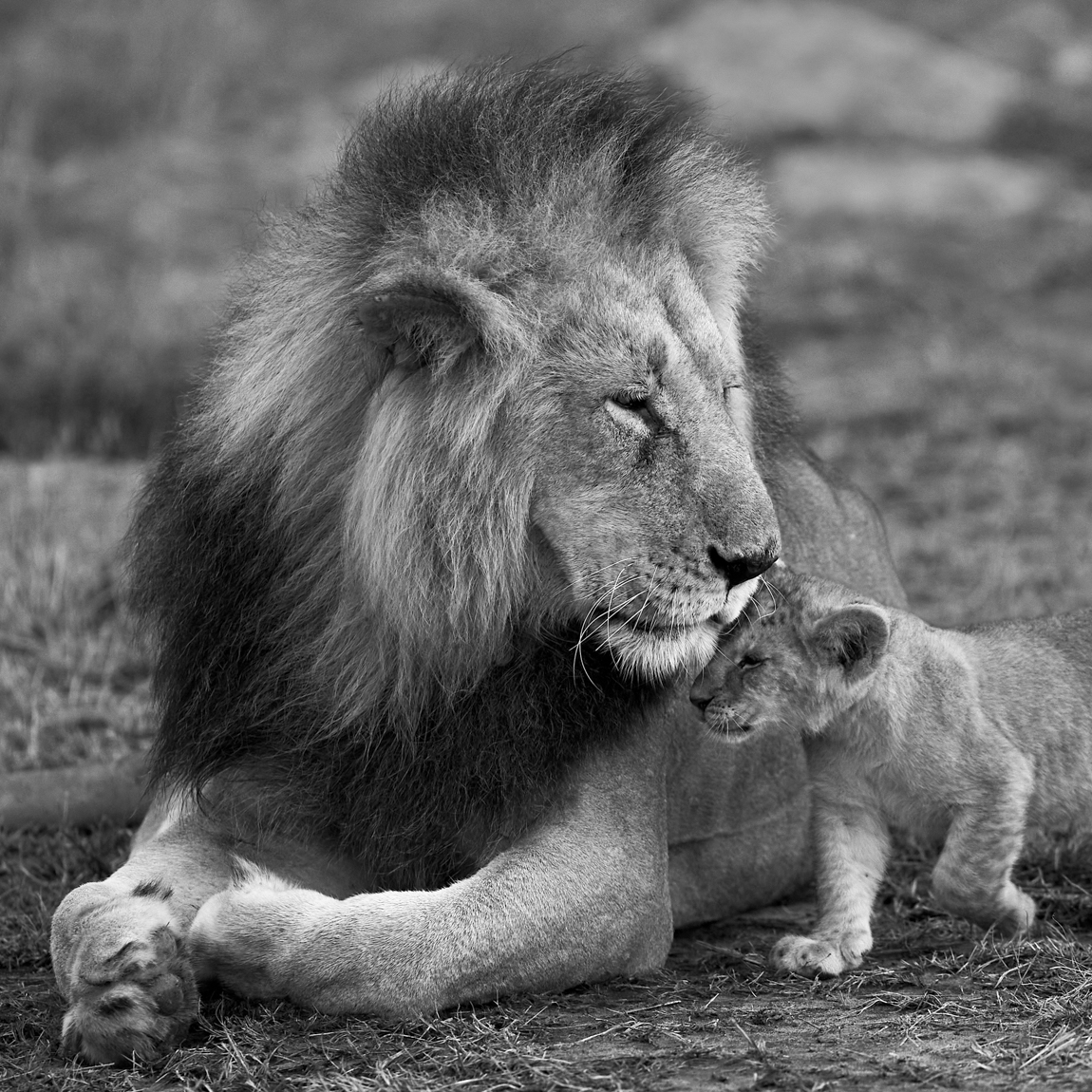
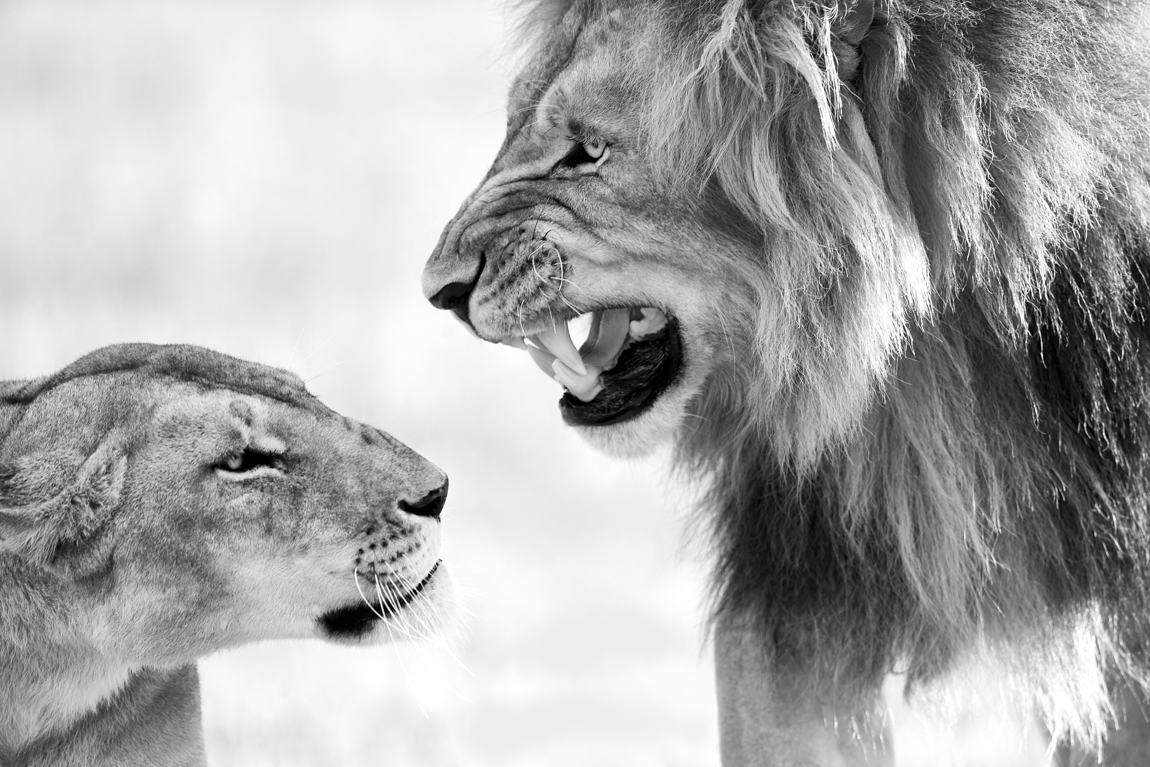
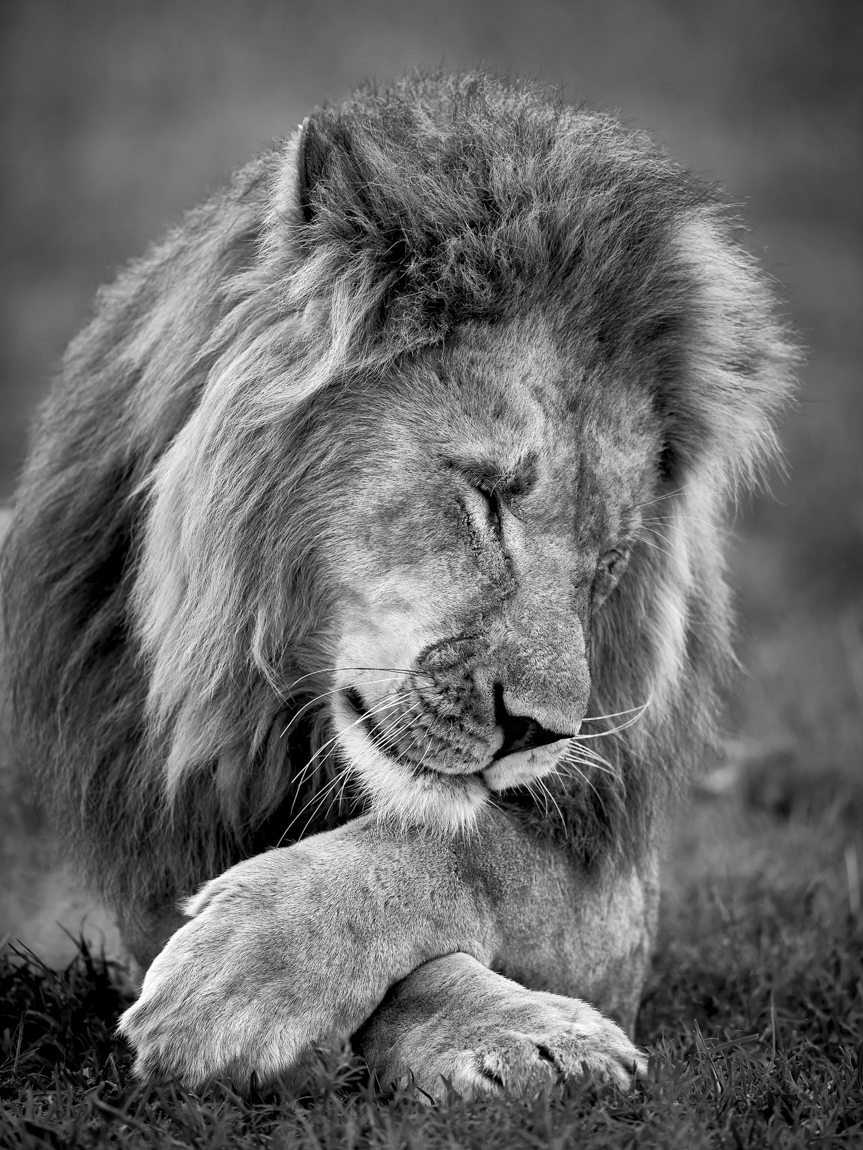
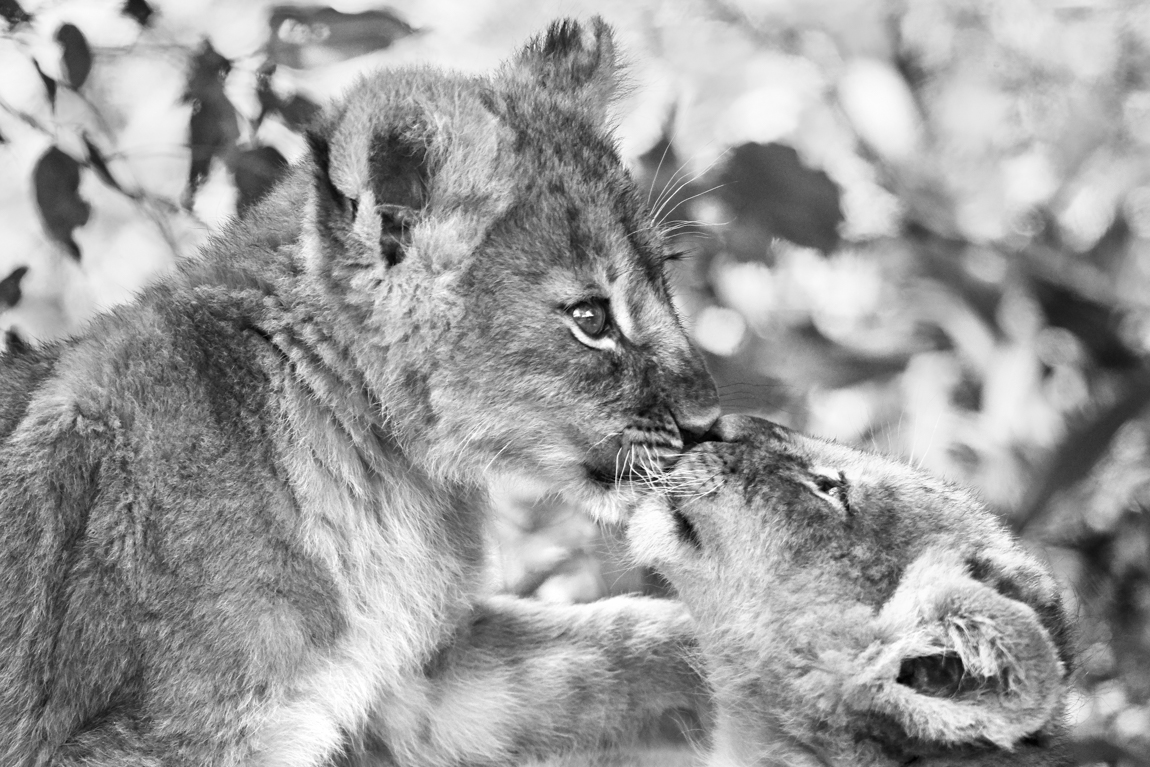
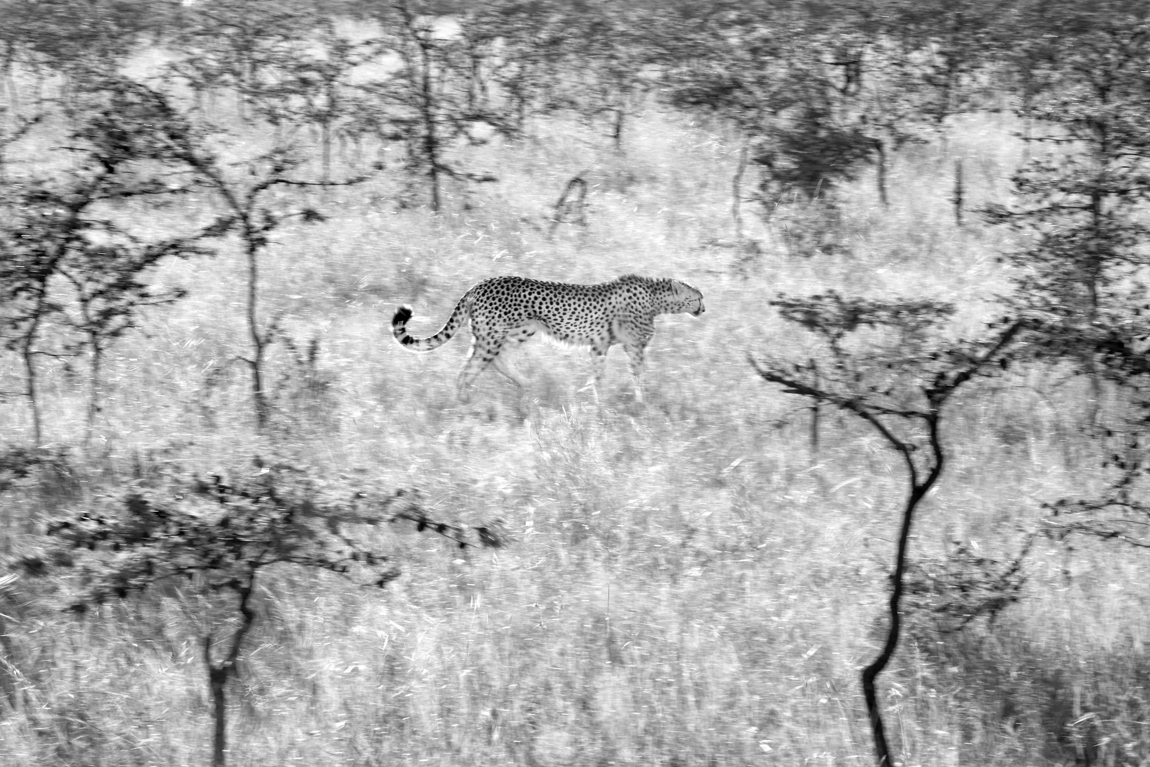
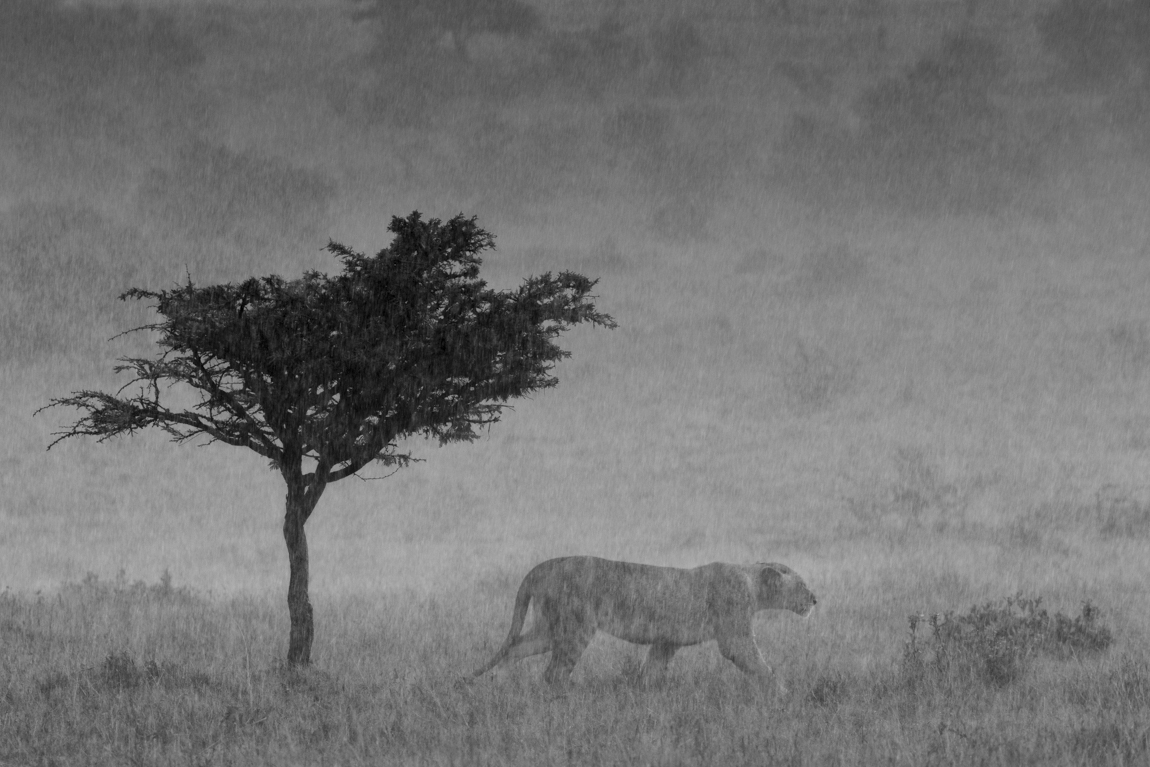
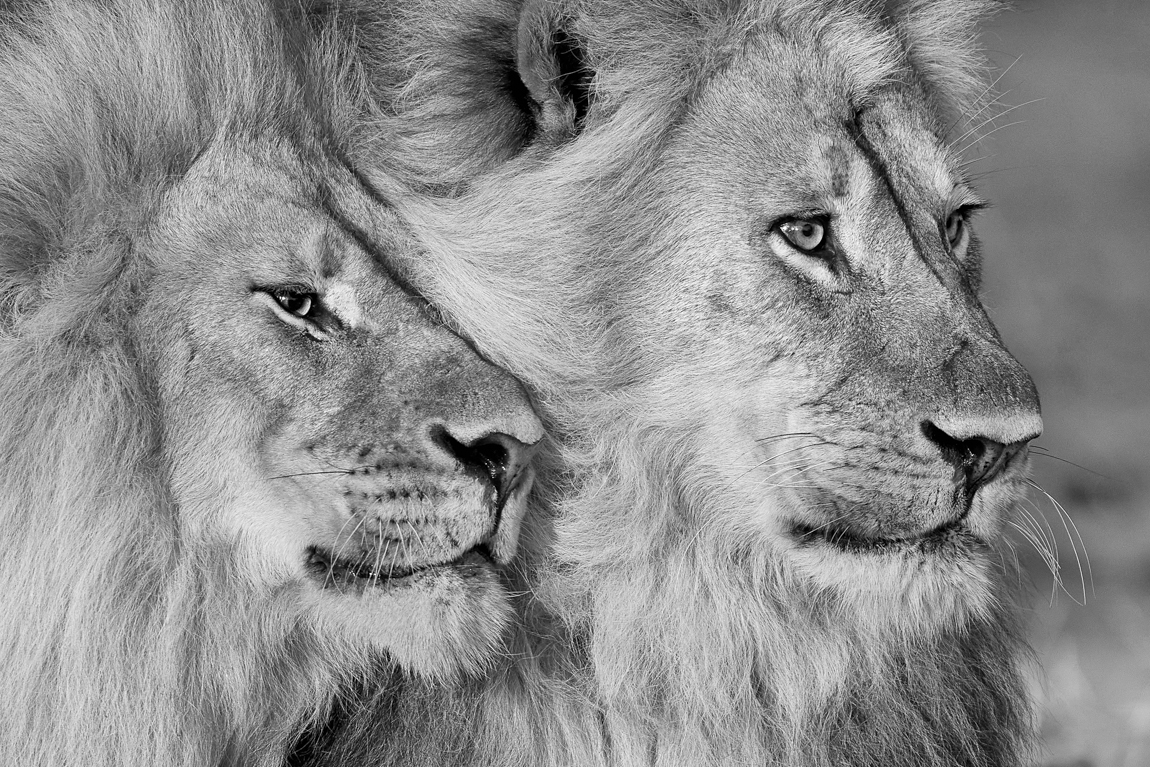
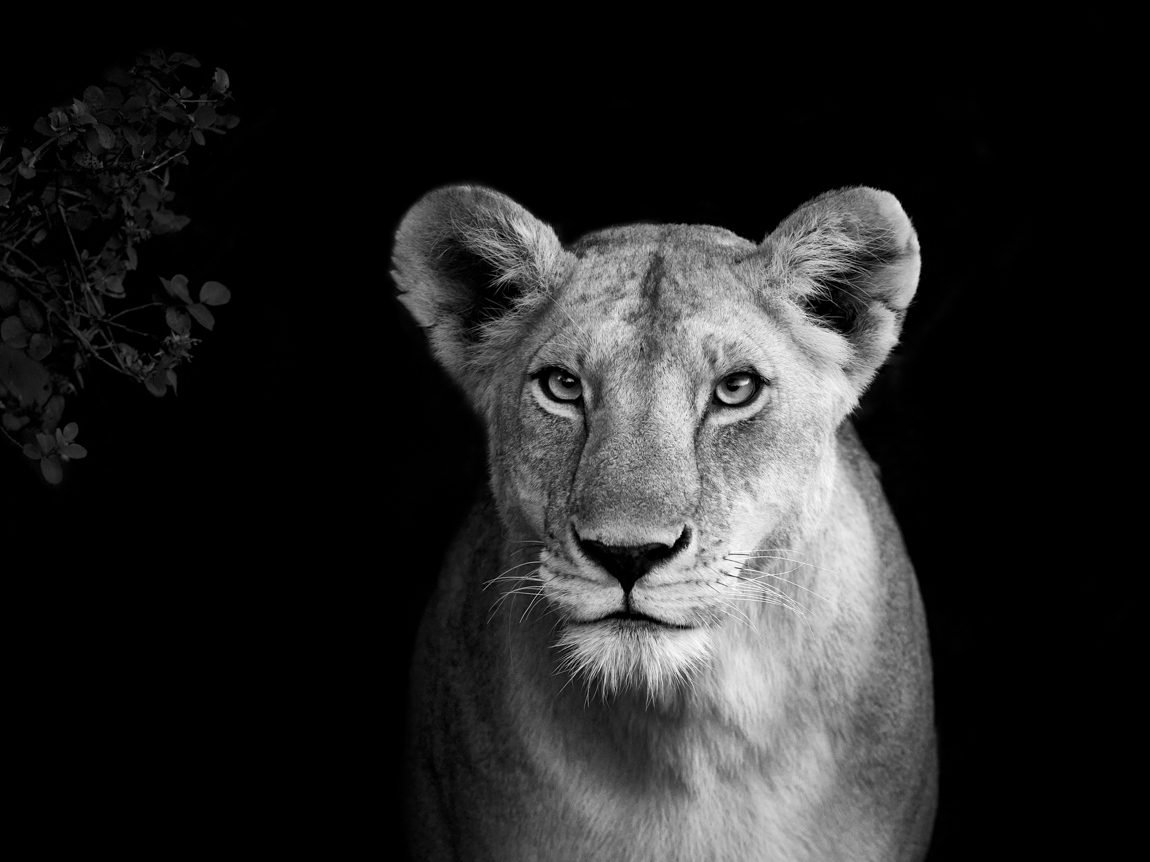
A French-Greek professional photographer living in France, Kyriakos Kaziras specializes in nature photography, including wildlife, ethnographic, and landscape photography.
Born in Greece, Kyriakos Kaziras developed an early passion for photography and painting through the influence of his two grandfathers, one a painter and the other a photography enthusiast. At the age of sixteen, he moved with his parents to Geneva, where he learned French. He later attended university in France, studying French literature at the Sorbonne.
Visual Style
During his first trip to Southern Africa, he fell in love with its vast wilderness, light, and wildlife. Since then, he has continually traveled across Africa and to some of the most remote places on the planet. His journeys have provided opportunities for numerous encounters with indigenous communities and wild animals.
Major Series and Works
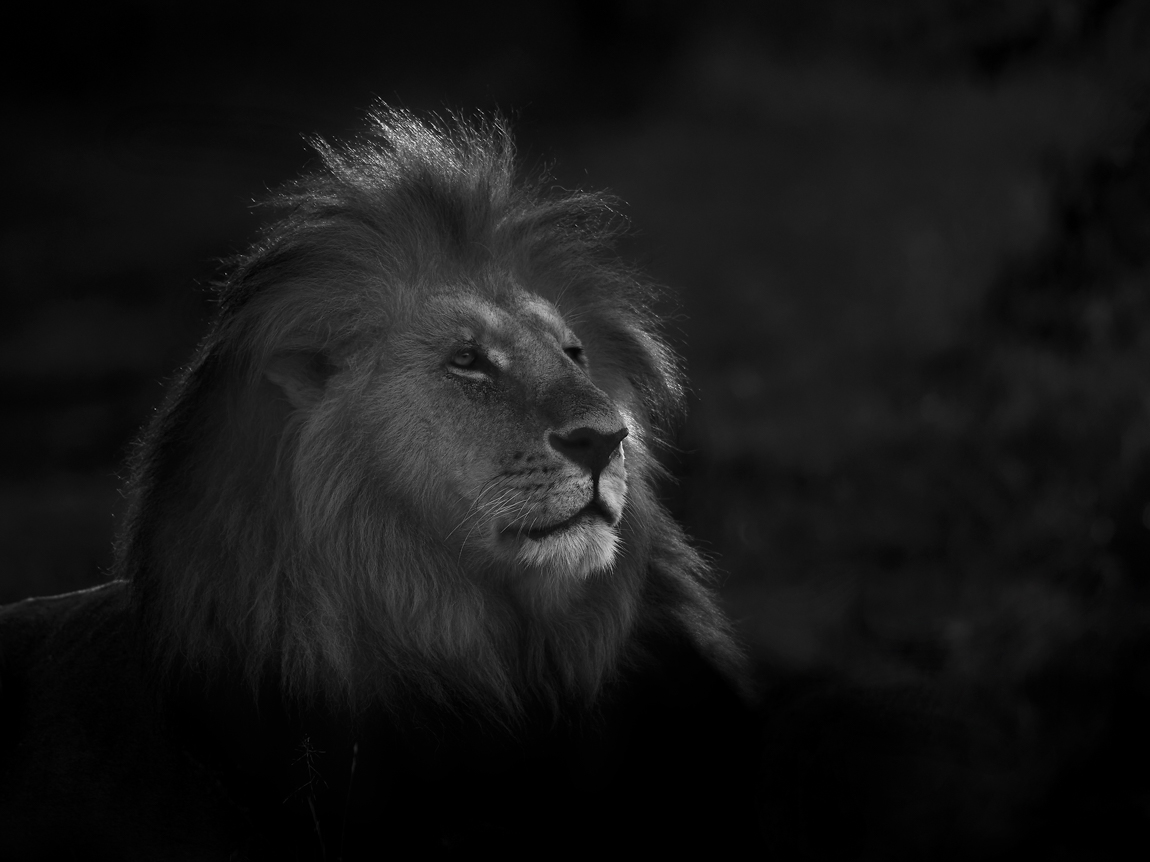
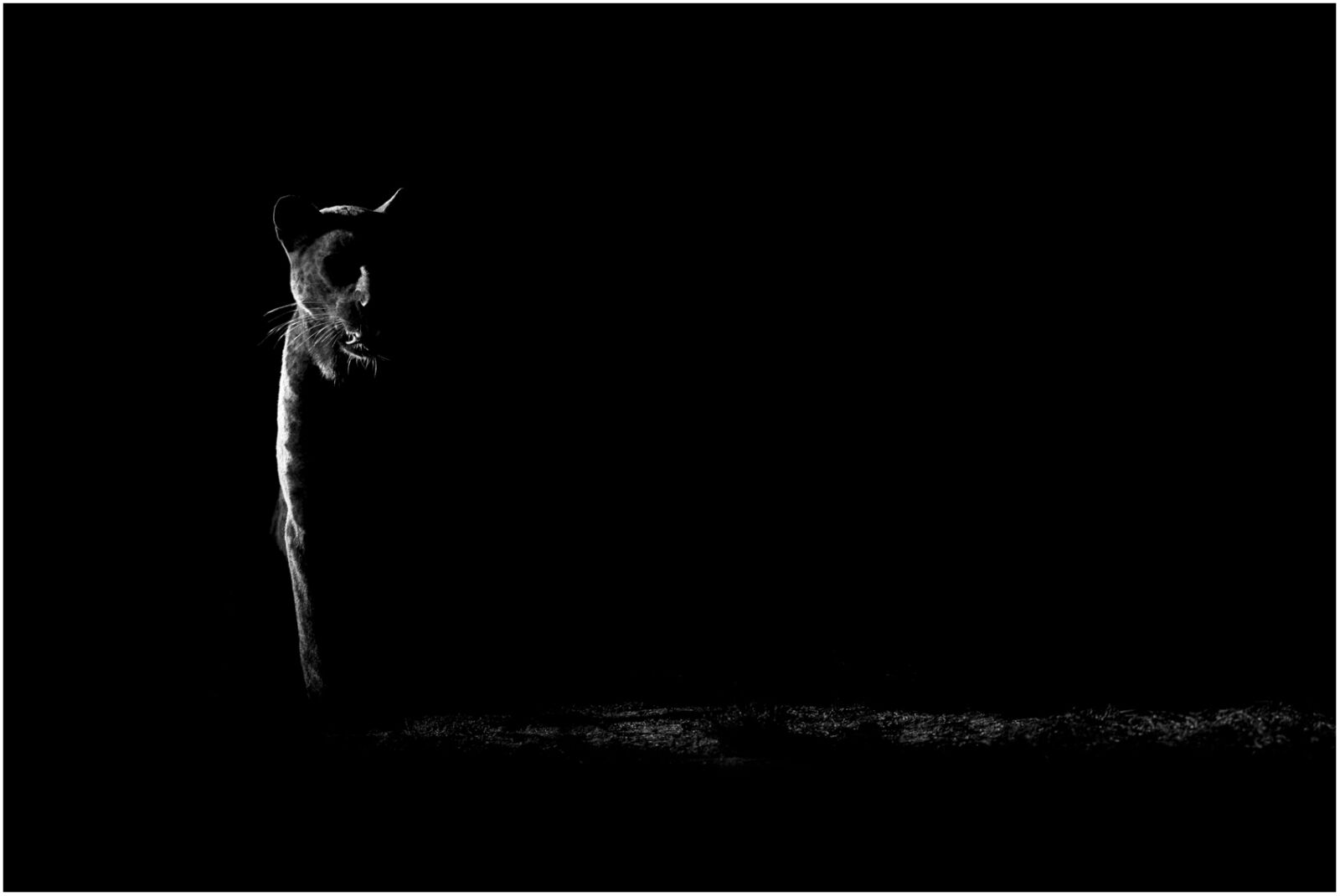
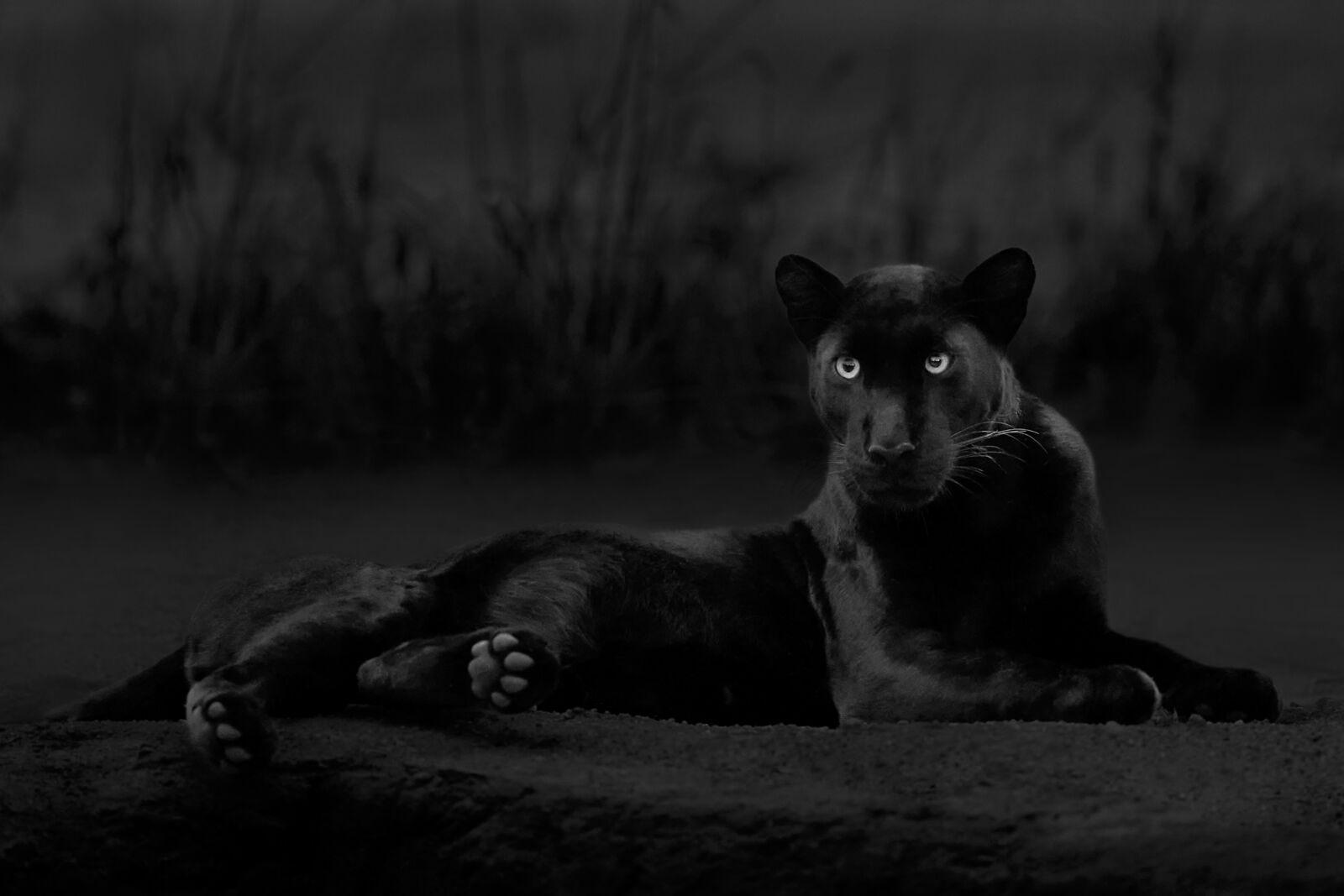
He draws inspiration from light, the search for emotion, and human encounters. Strongly influenced by painting, Kyriakos Kaziras approaches photography with a highly painterly sensibility. His cameras are his brushes.
Recognition
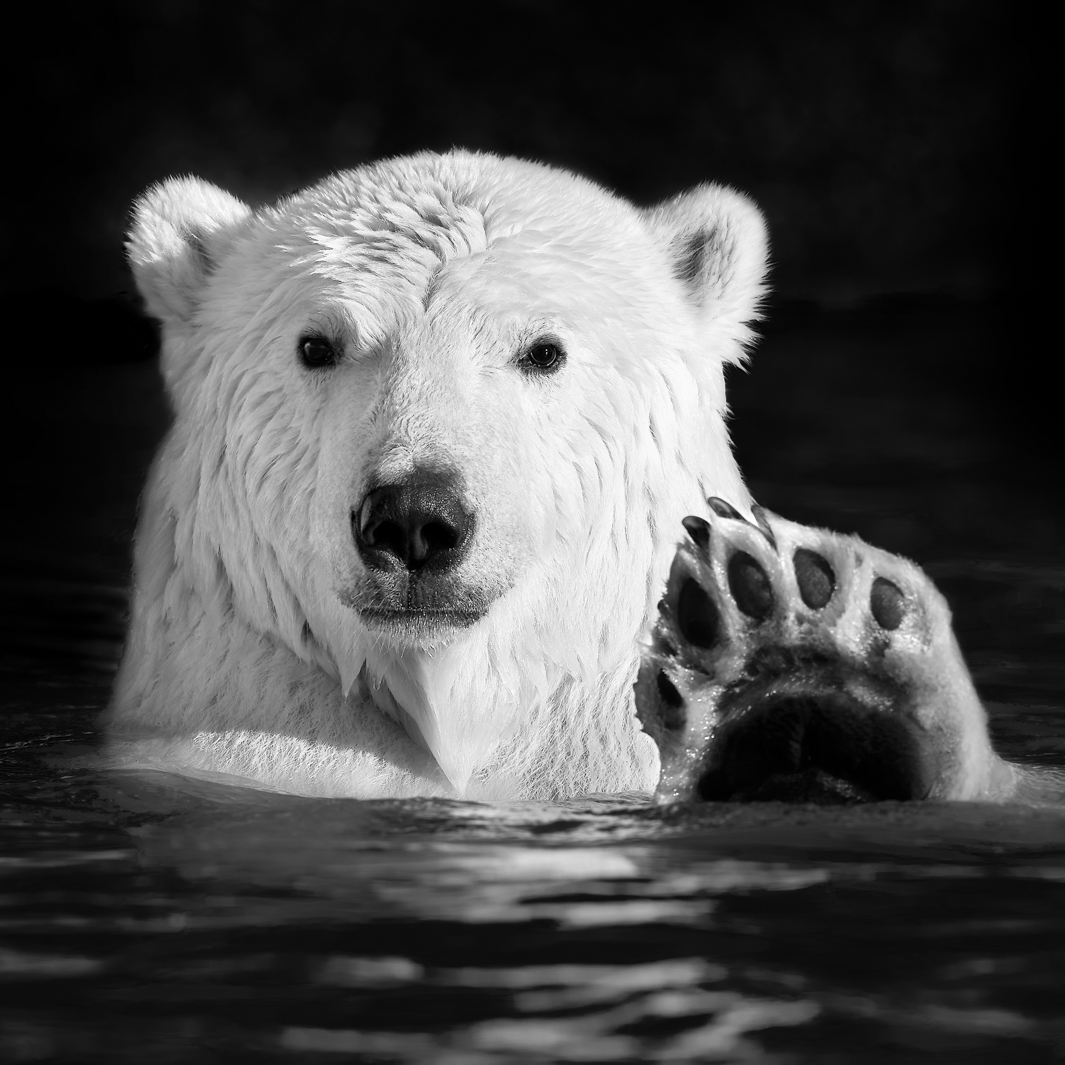
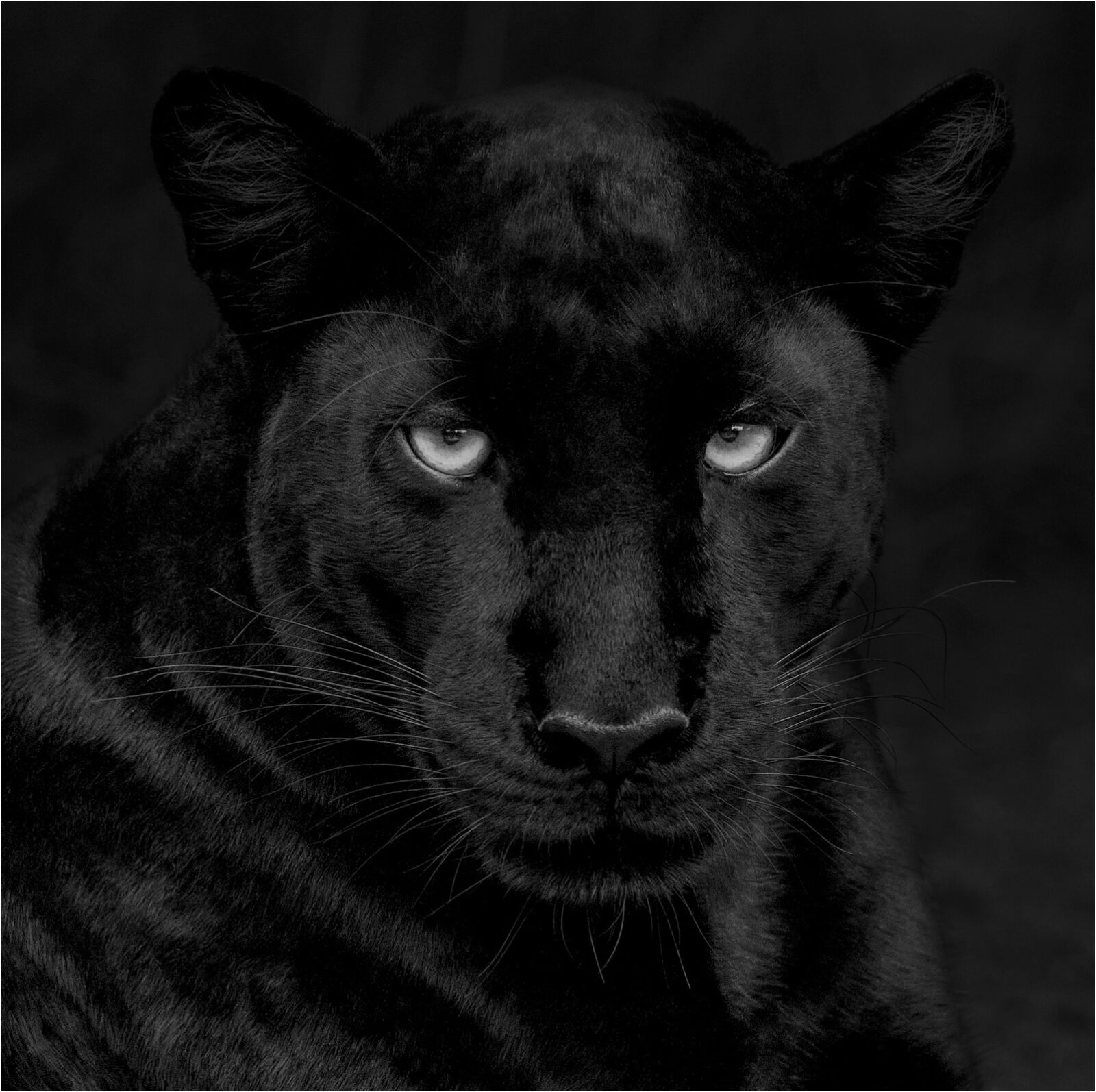
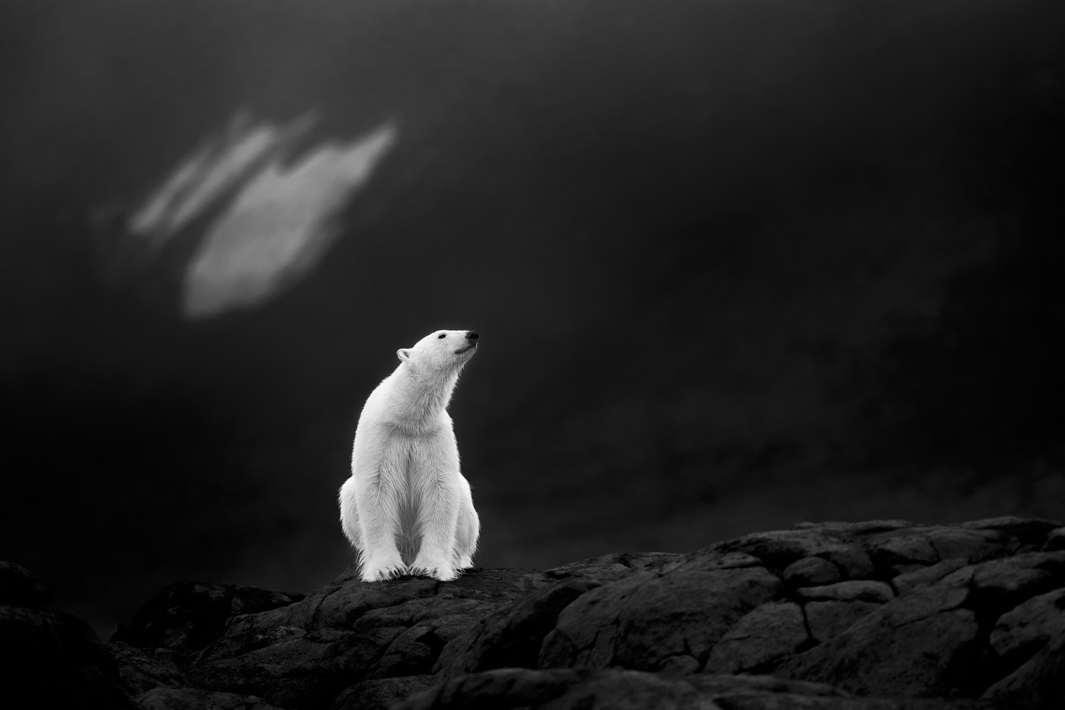
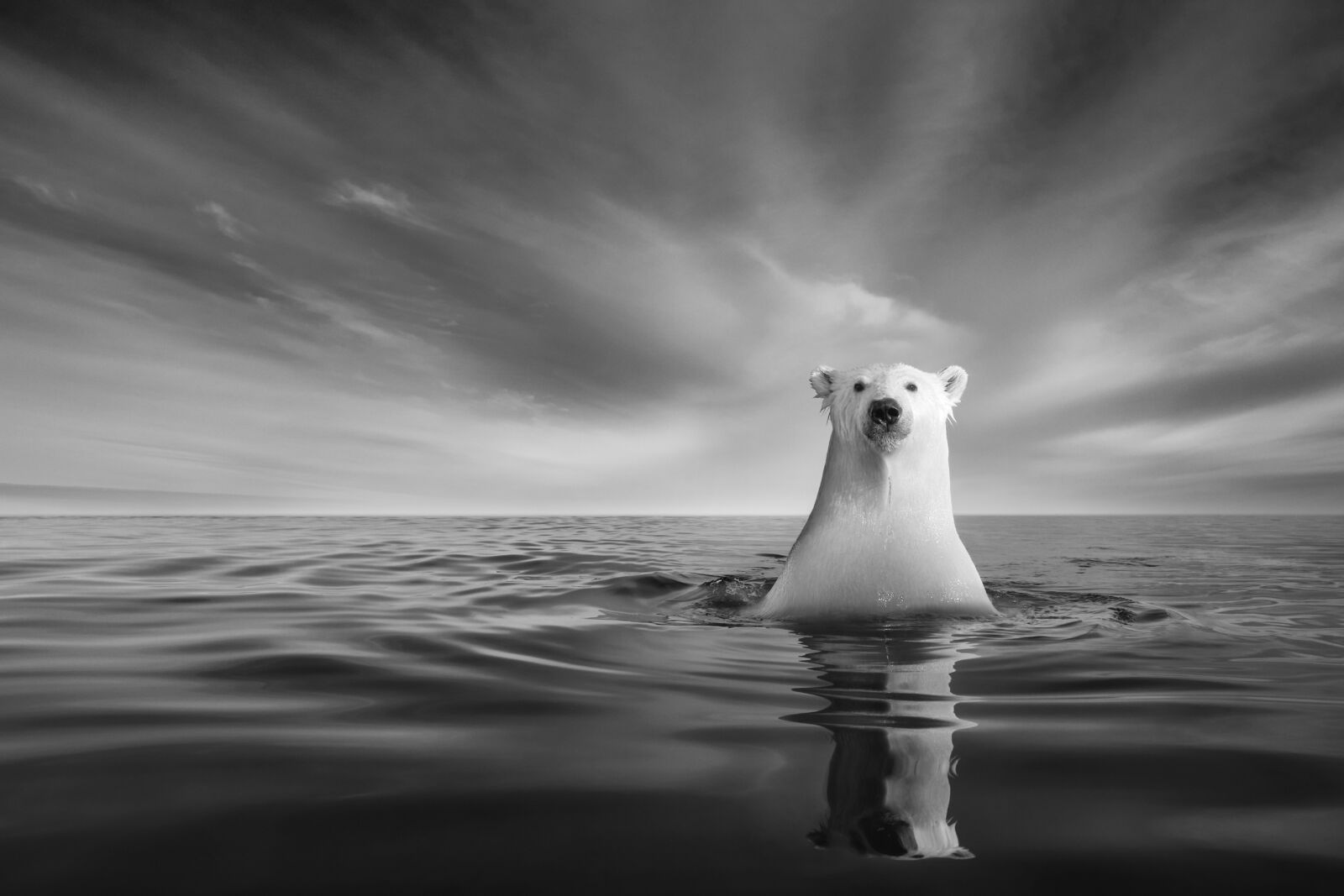
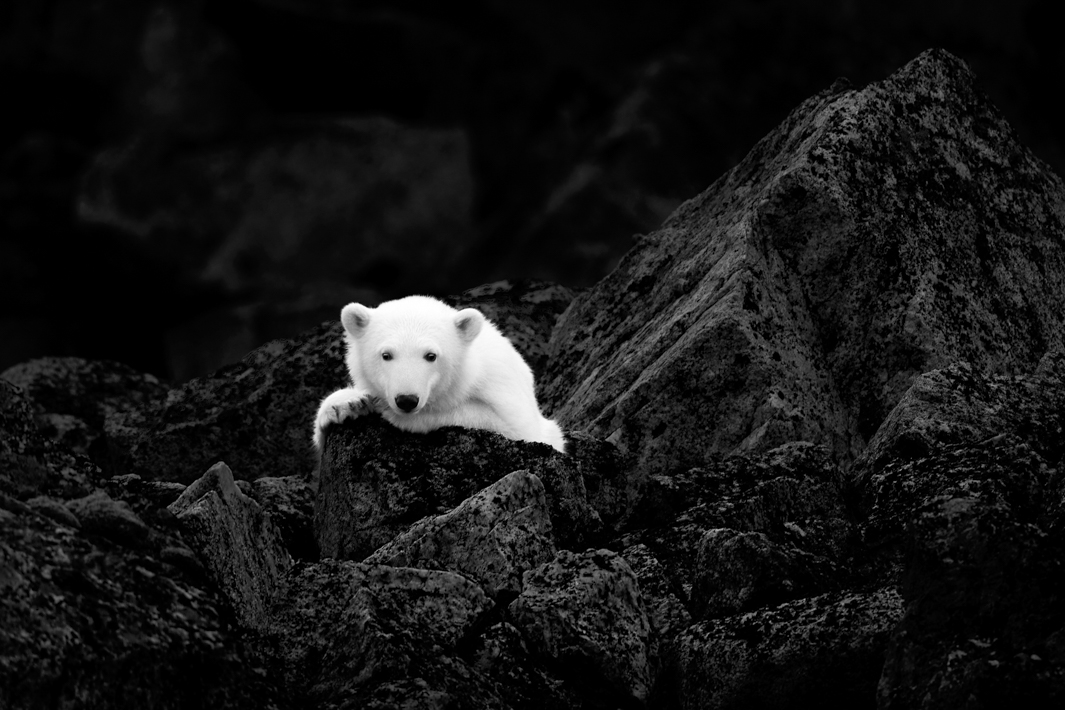
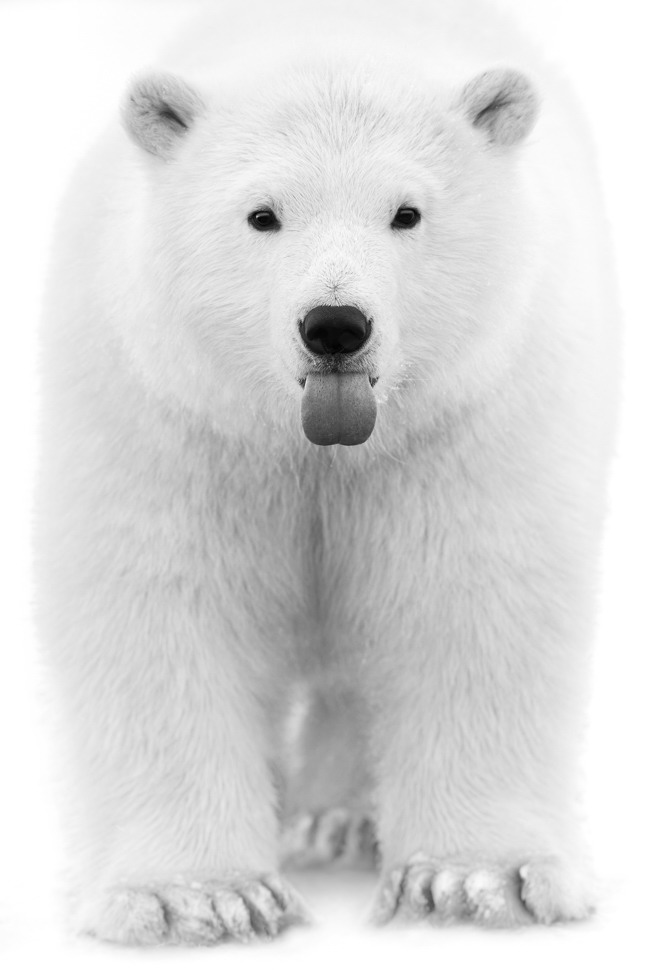
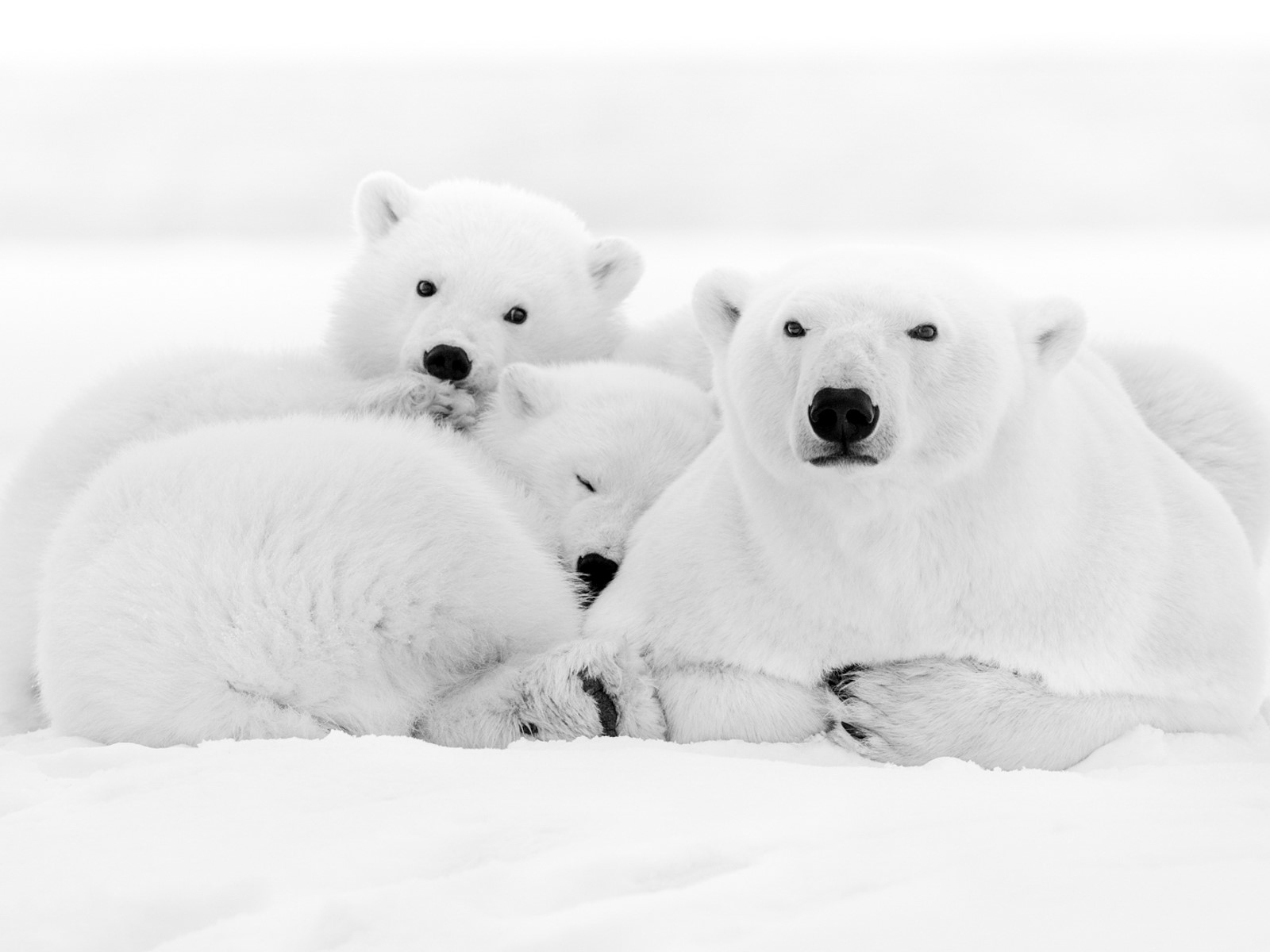
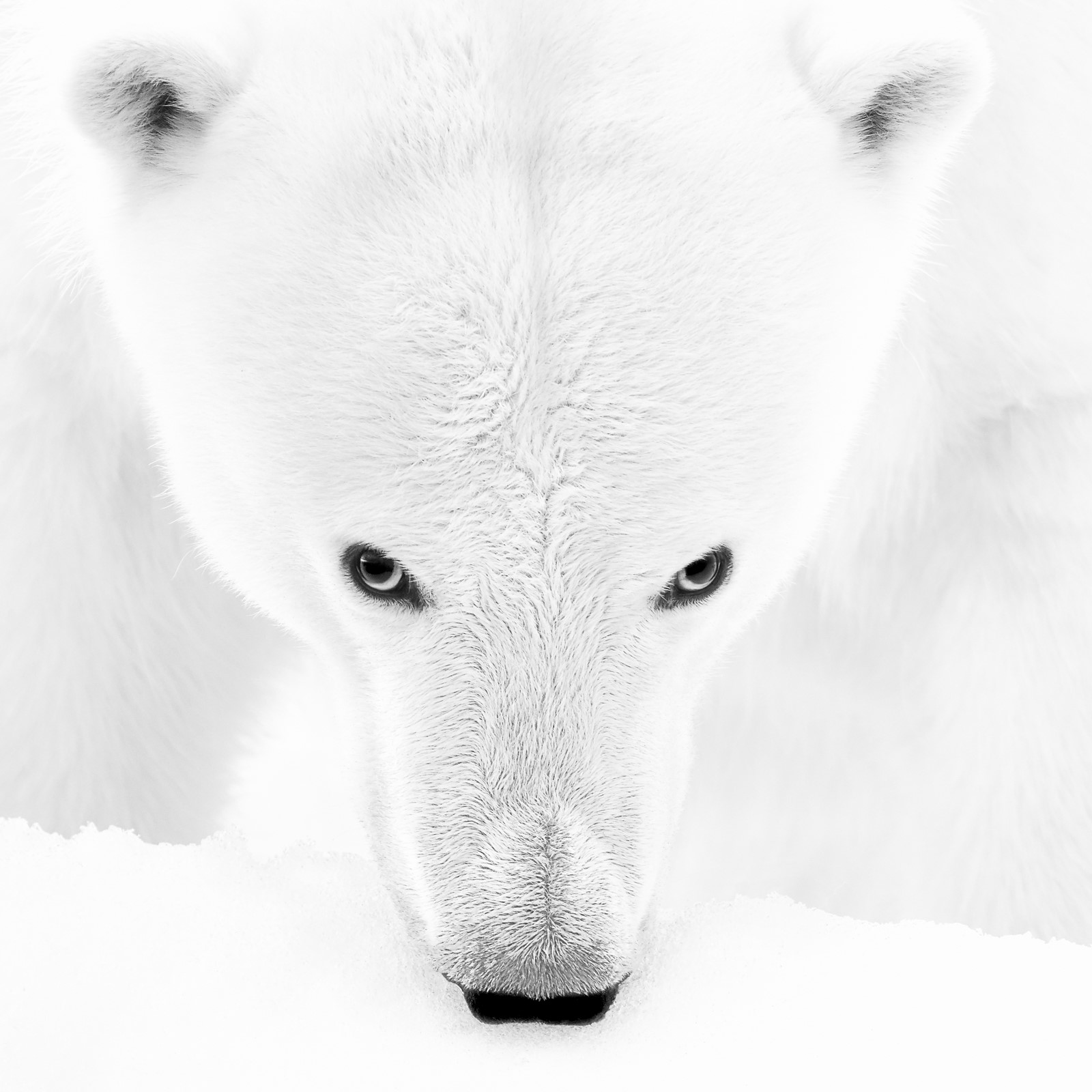
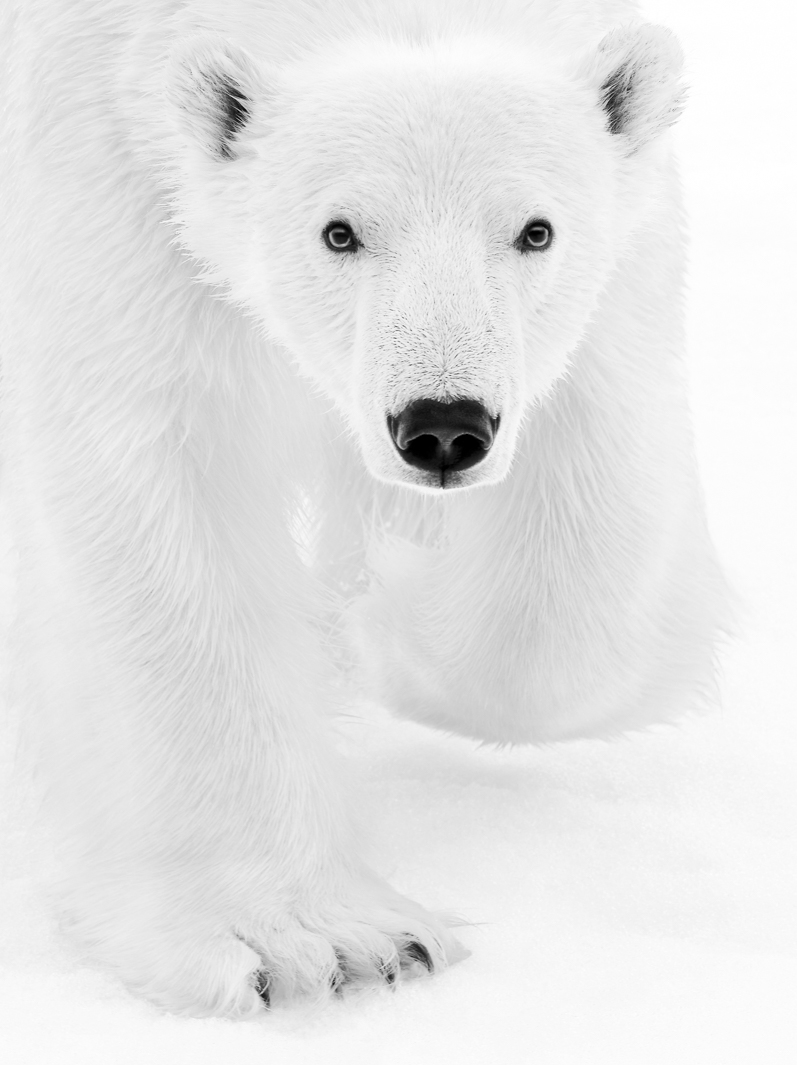
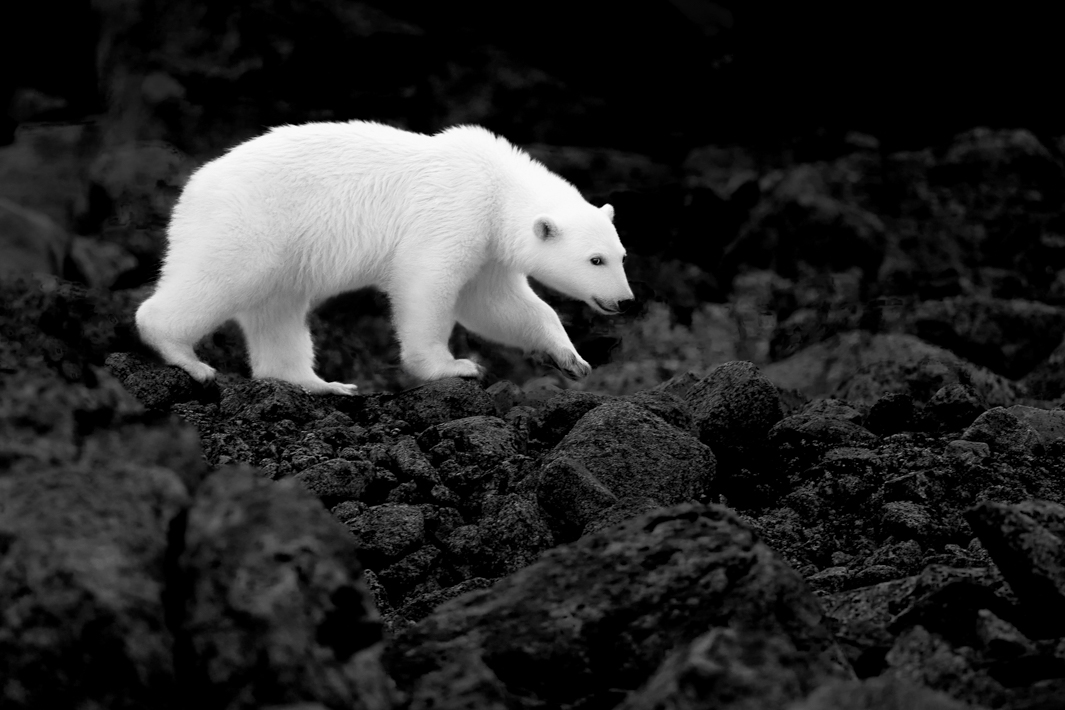
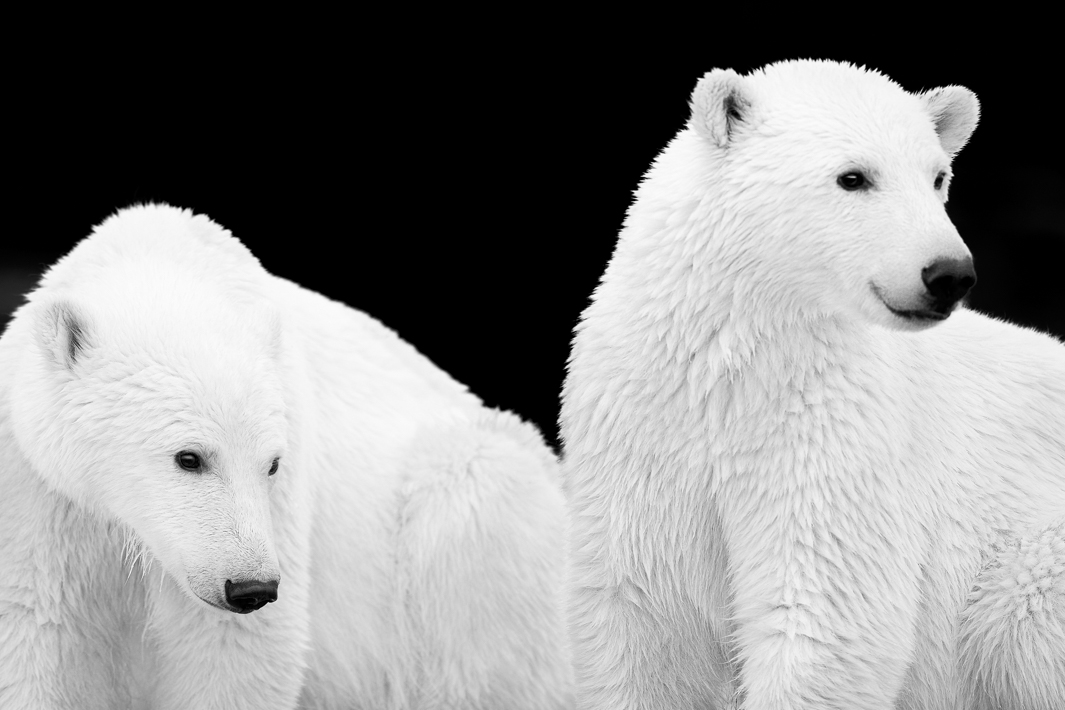
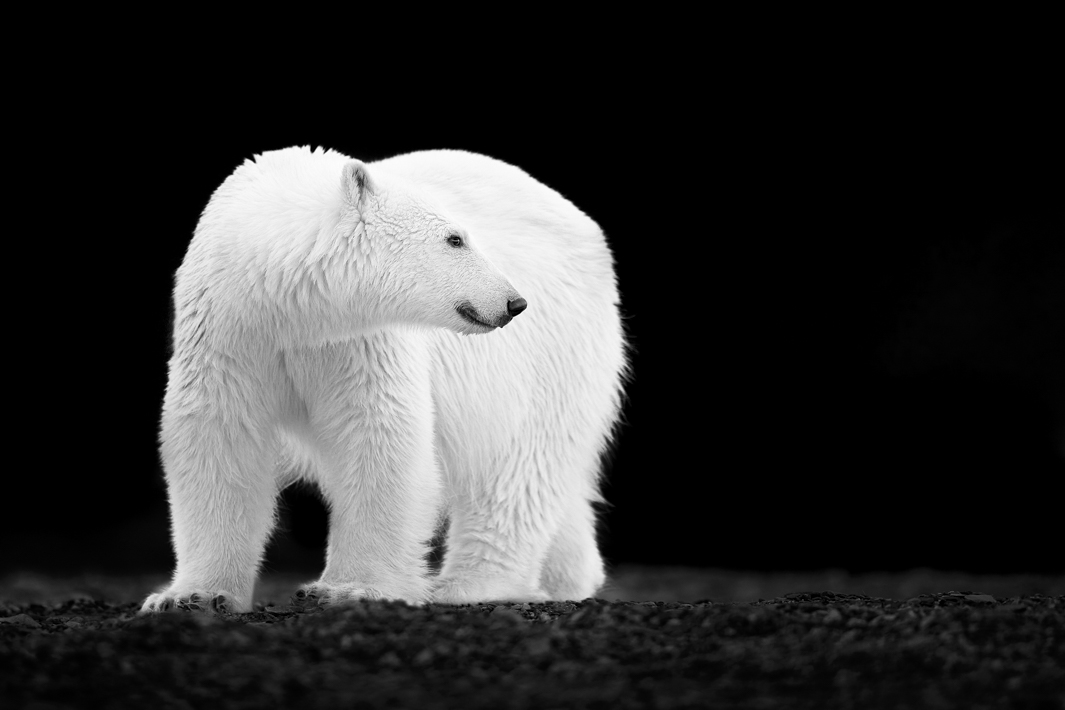
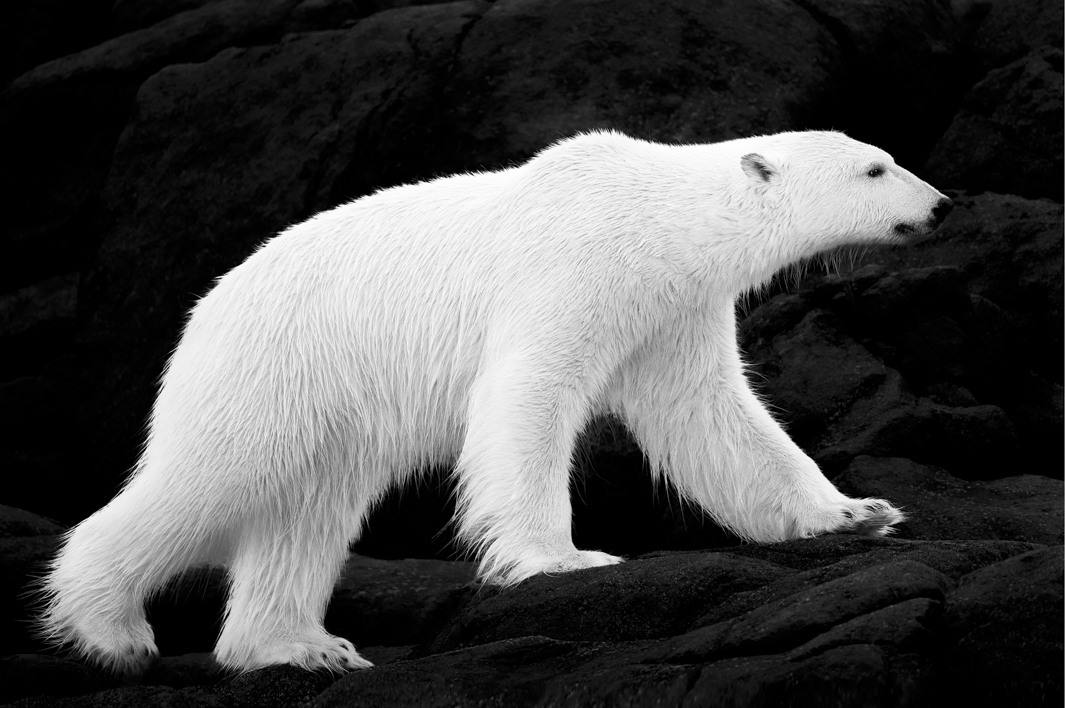
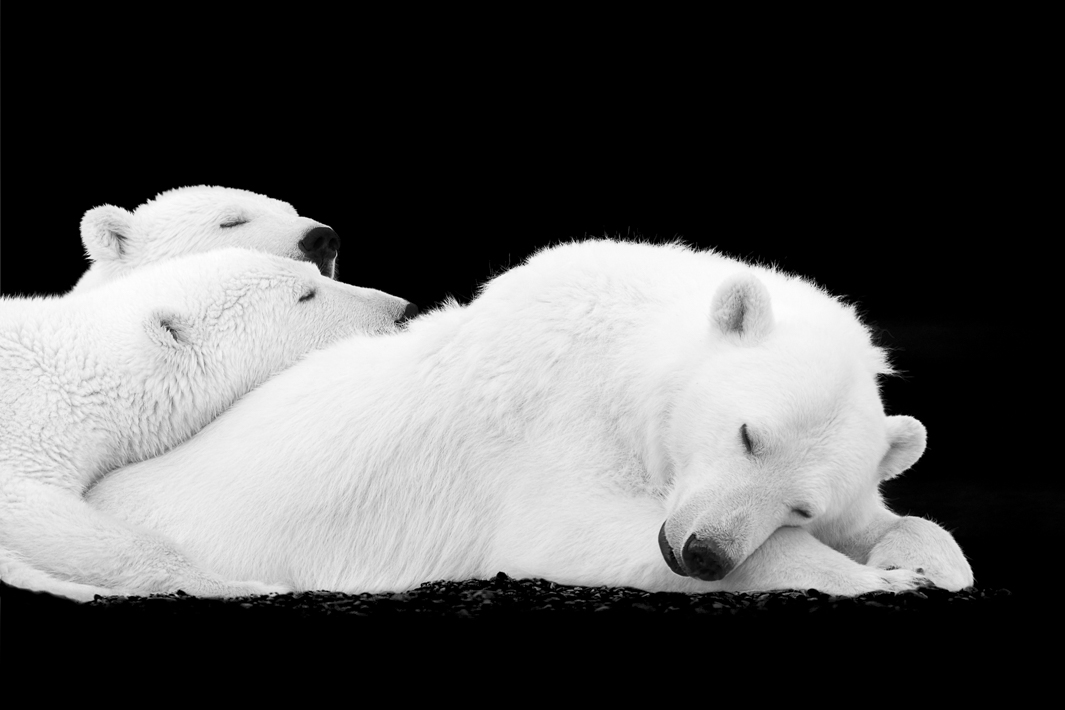
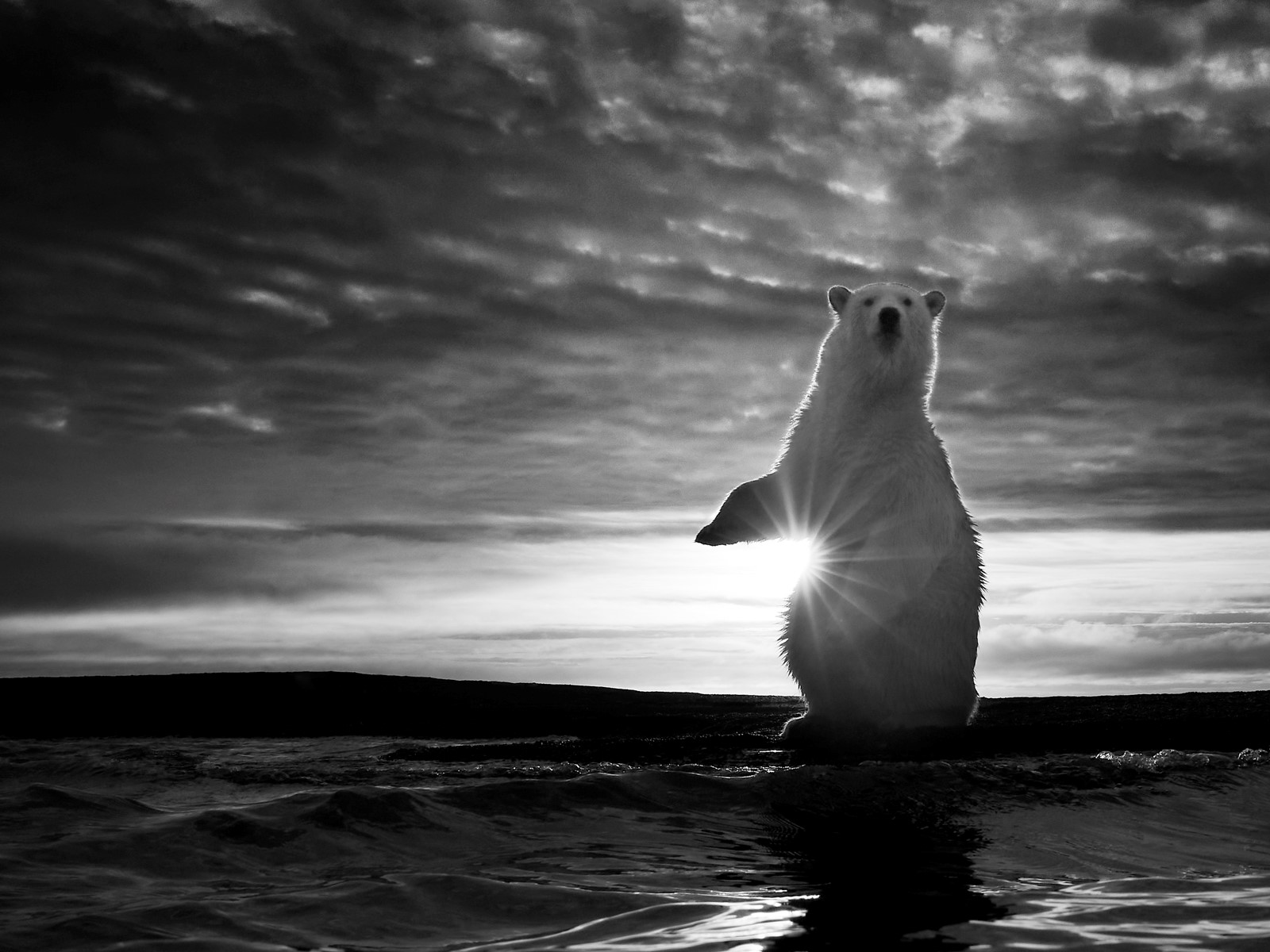
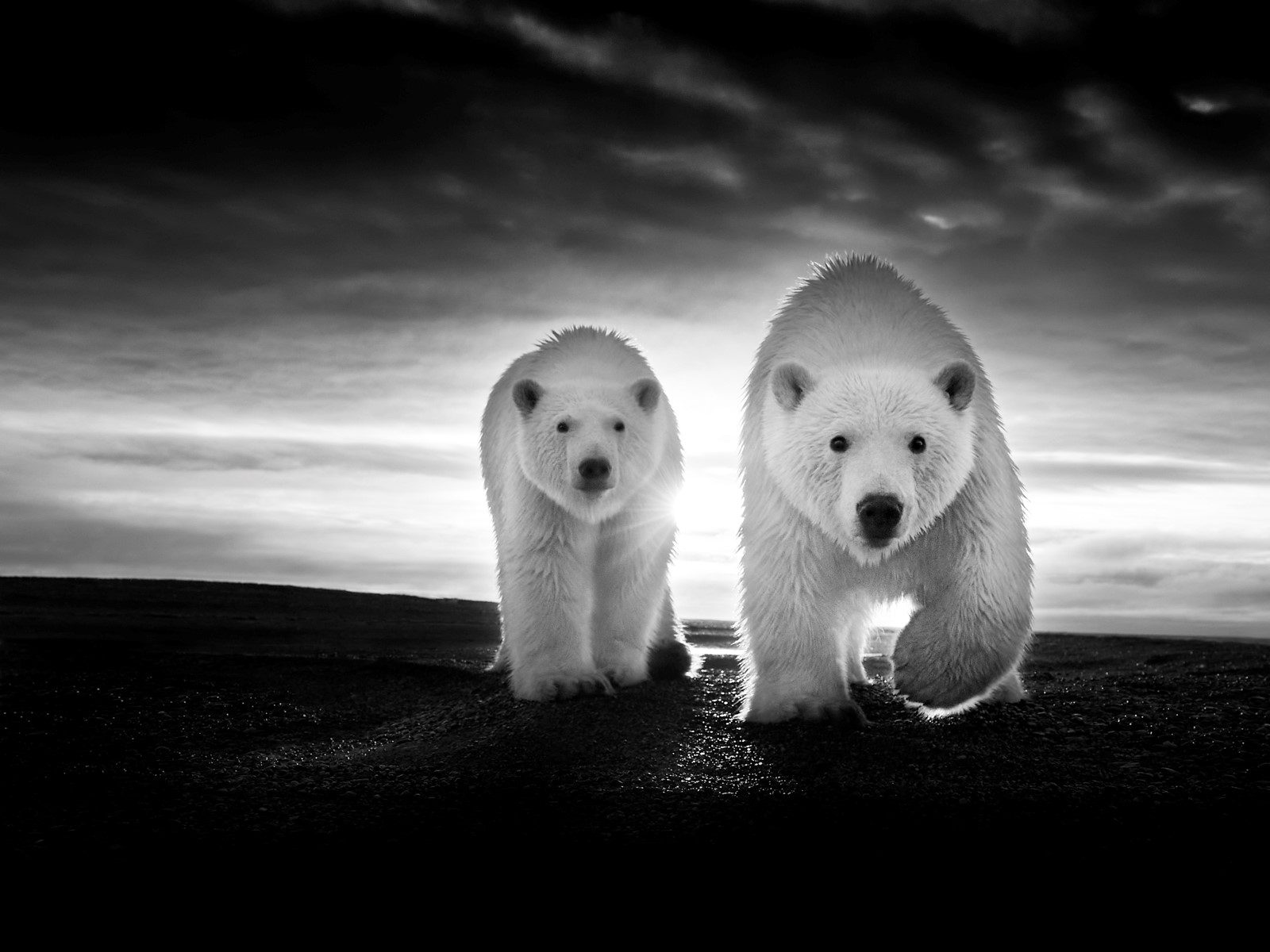
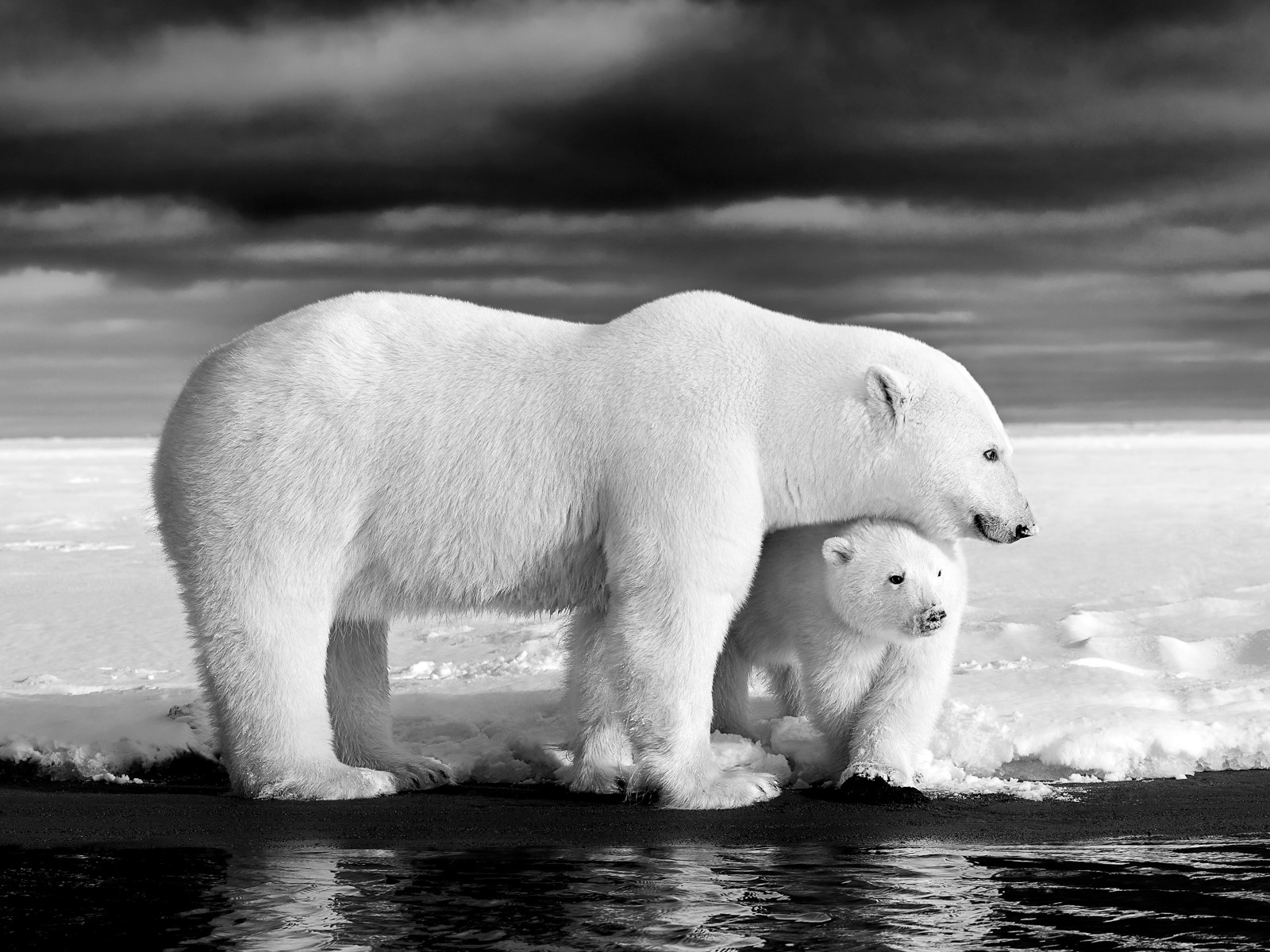
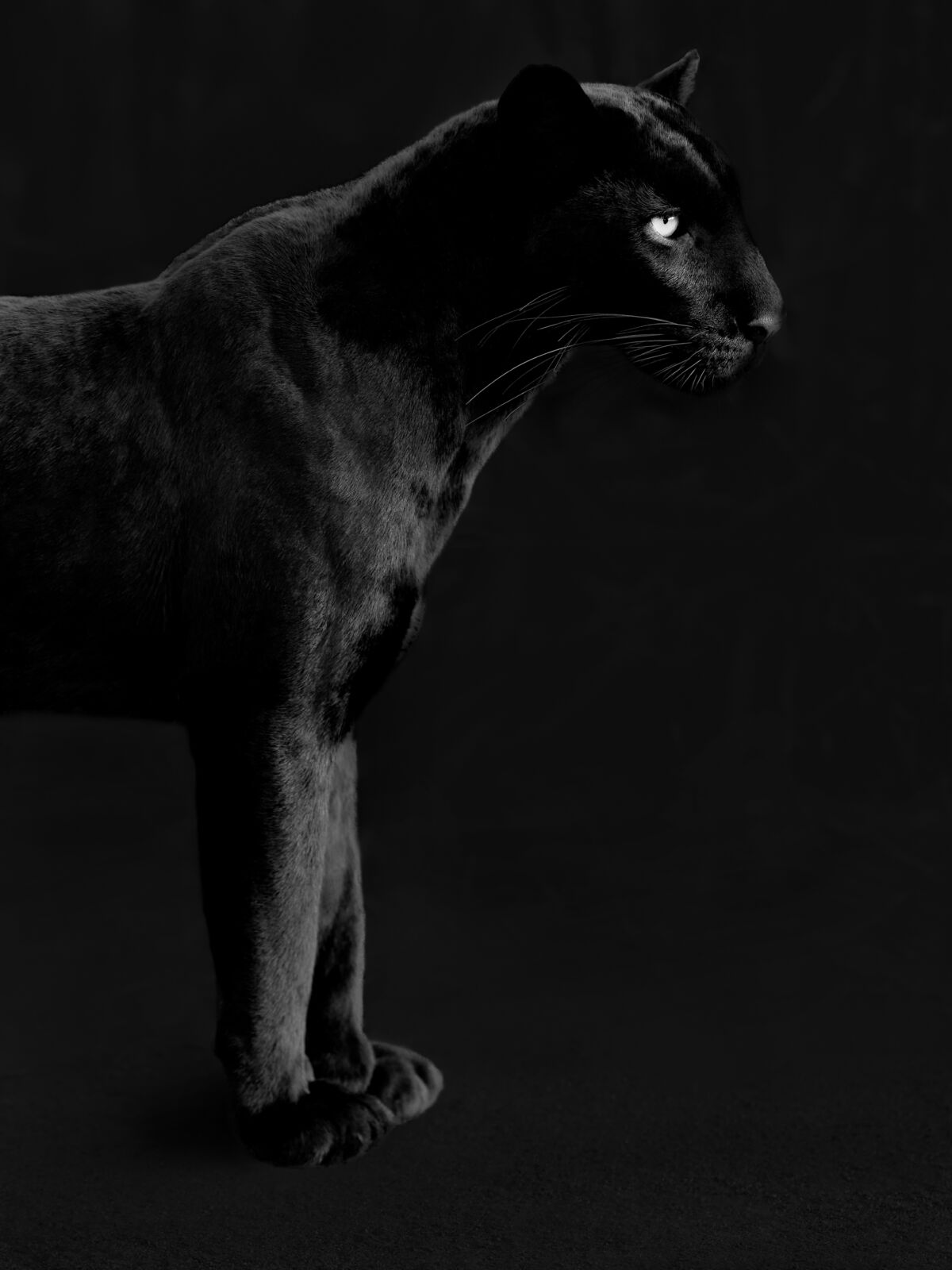
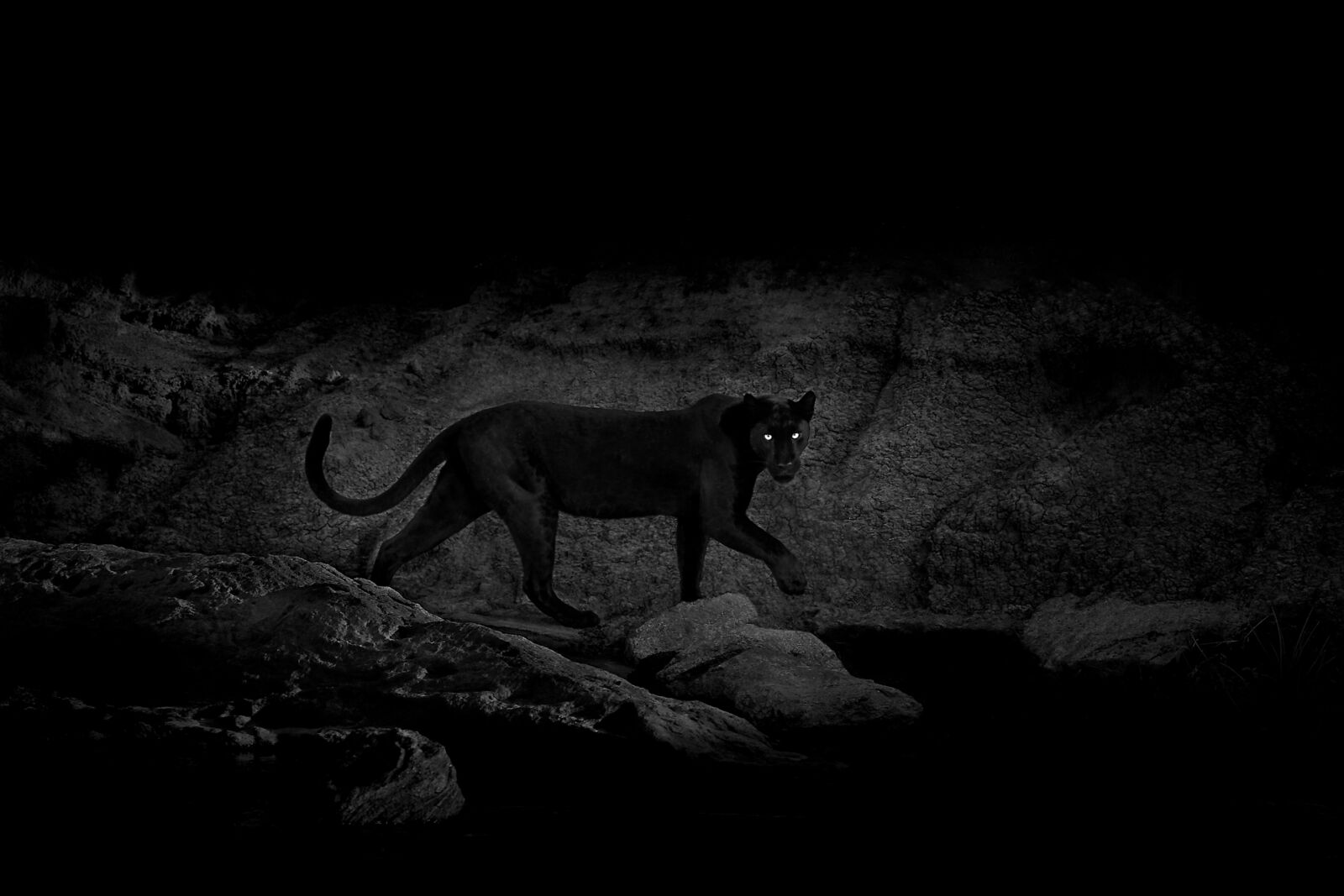
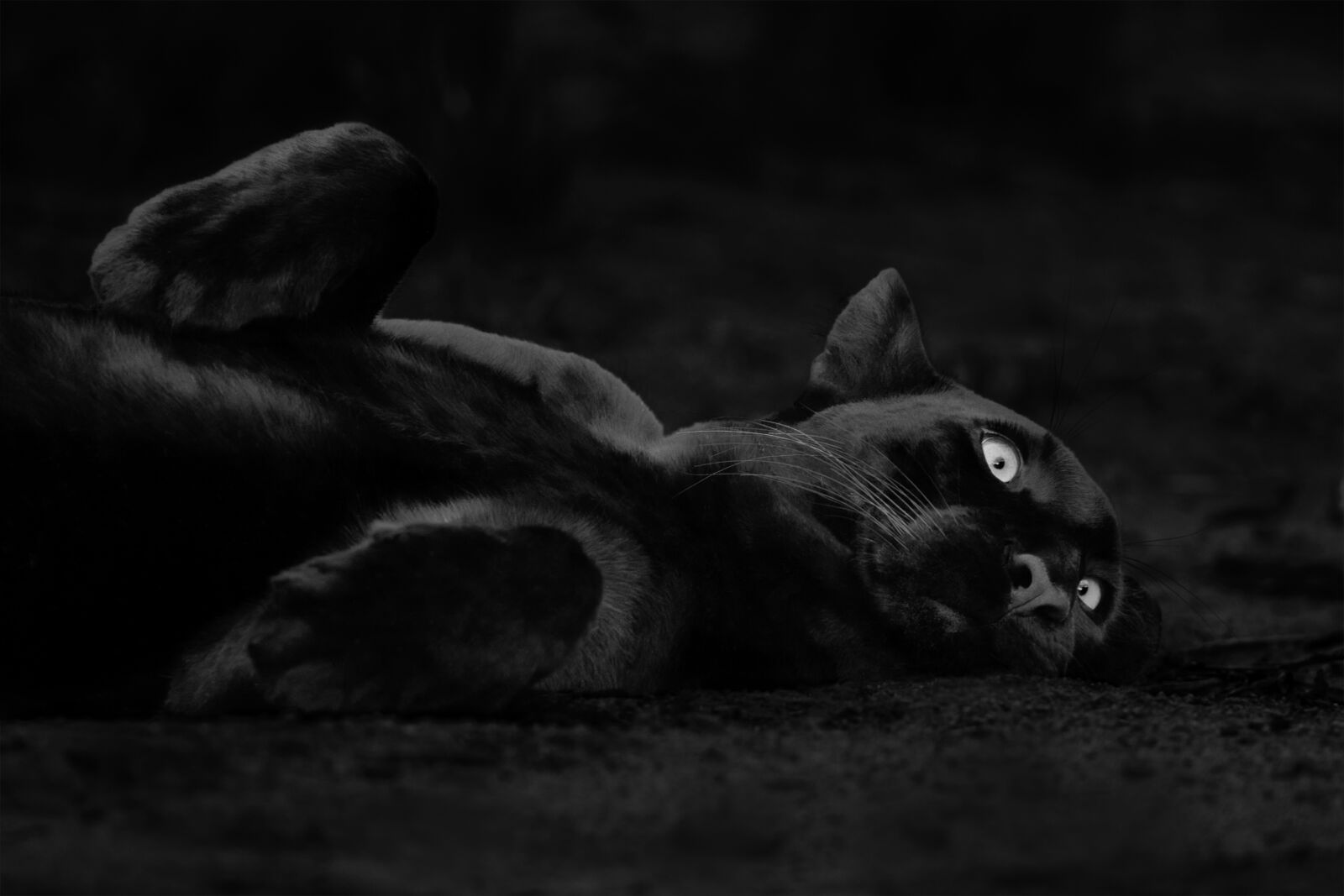
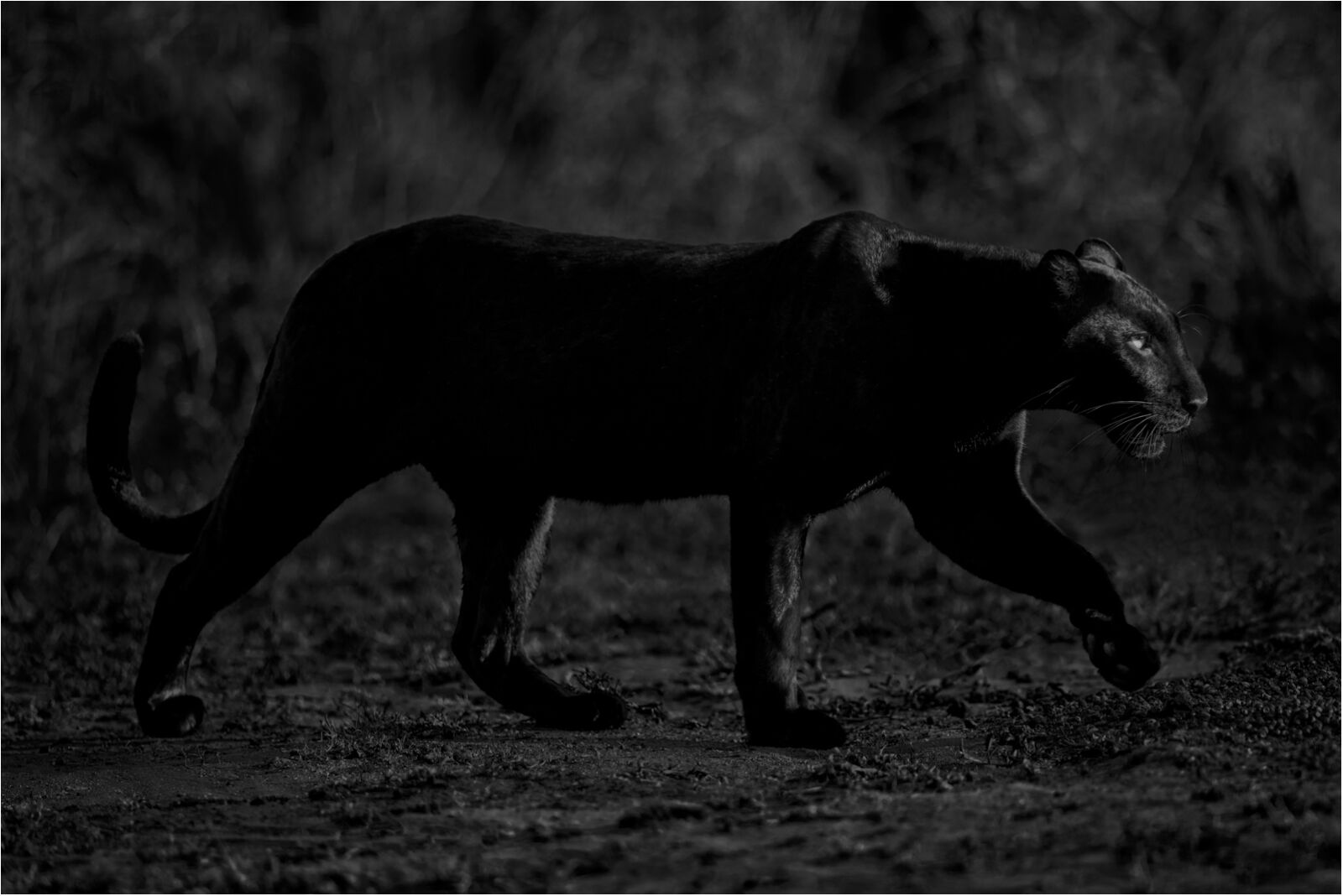
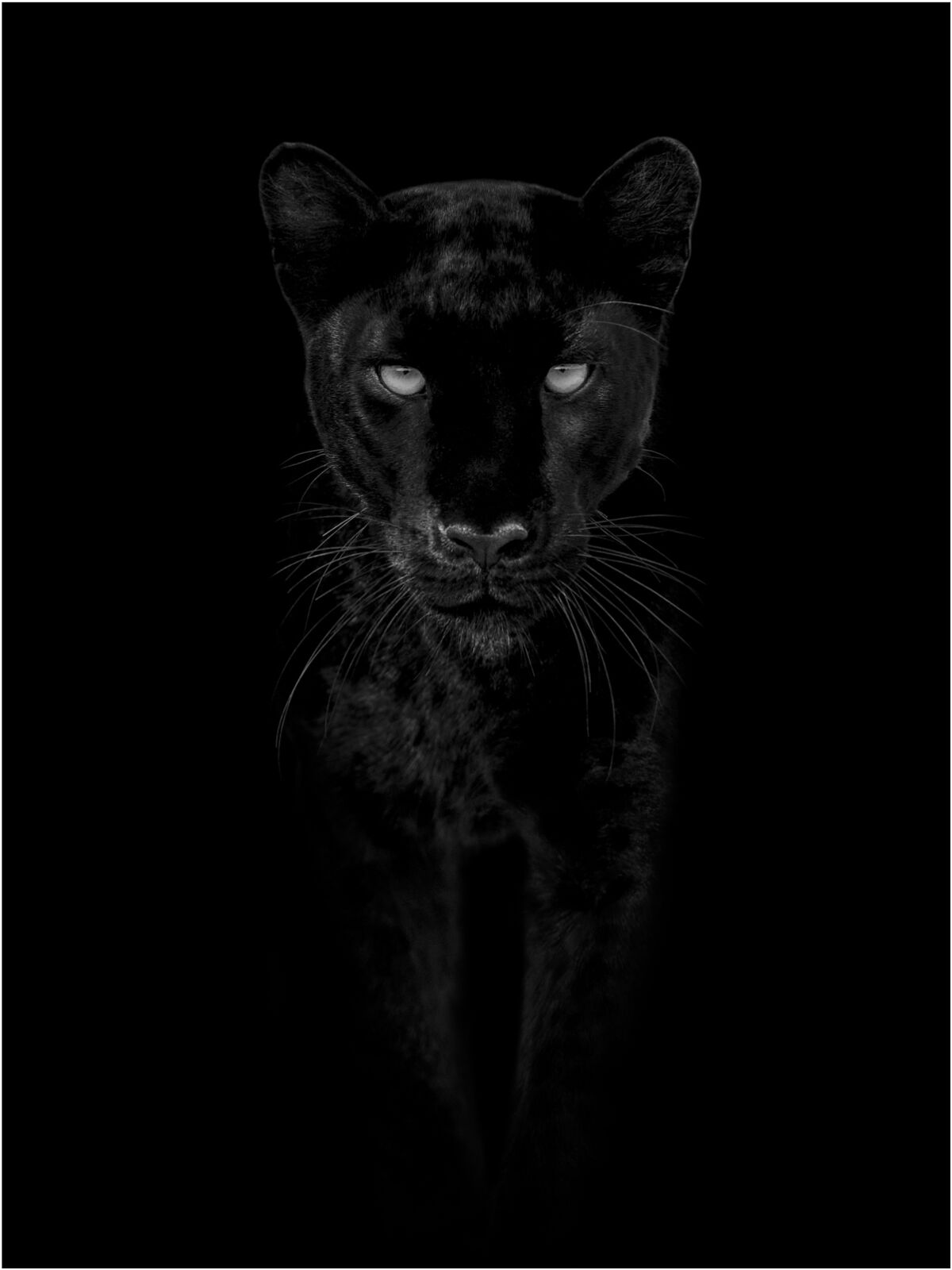
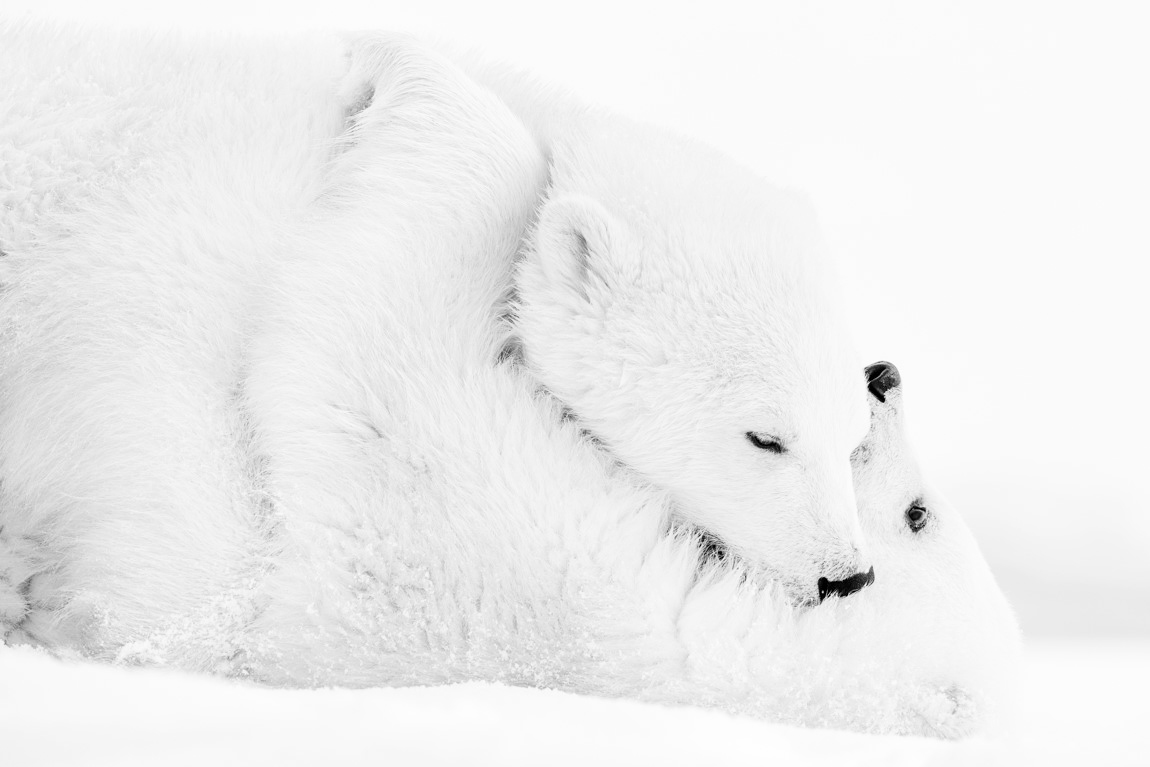
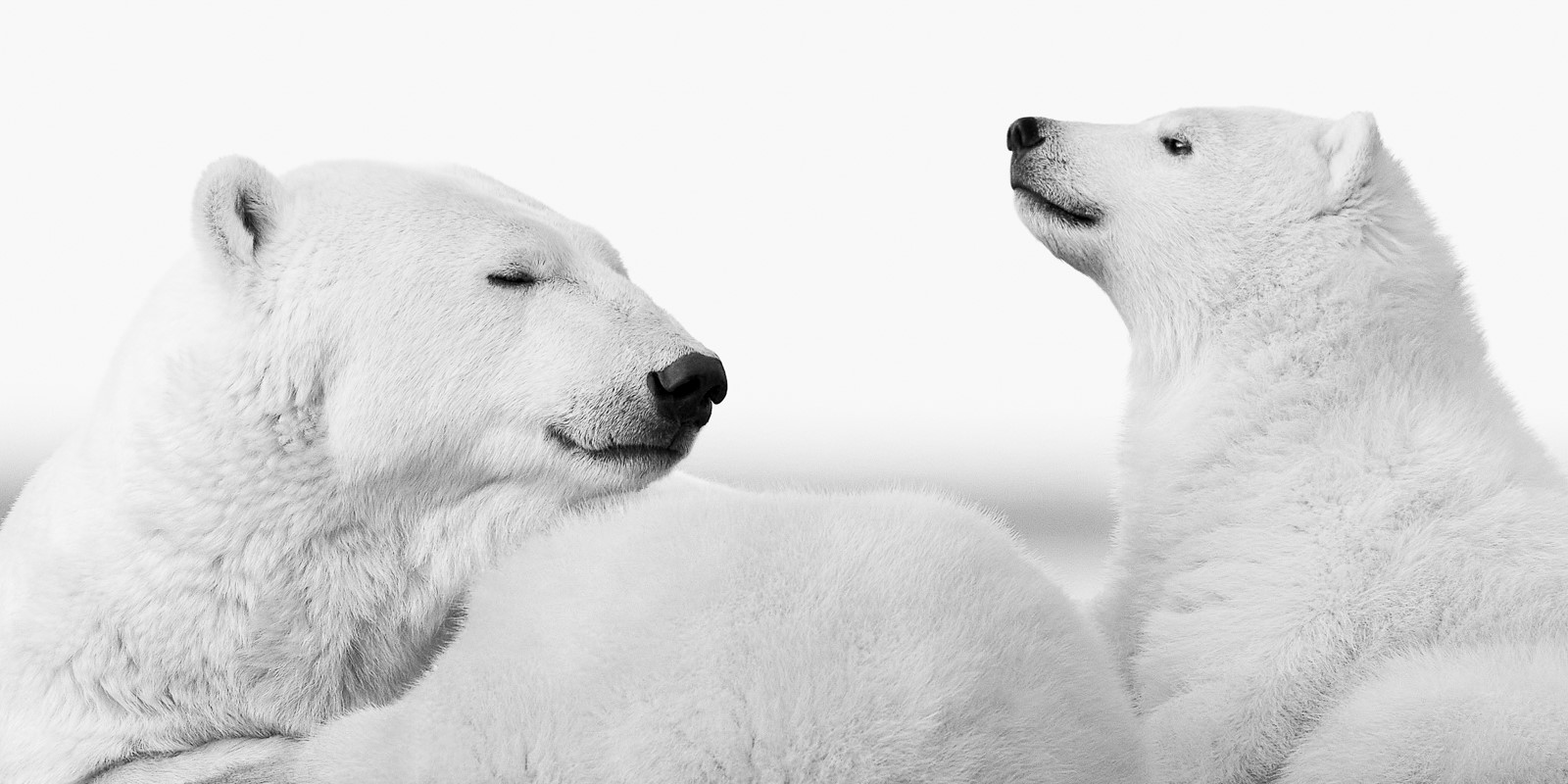
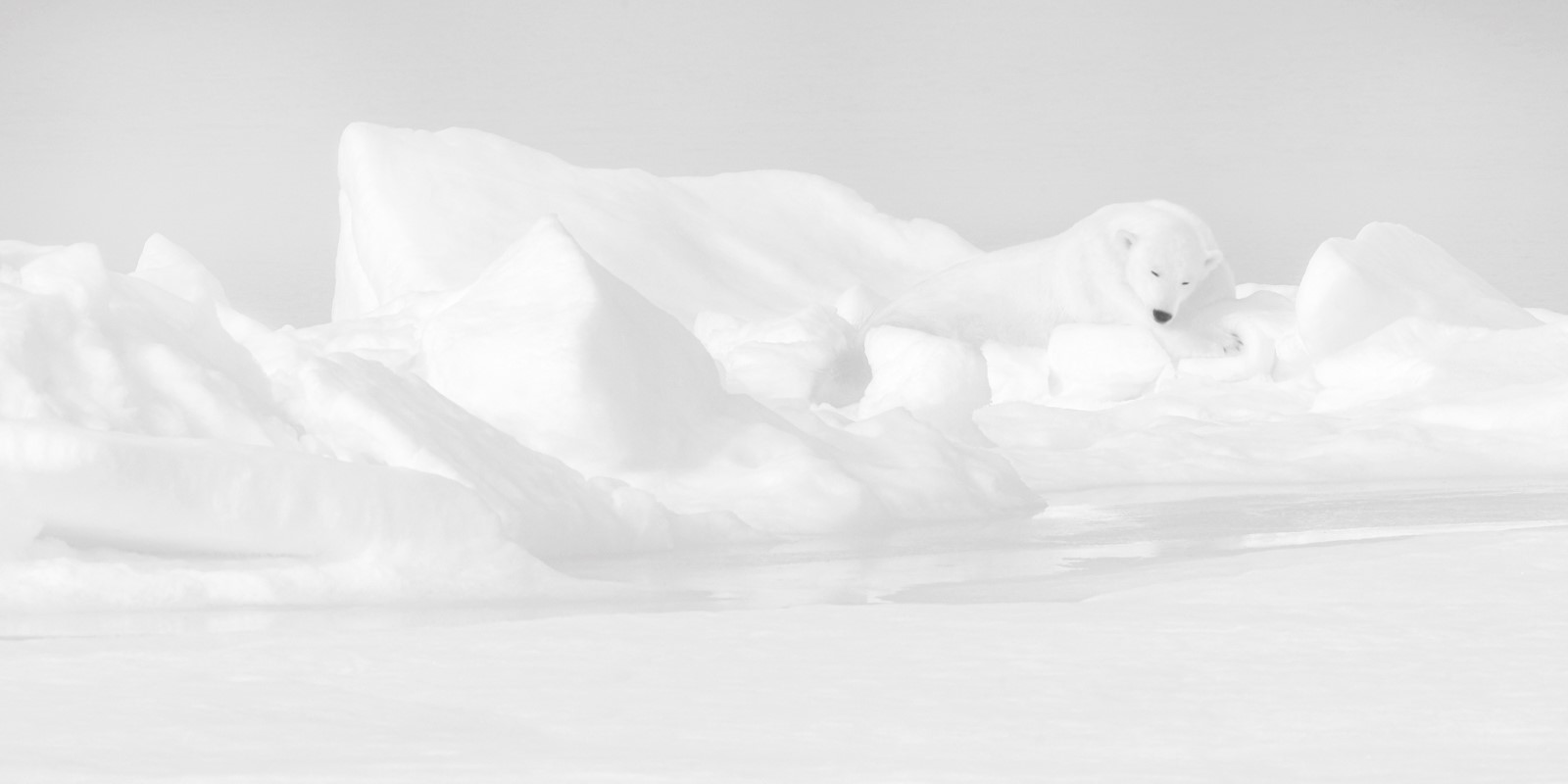
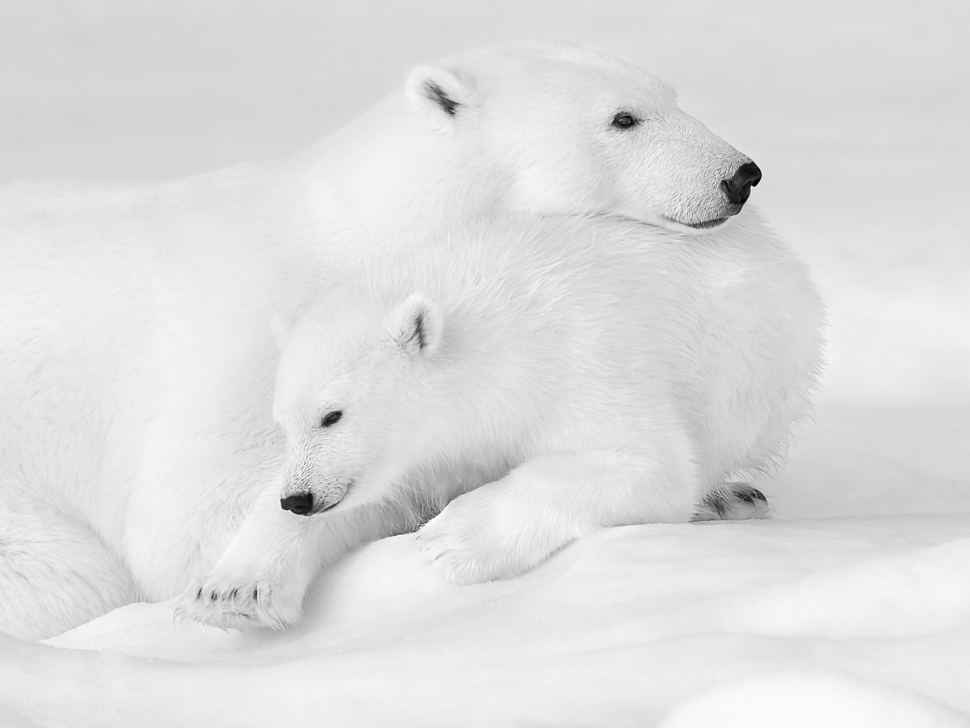
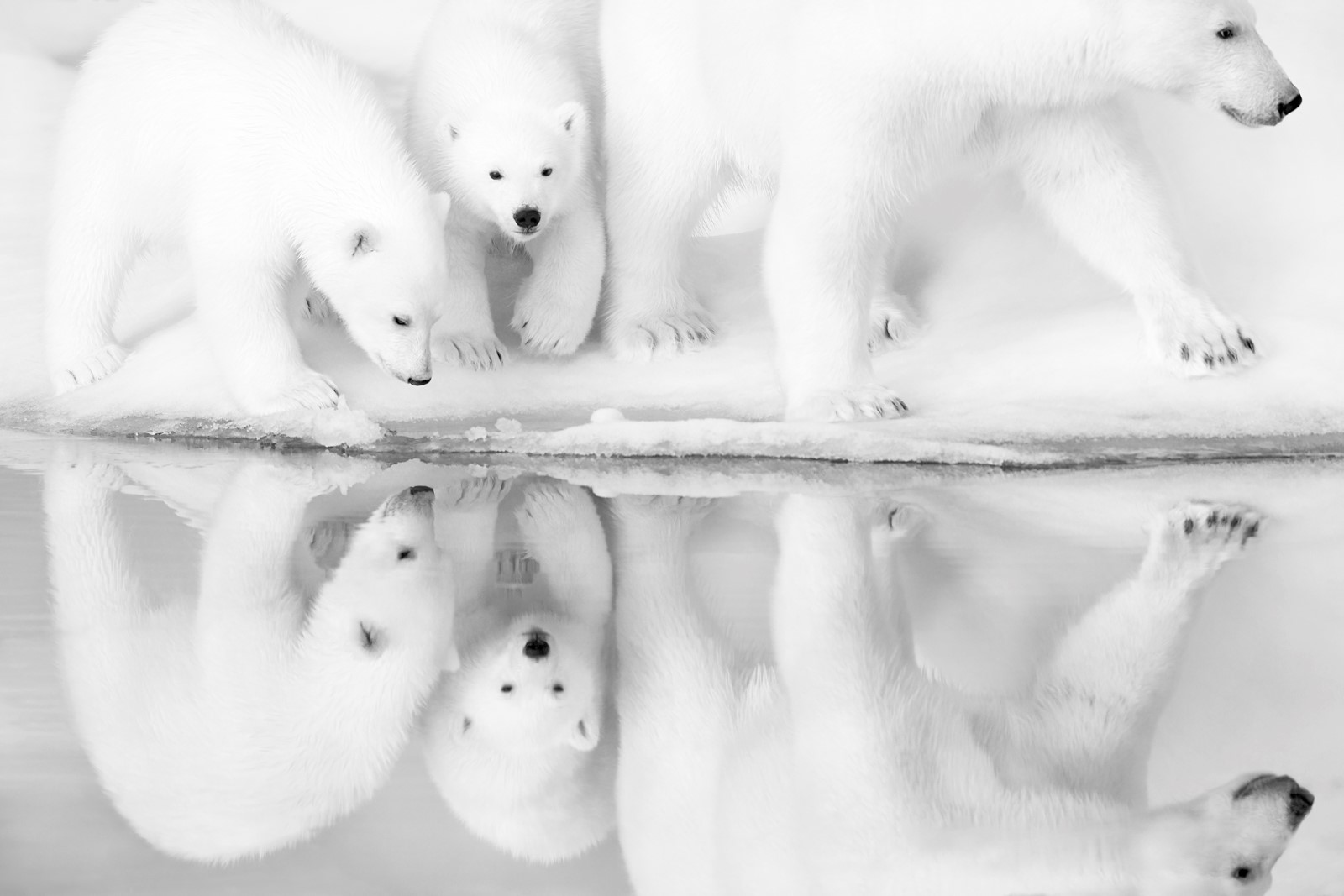
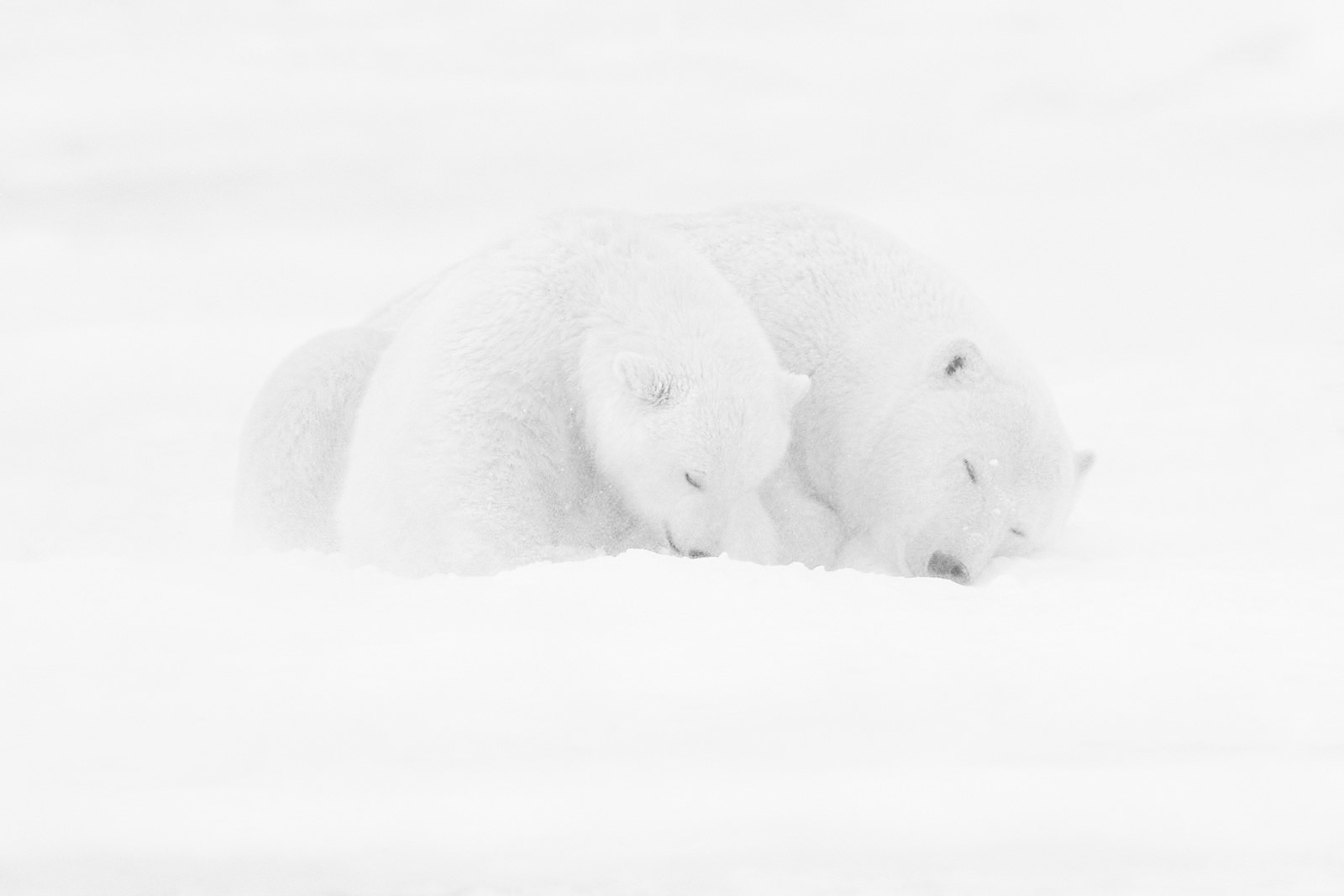
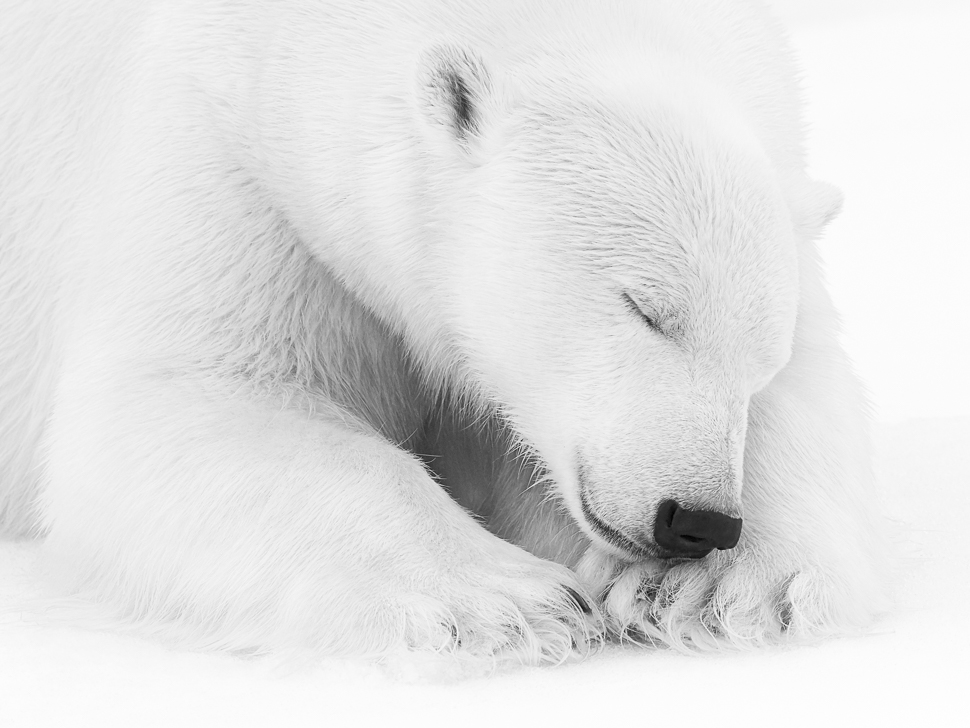
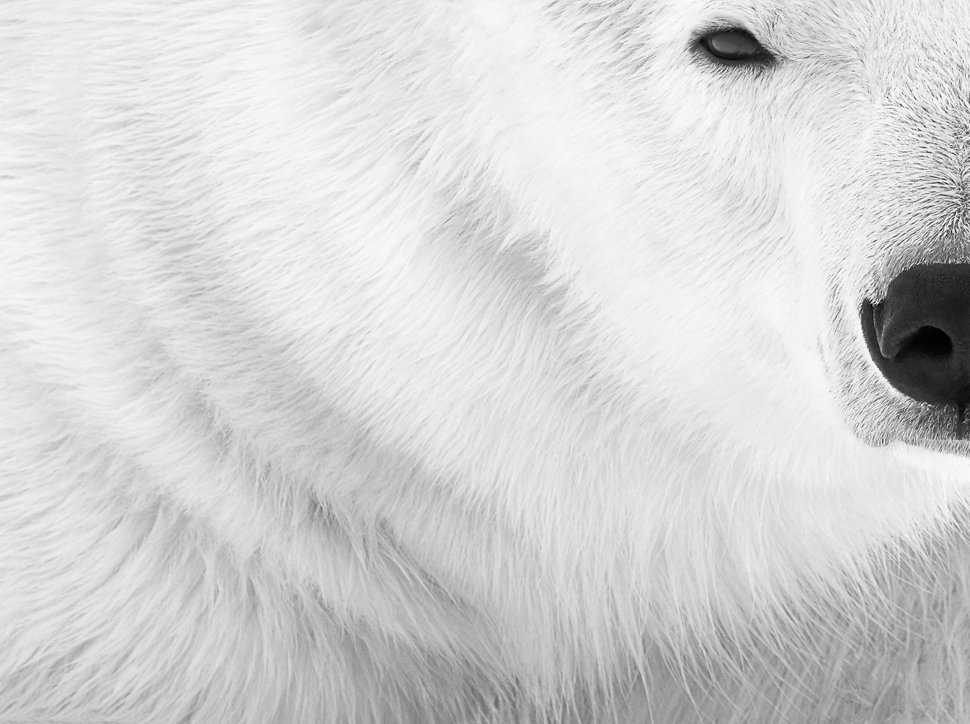
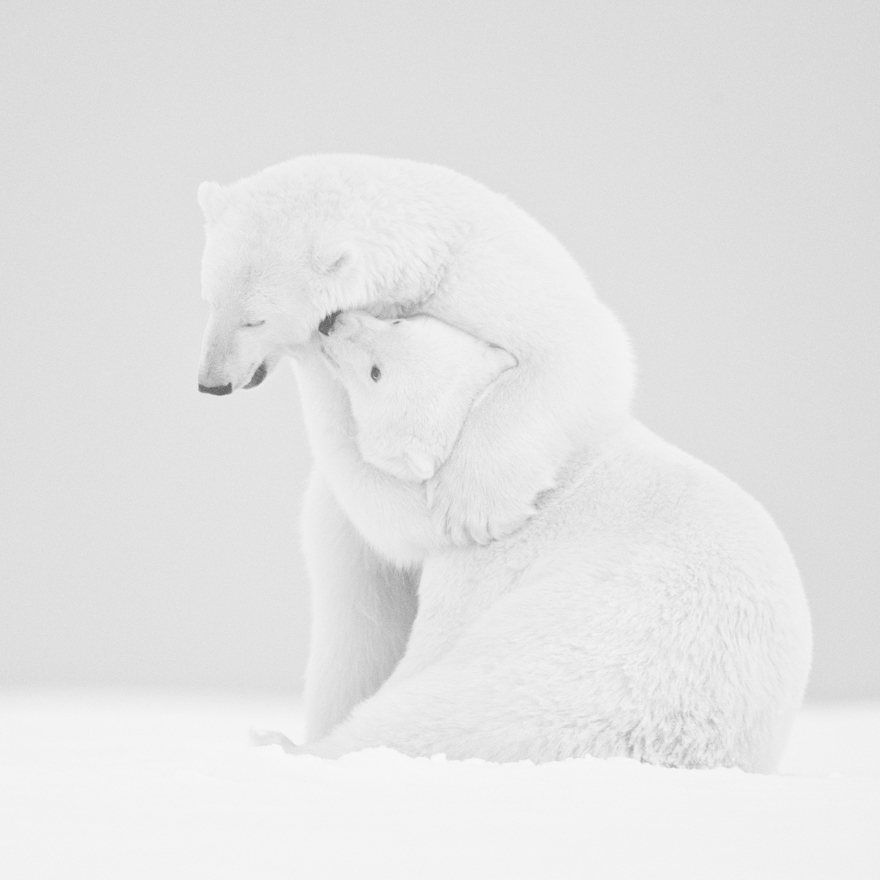
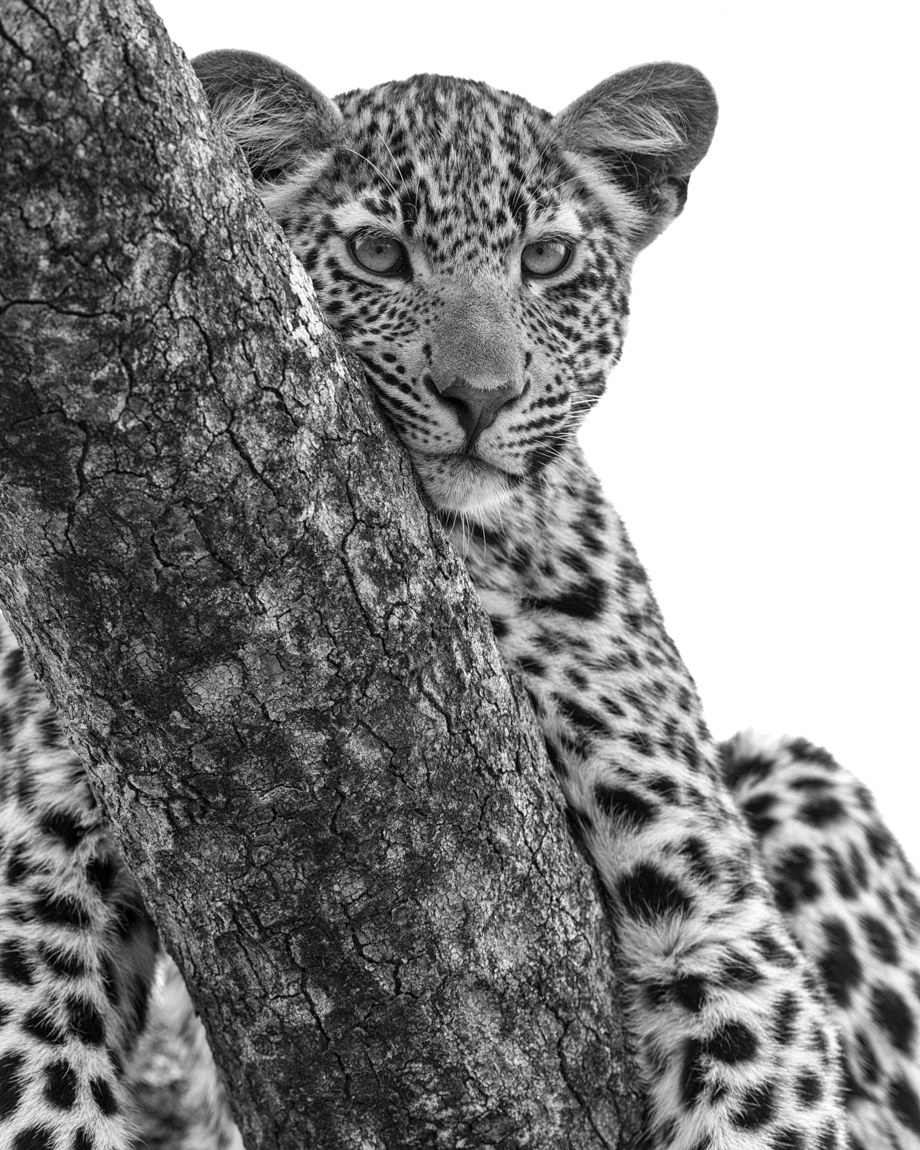
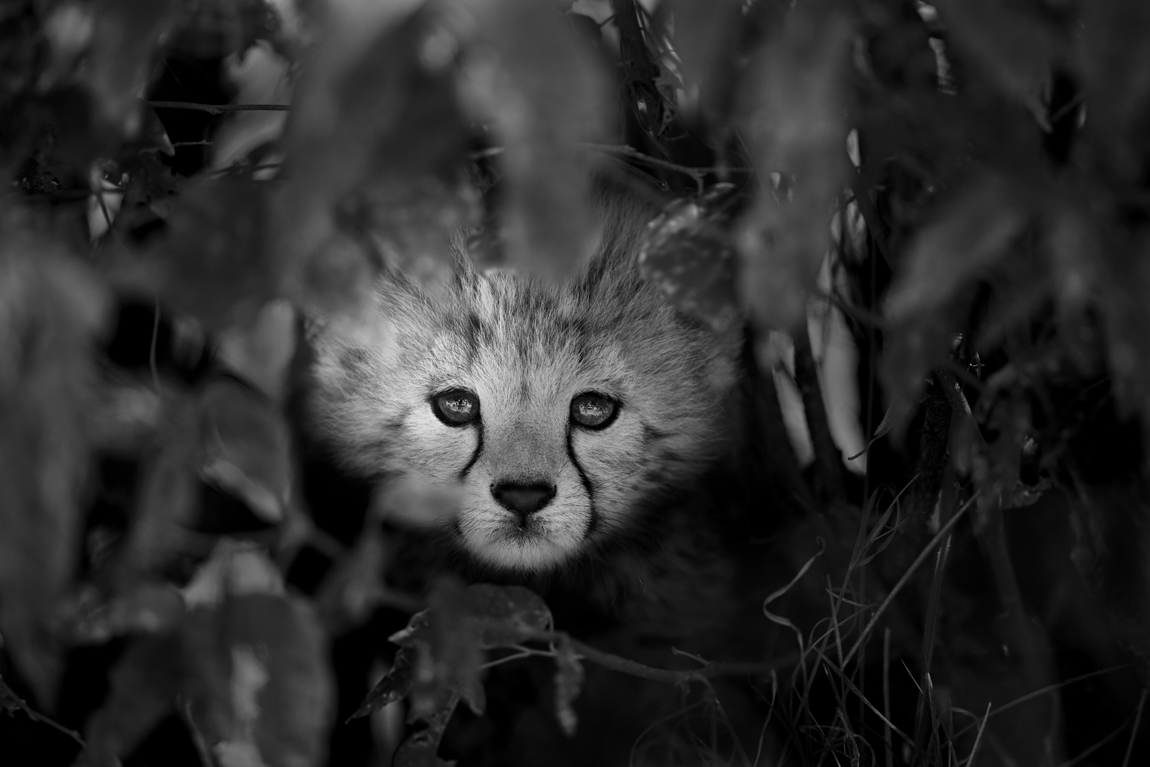
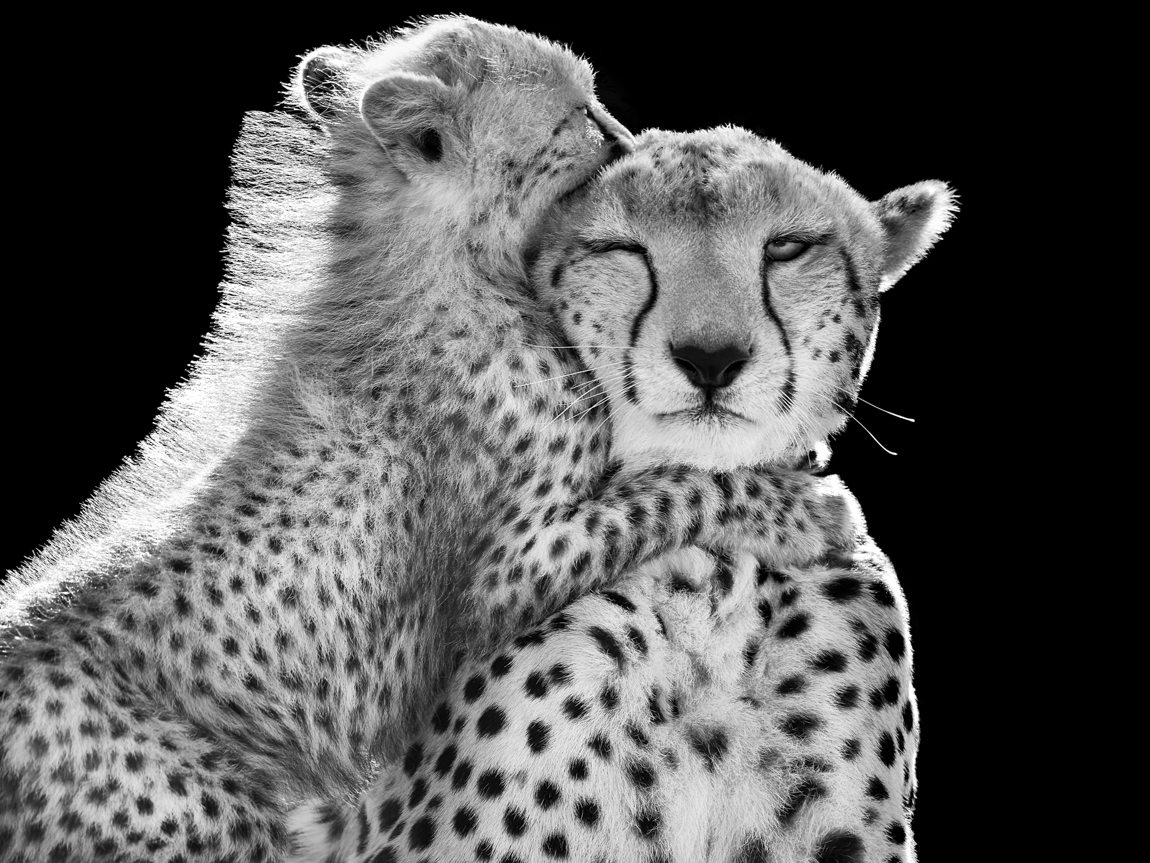
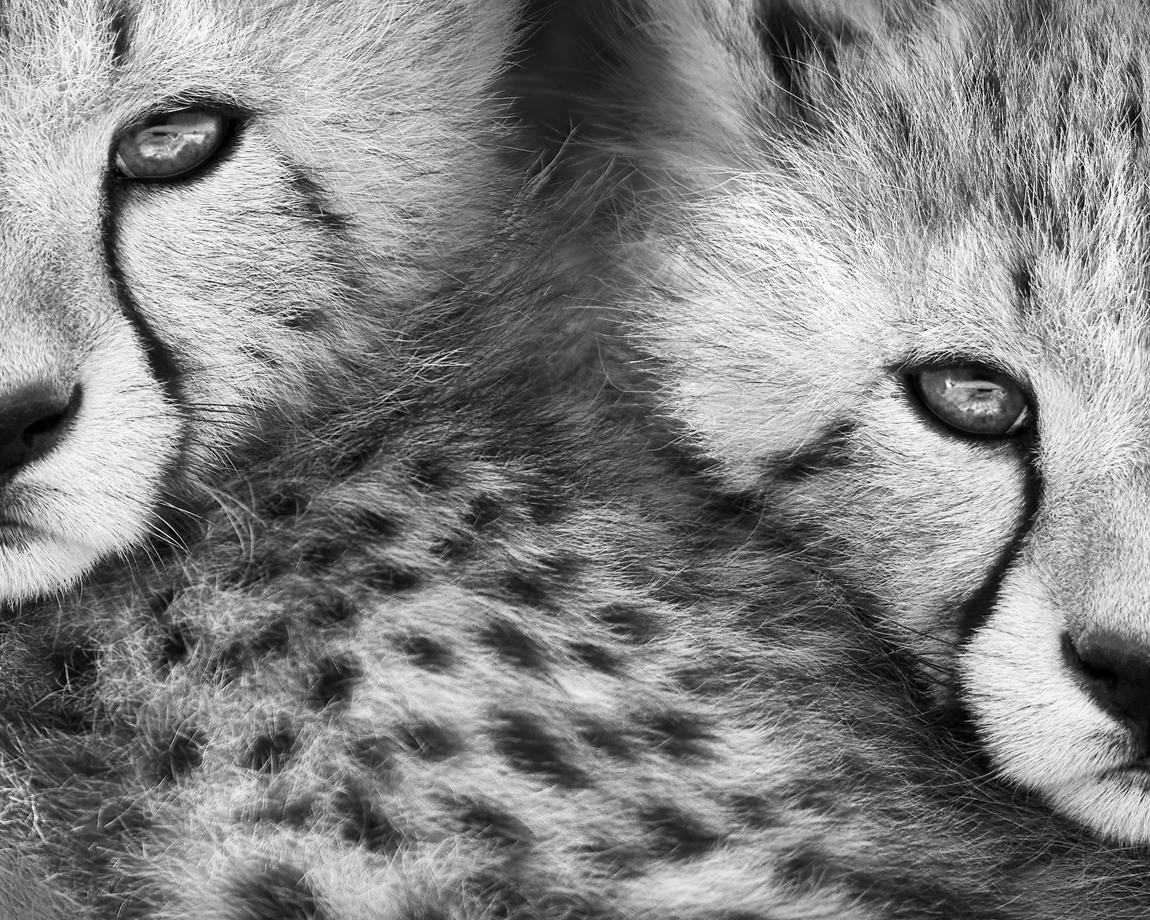
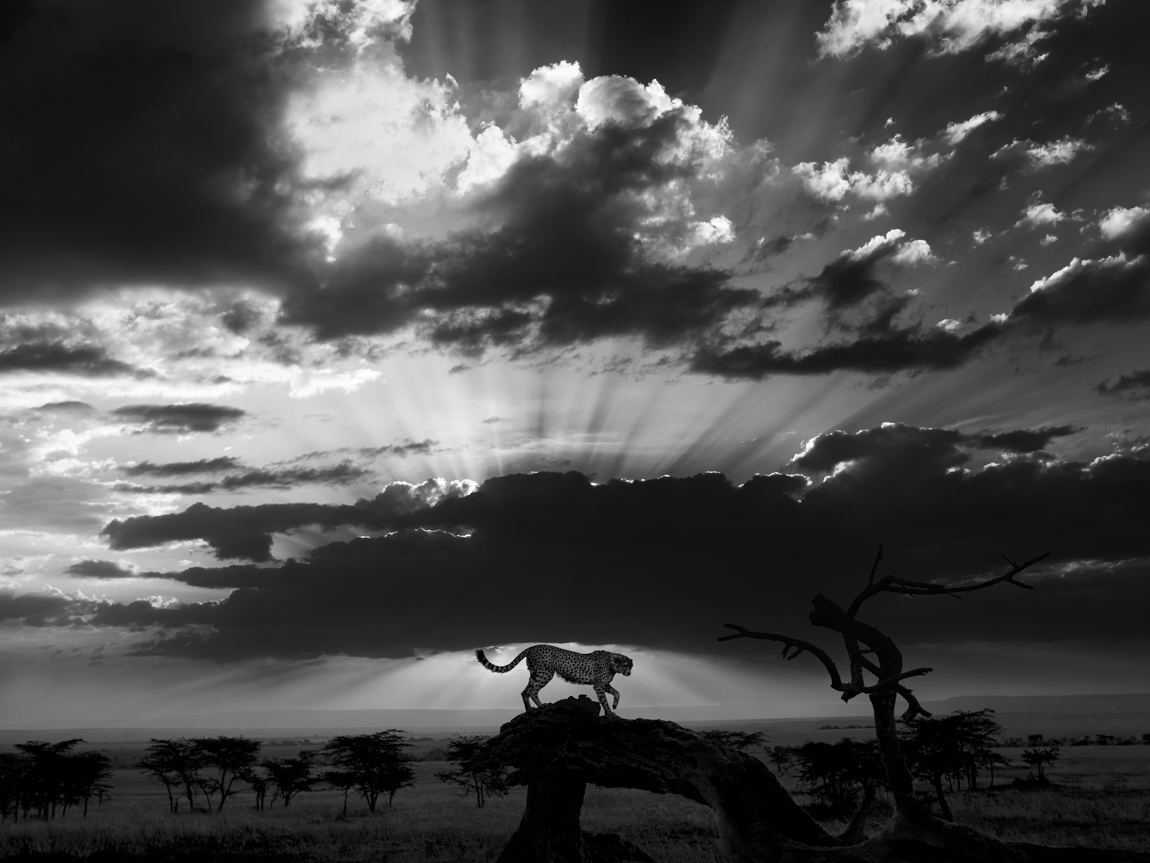
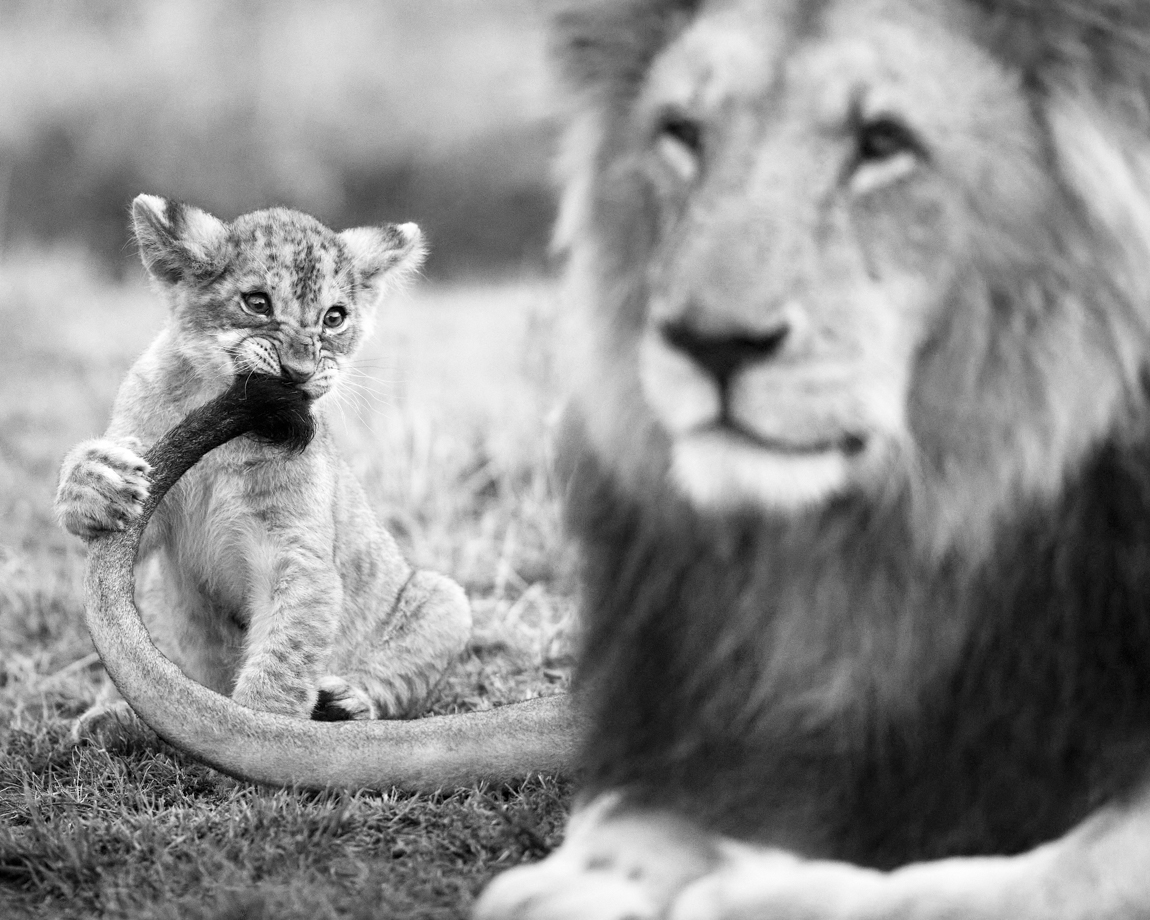
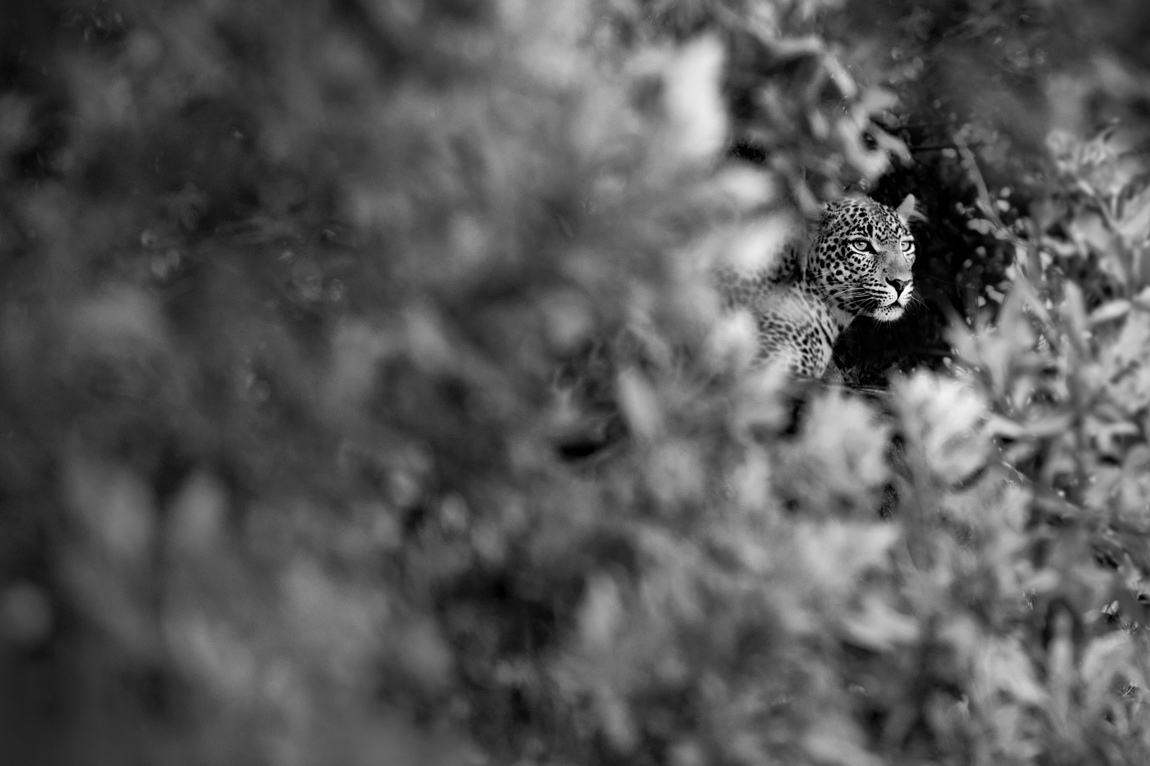
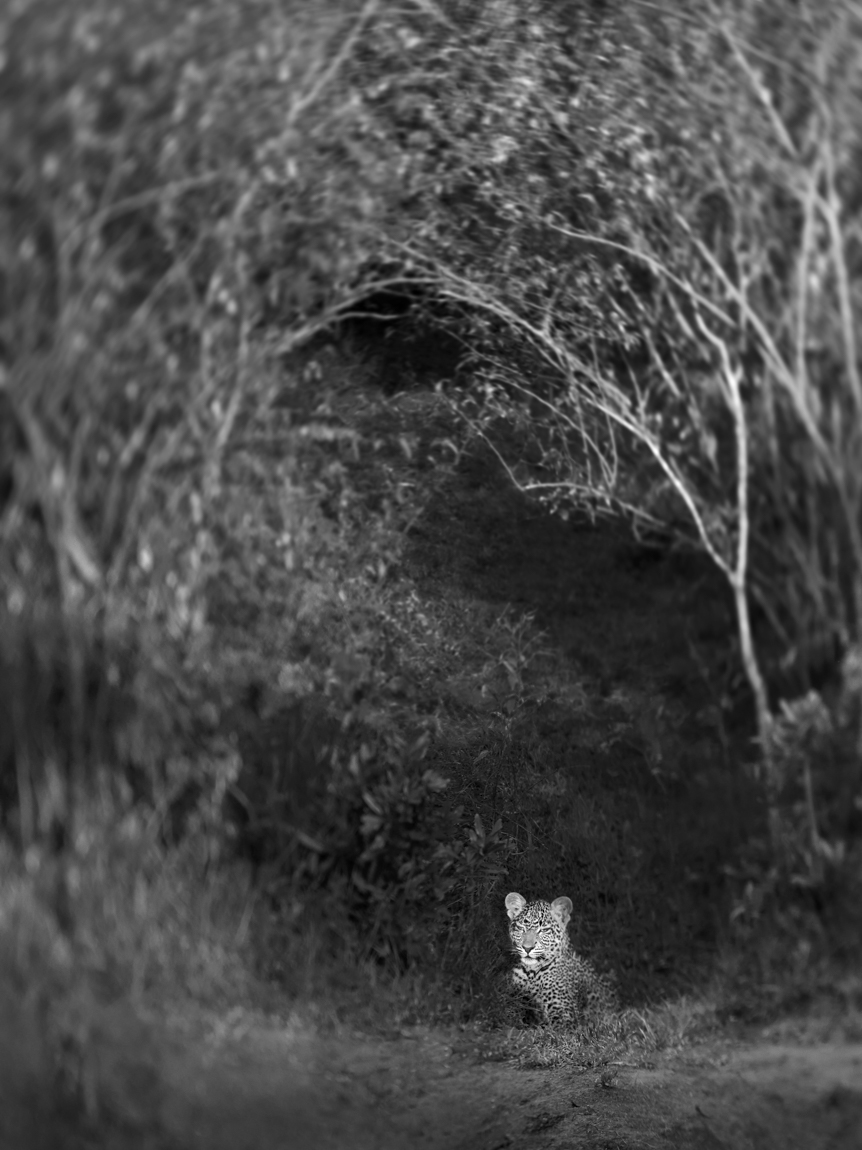
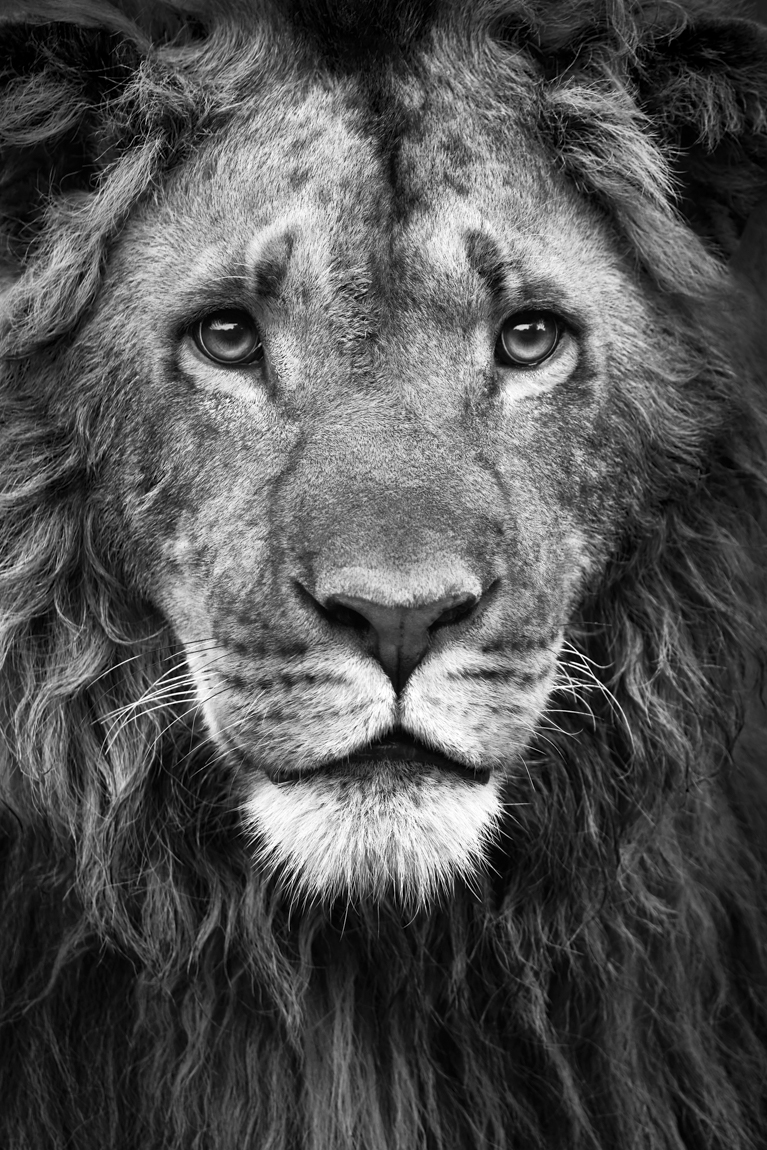
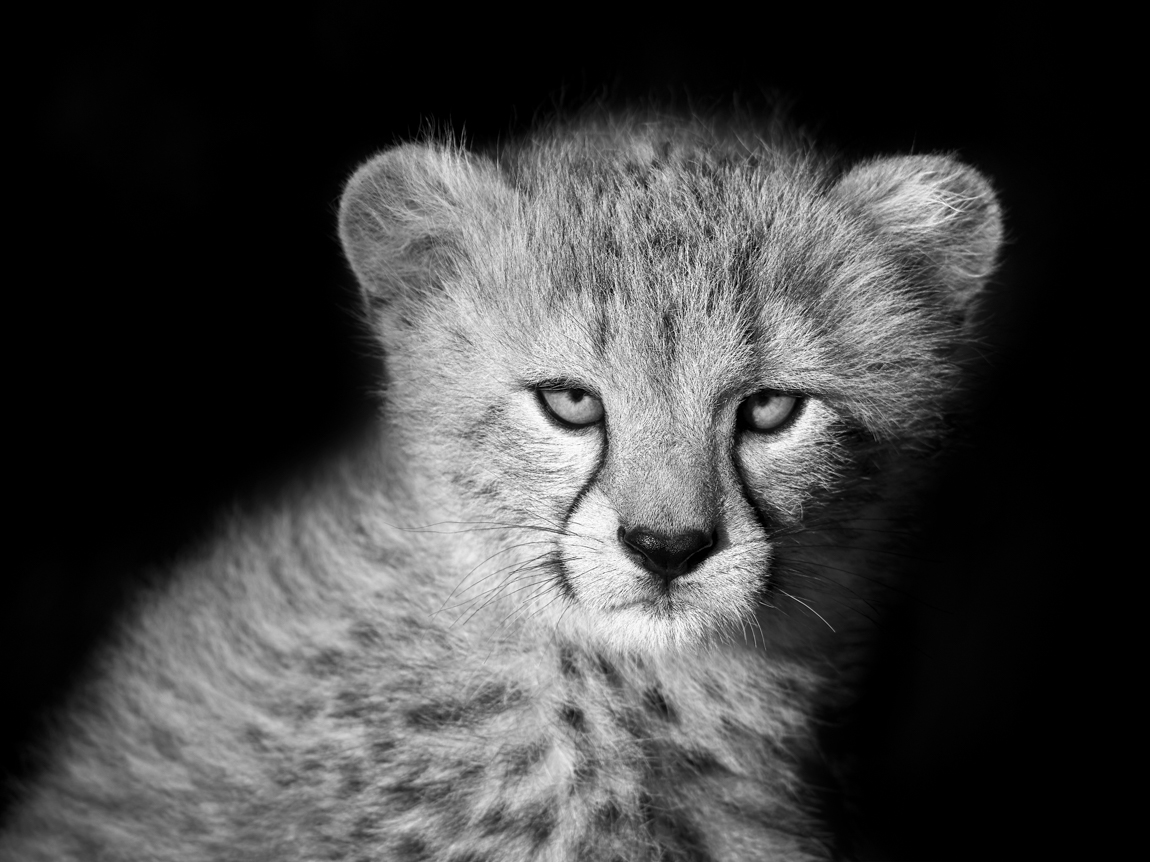
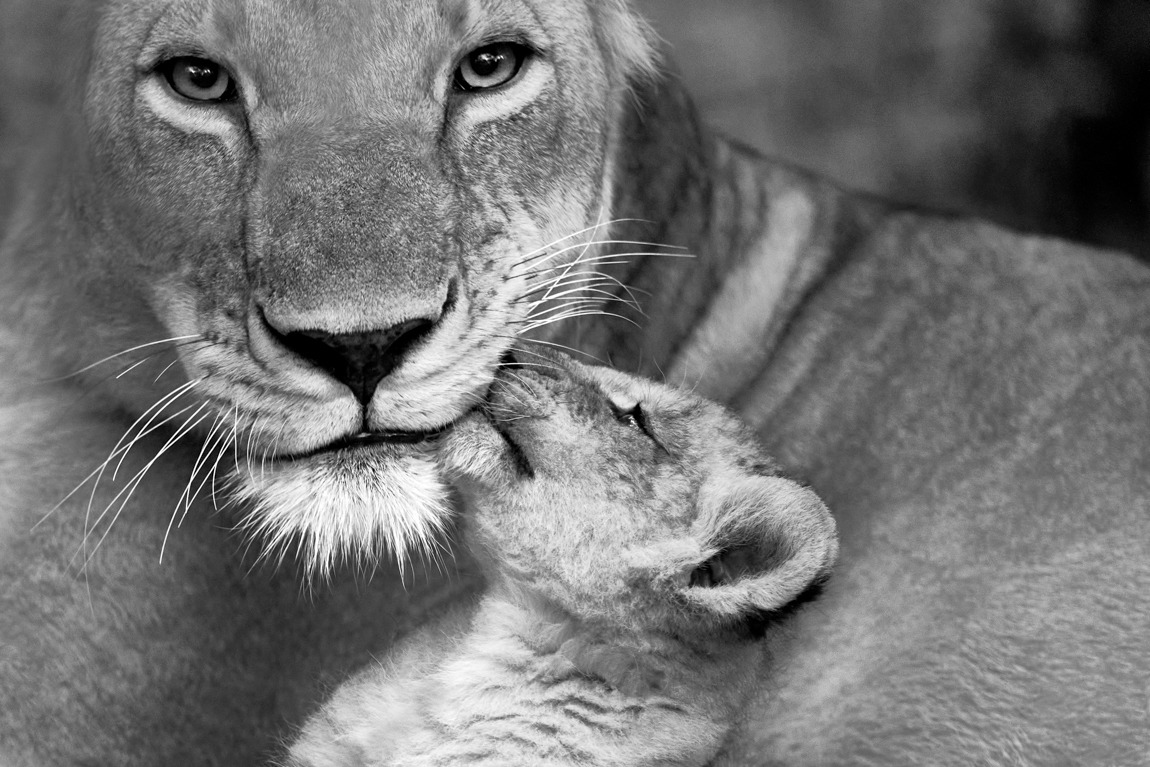
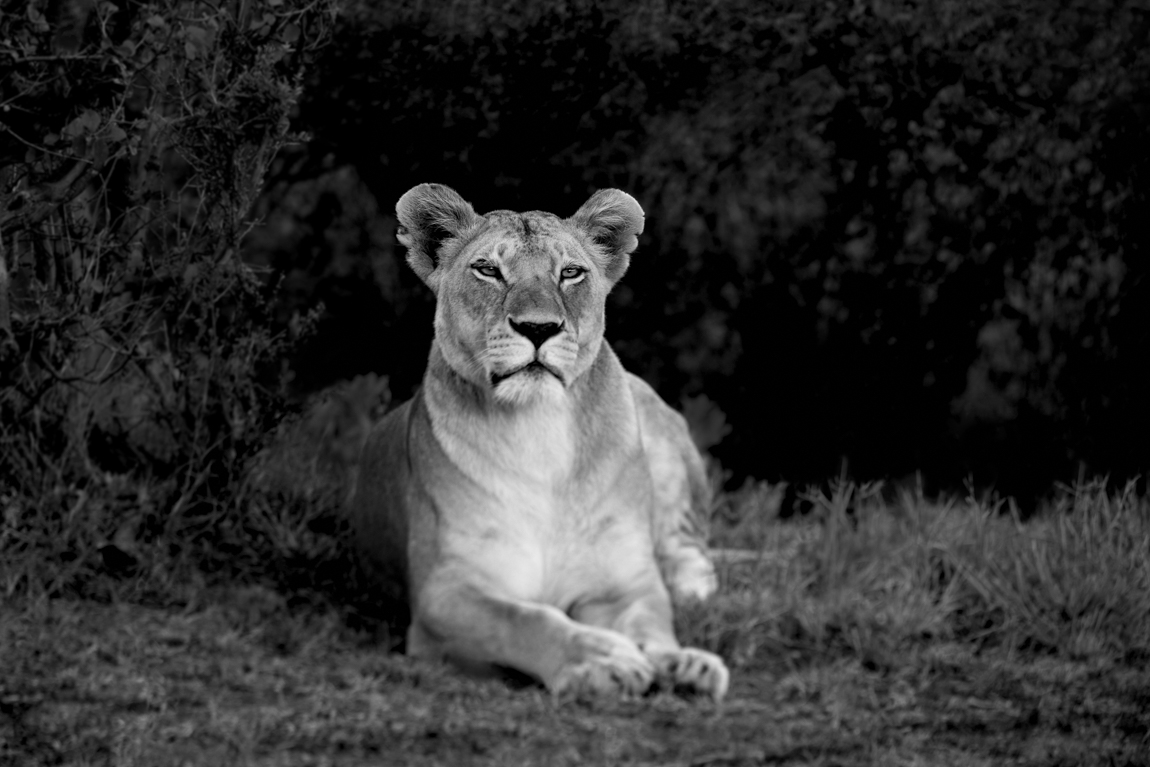
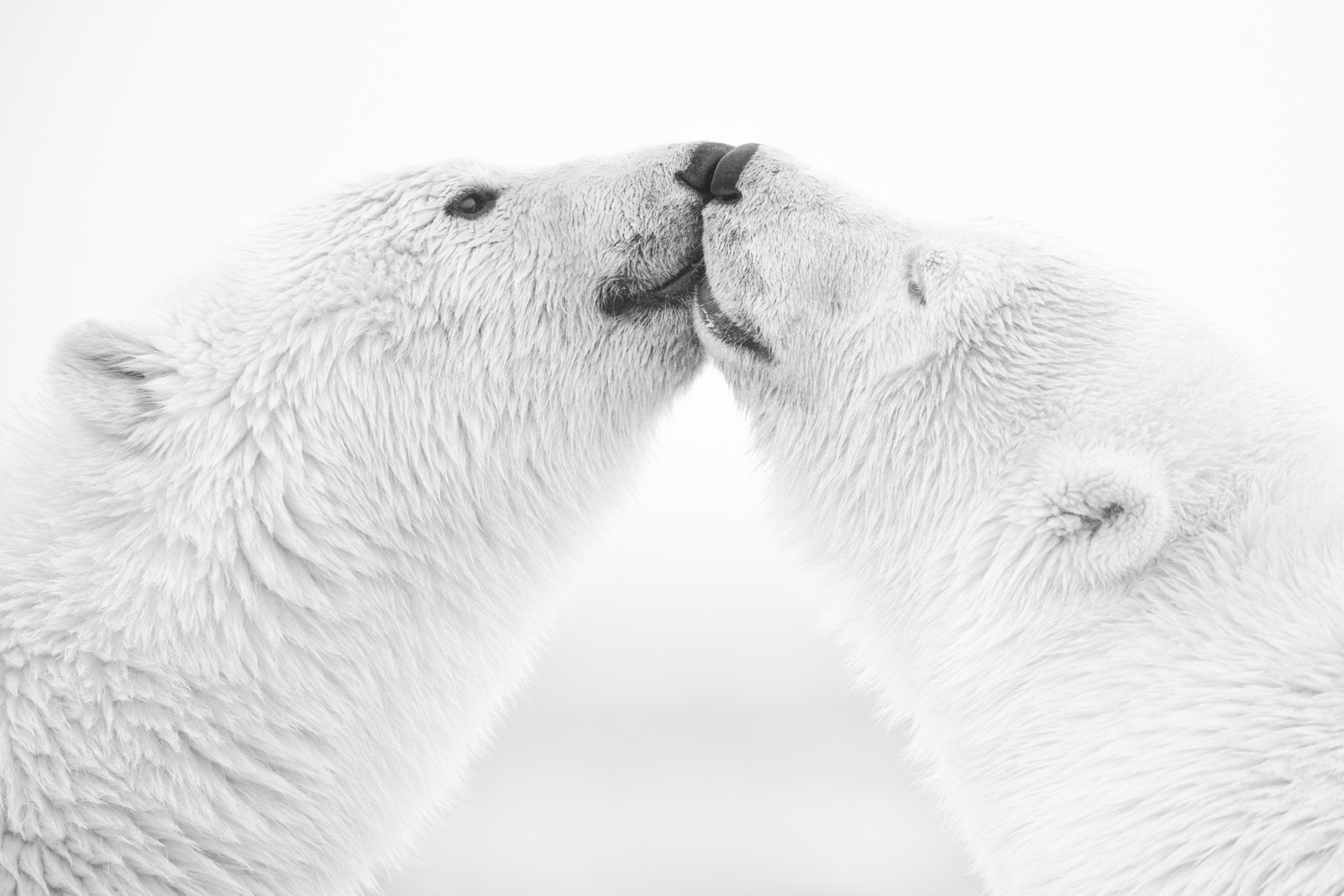
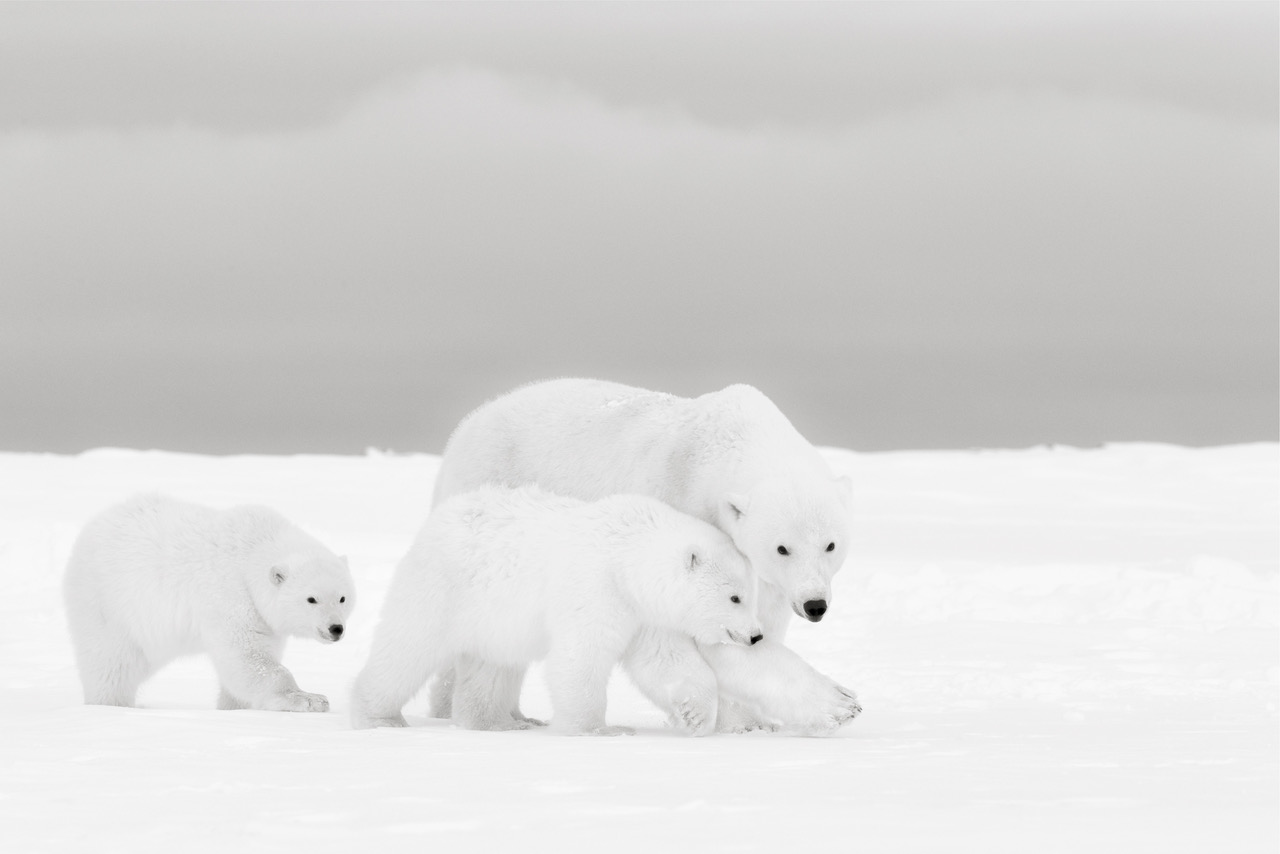
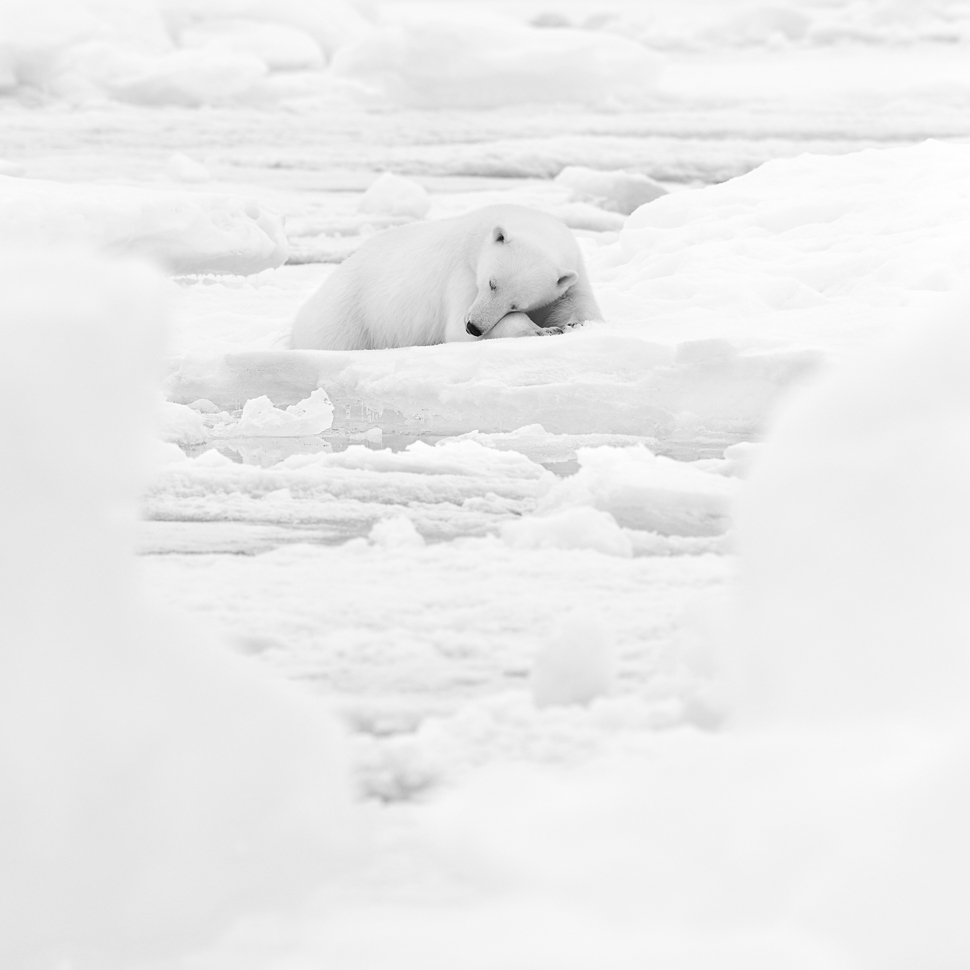
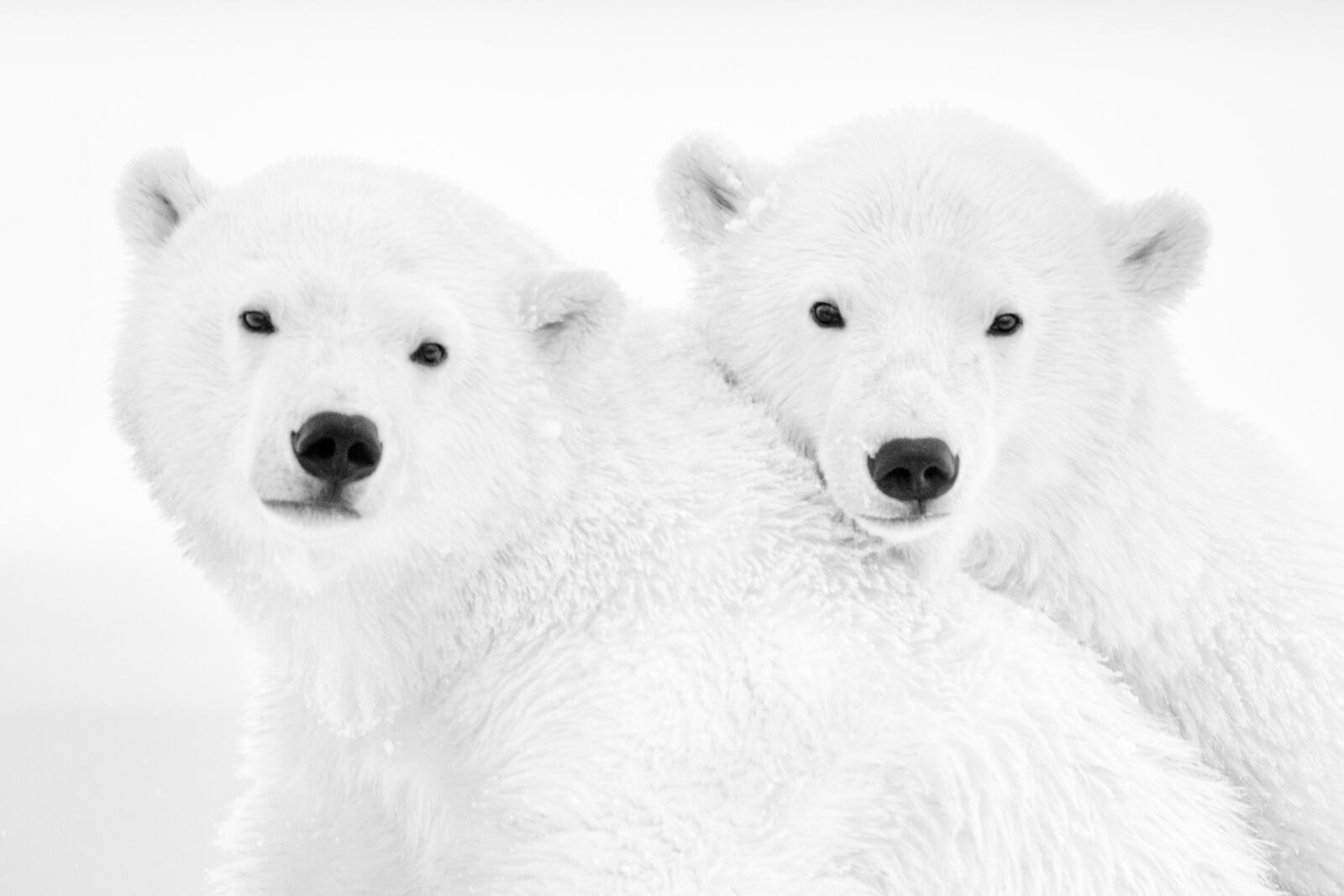
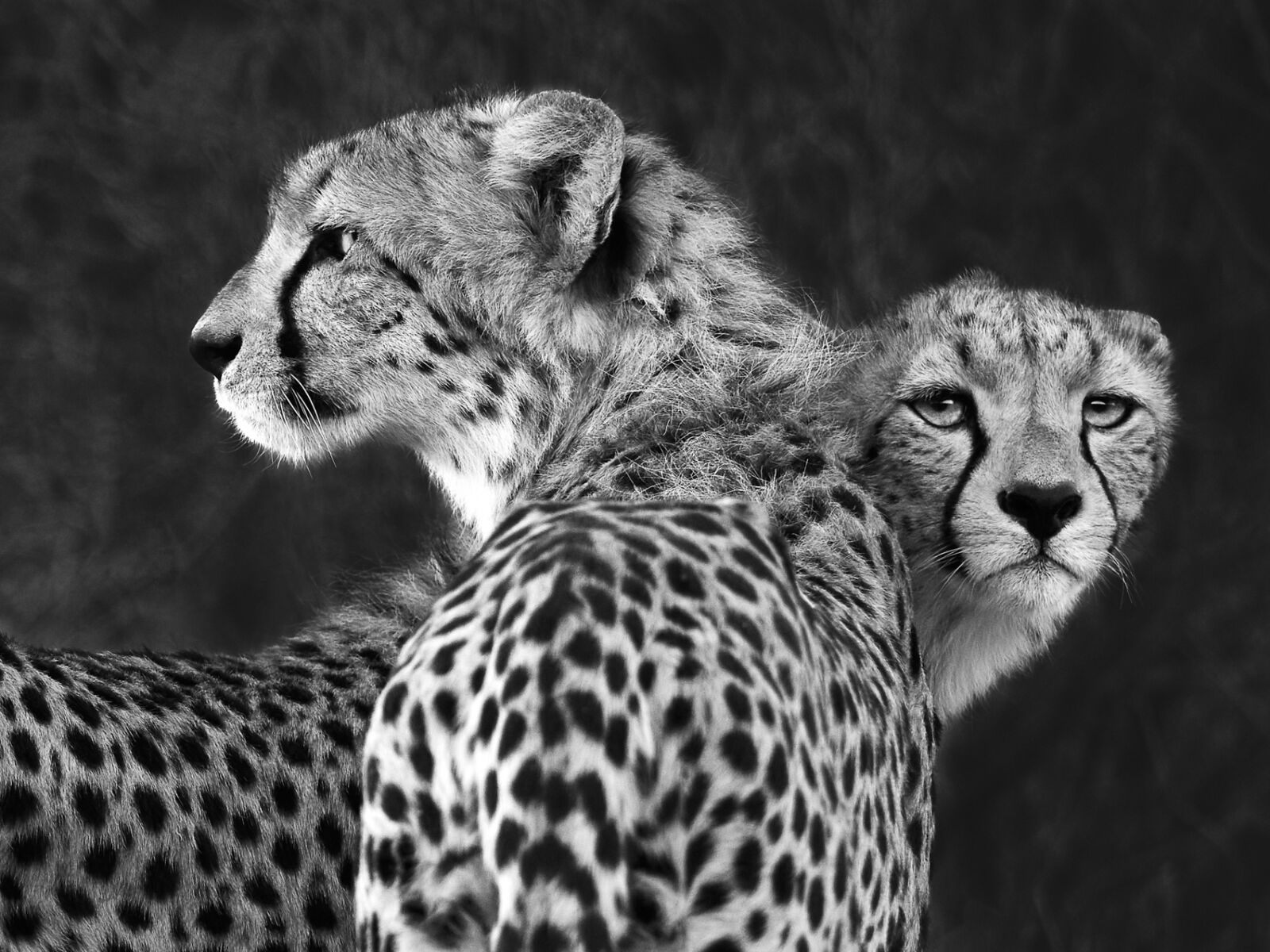
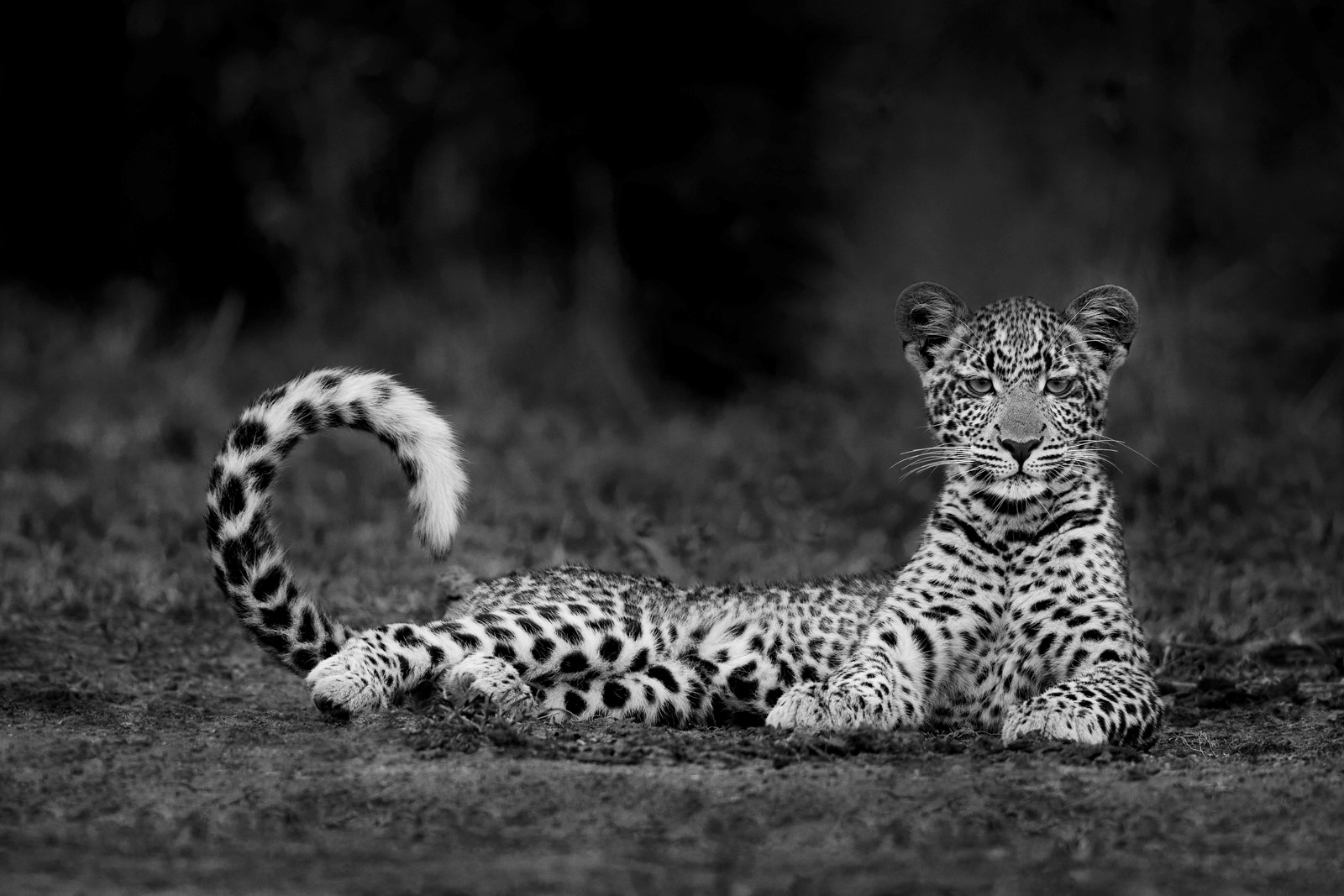
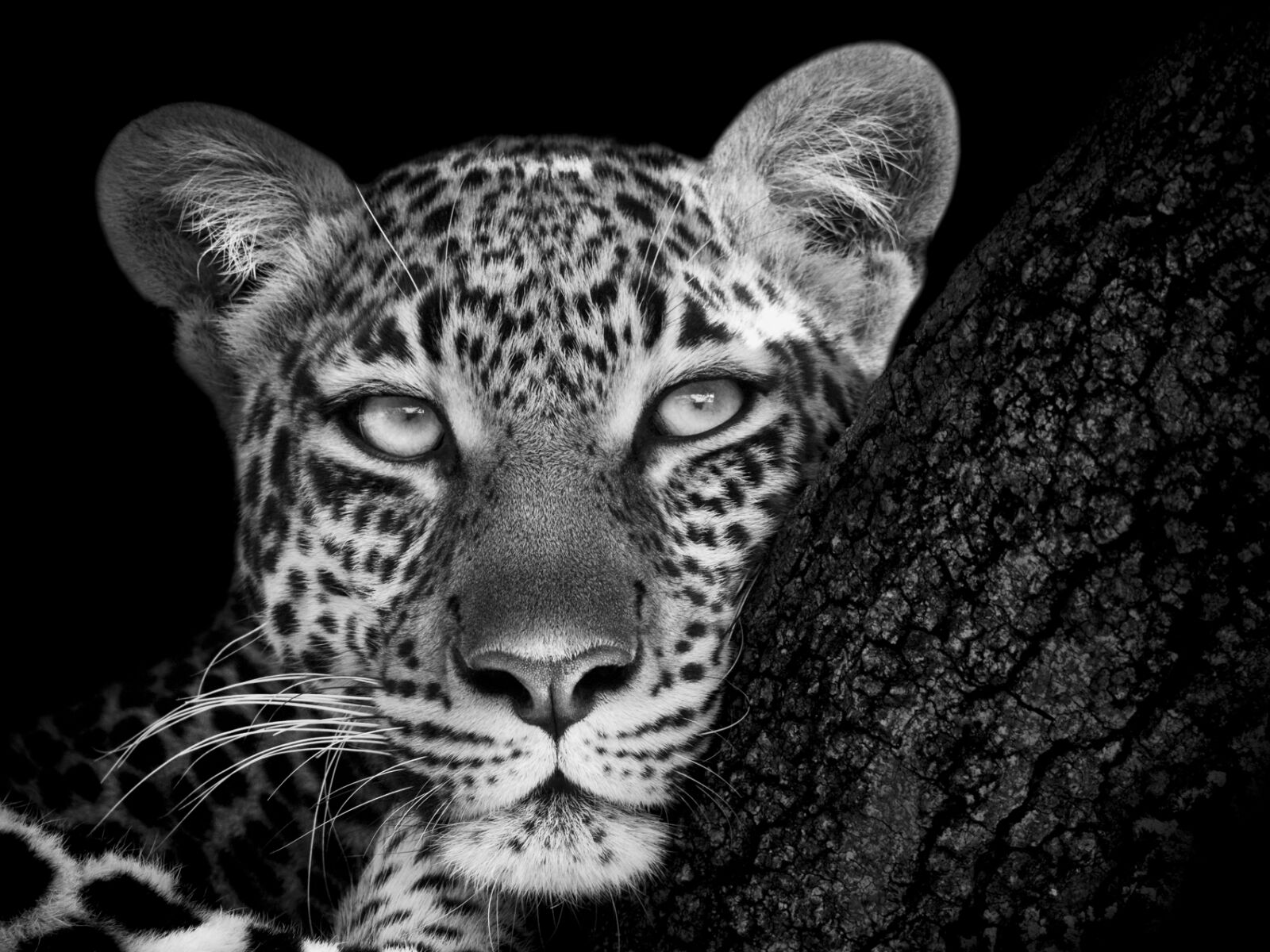
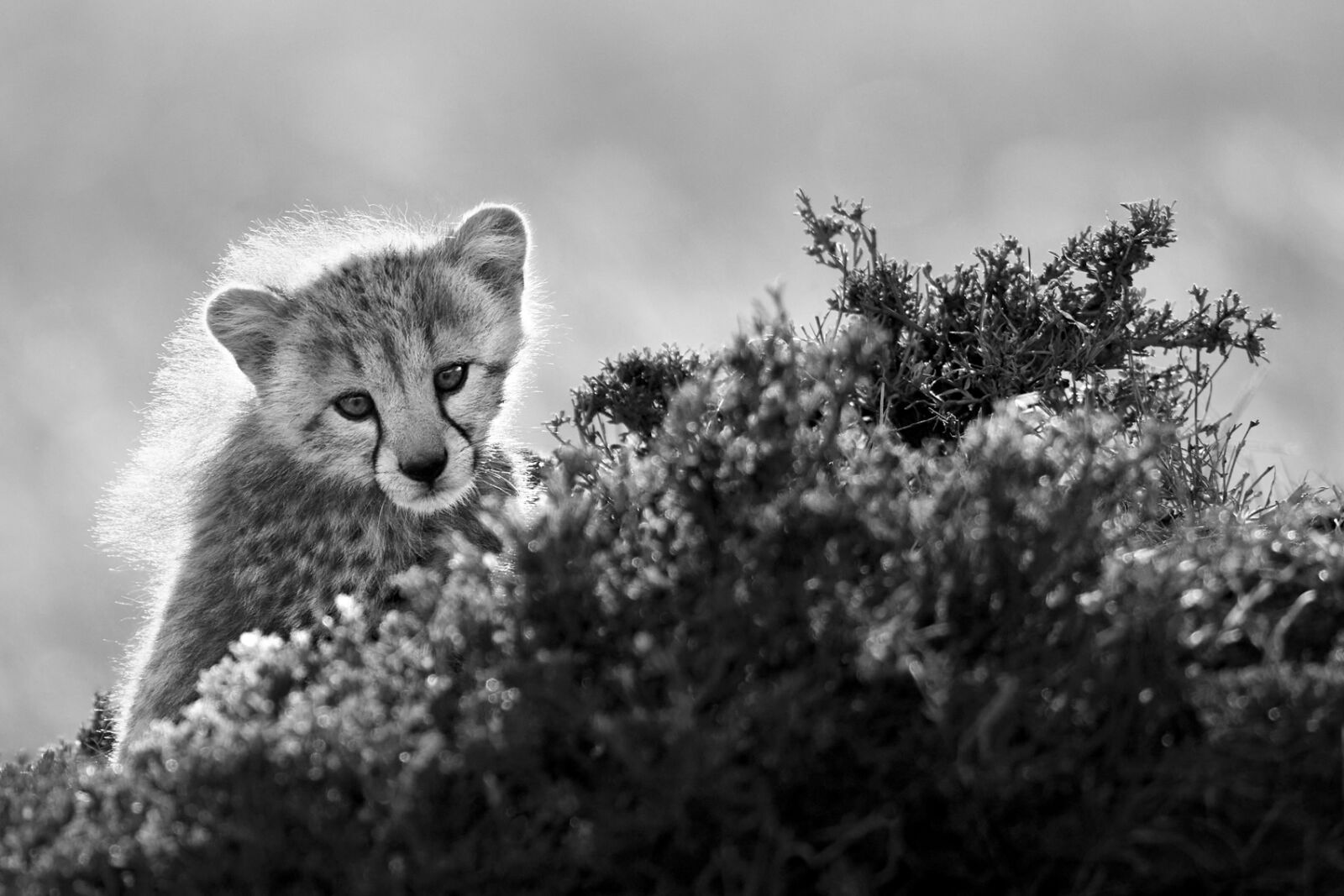
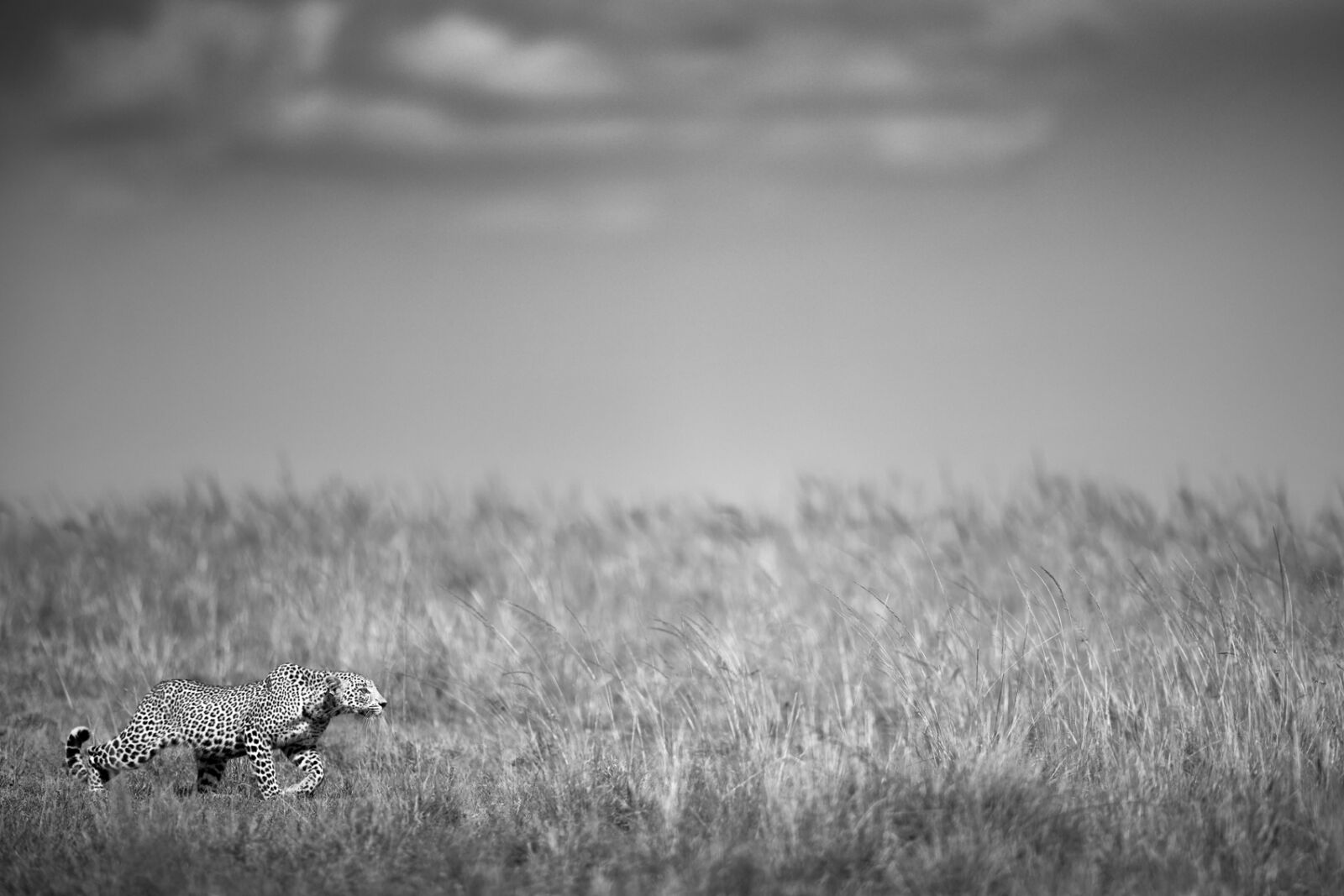
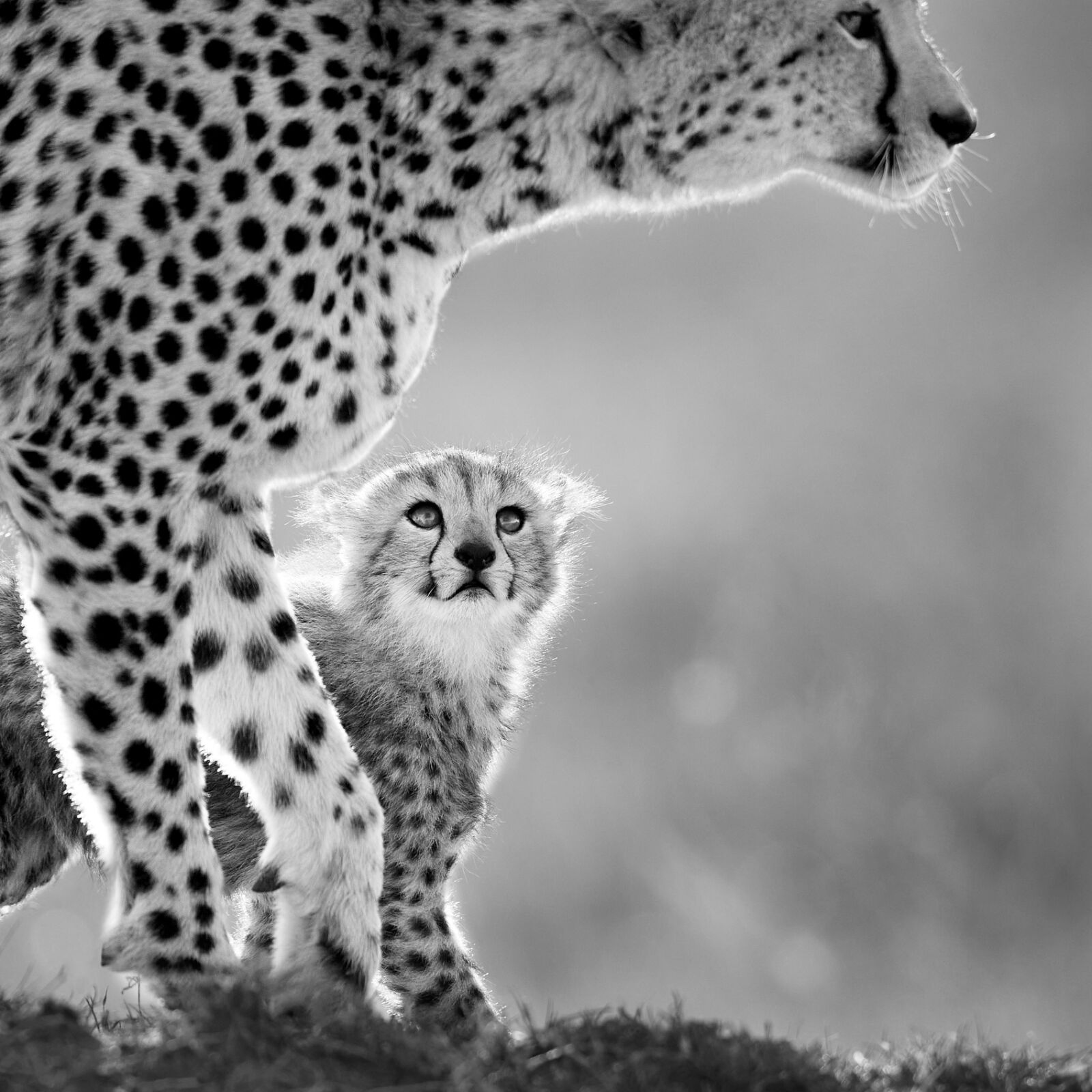
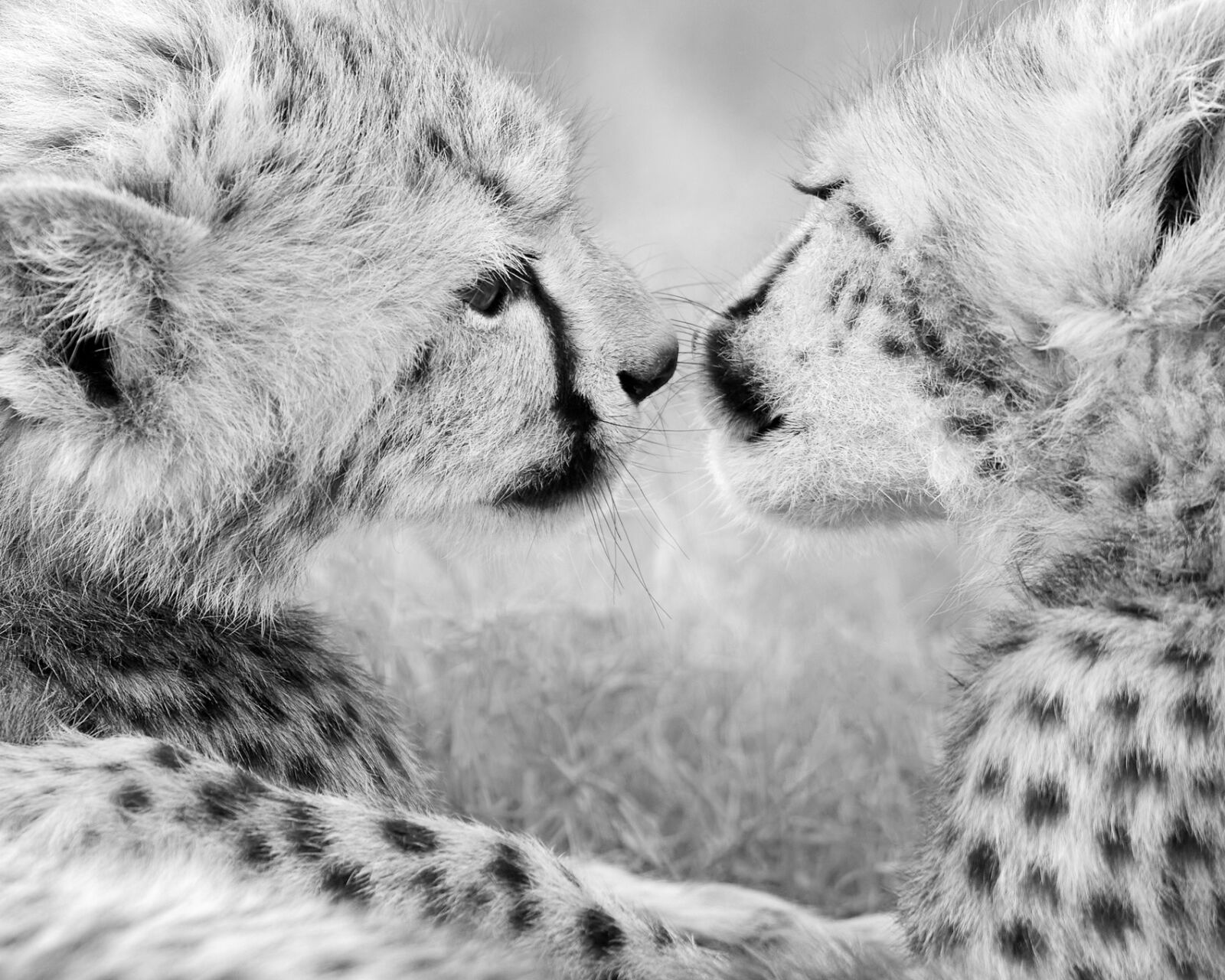
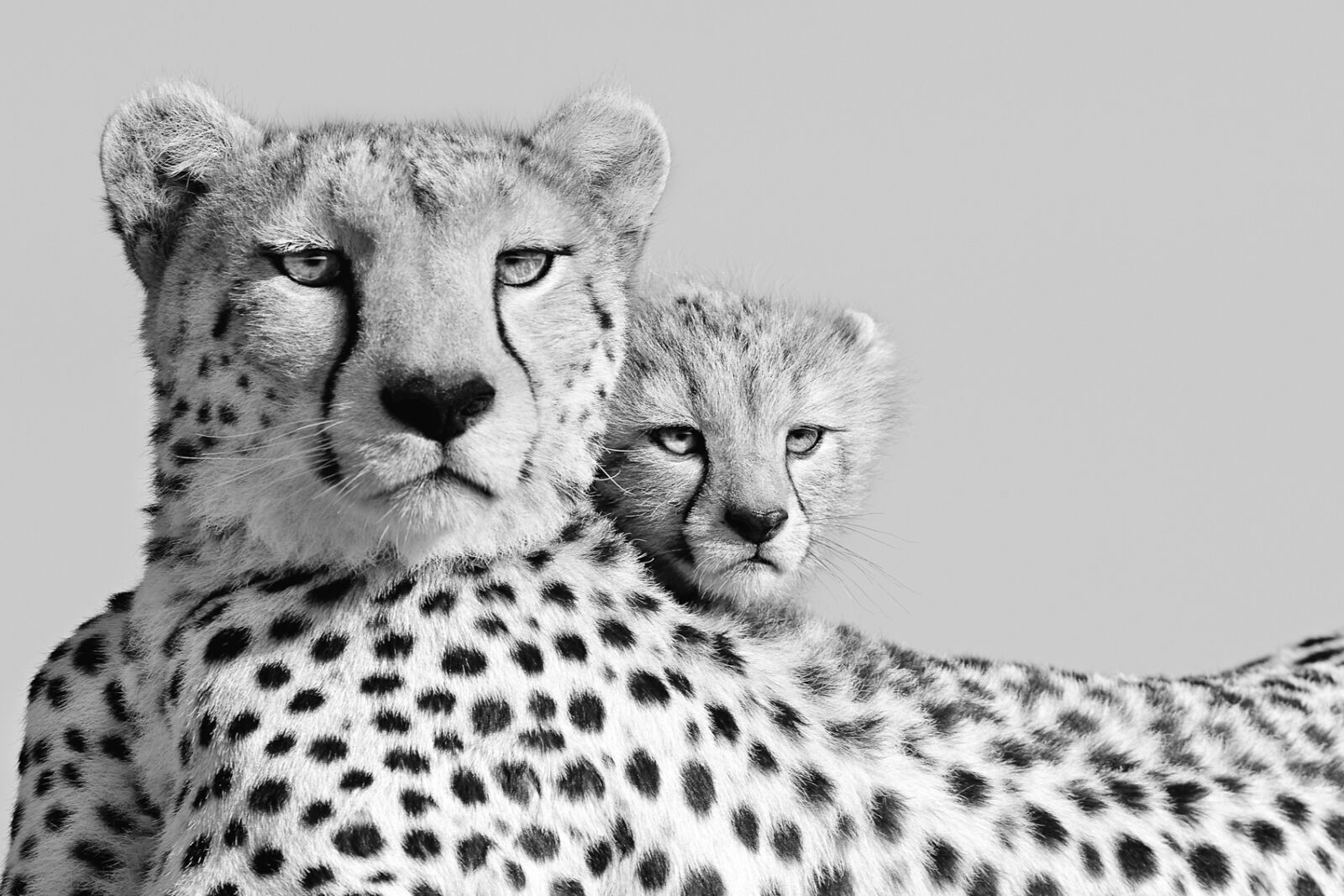
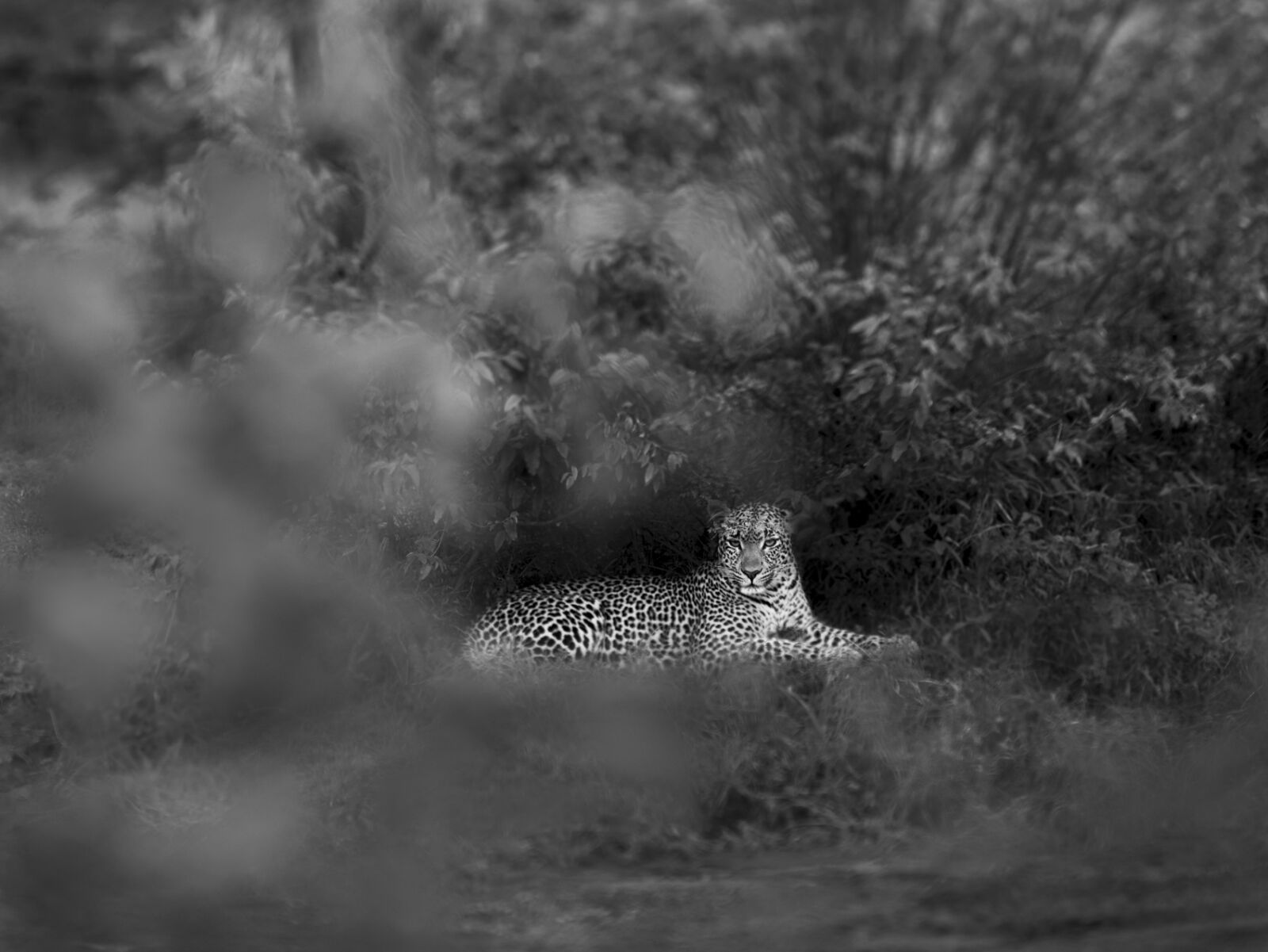
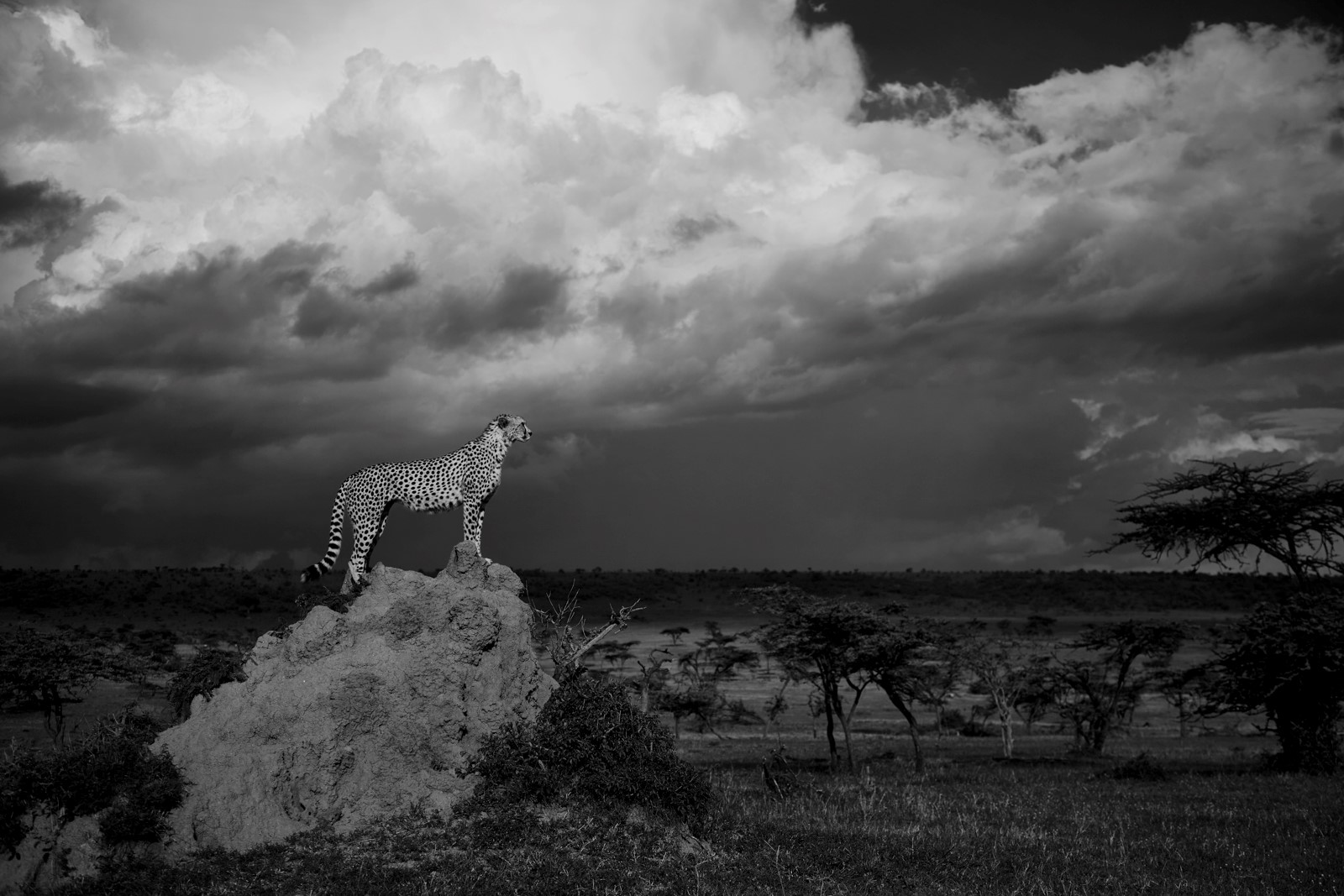
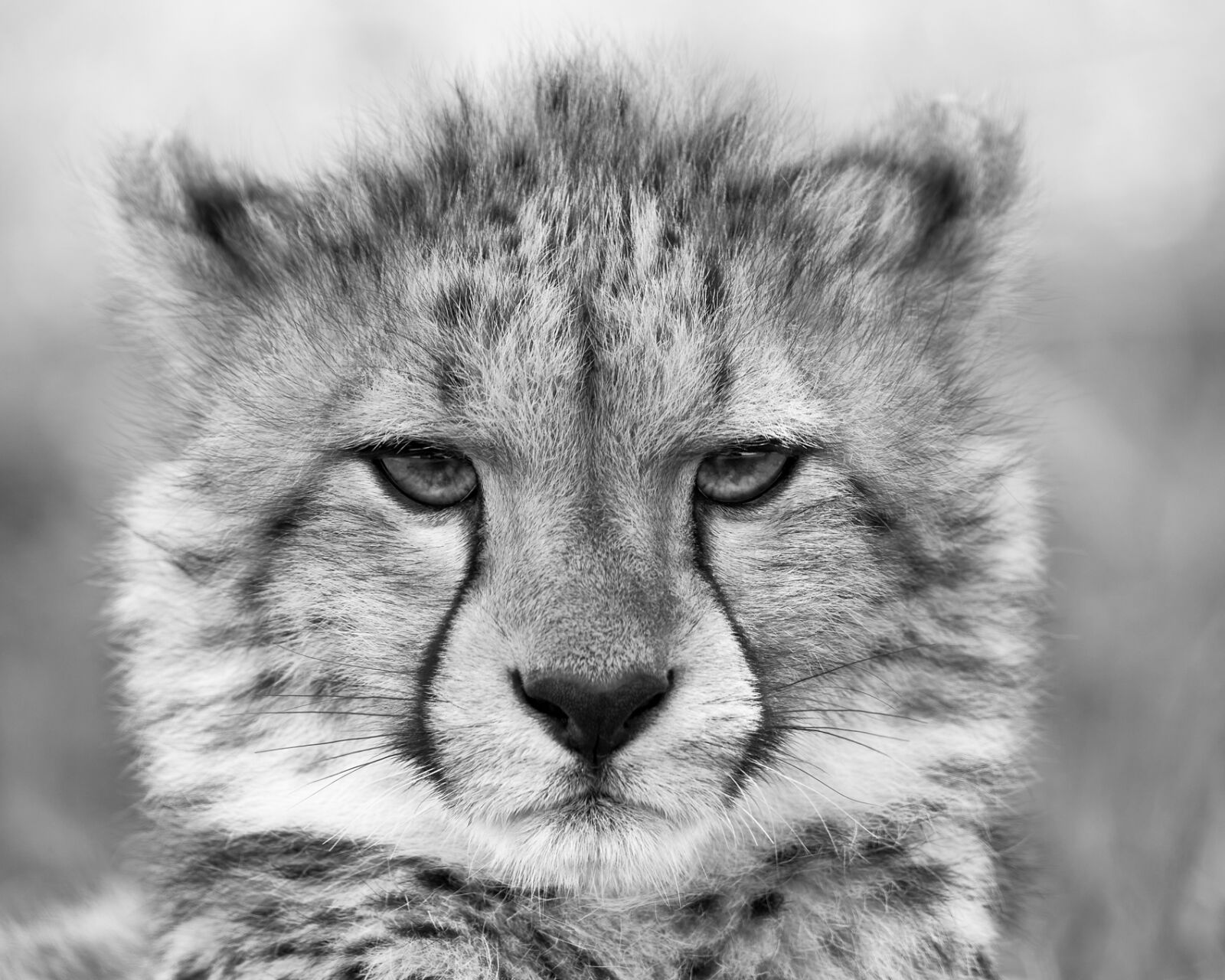
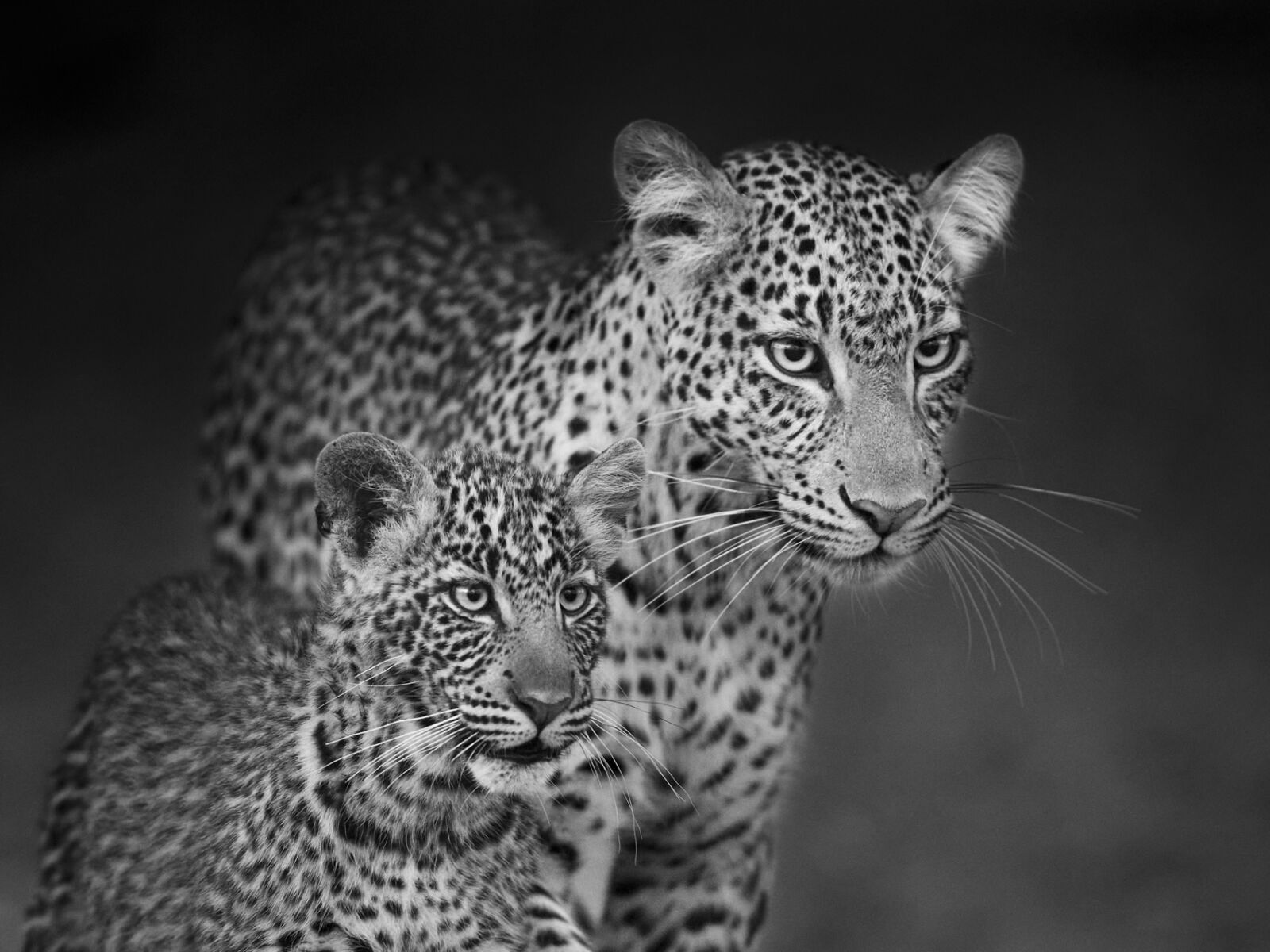
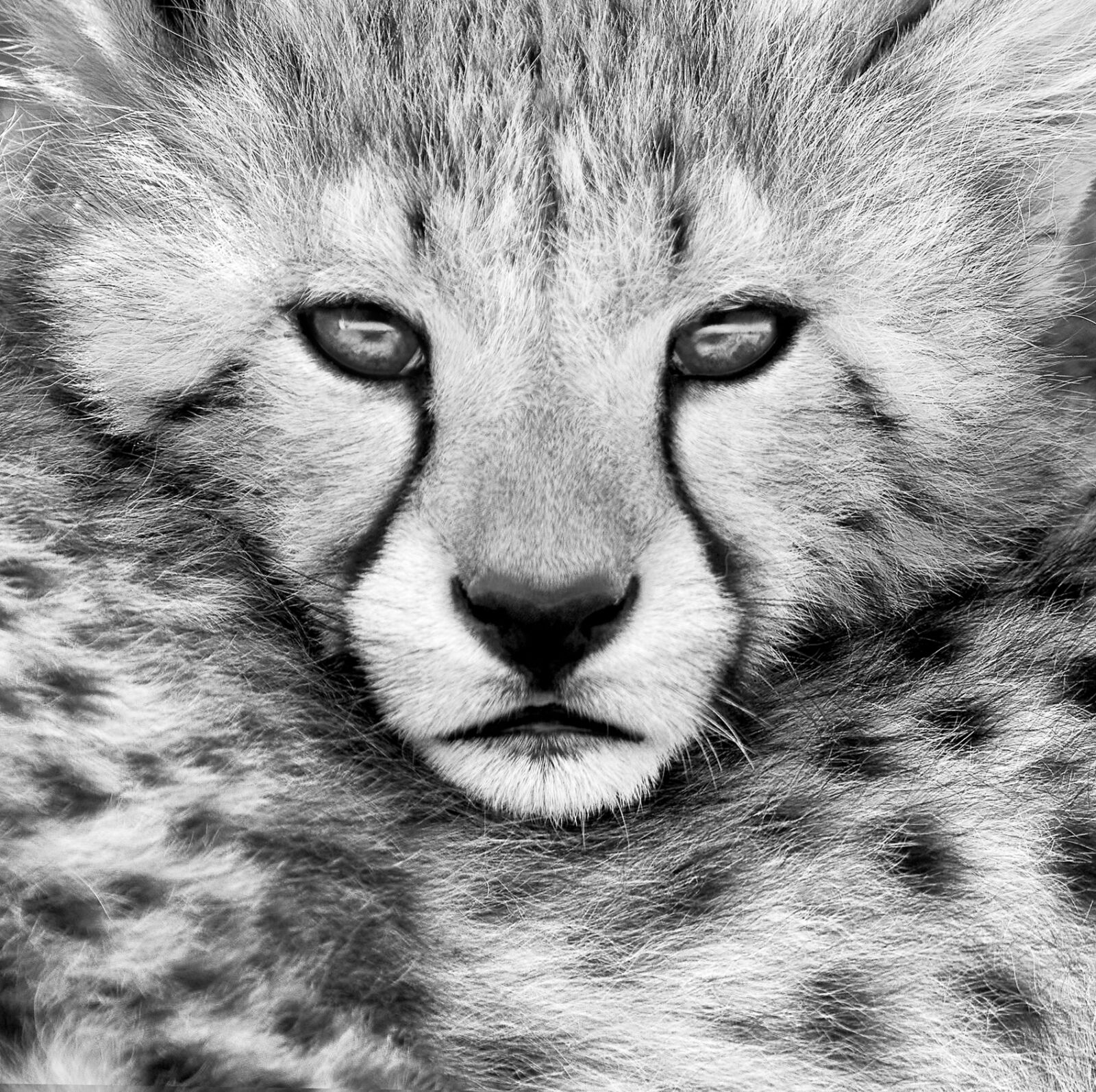
As privileged witnesses to the beauty of the world, his photographs share his fascination with wildlife in an emotional and poetic way. They reflect the magnificence of landscapes and the splendor of animal life.
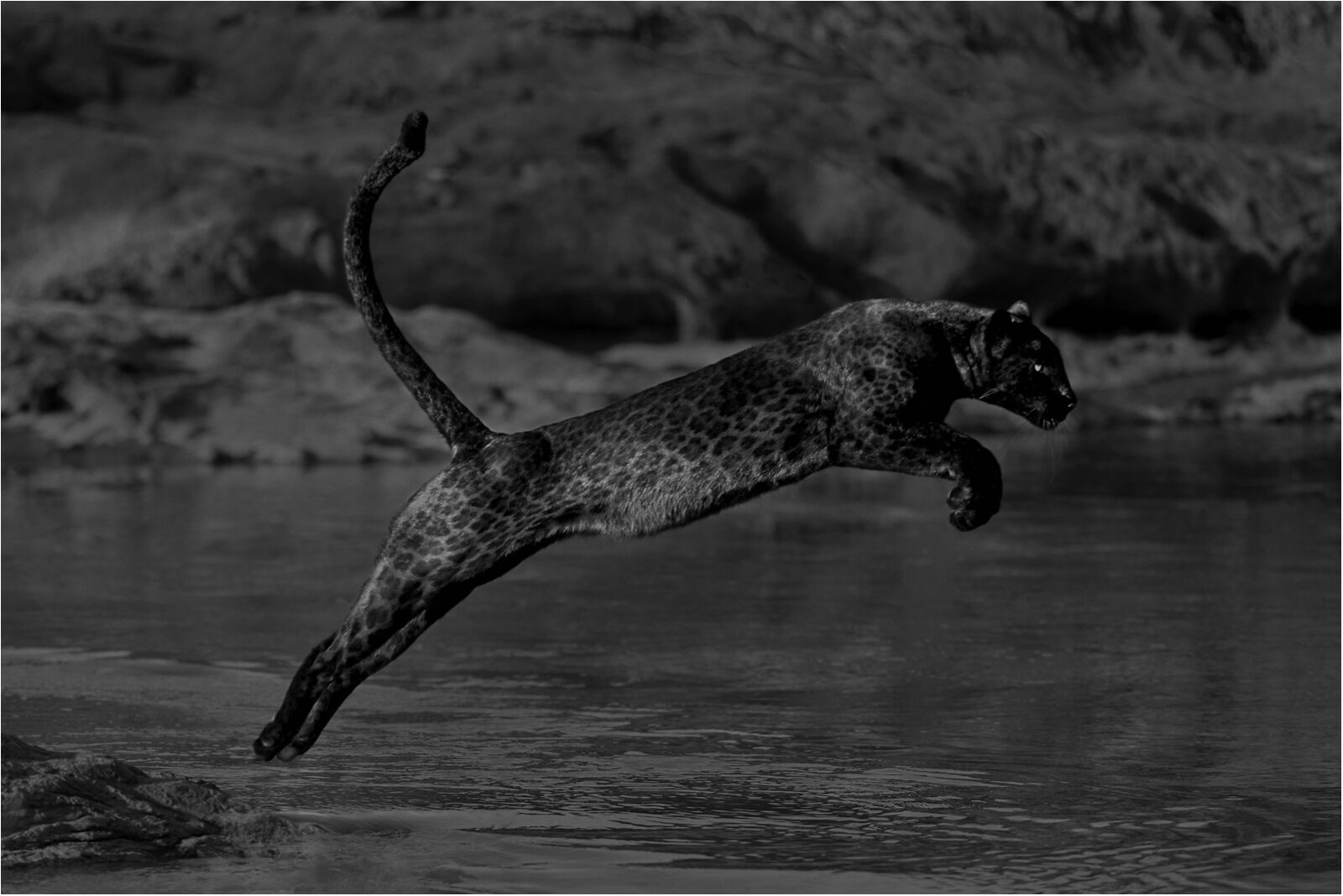
Kyriakos Kaziras is a photographer of the decisive moment, constantly searching for the instant when emotion reveals itself. His images offer a distinctive and always original vision of the beauty of nature and the world.
Reading the Work
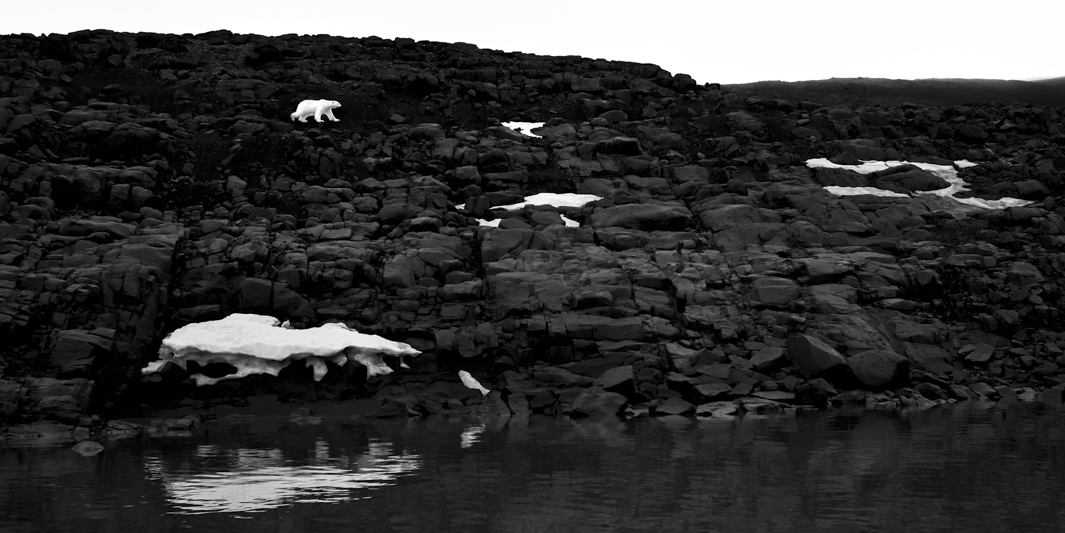
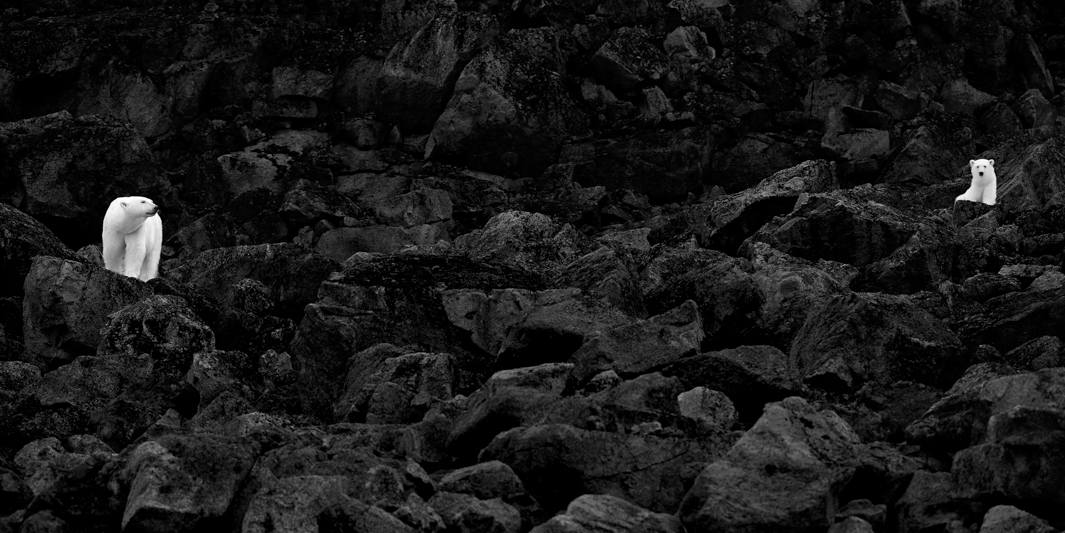
Kyriakos Kaziras’ work finds its balance in a perspective focused on nature, wide-open landscapes, wildlife, and human encounters during travel. It is distinguished by a close connection to the field, a pursuit of light, and a visual storytelling approach that gives depth and scale to his subjects. His photographs benefit from a close reading attentive to nuance: a compositional detail, a particular distance maintained with the subject, a quality of light, or a texture often reveals their depth.
 Inspirations
Raphael Macek : « Over the Dunes »
- Inspirations
Homage to Brigitte Bardot (1934 – 2025)
More artworks on request.