Sory Sanlé
- All
- Lifestyle
- B&W
- Portraits
- Celebrities
- Press
- Uncategorized





Career
Born in 1943 in Nianiagara, Ibrahima Sory Sanlé lives and works in Bobo-Dioulasso, Burkina Faso.
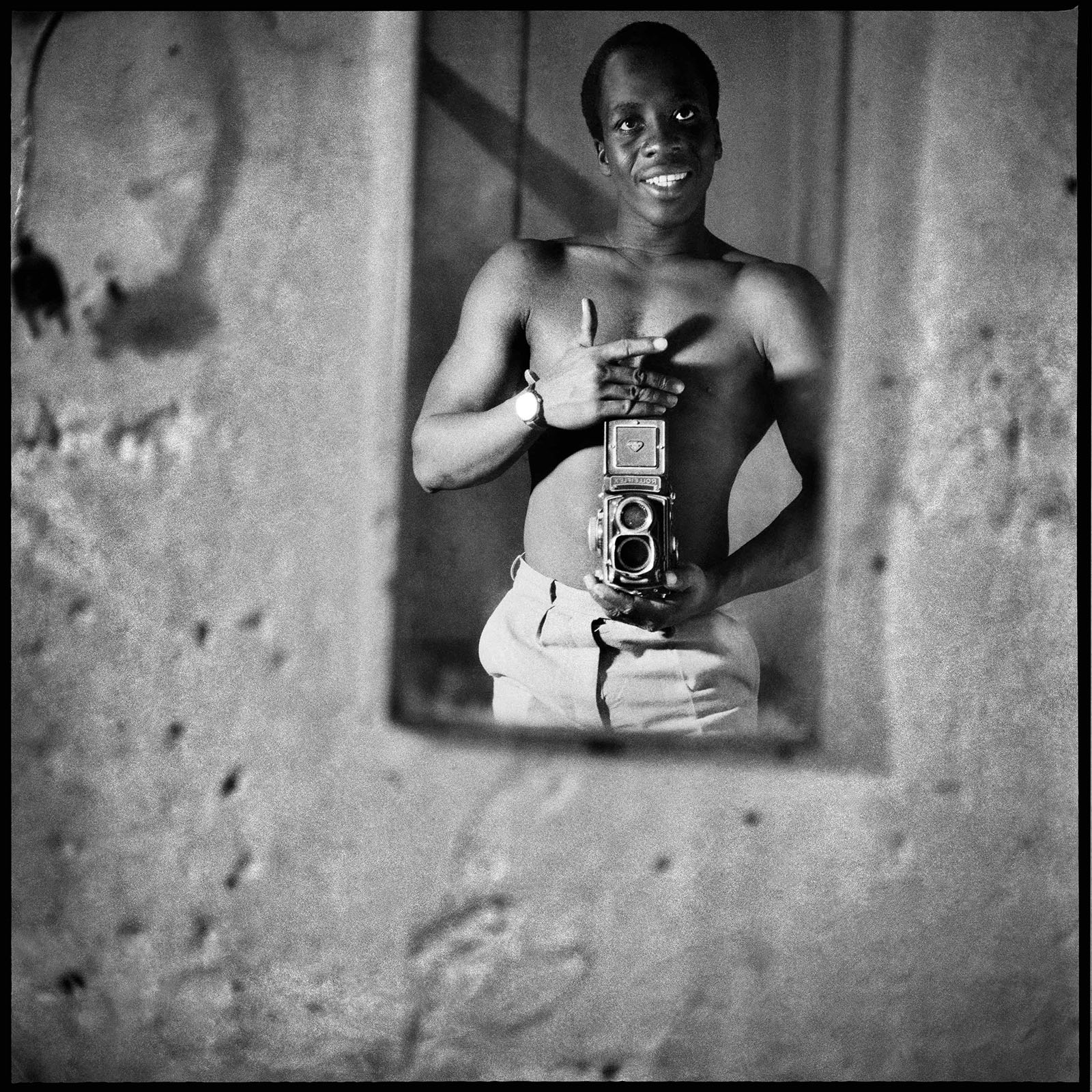
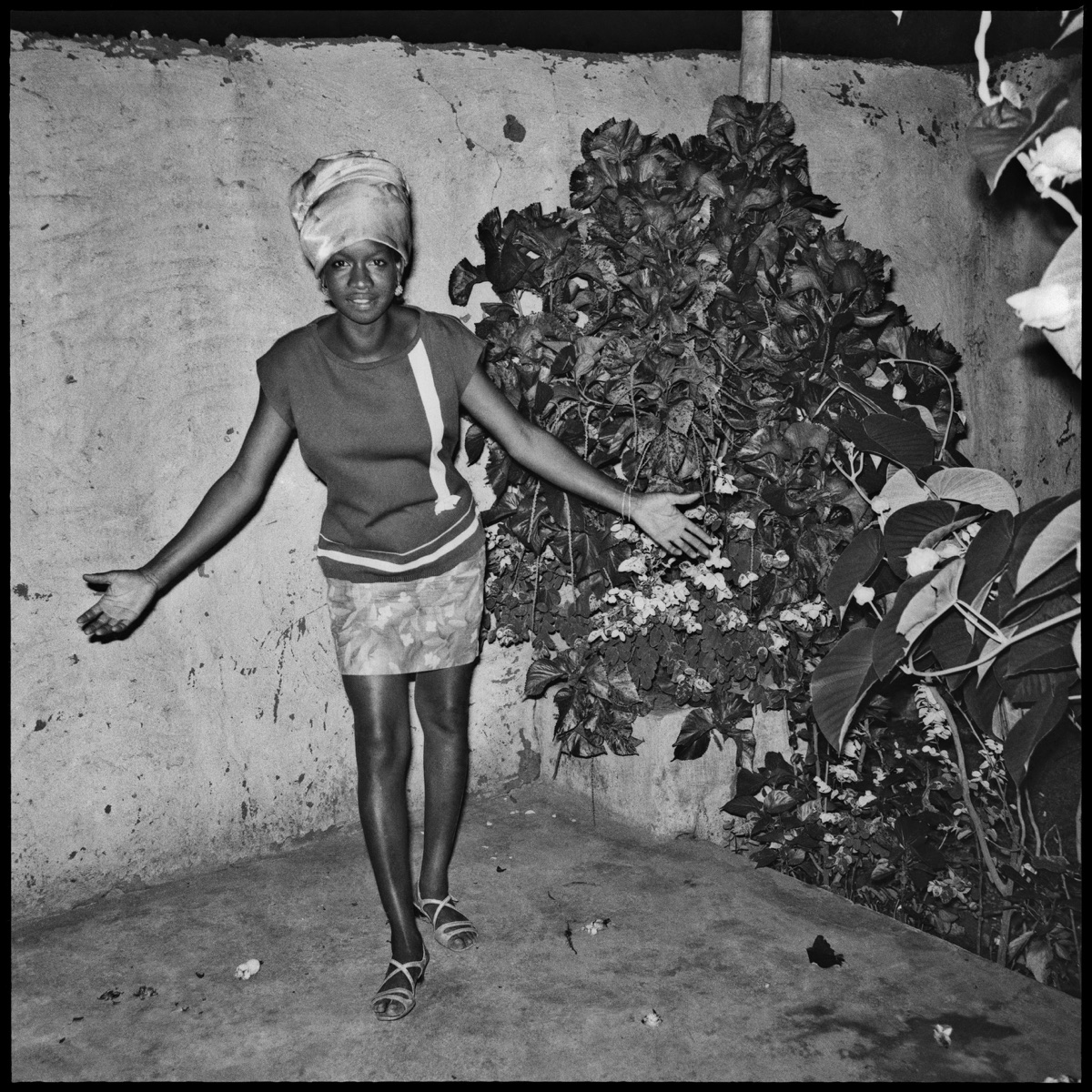
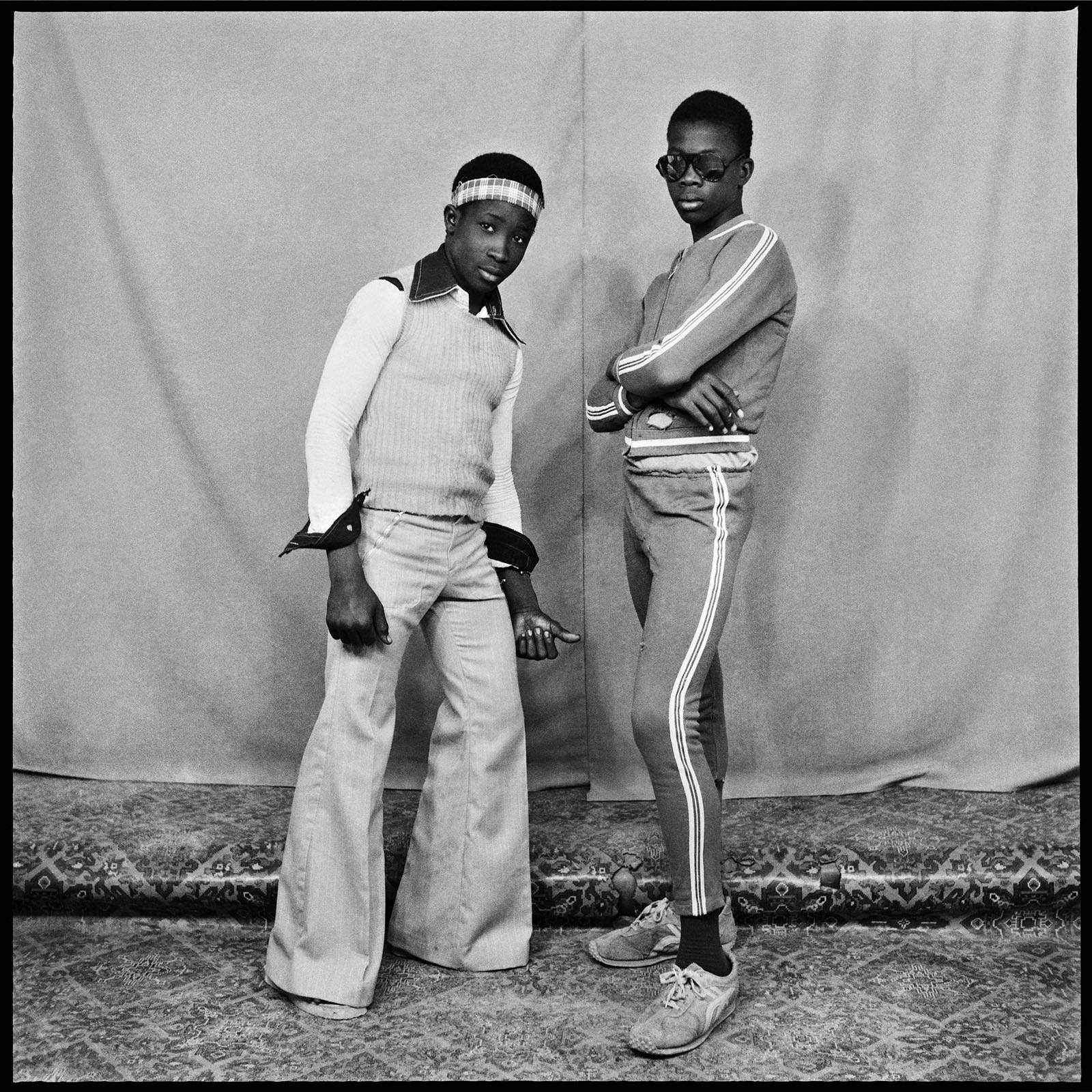
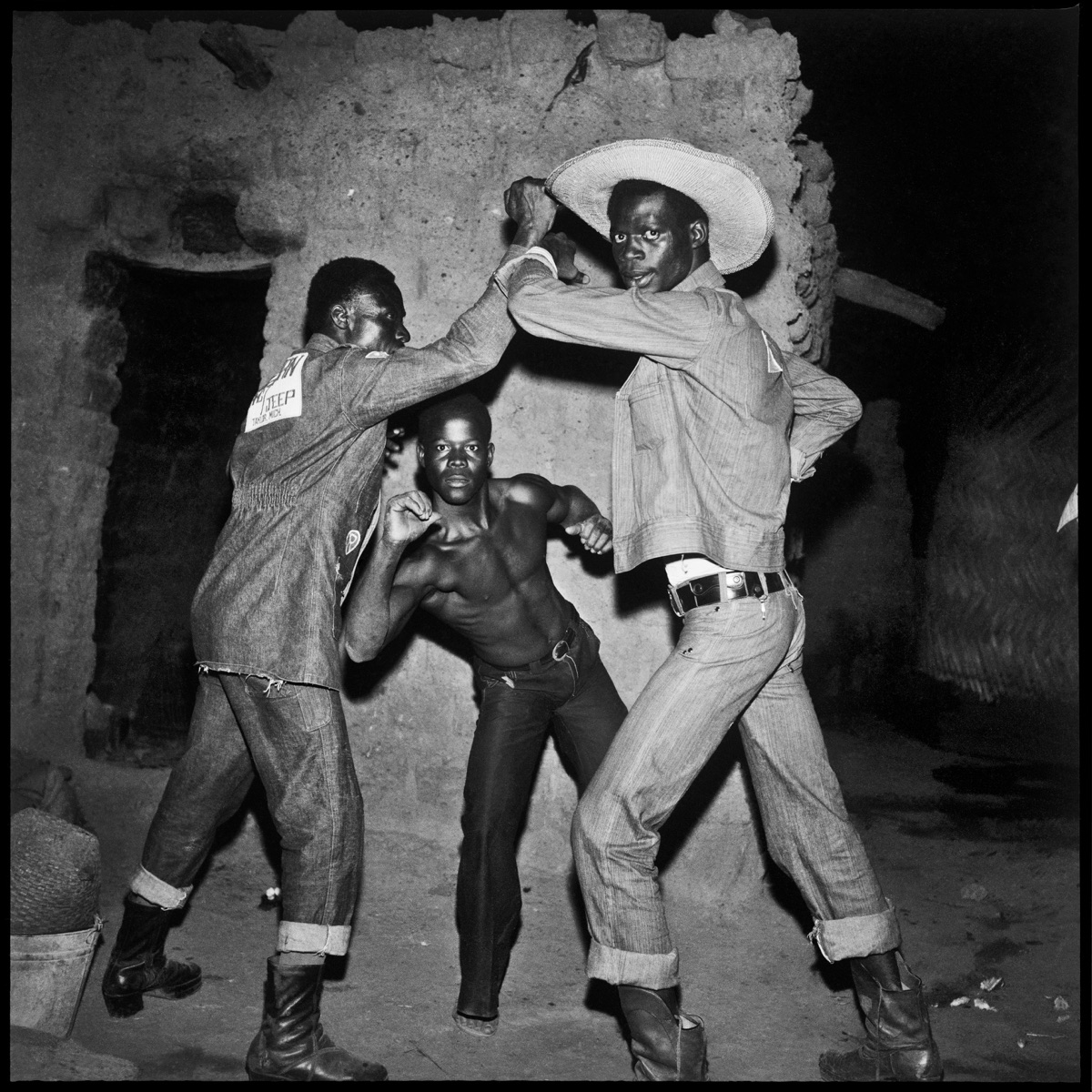
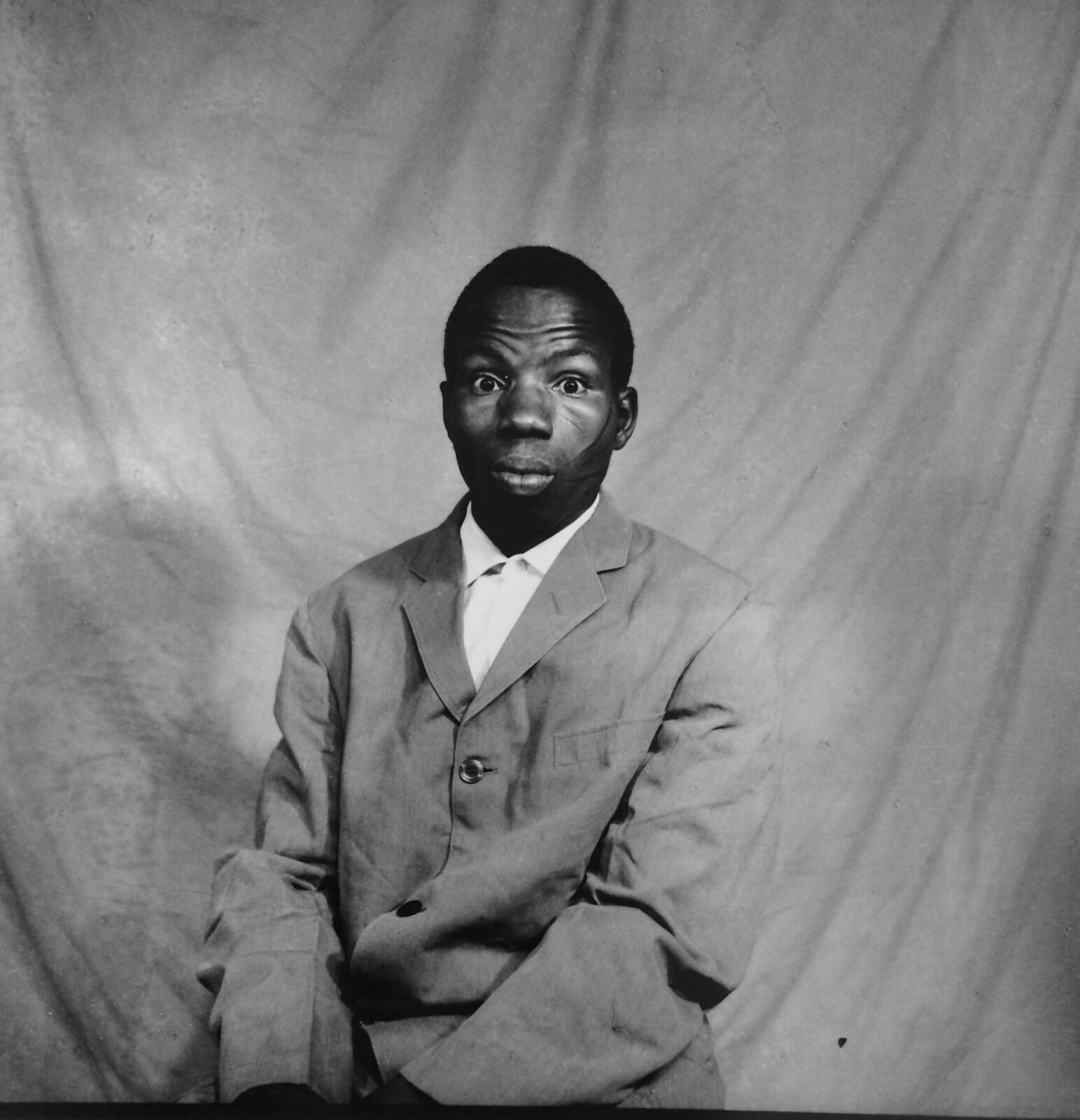
Sory Sanlé began his photographic career in Bobo-Dioulasso in 1960, the same year his country gained independence and became the Republic of Upper Volta. As a young apprentice working with a Ghanaian studio owner, he learned photographic techniques in the darkroom before processing and printing his own images. Like many African photographers of his generation, he adopted the 6×6 format.
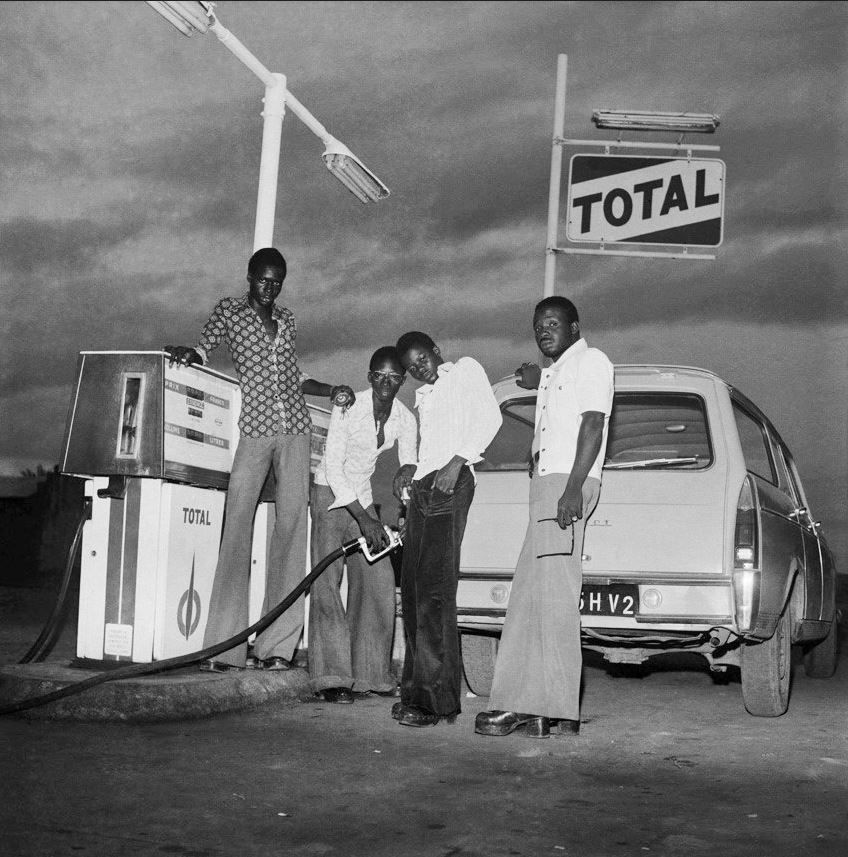
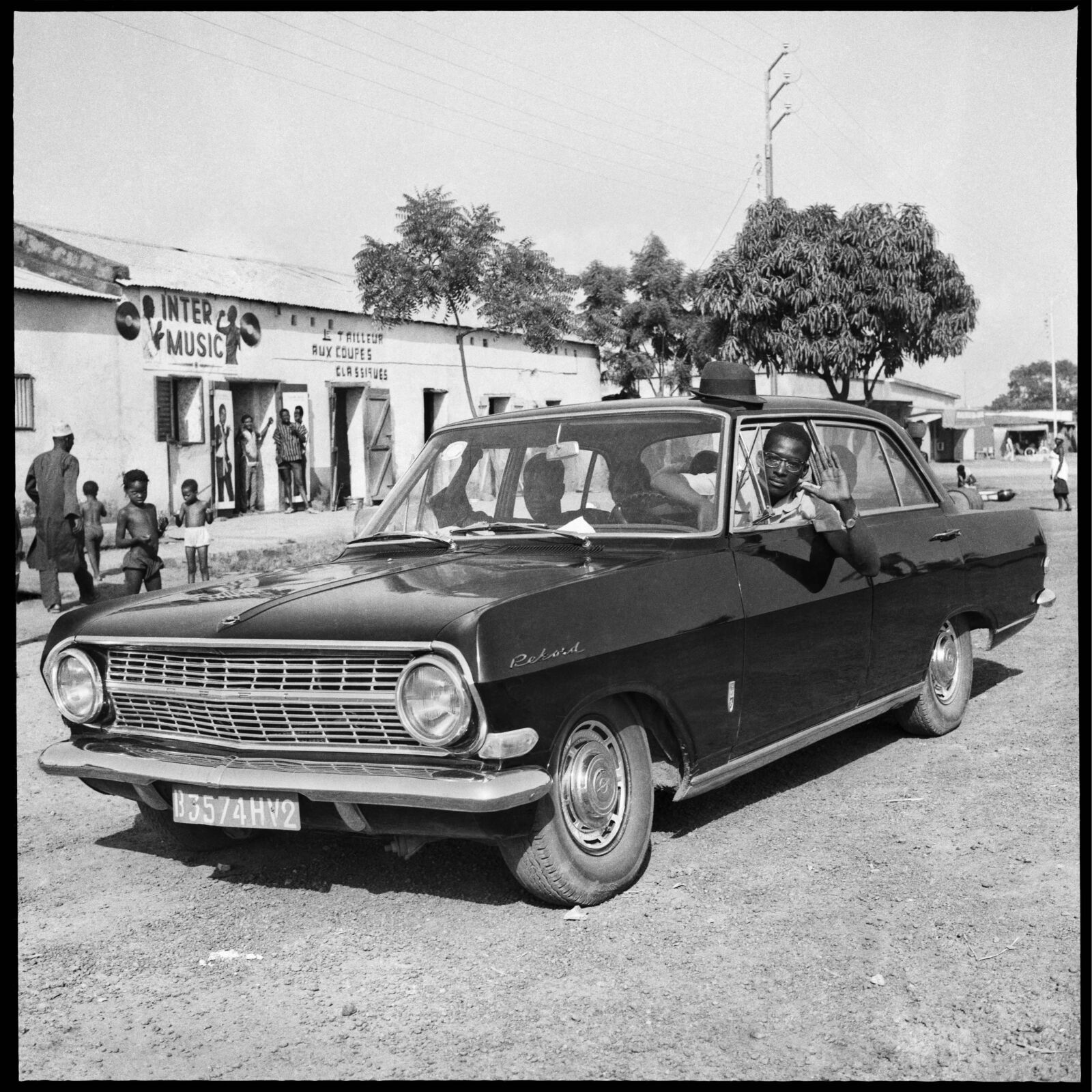
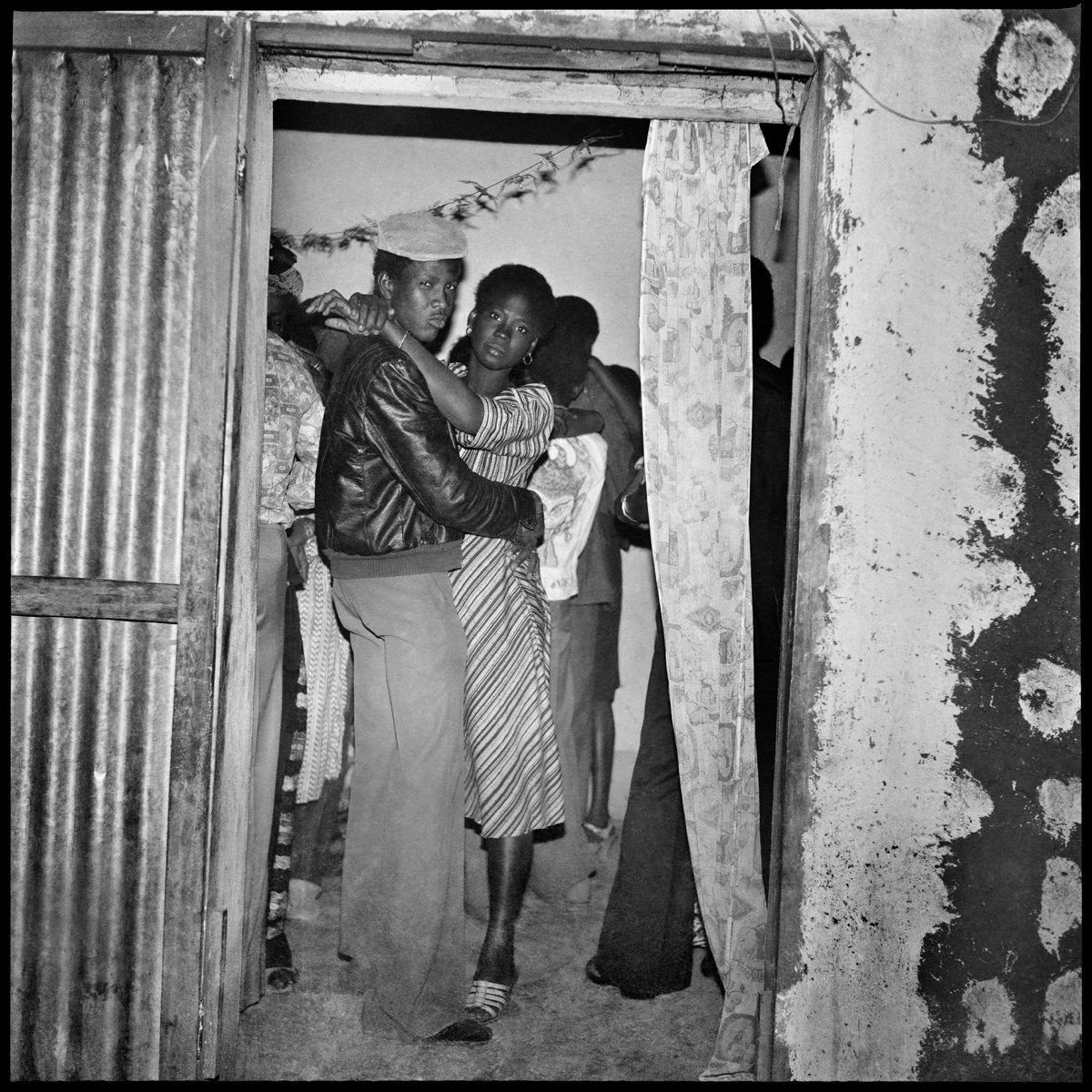
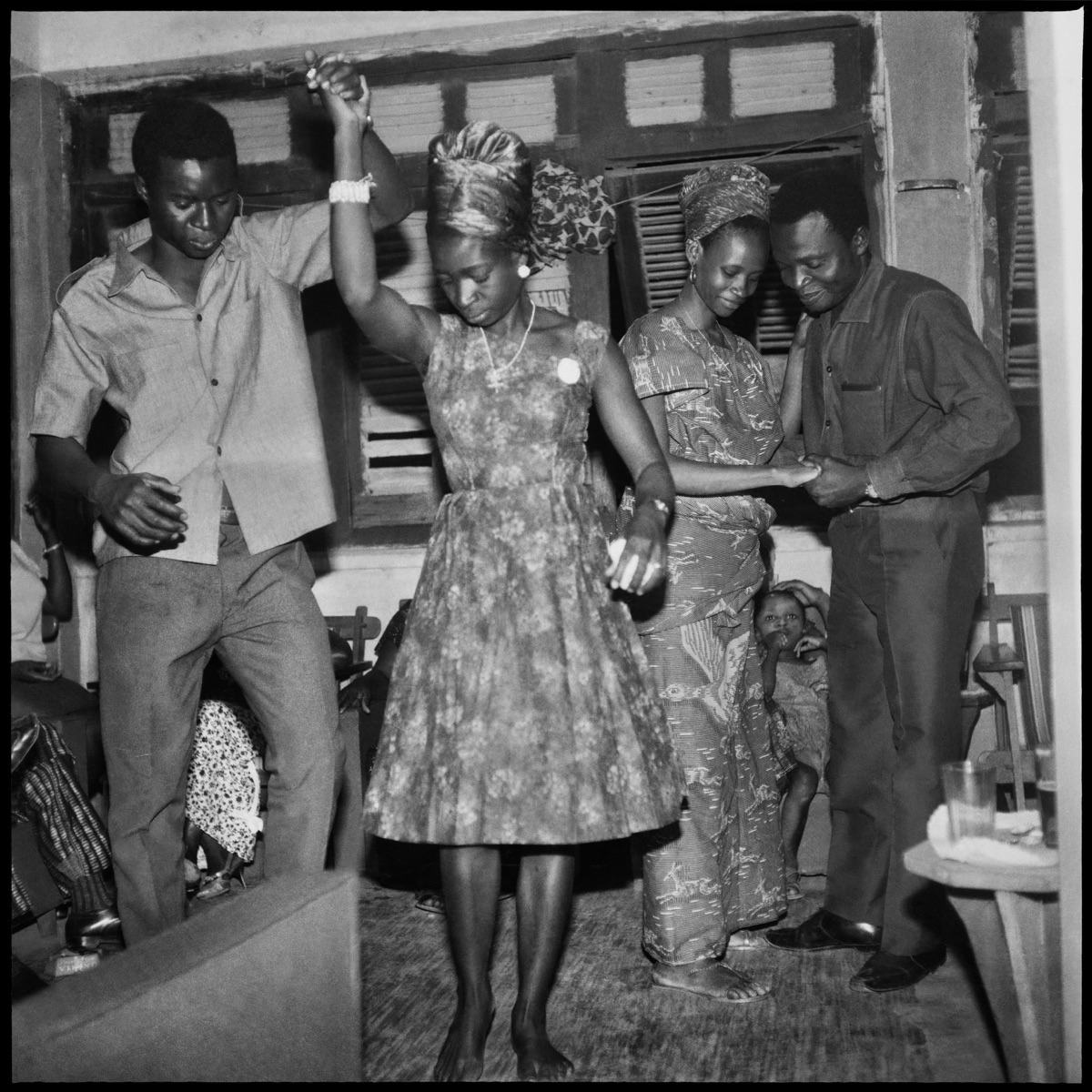
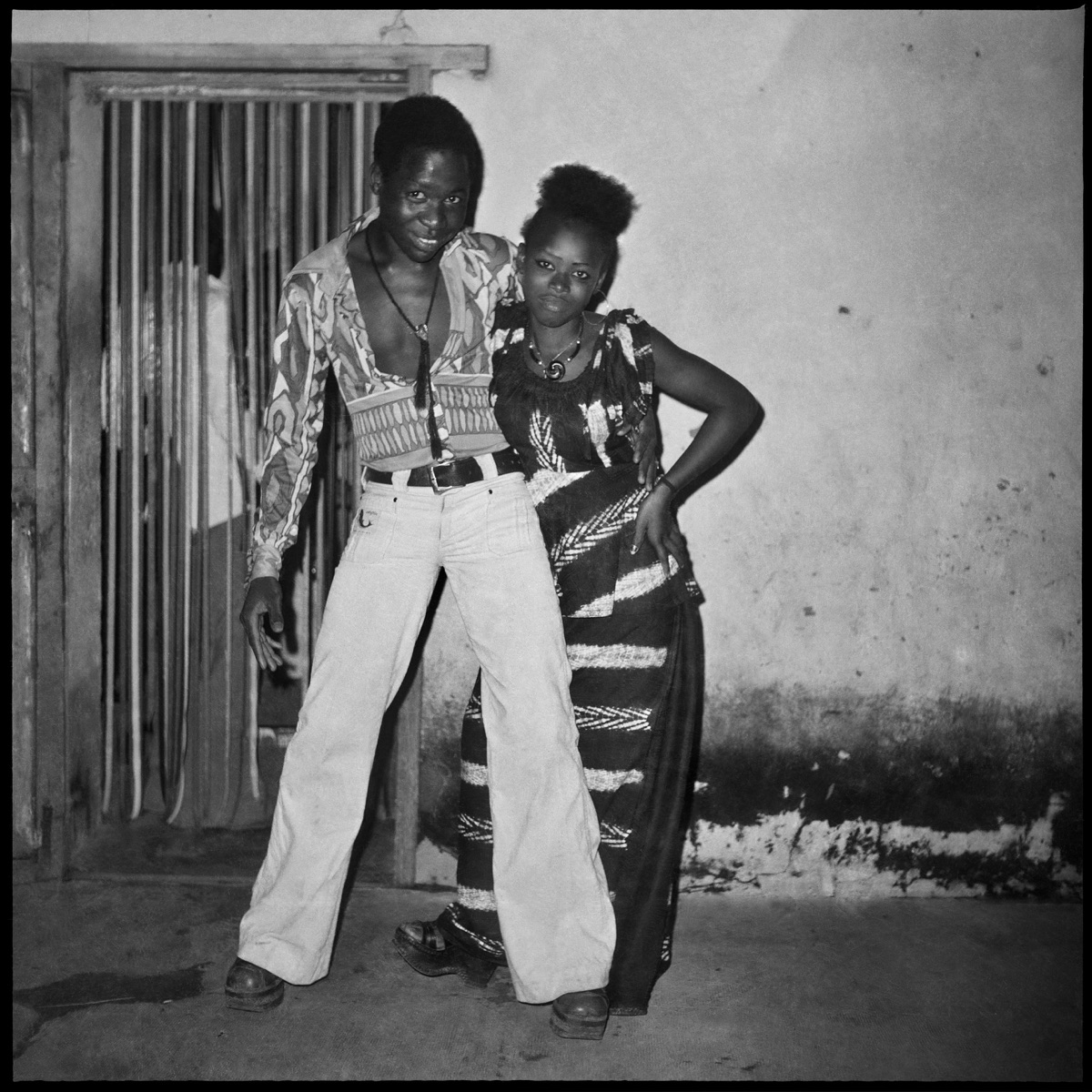
He had the privilege of witnessing the rapid transformation of his own city, Bobo-Dioulasso, then the cultural and economic capital of Upper Volta. He captured the encounter and tensions between modern life and the centuries-old traditions of this culturally rich and deeply rooted region.
Visual Style
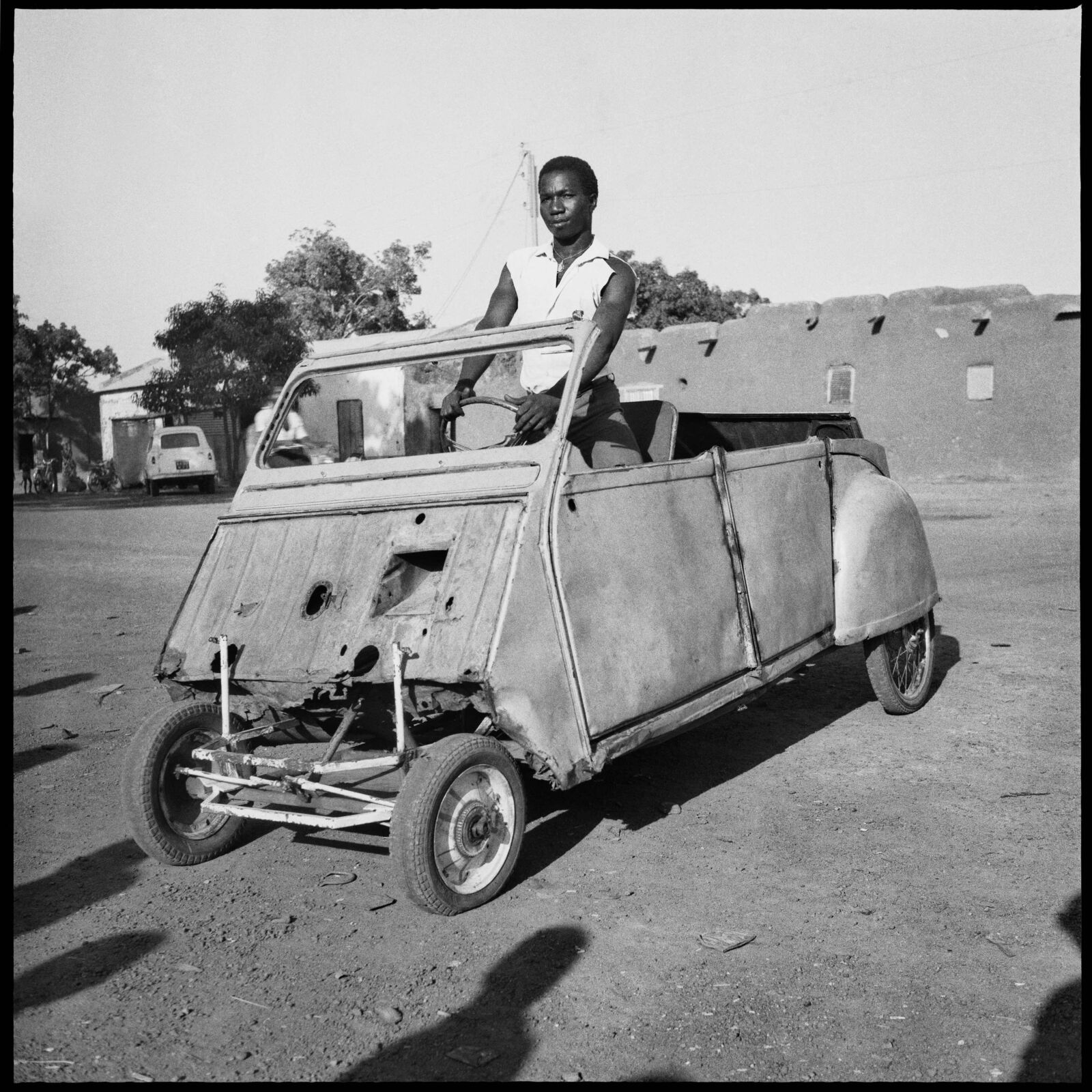
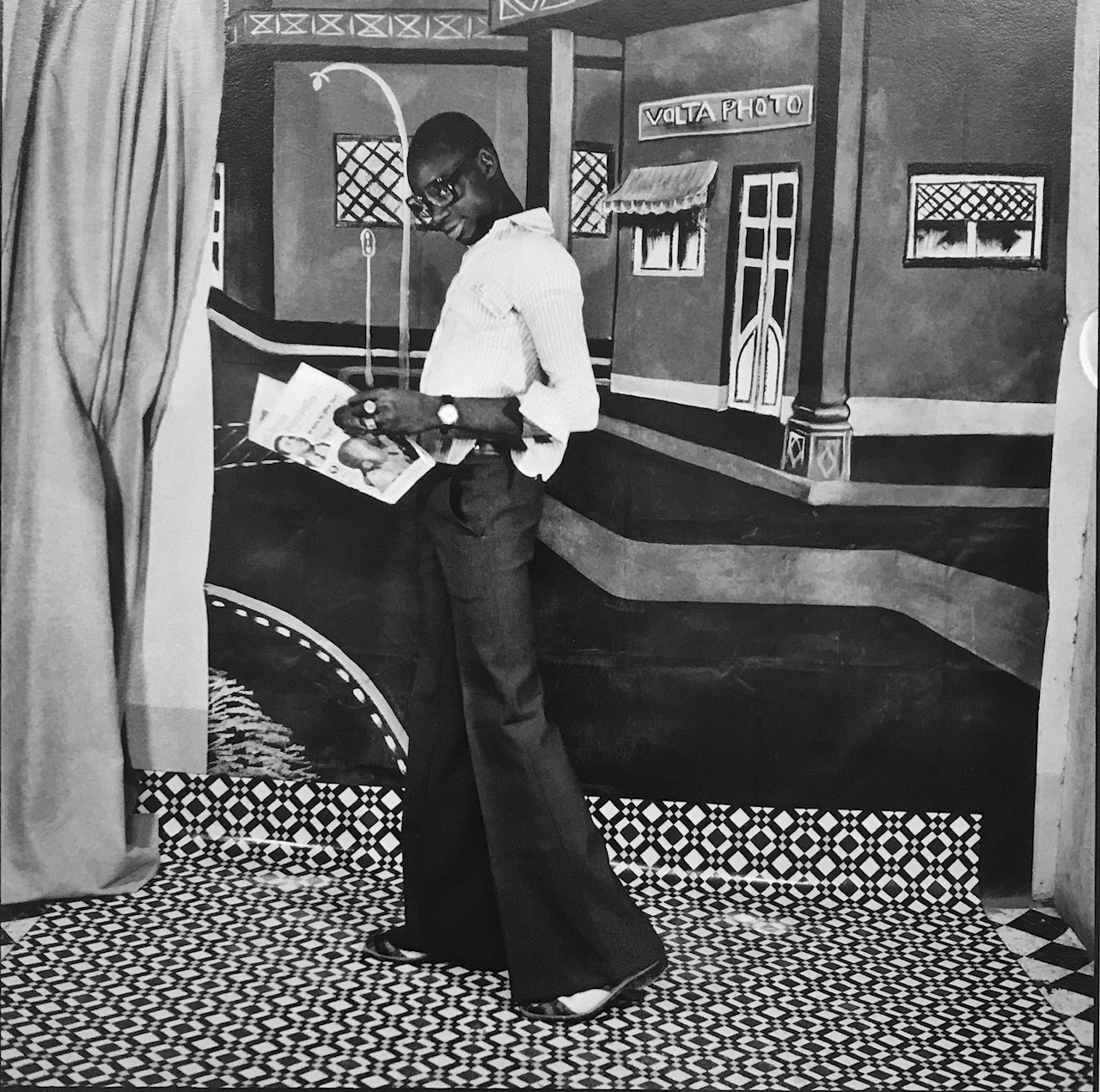
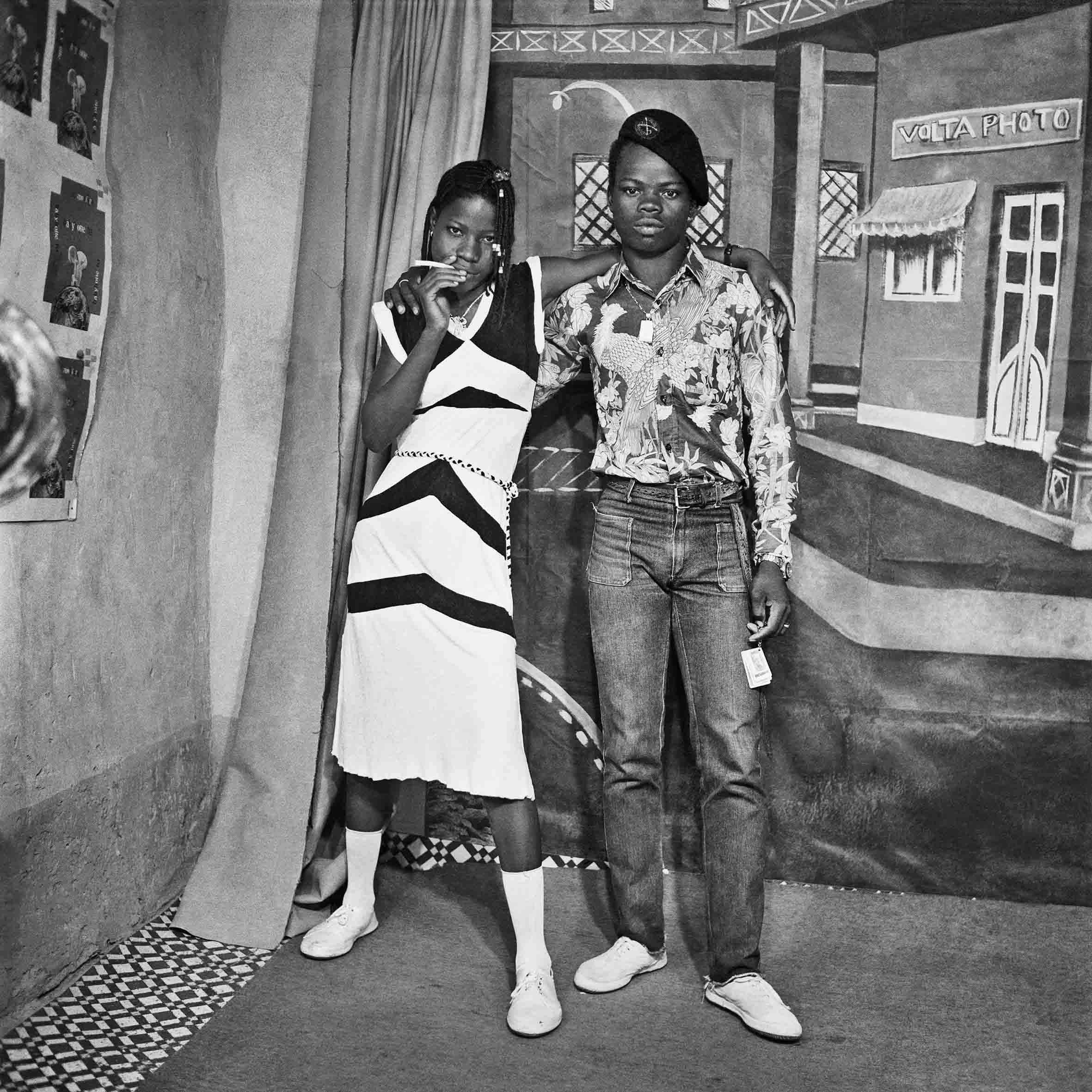
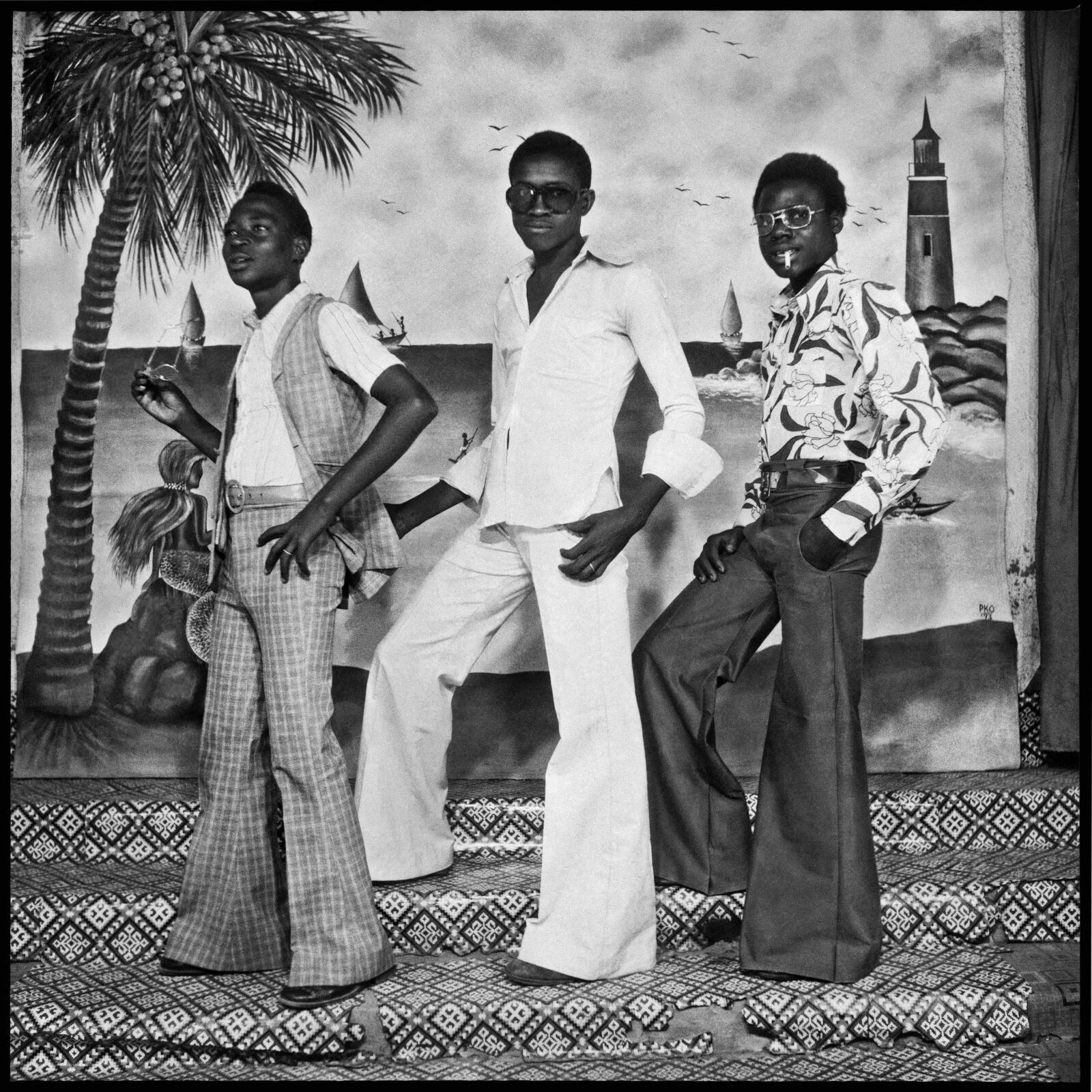
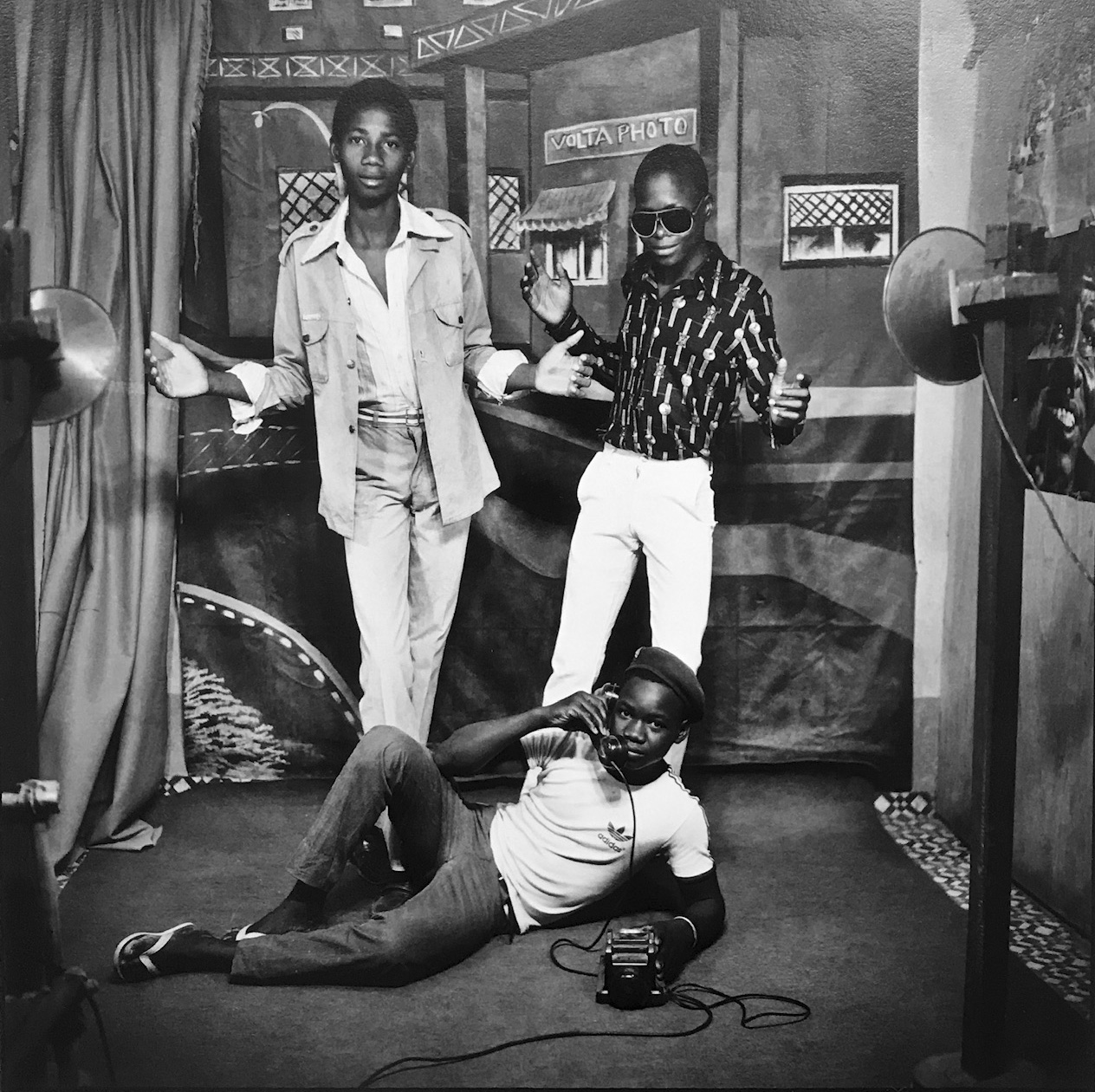
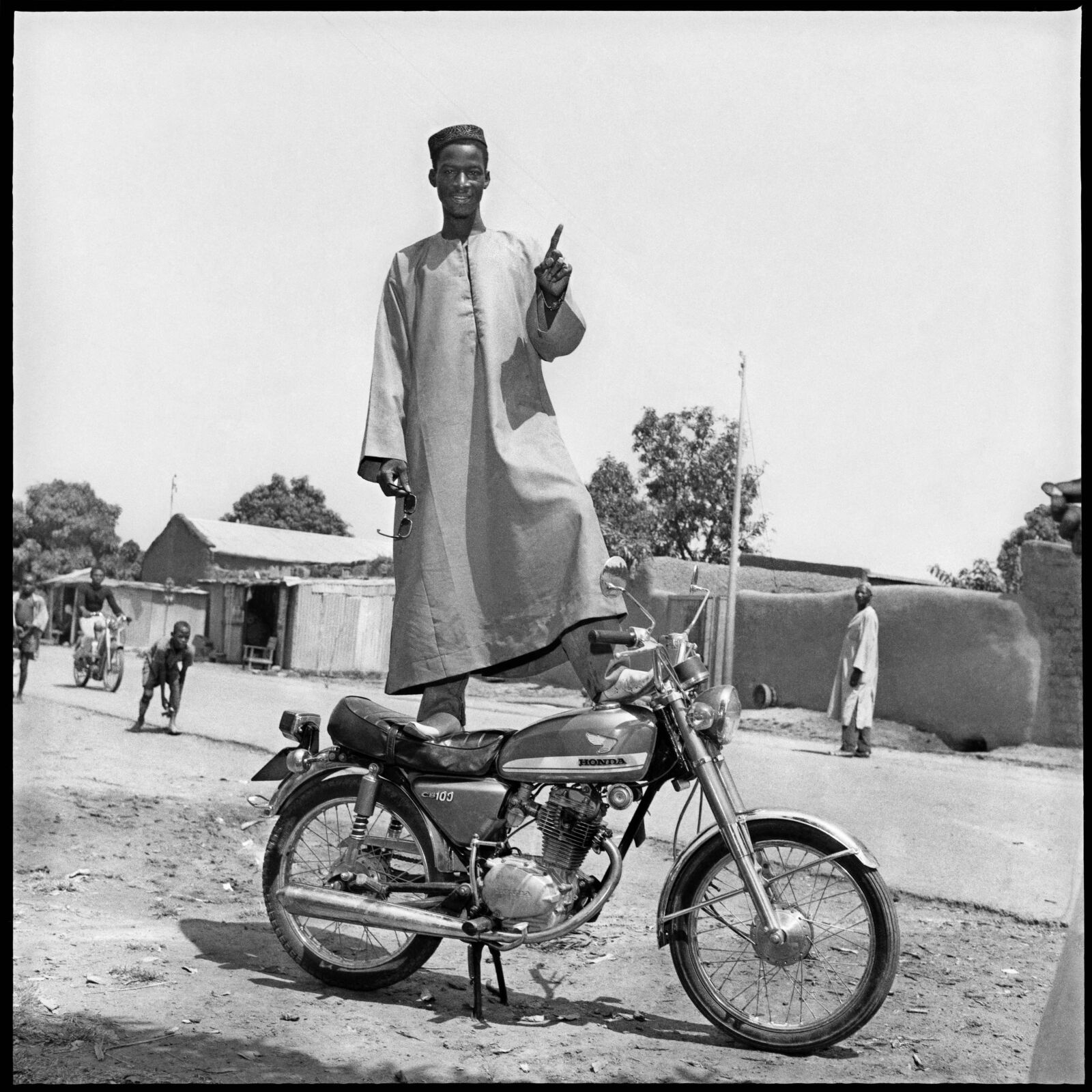
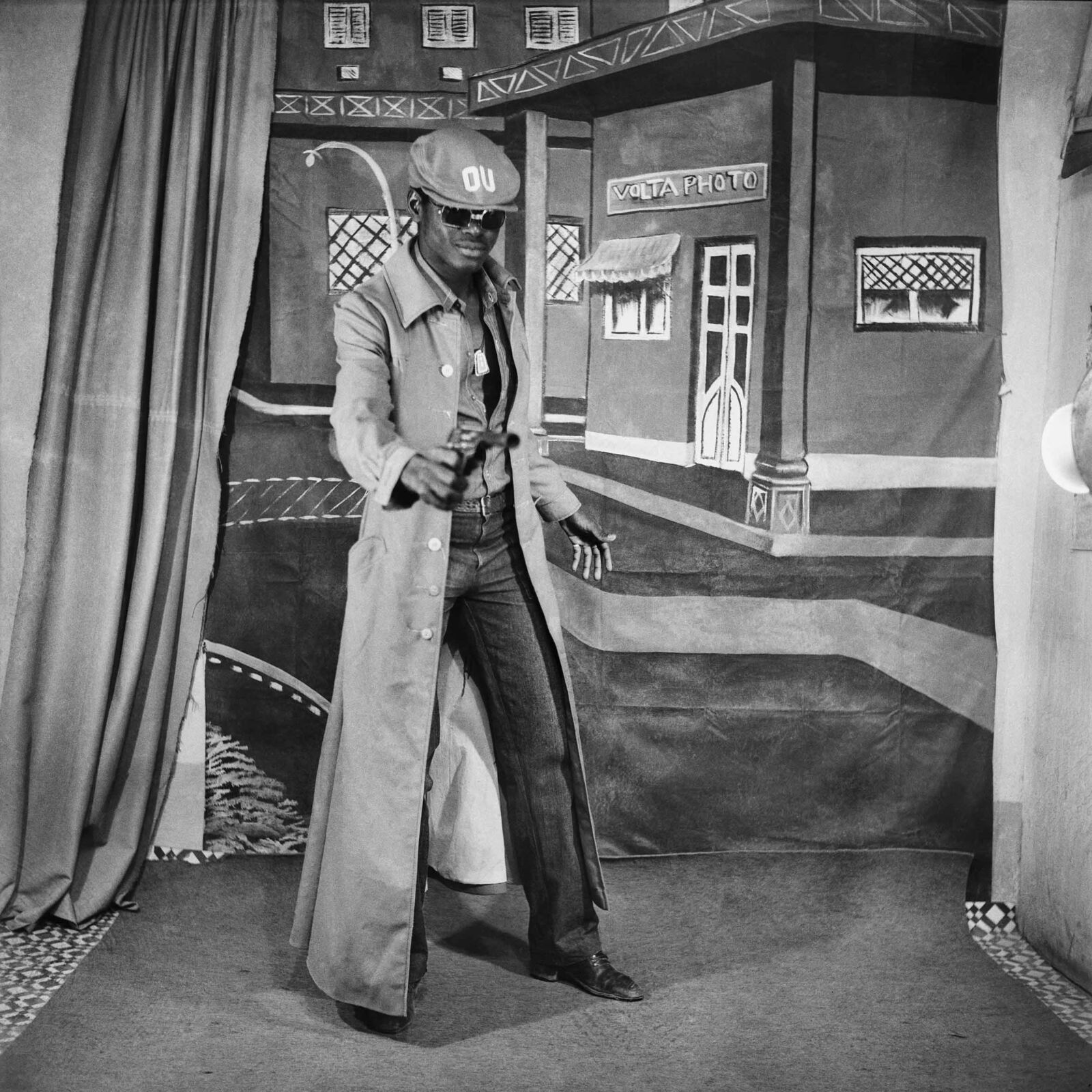
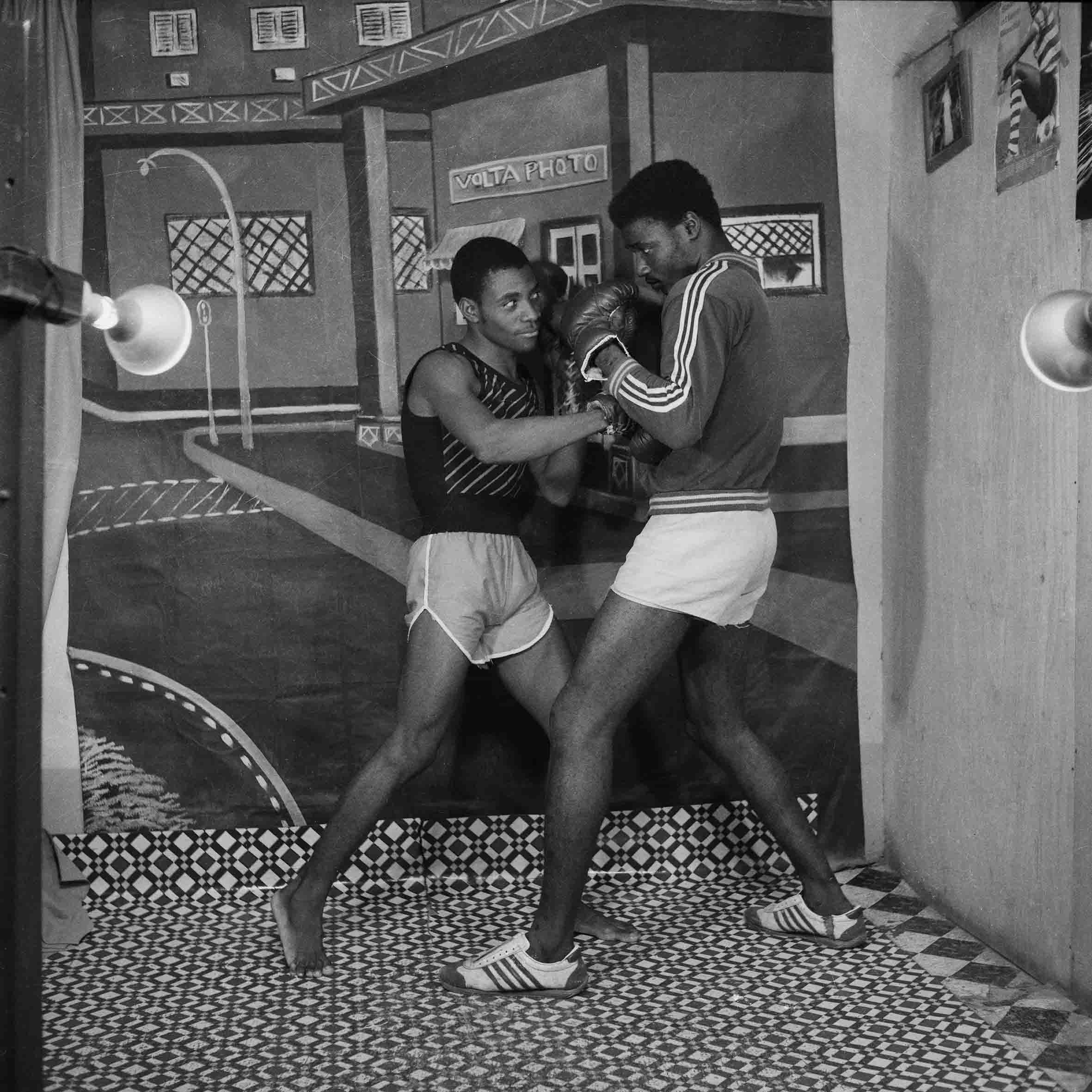
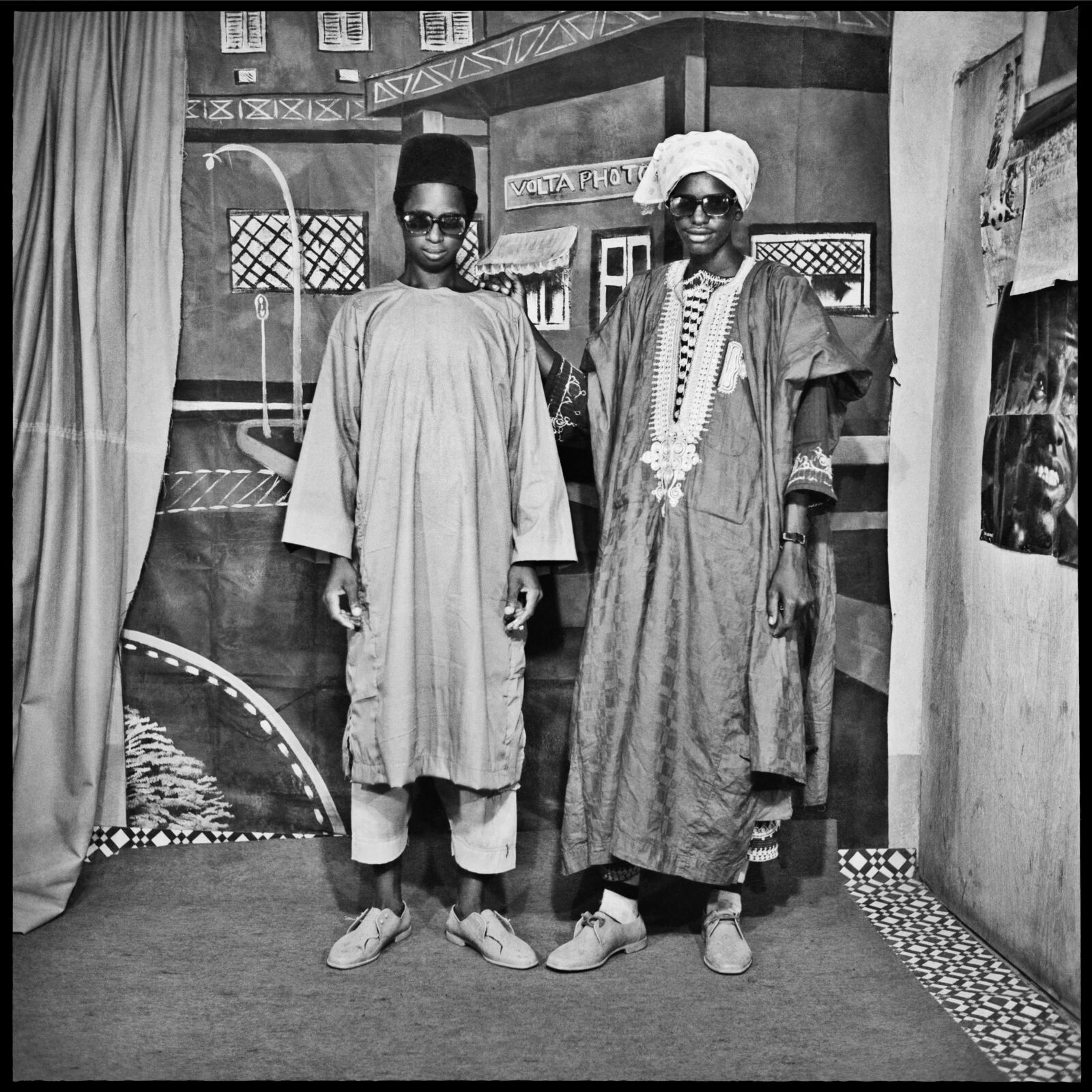
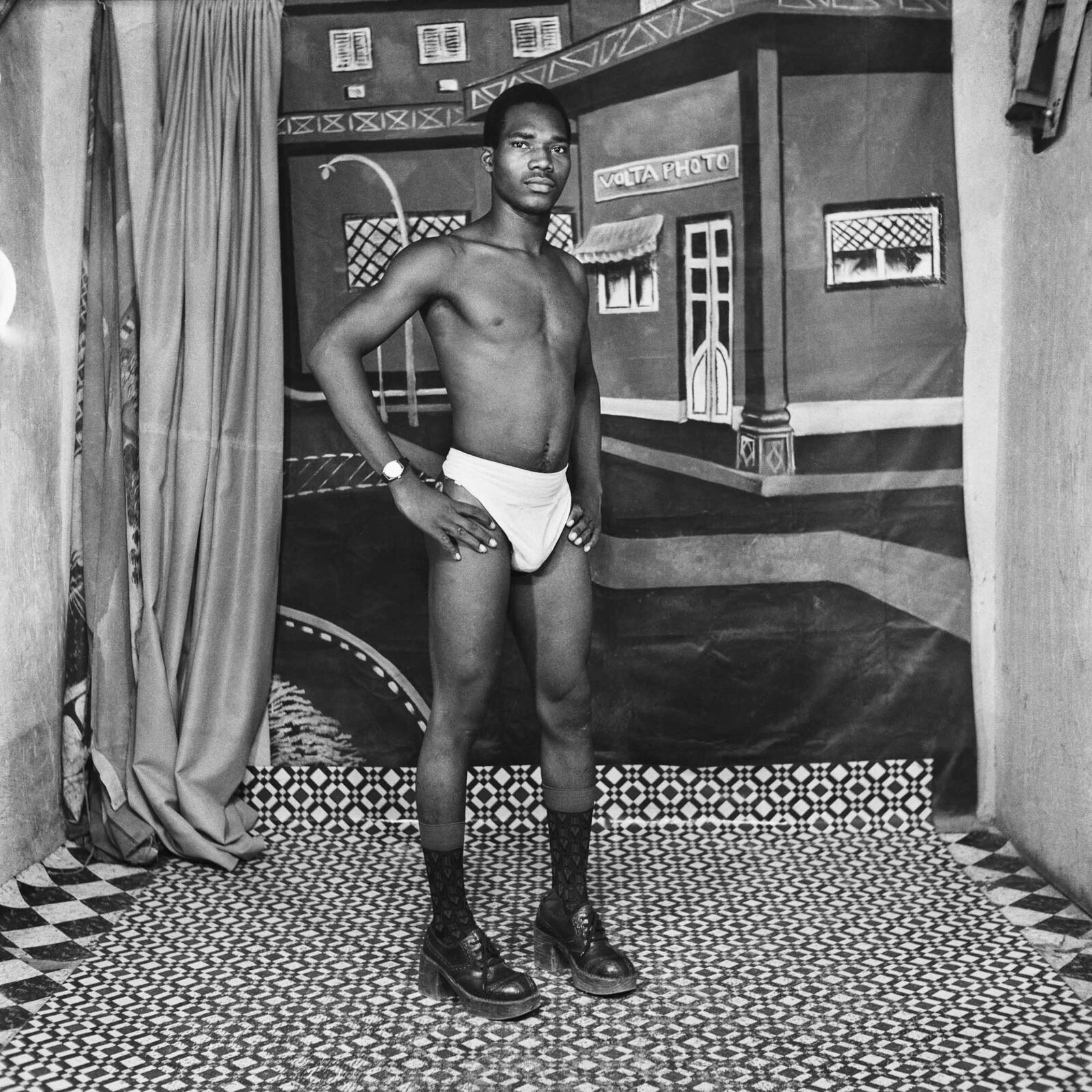
He began his career by photographing roadside wrecks on the highways around Bobo and neighboring areas, traveling throughout the region on his motorcycle. In the mid-1960s, he opened his own studio, Volta Photo, which soon became the city’s leading photography studio.
Entirely devoted to his art and practice, he followed a personal philosophy: “The more you love something, the more you dedicate yourself to your passion.”
Major Series and Works
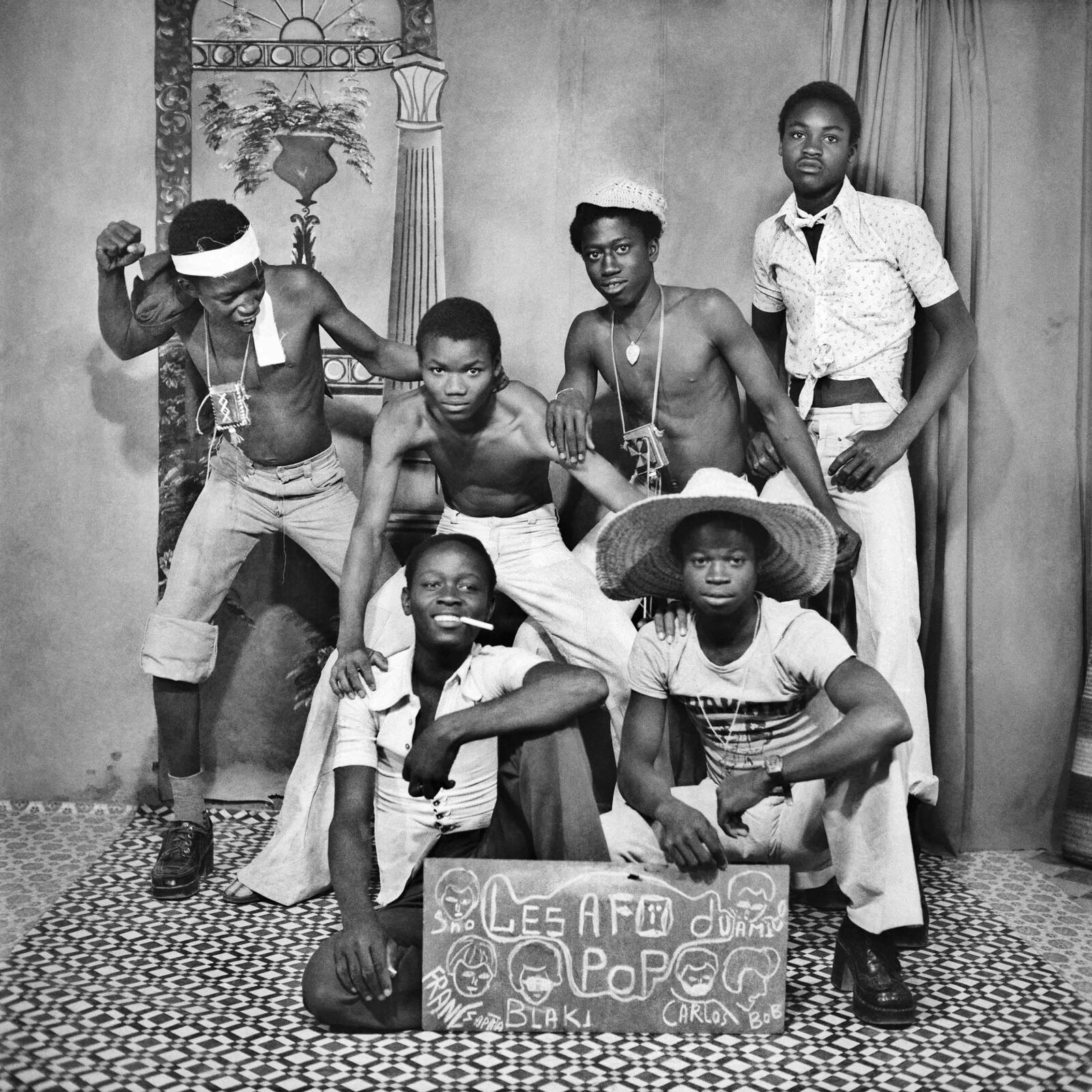
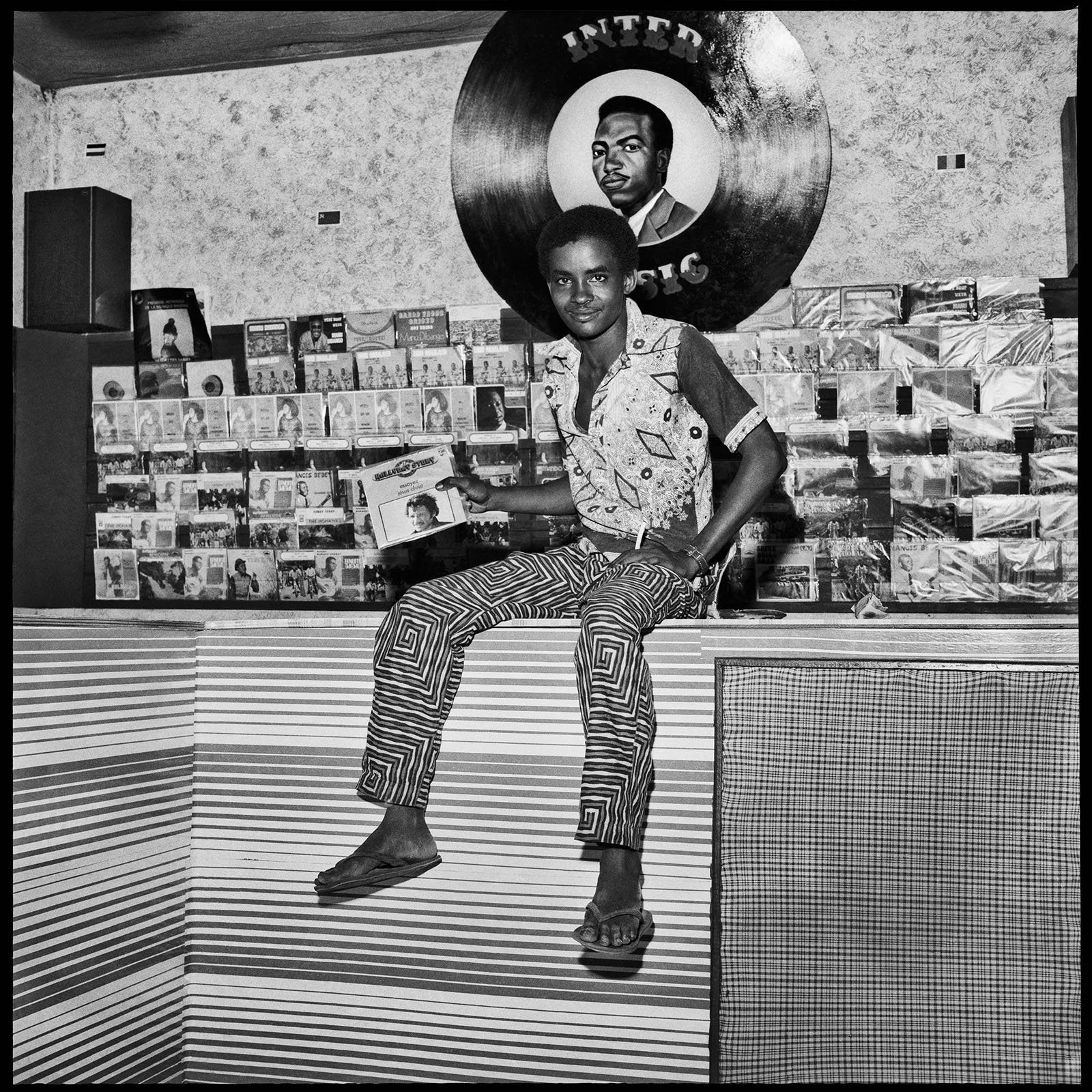
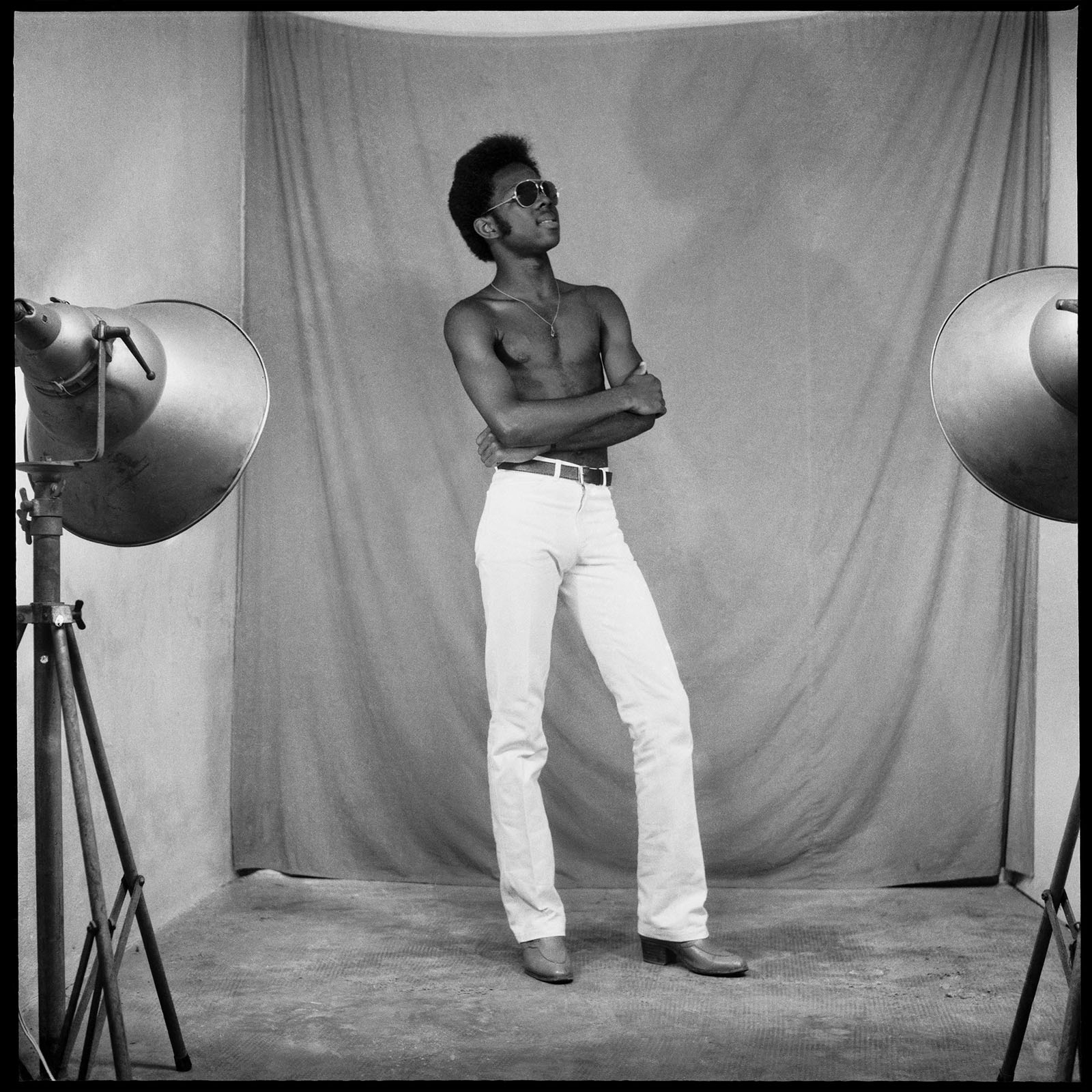
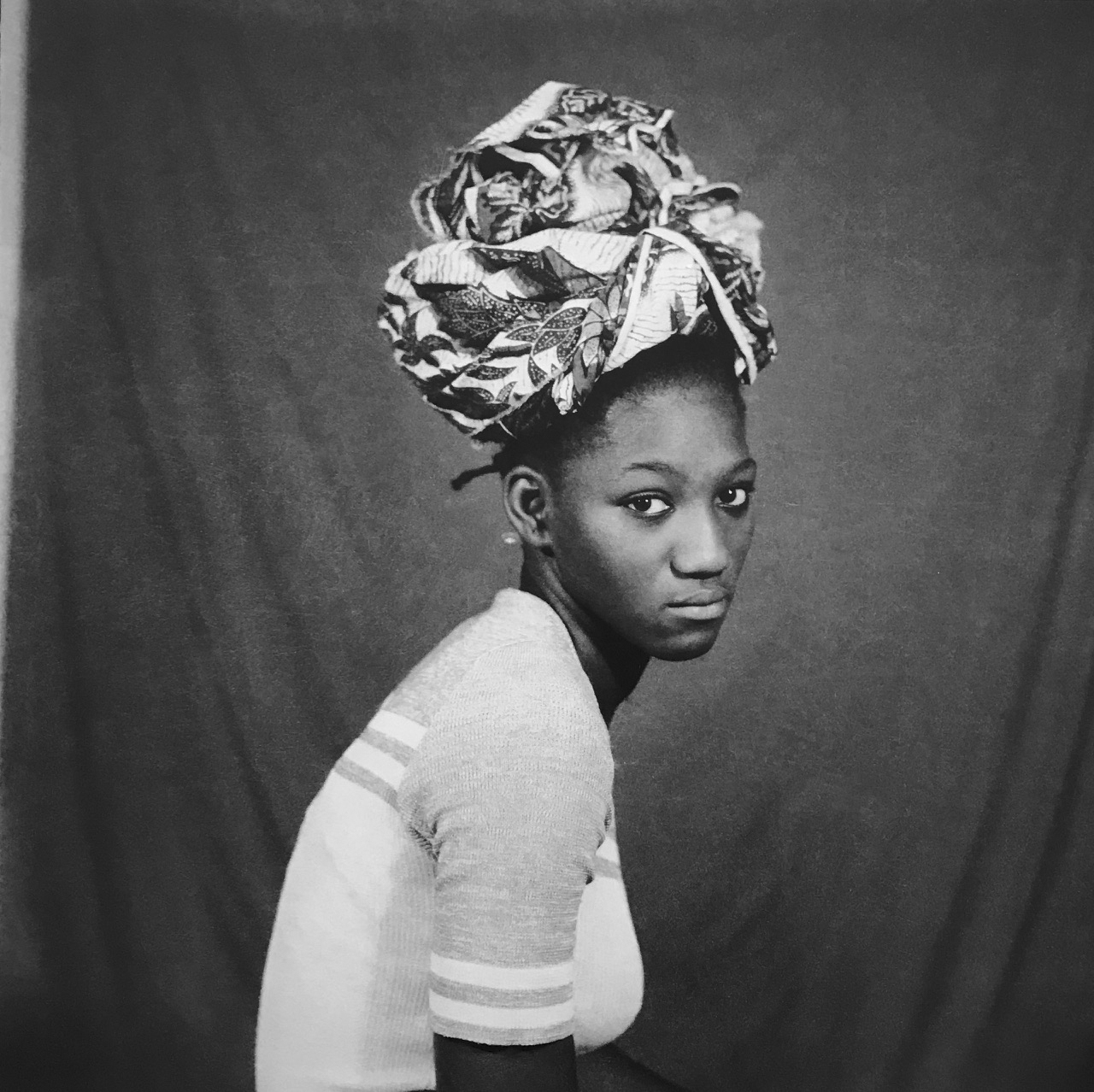
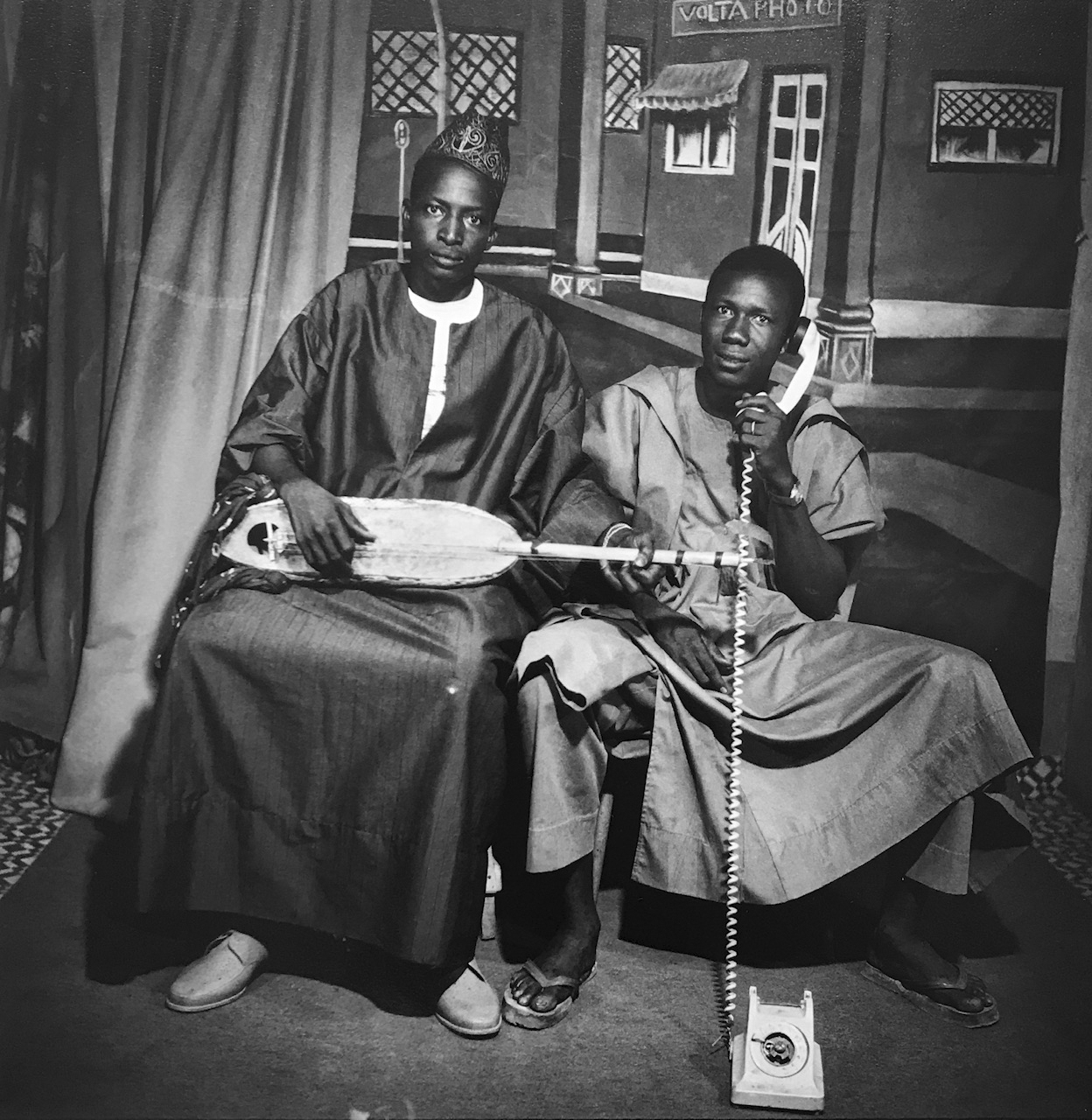
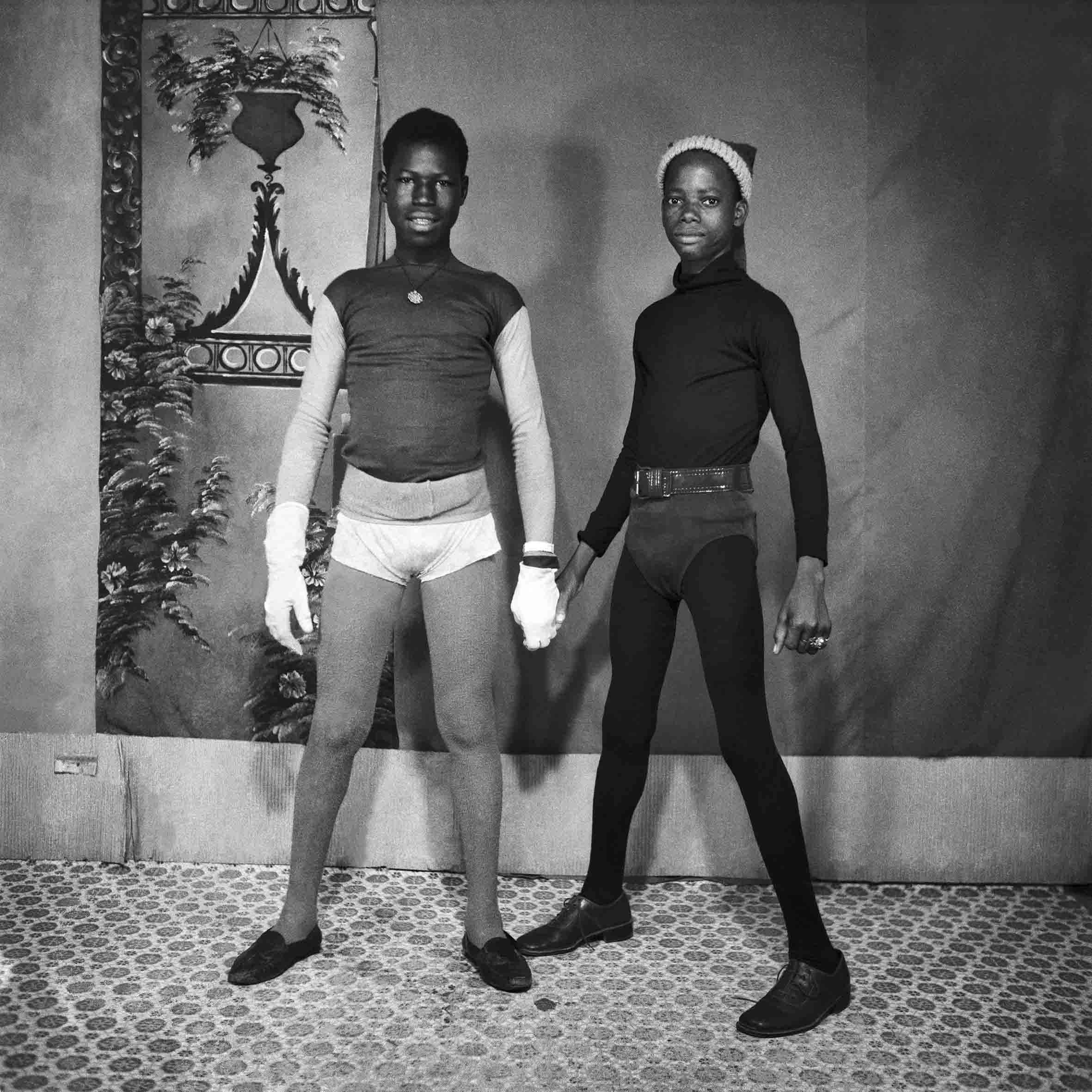
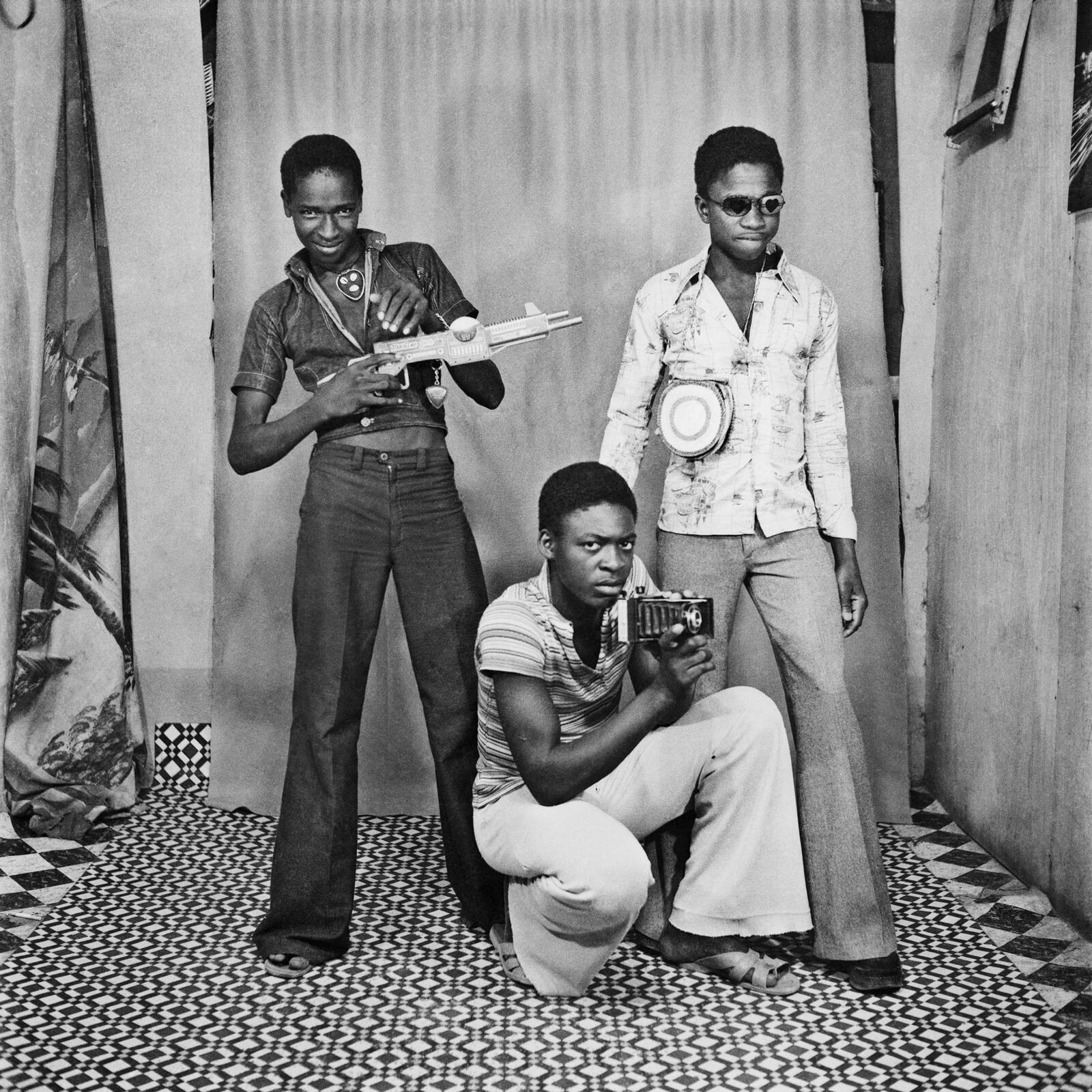
He worked as a journalist, record-cover illustrator, official photographer, and above all as a gifted studio photographer. Extremely active throughout his career, he portrayed the people of Bobo-Dioulasso with wit, energy, and passion.
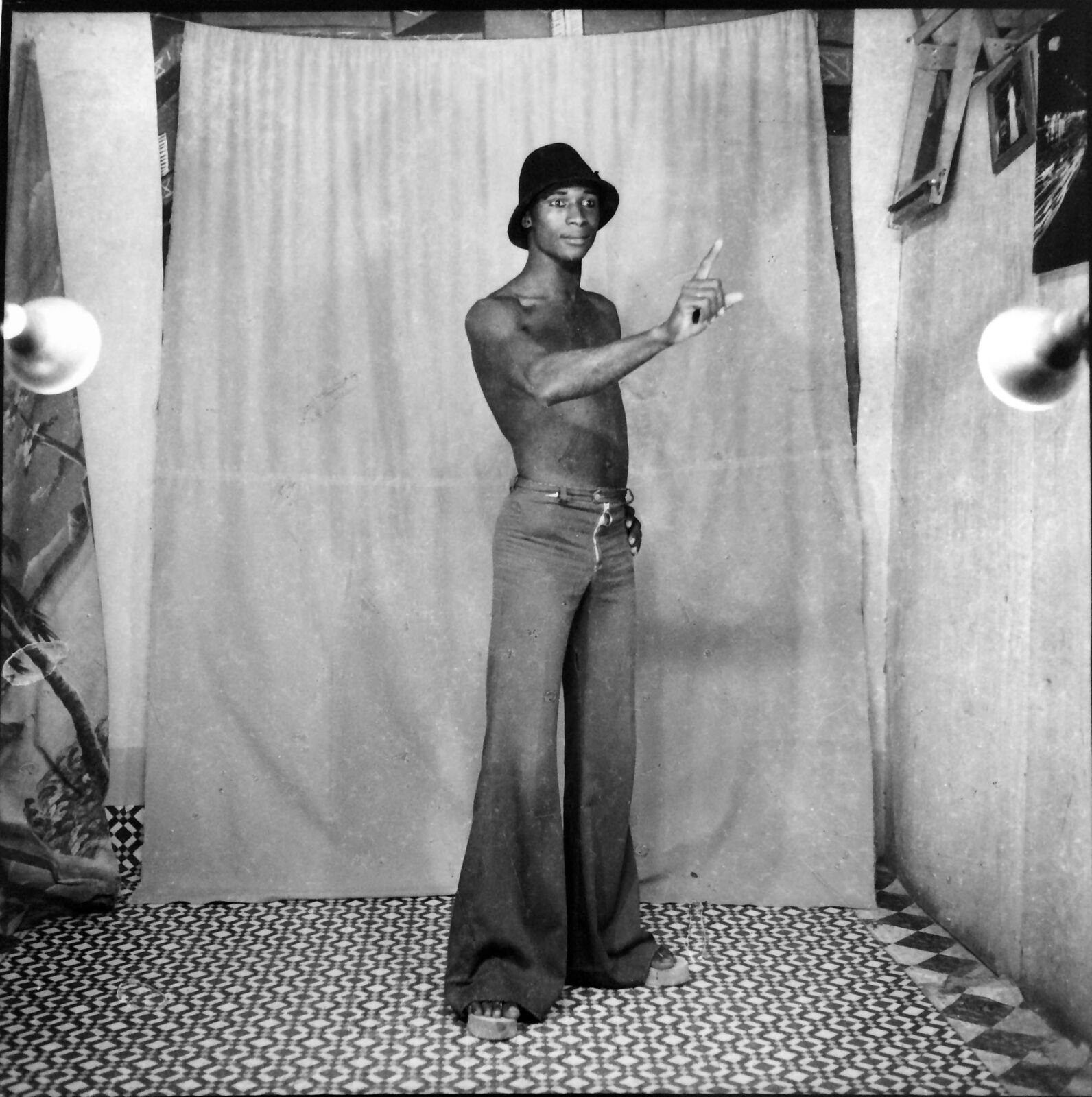
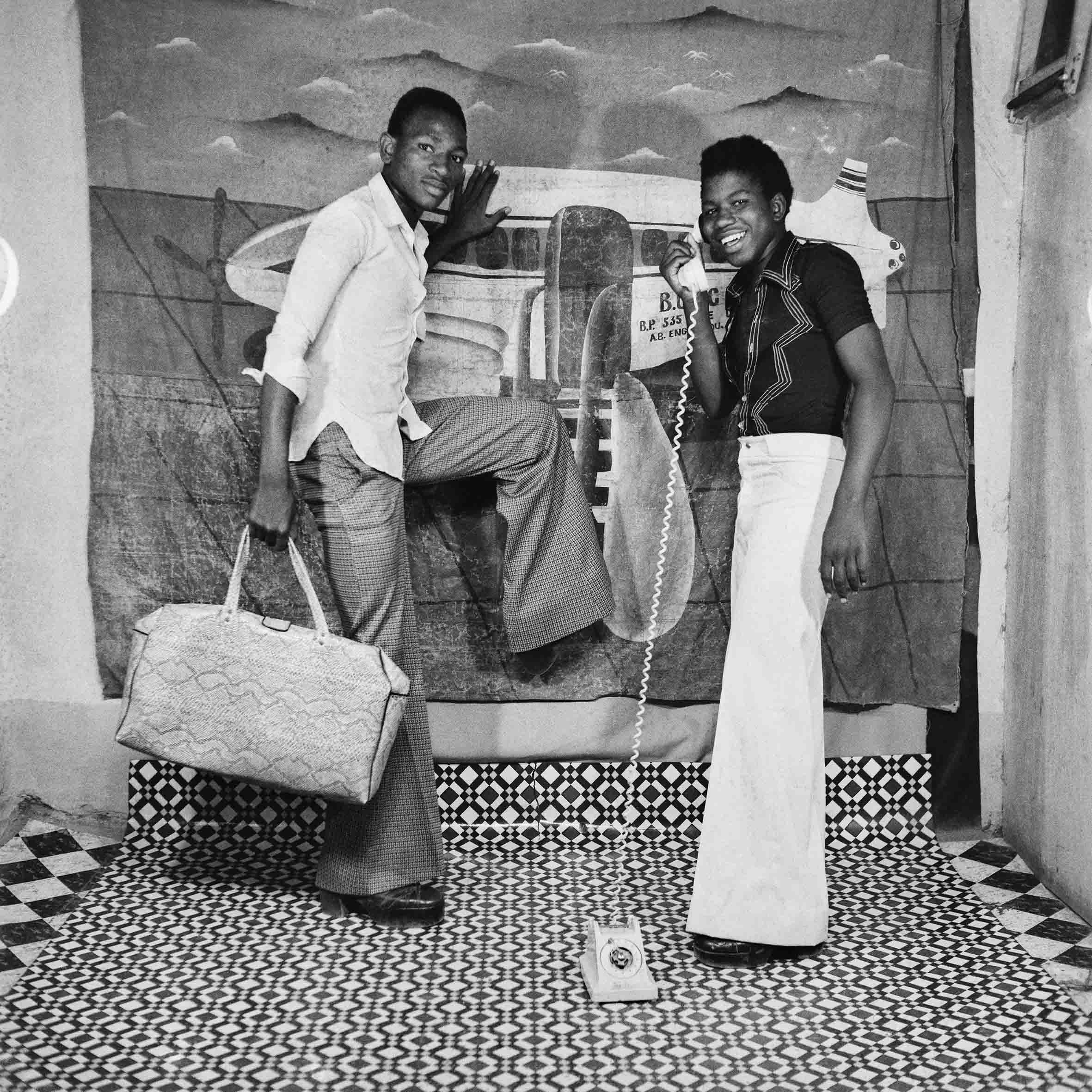
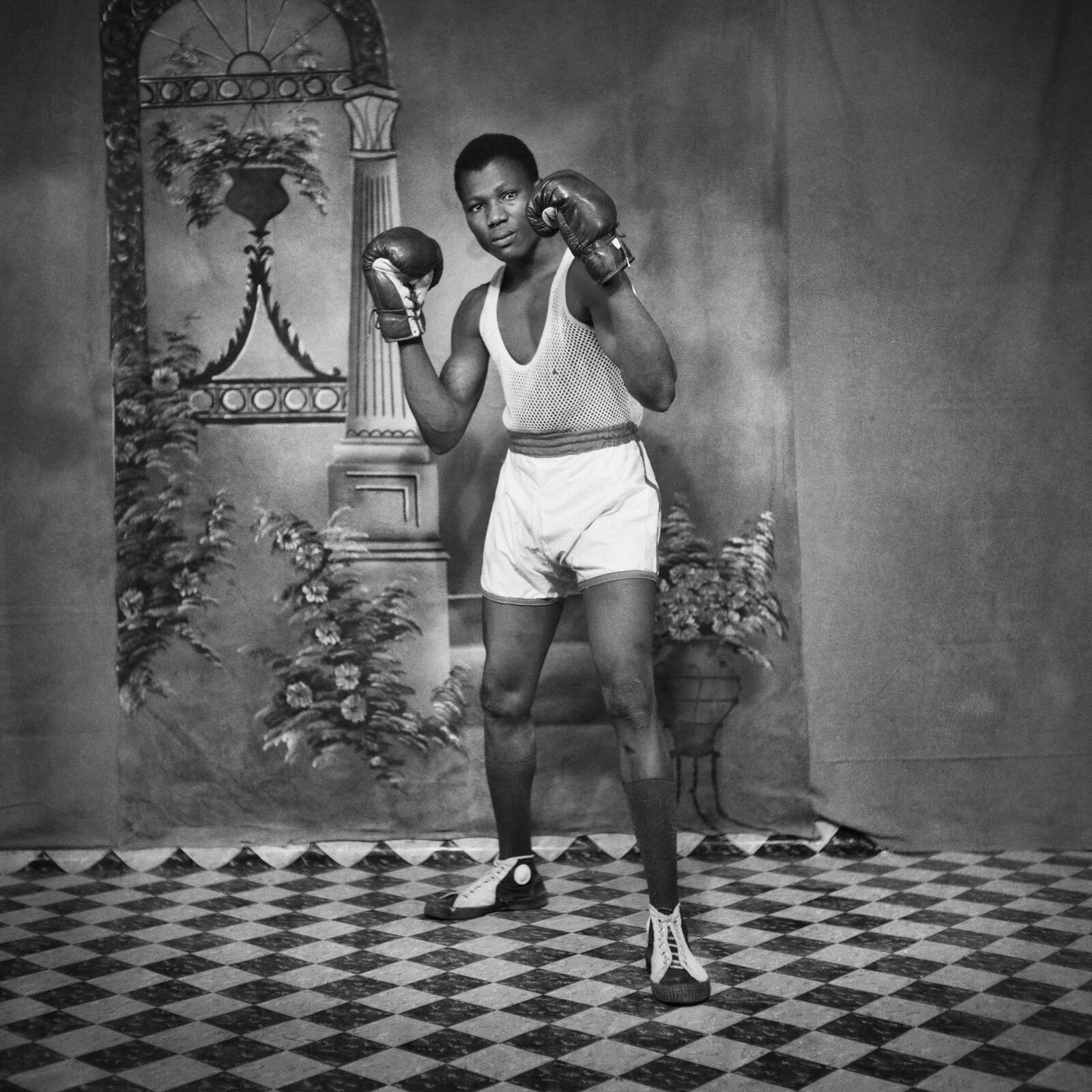
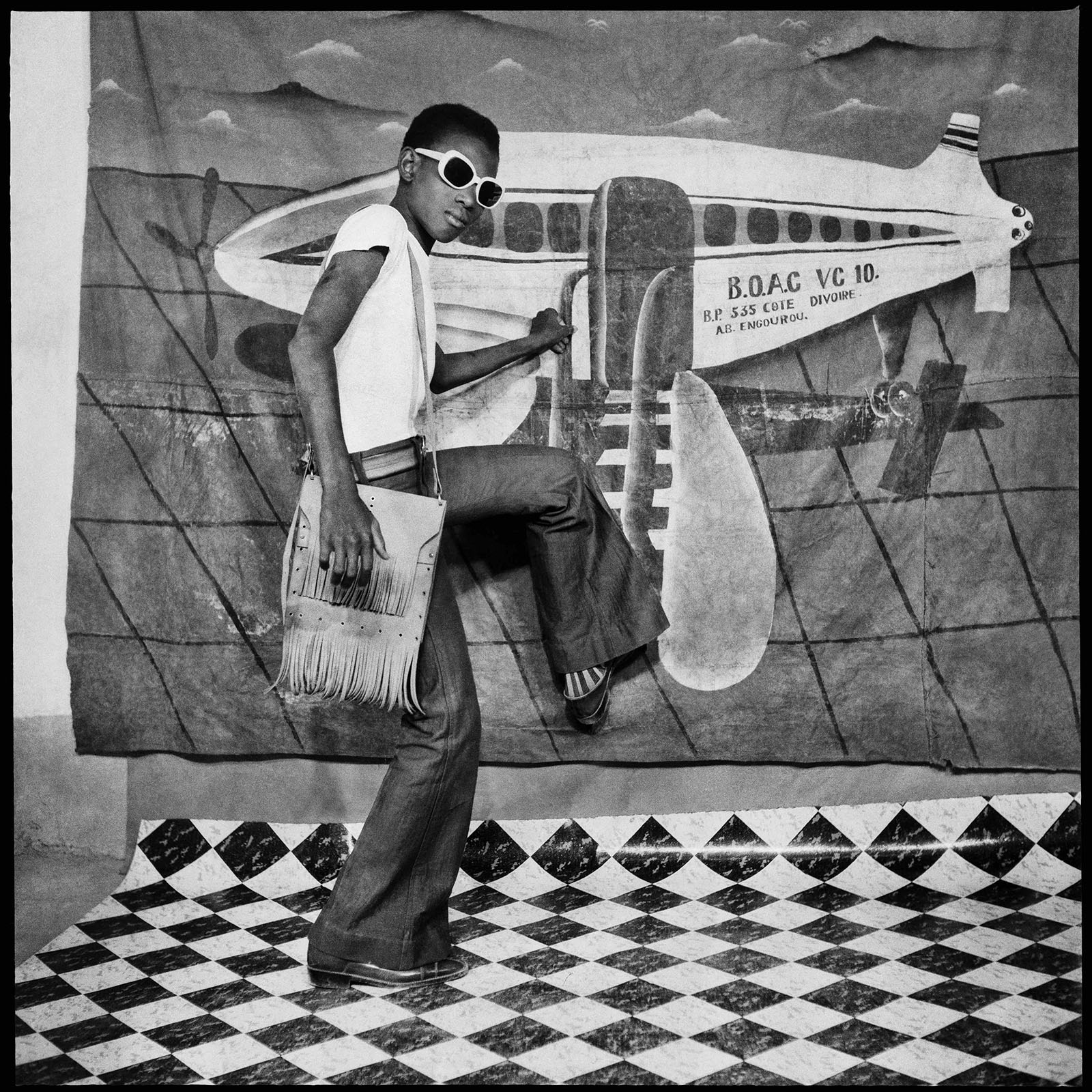
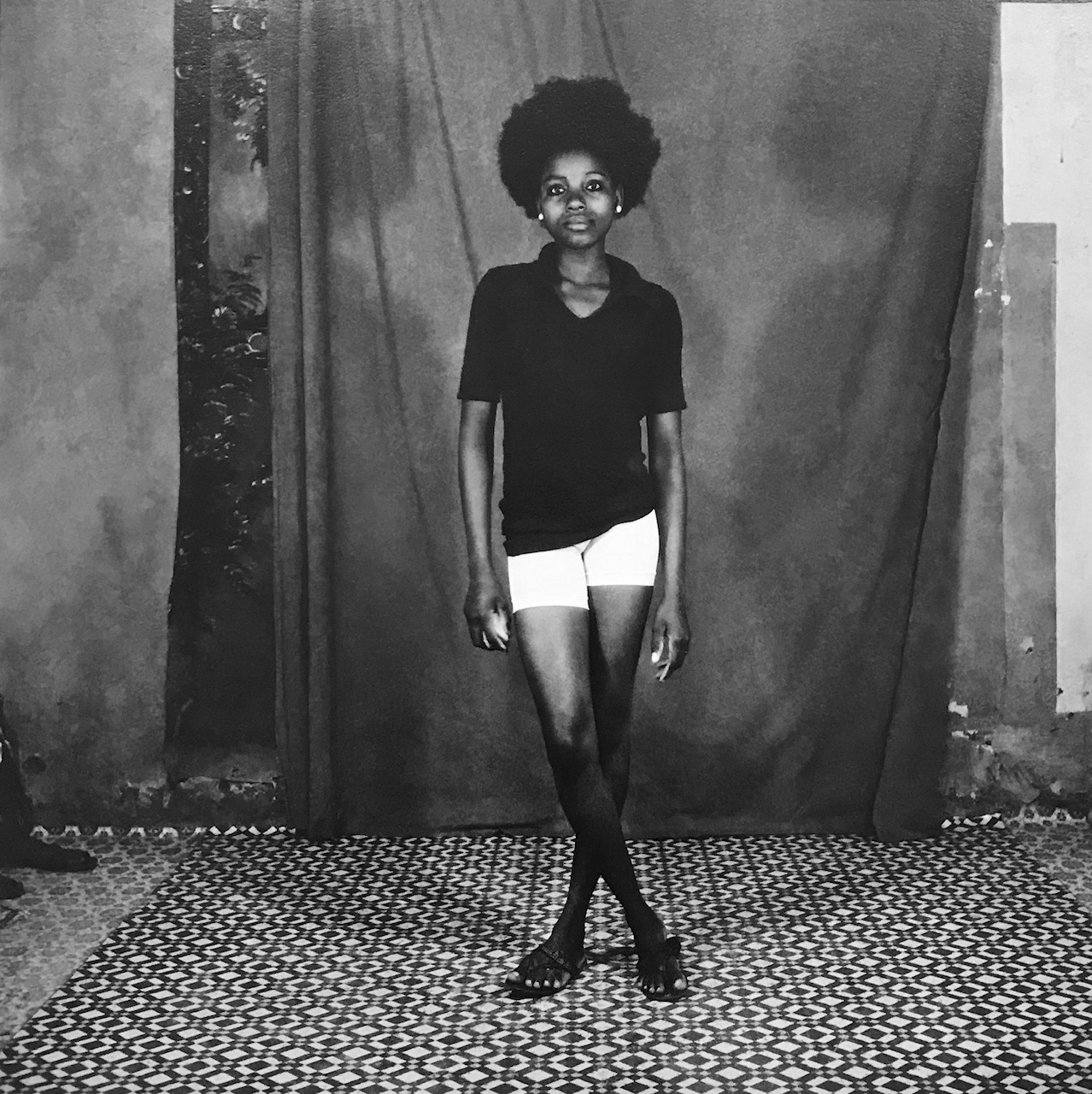
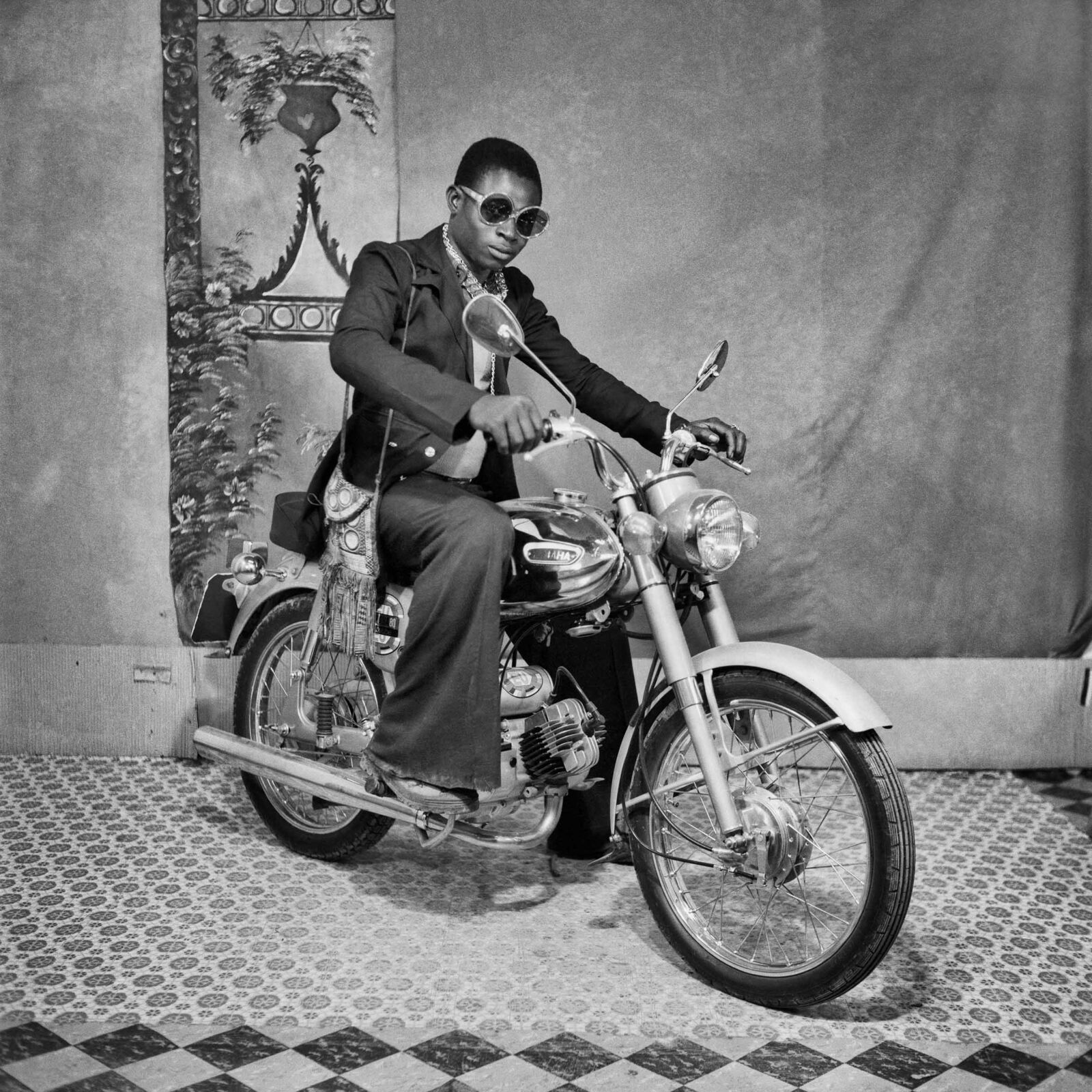
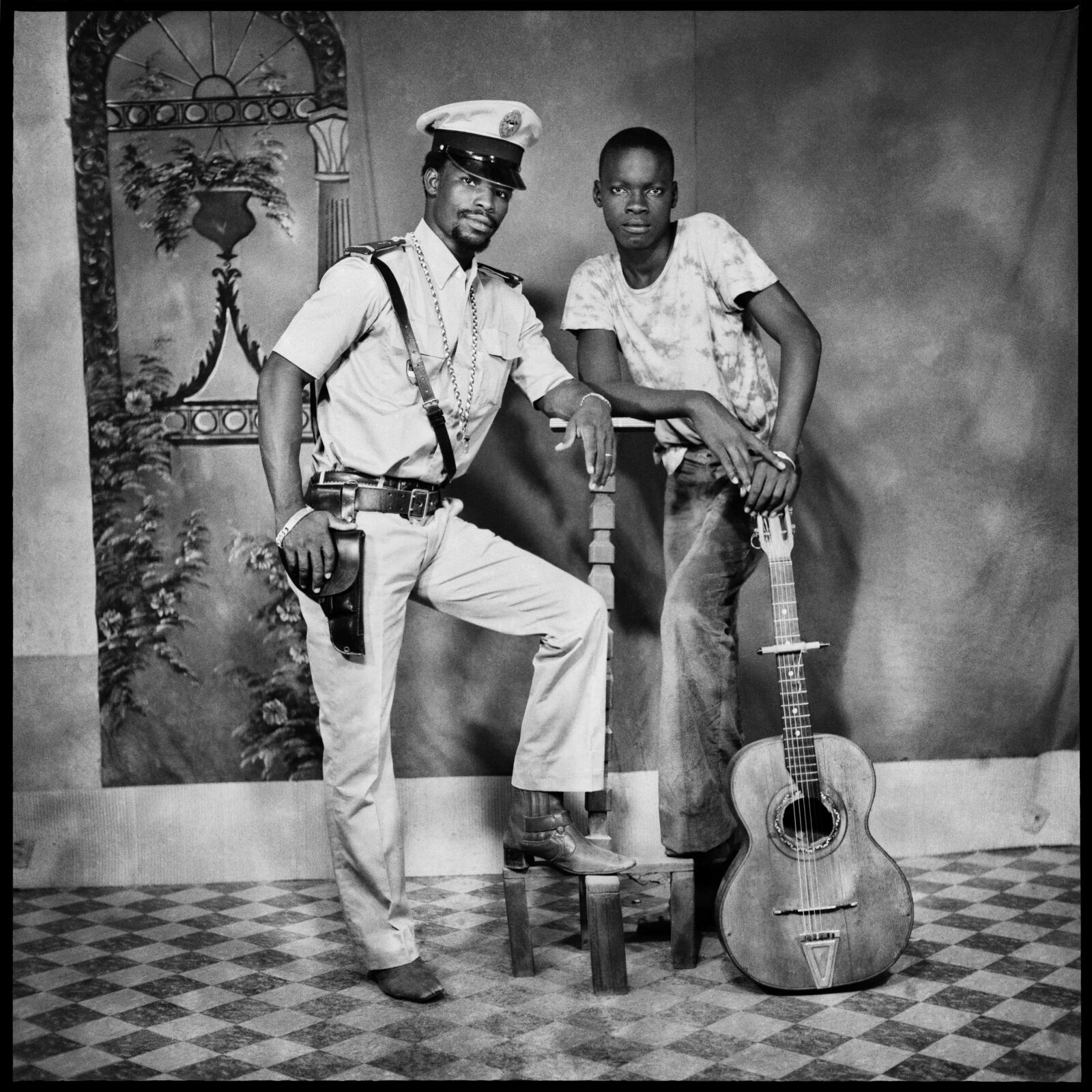
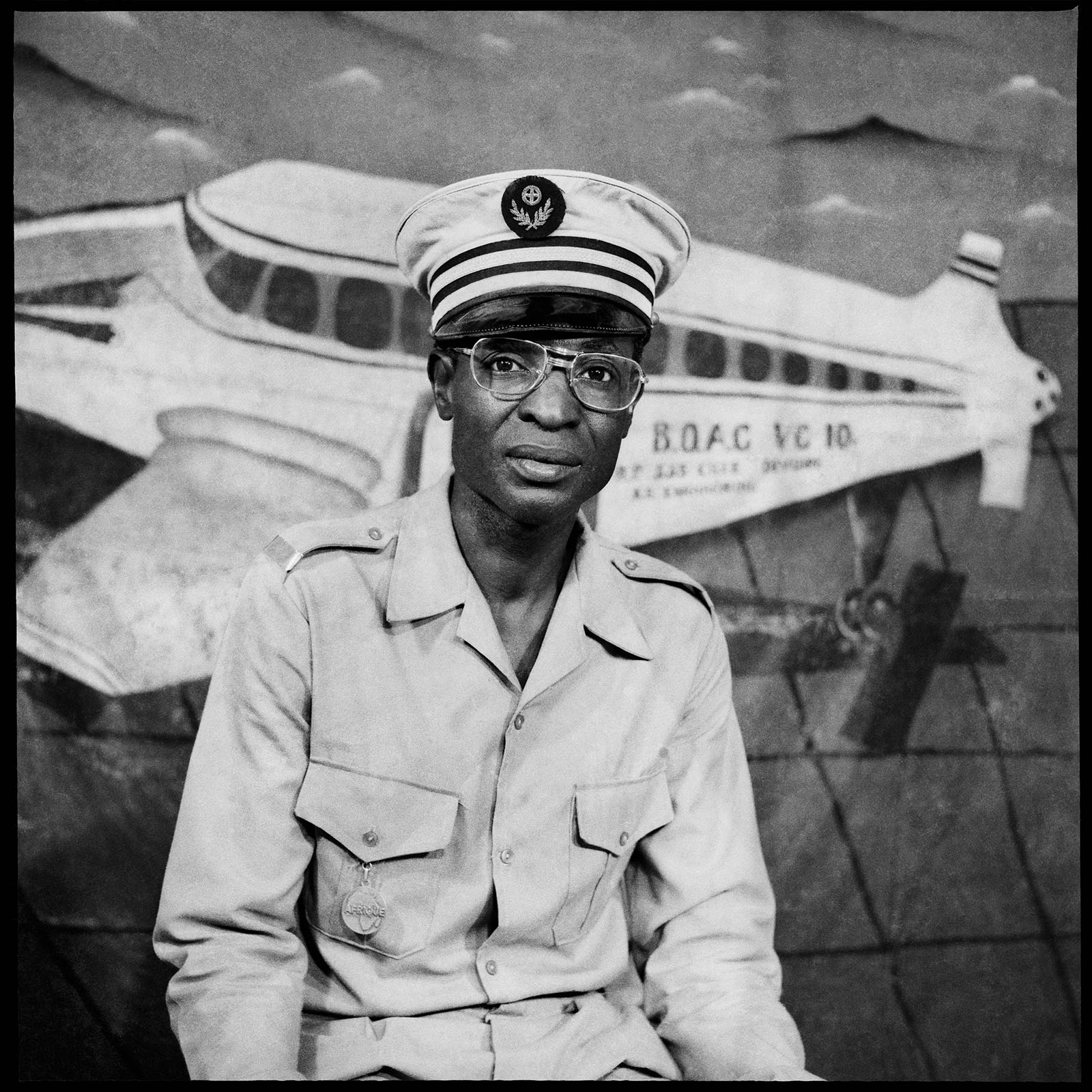
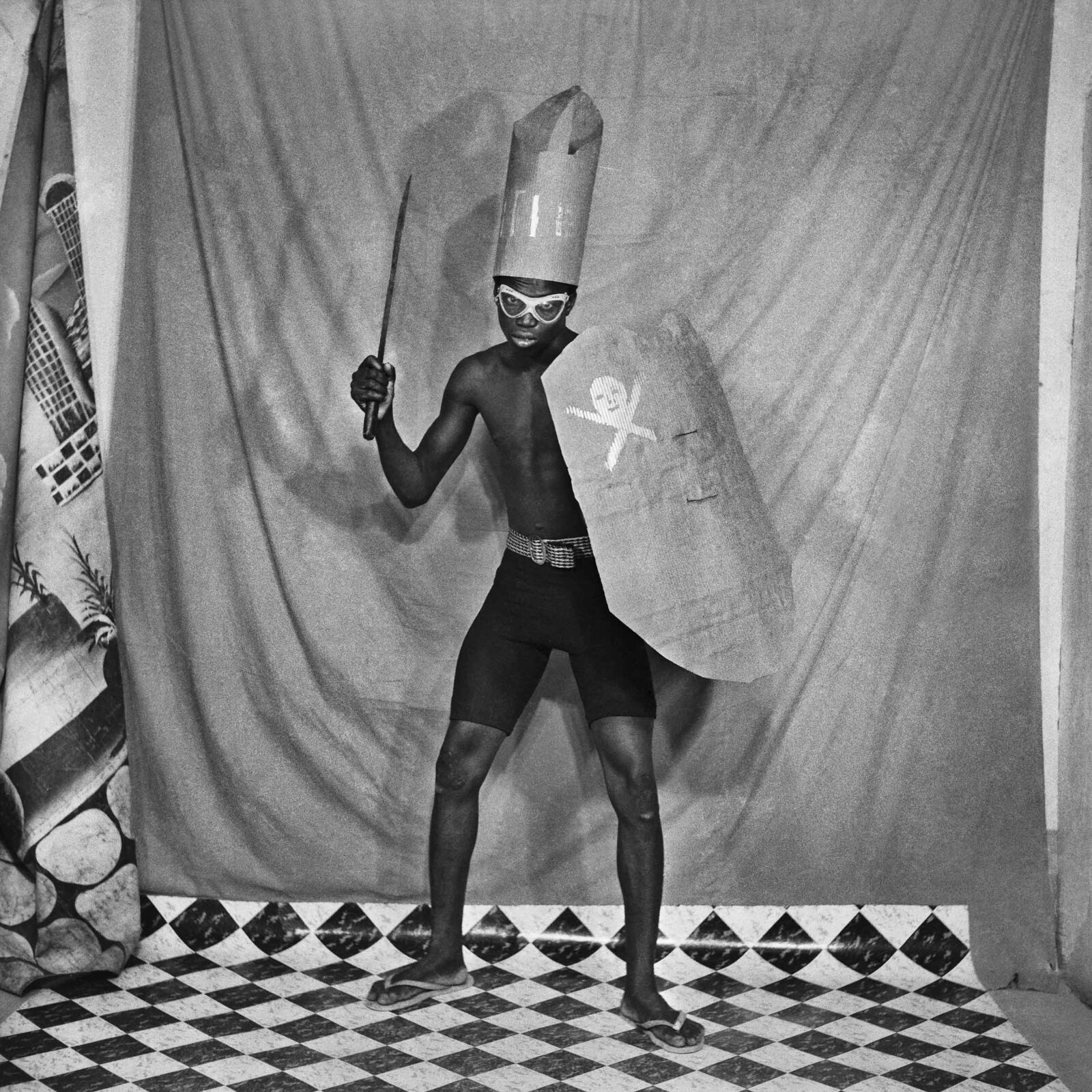
His painted backdrops — whether depicting modern cities, beach scenes, airplanes, or classical columns — were truly exceptional and unlike those of any other photographer in his country.
Recognition
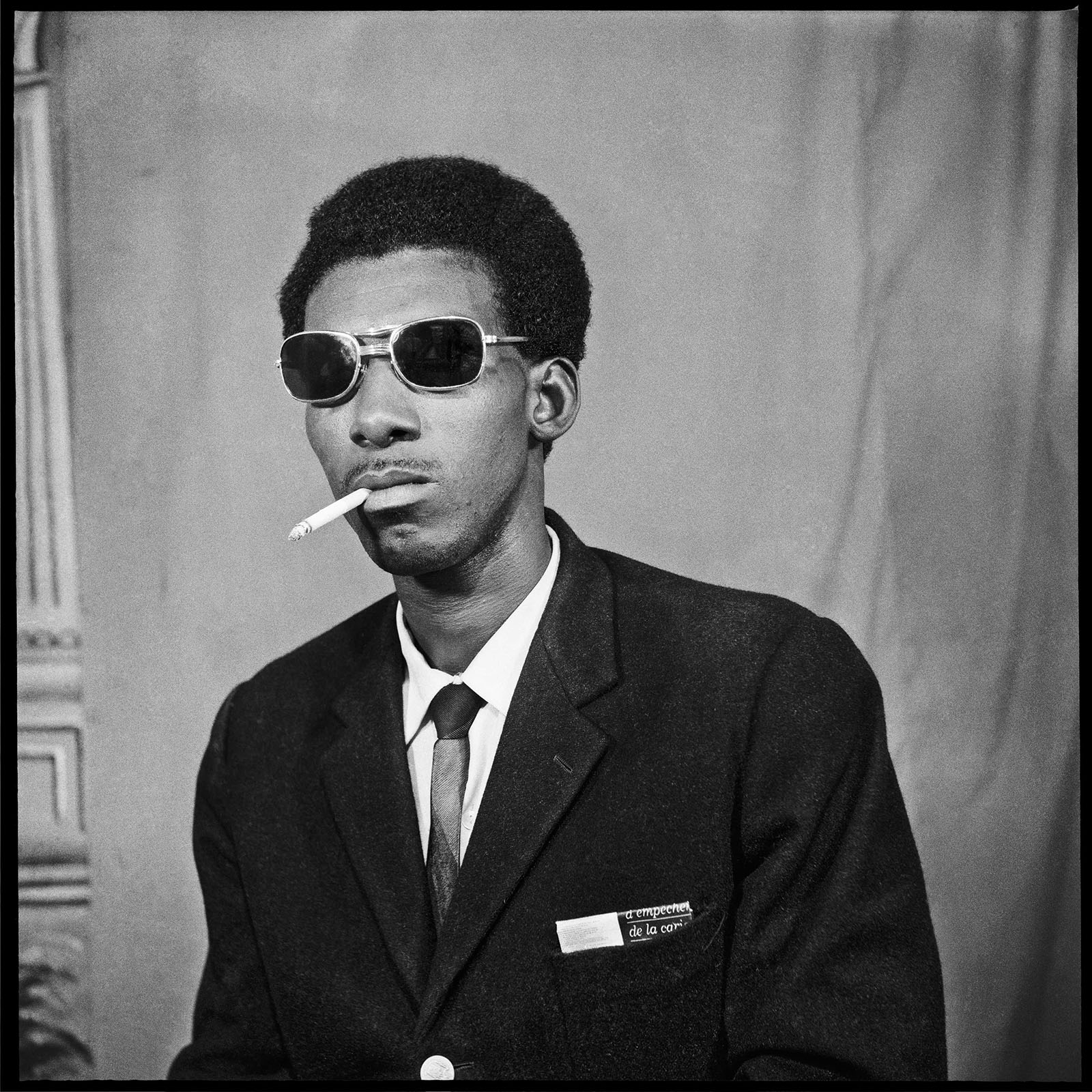
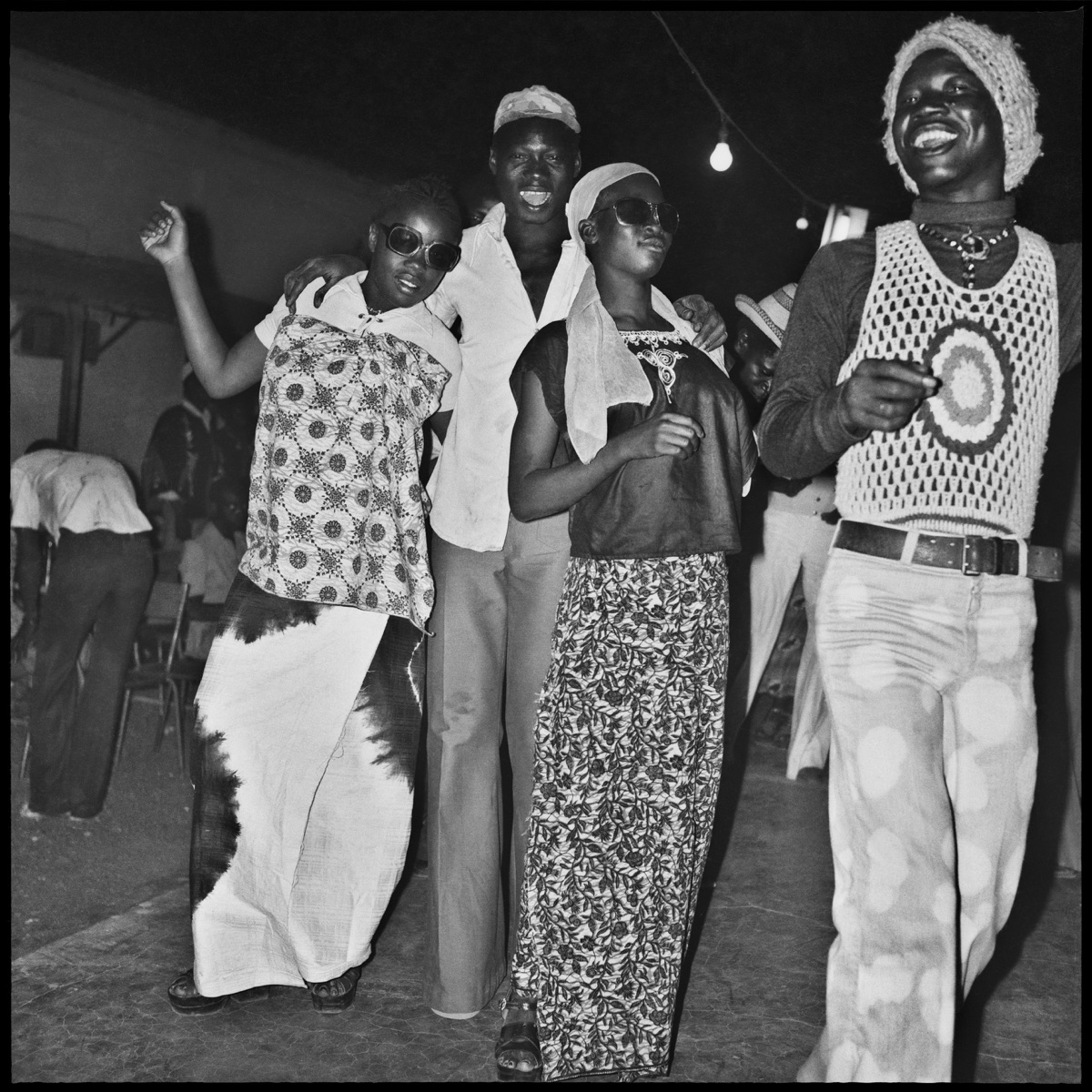
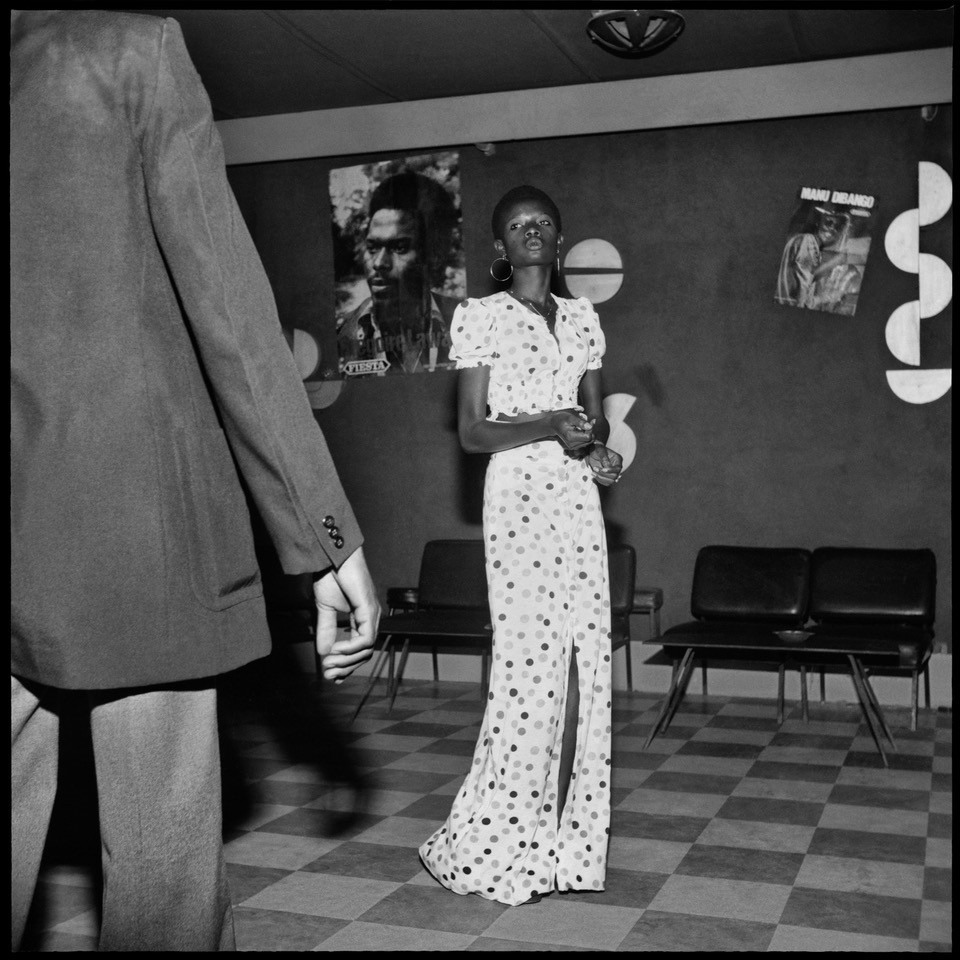
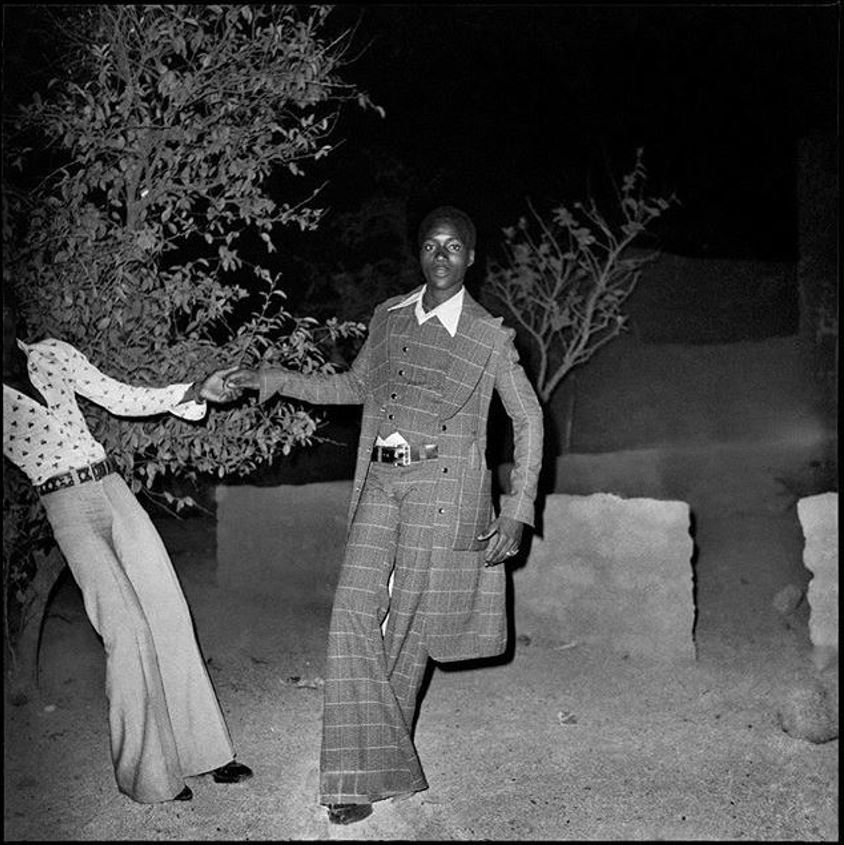
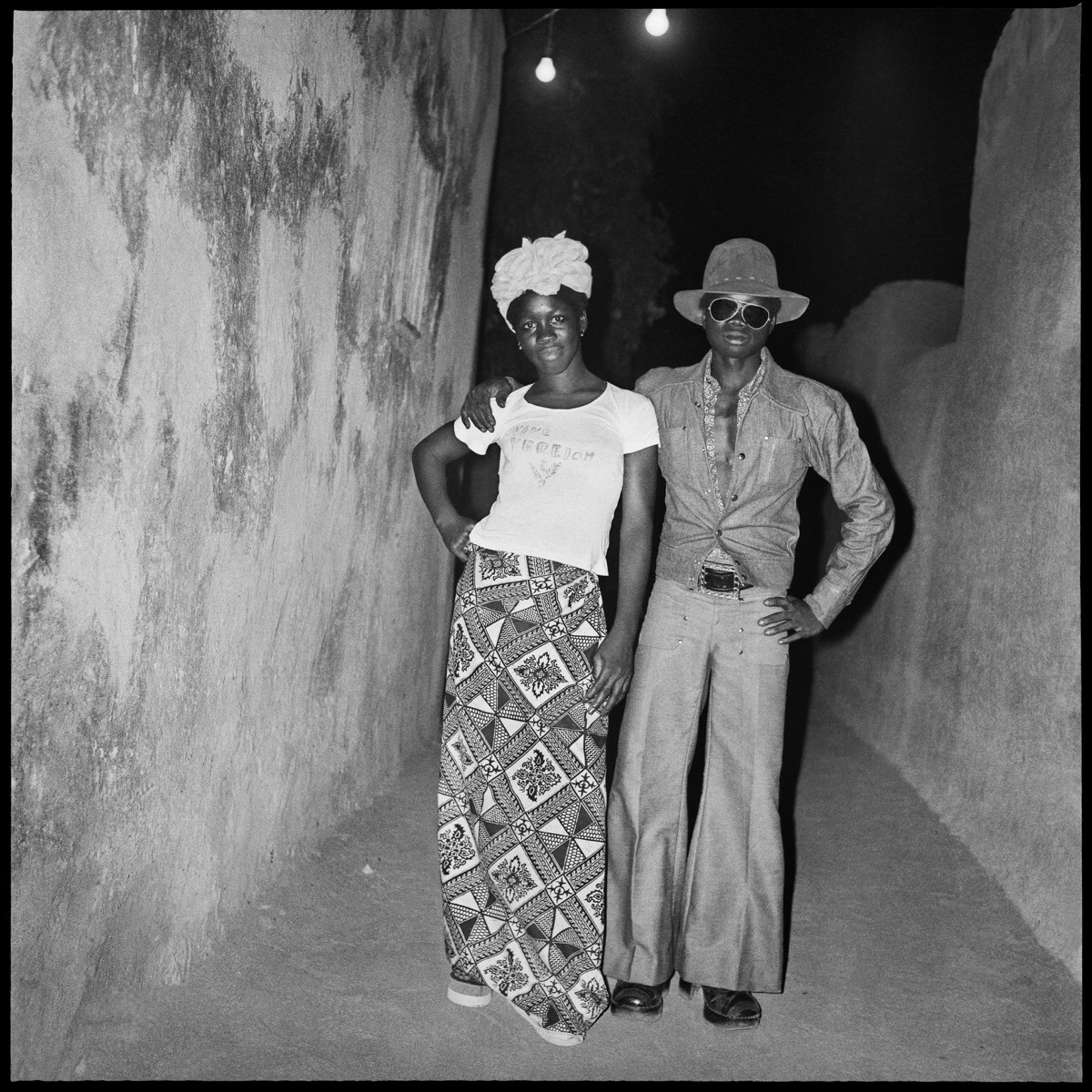
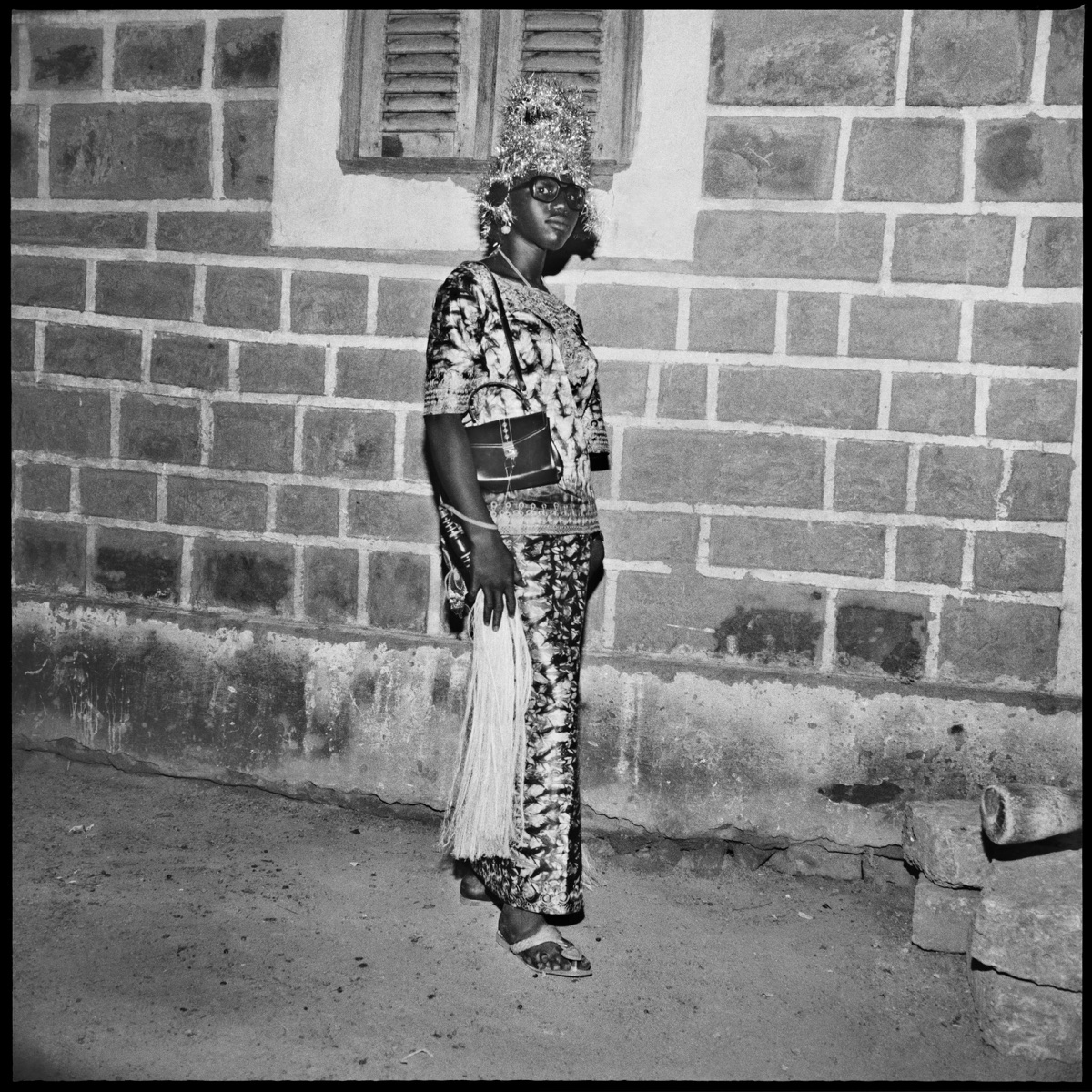
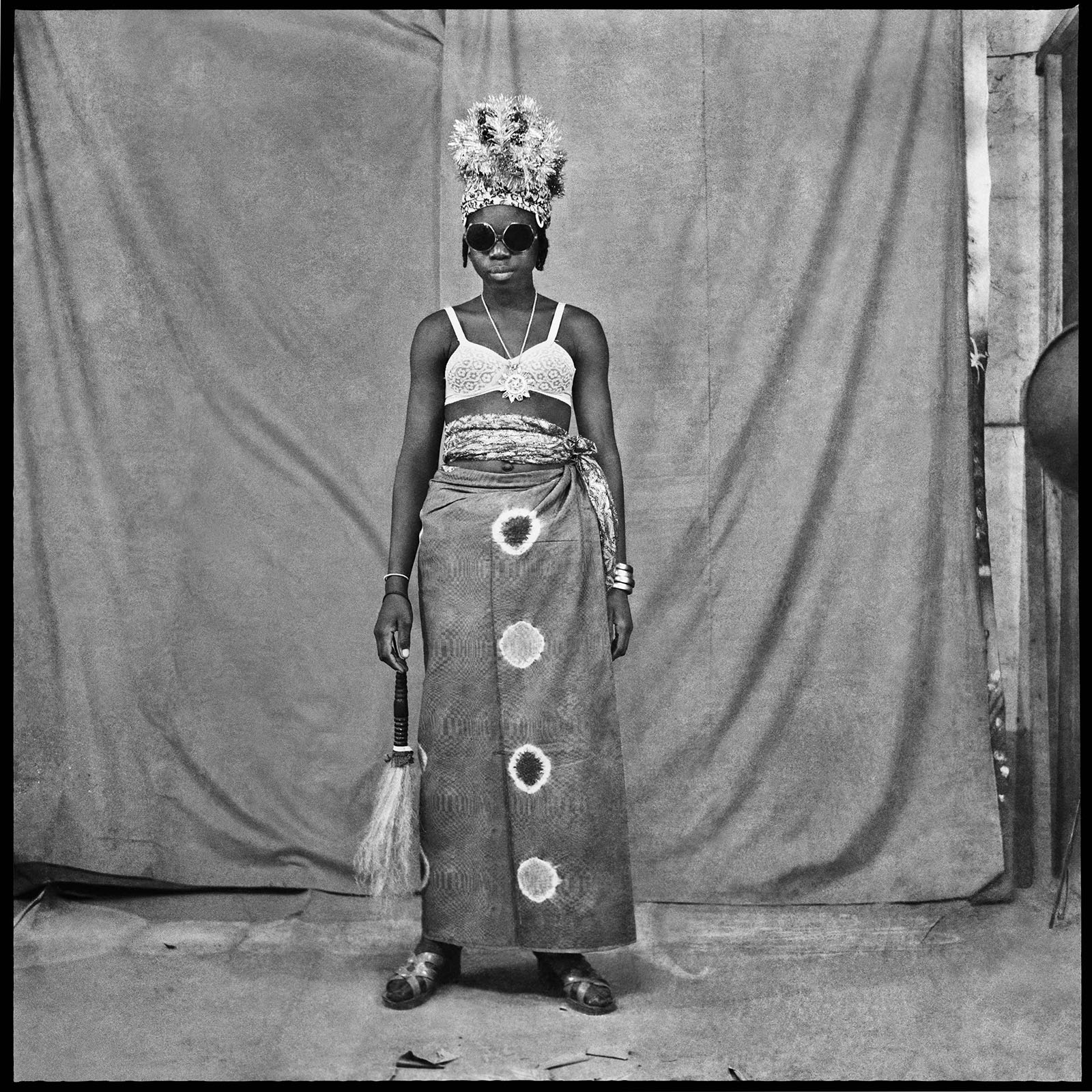
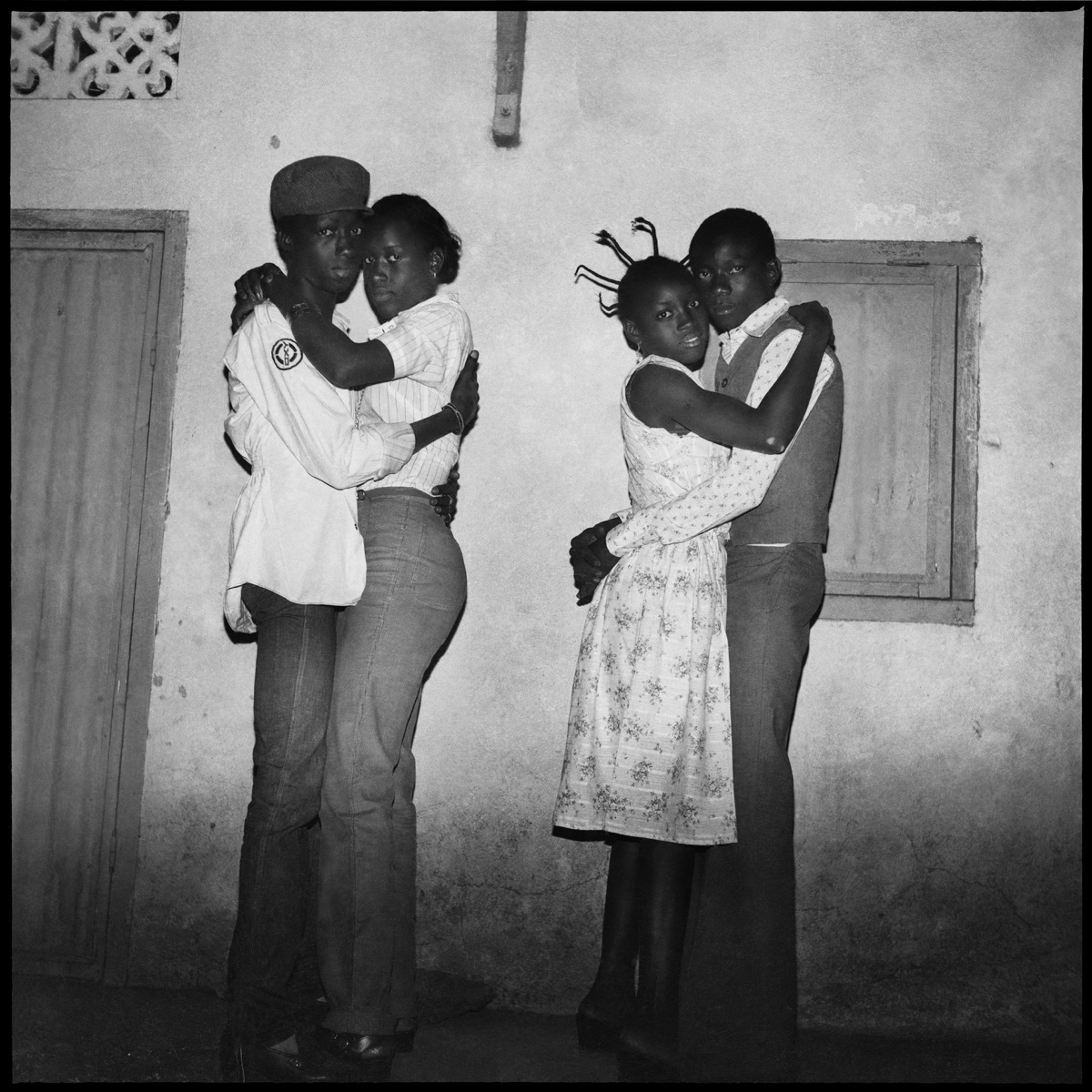
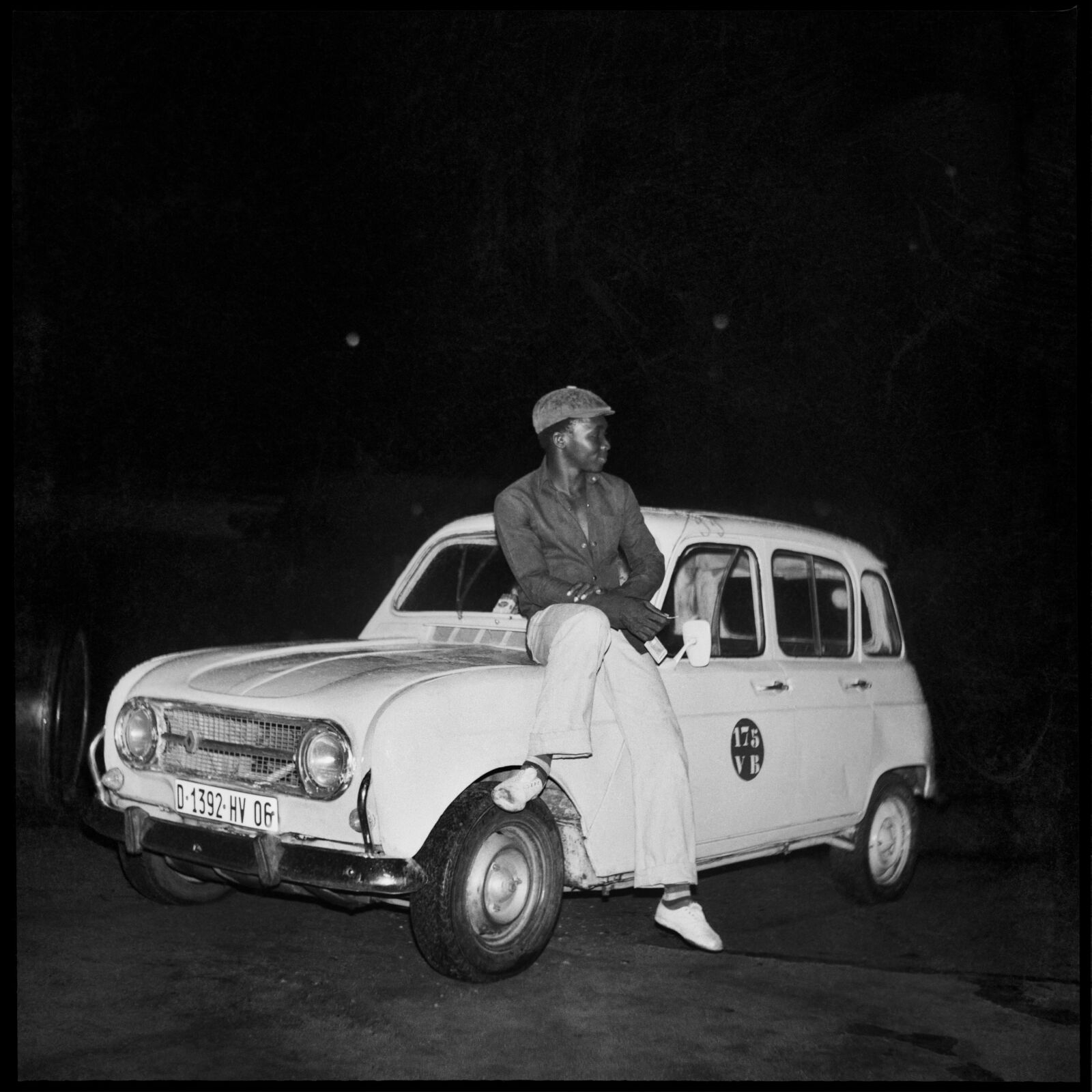
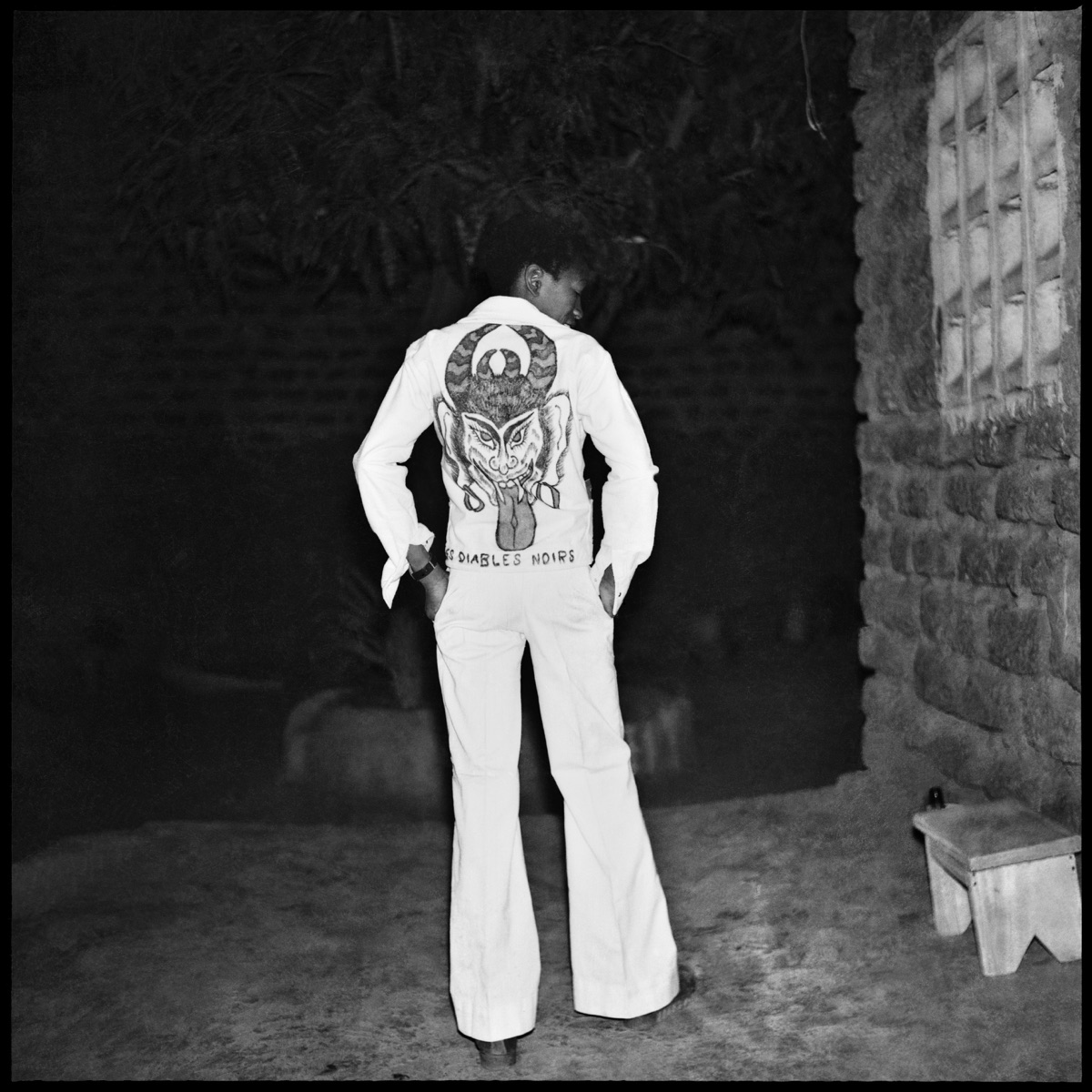
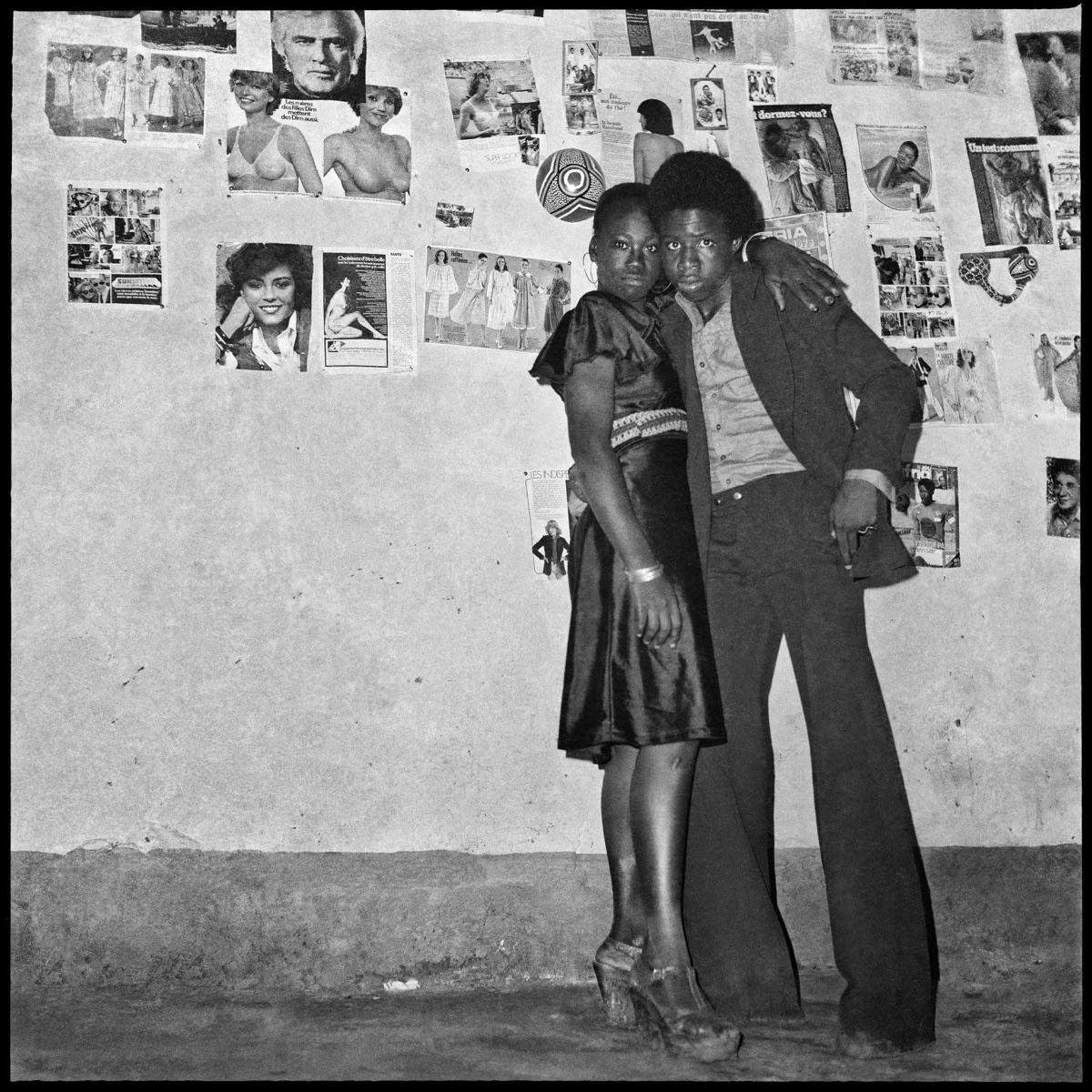
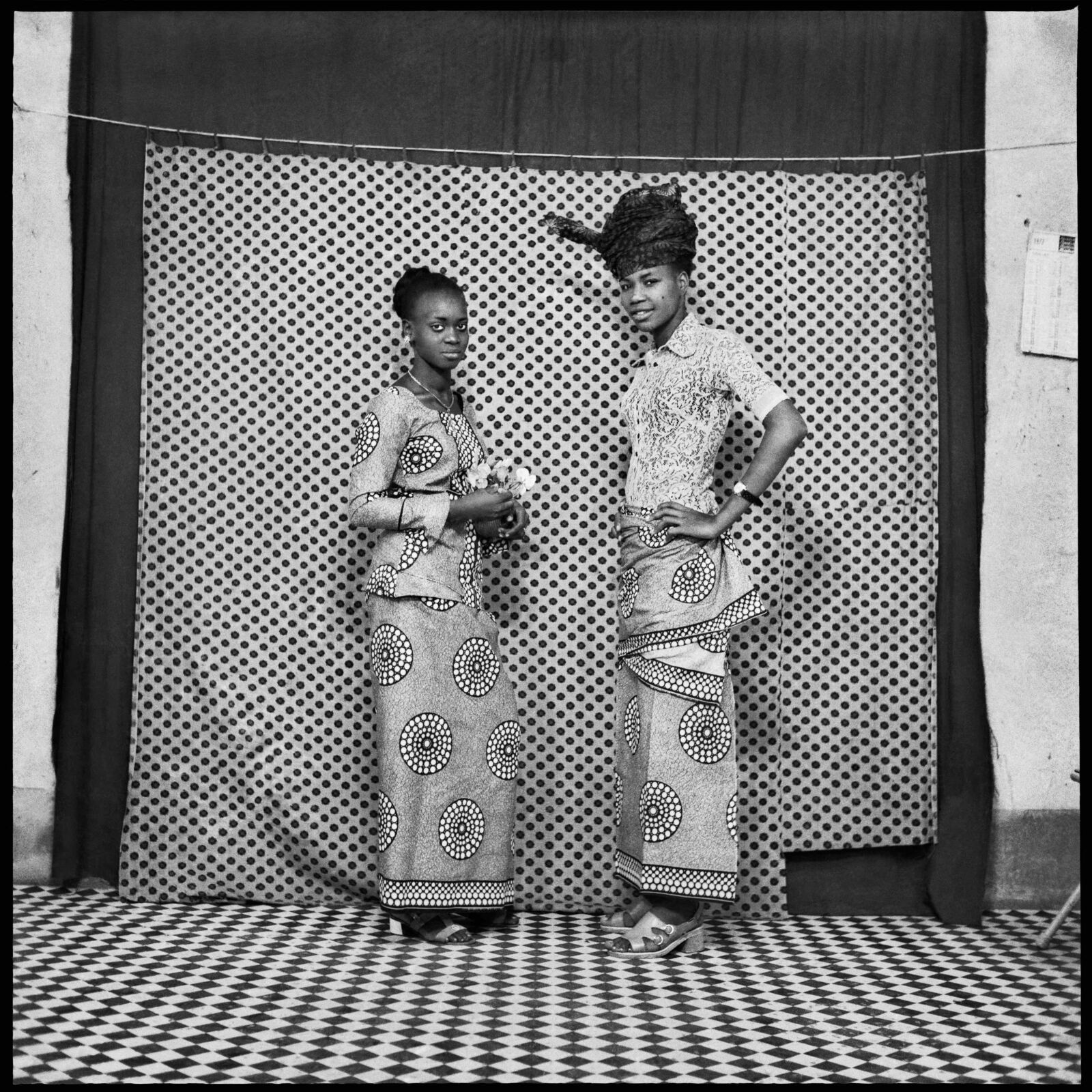
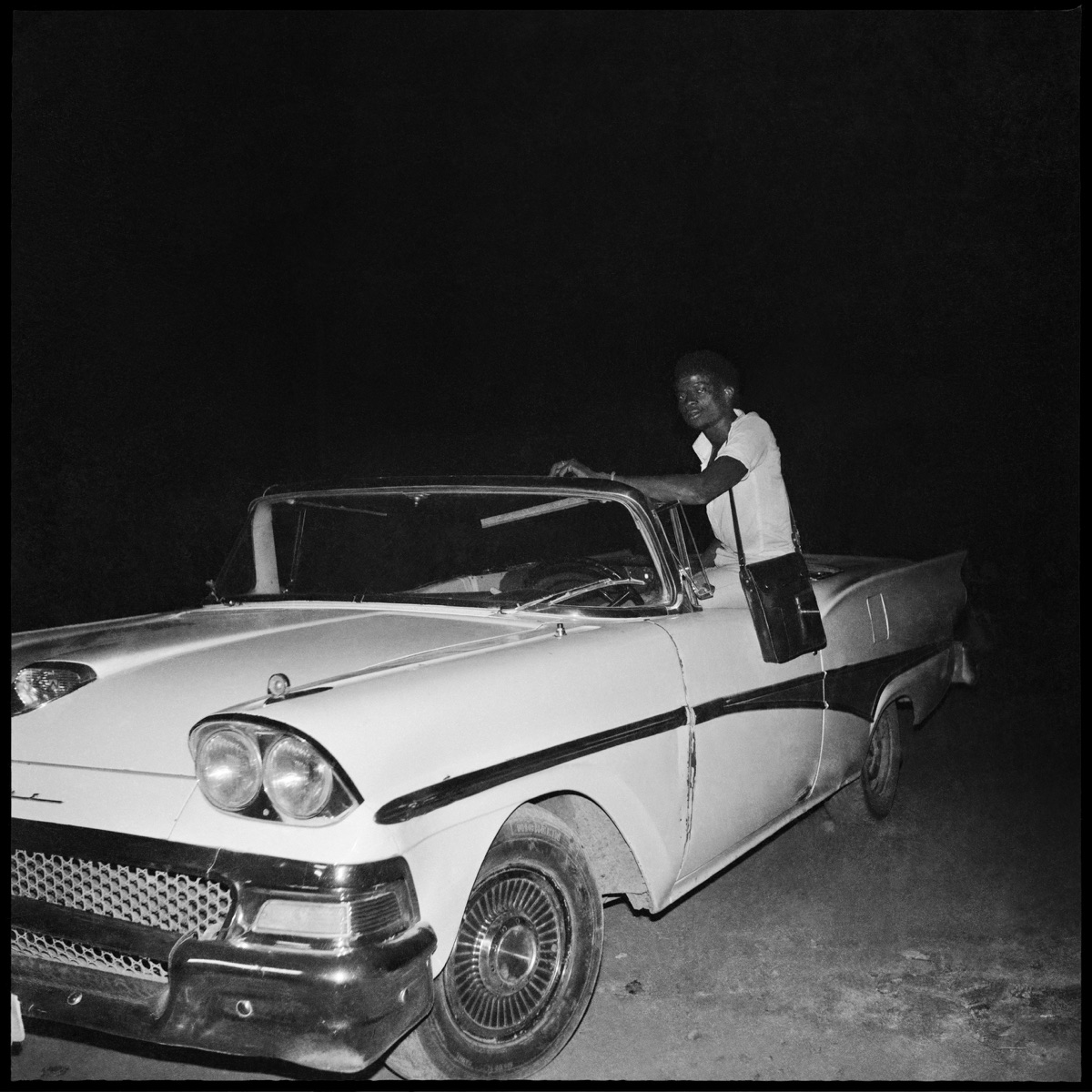
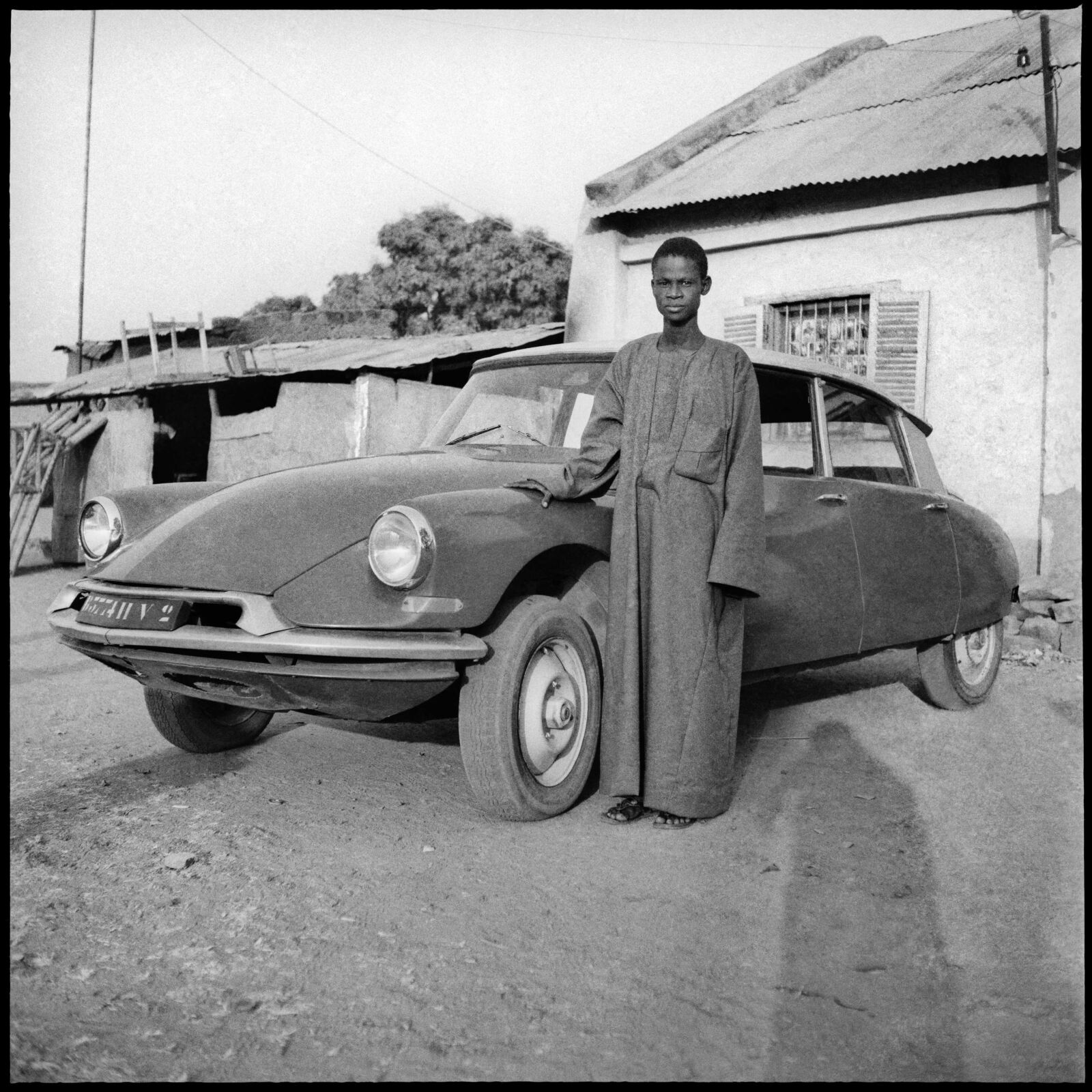
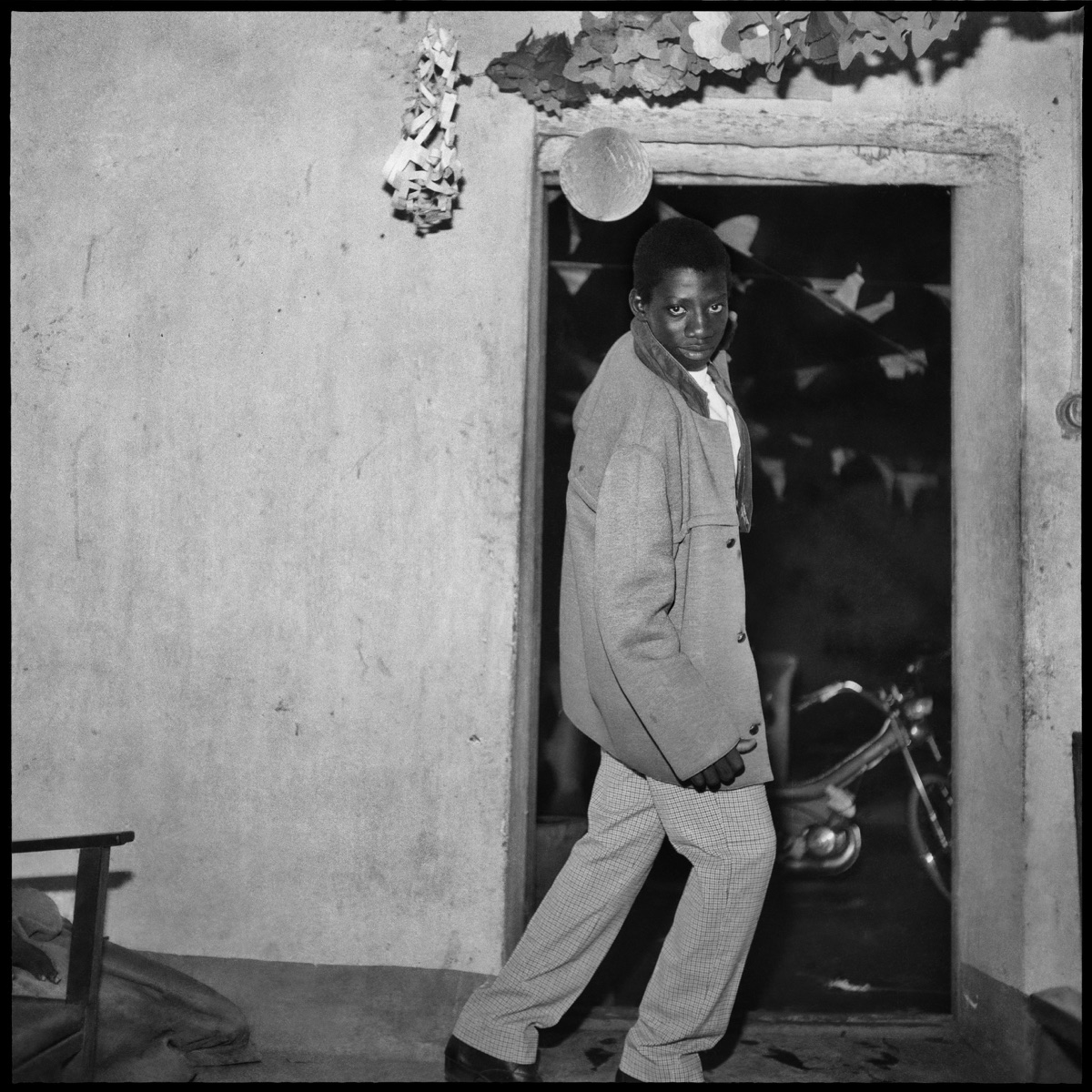
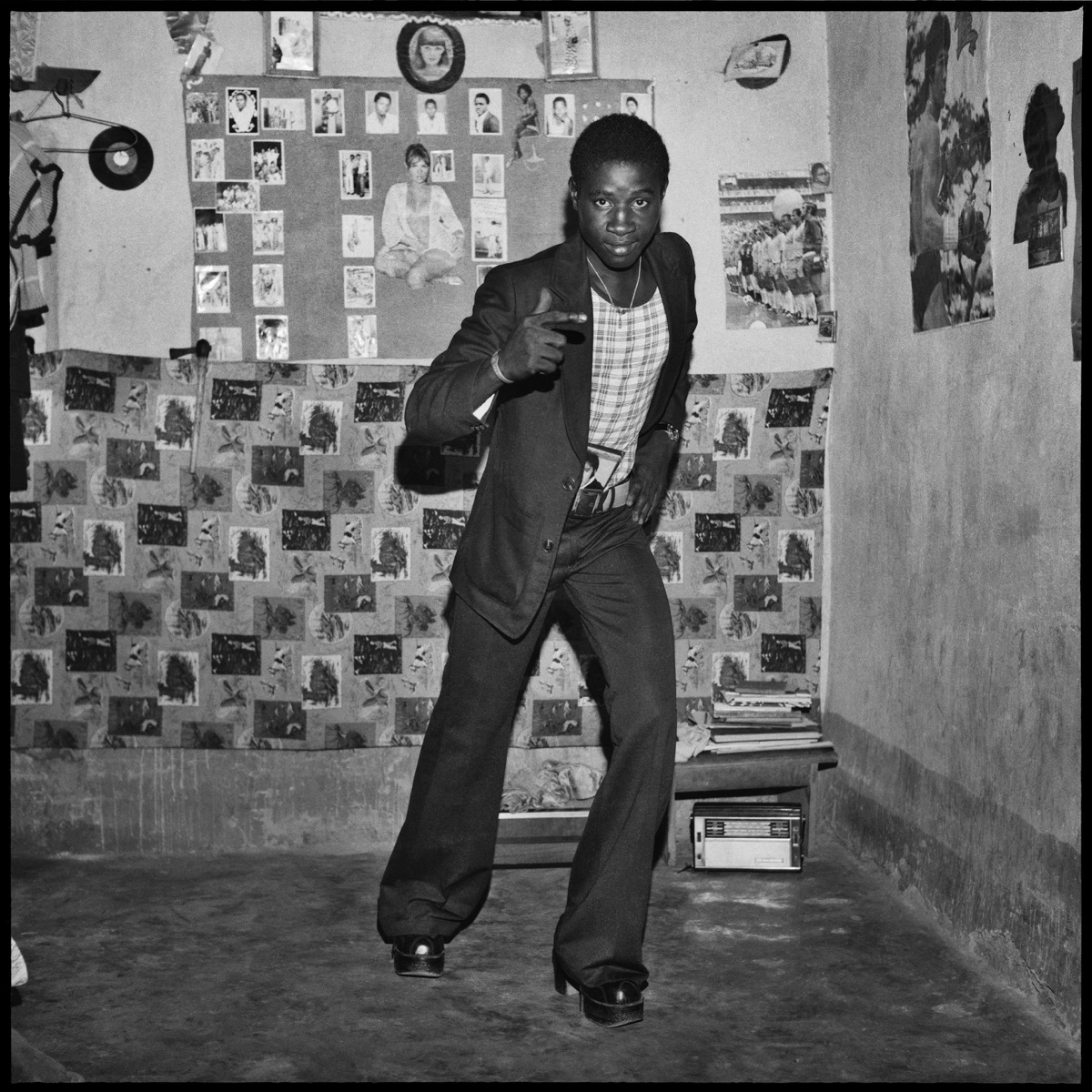
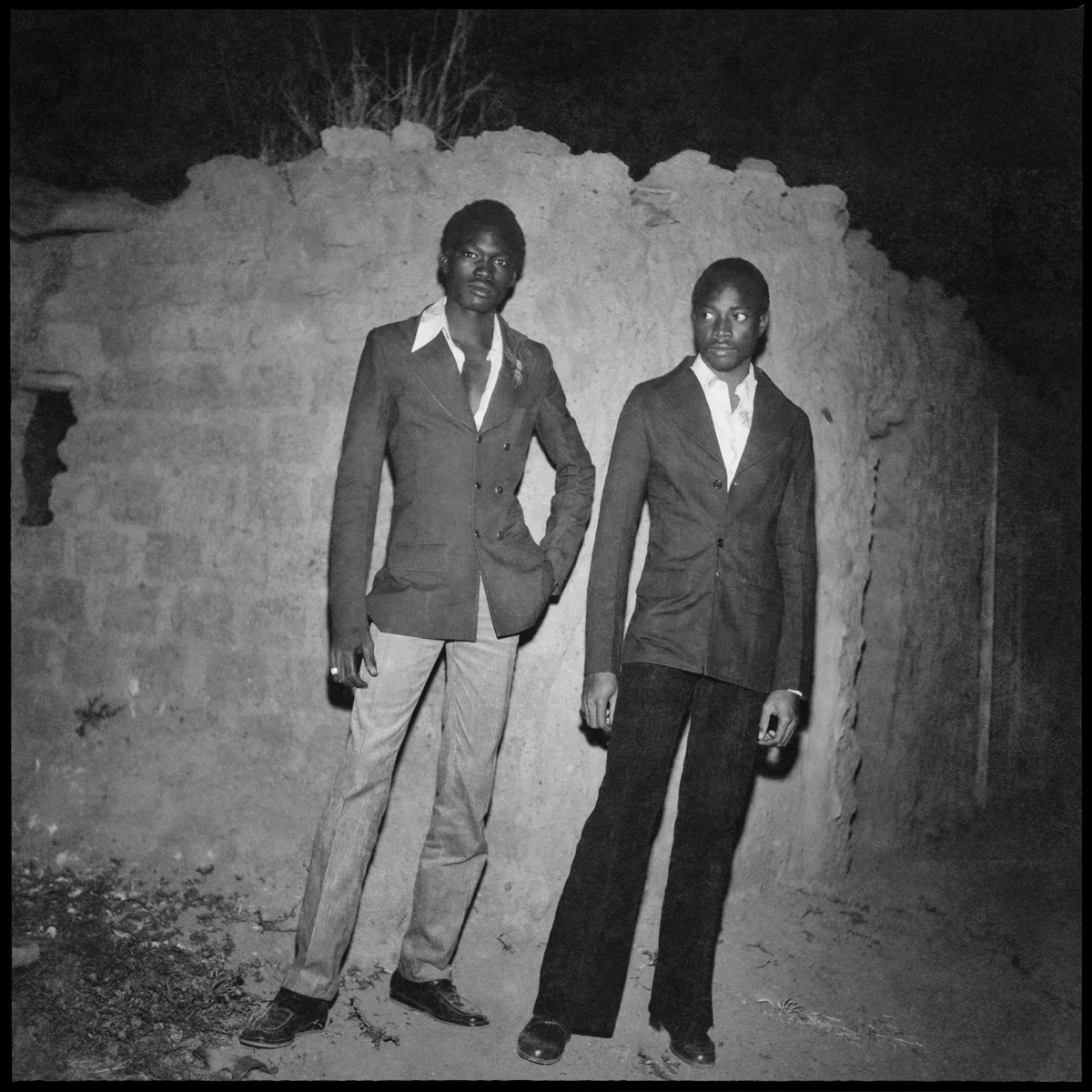
Whether standing still or moving playfully, his subjects illustrate in many ways the distance and melancholy of inland African cities at the heart of the continent. At the same time, they evoke a youthful exuberance that emerged during the first decades of African independence.
His lens intelligently explores the natural fusion between tradition and modernity. His black-and-white photographs truly magnified this golden age before the widespread use of 35mm formats and color film added to what William Eggleston described as the “democratic forest” — an endless diffusion of photographic imagery into public space.
Unknown, forgotten, or overlooked for many years, the golden age of Voltaic photography finds one of its most complete expressions in Sory Sanlé. Preserved over several decades, his images bear witness to a unique social and cultural vitality. Marked by a natural elegance, his photographs of Bobo-Dioulasso echo Renoir’s words: “The more local it is, the more universal it becomes.”
Reading the Work
Sory Sanlé’s work finds its balance in a vibrant, musical, and popular studio photography practice closely tied to urban identities and cultural energy. It stands out for its strong heritage value, the freshness of its poses, and its rare testimony to a defining era in African cultural history. His photographs benefit from a close reading attentive to nuance: a compositional detail, a particular distance maintained with the subject, a quality of light, or a texture often reveals their depth.
 Inspirations
Raphael Macek : « Over the Dunes »
- Inspirations
Homage to Brigitte Bardot (1934 – 2025)
More artworks on request.