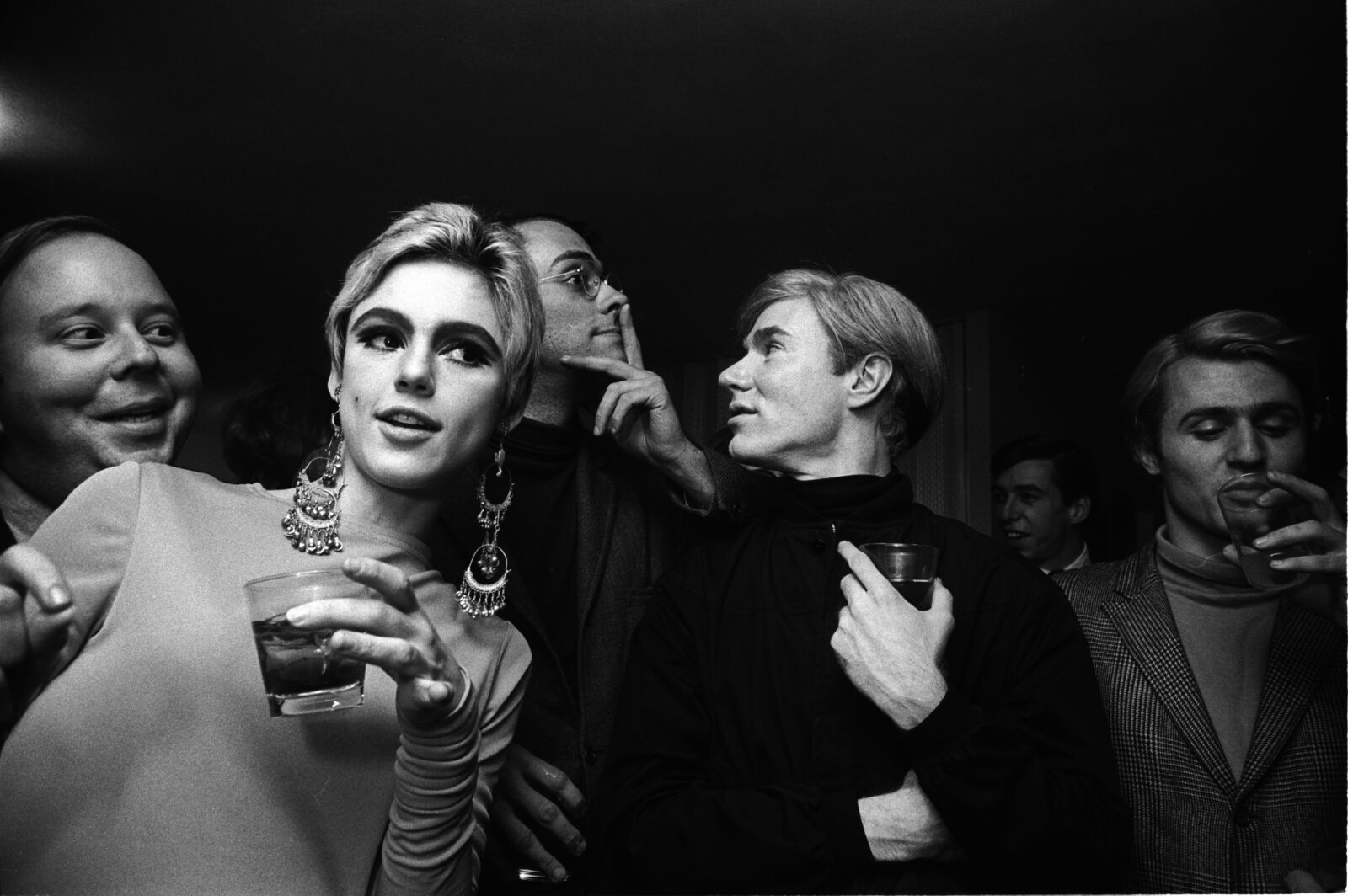
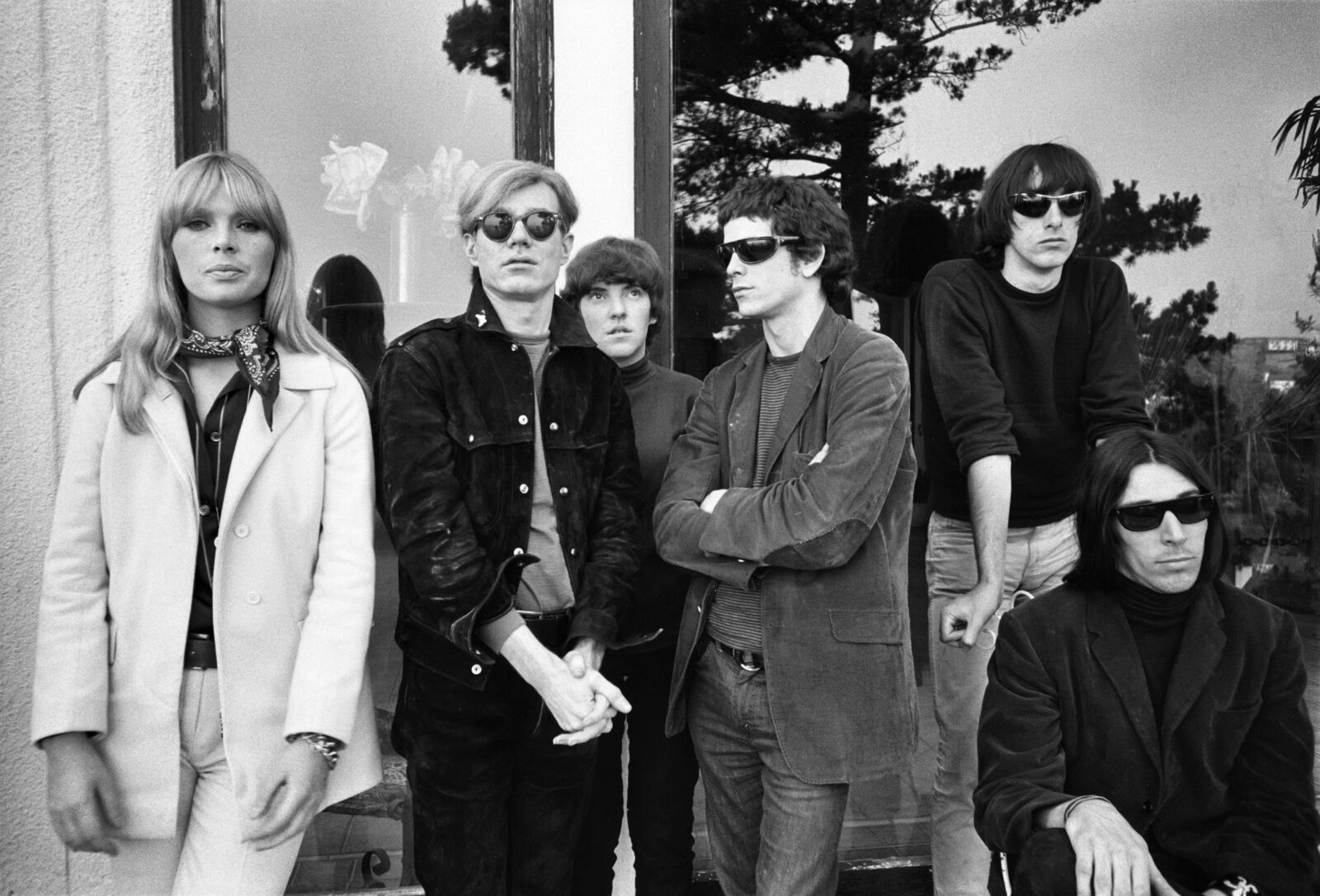
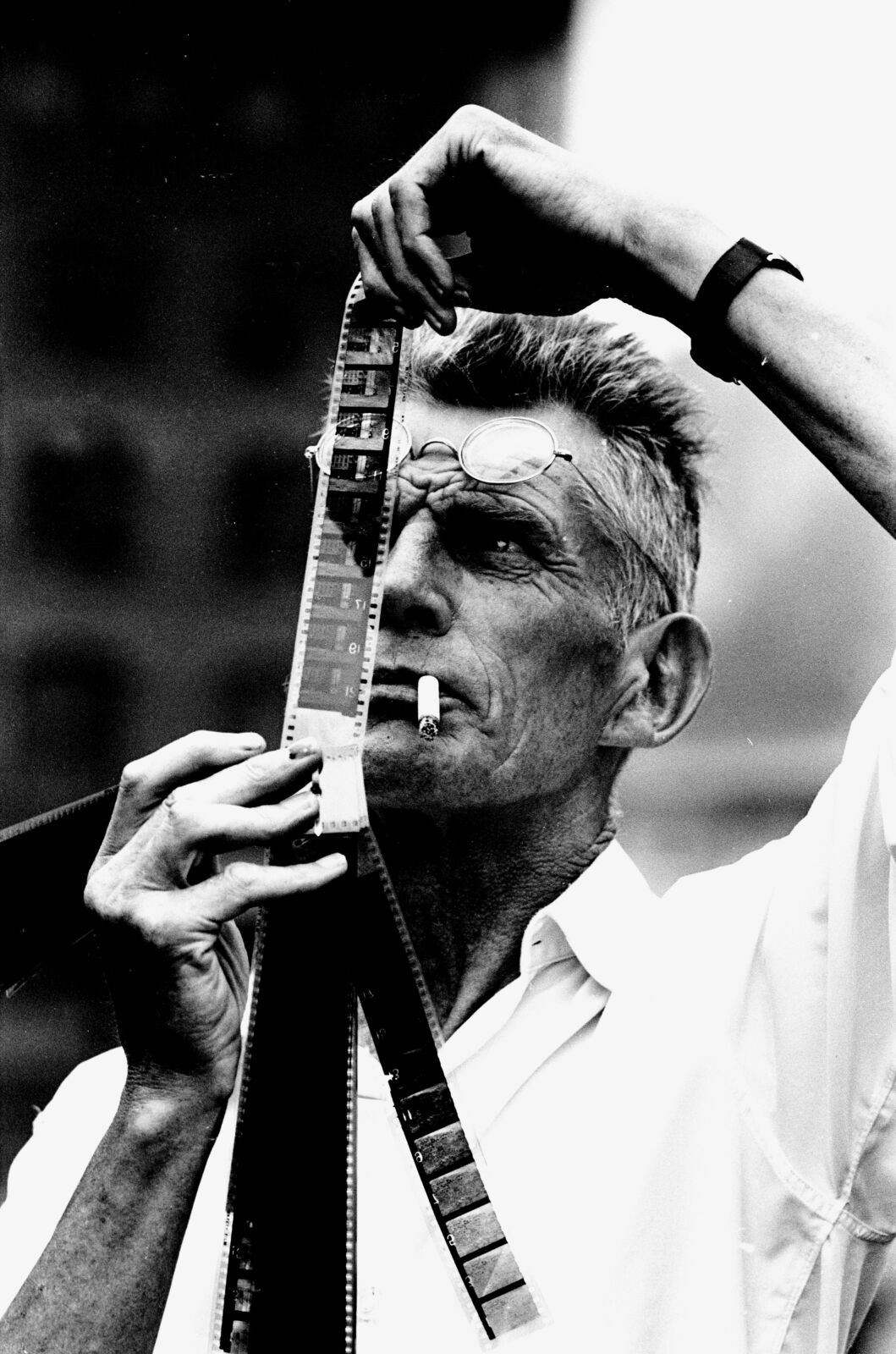
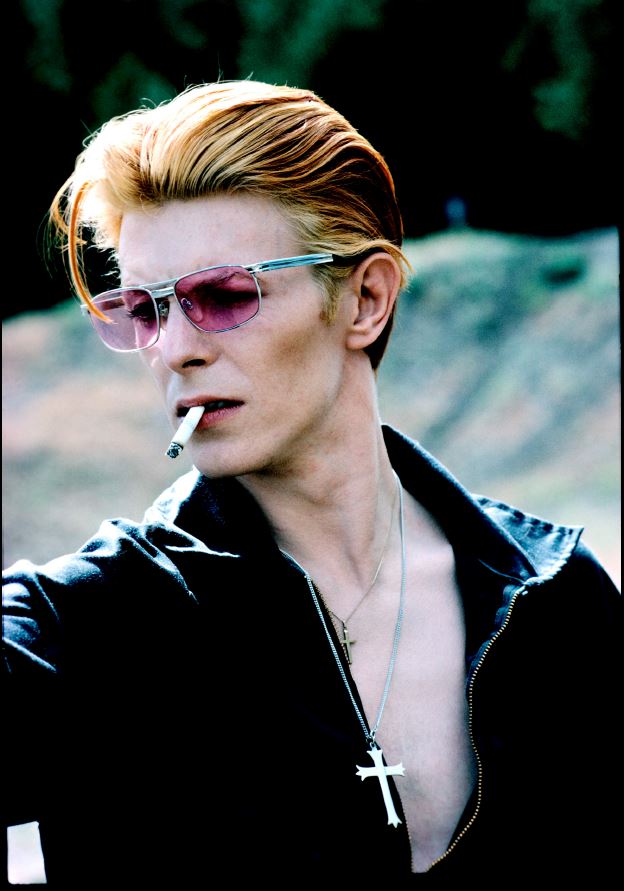
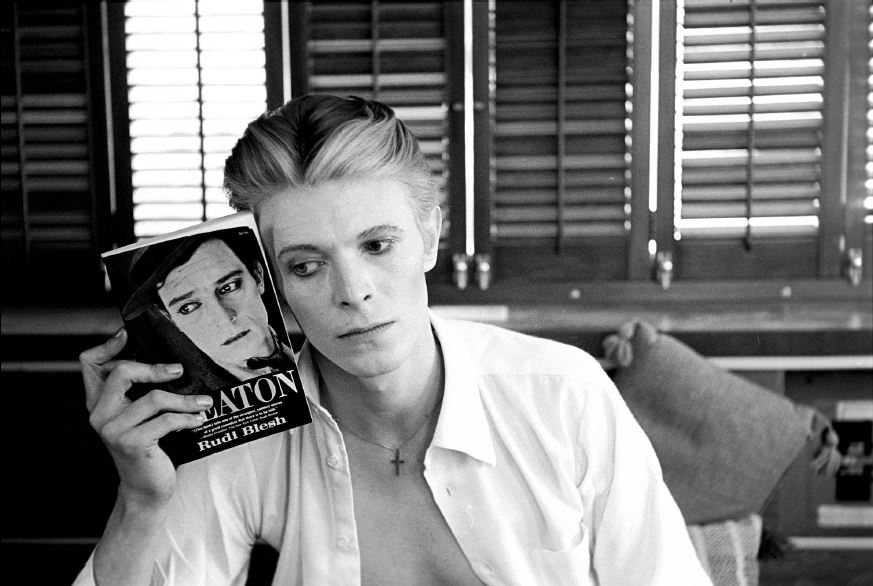
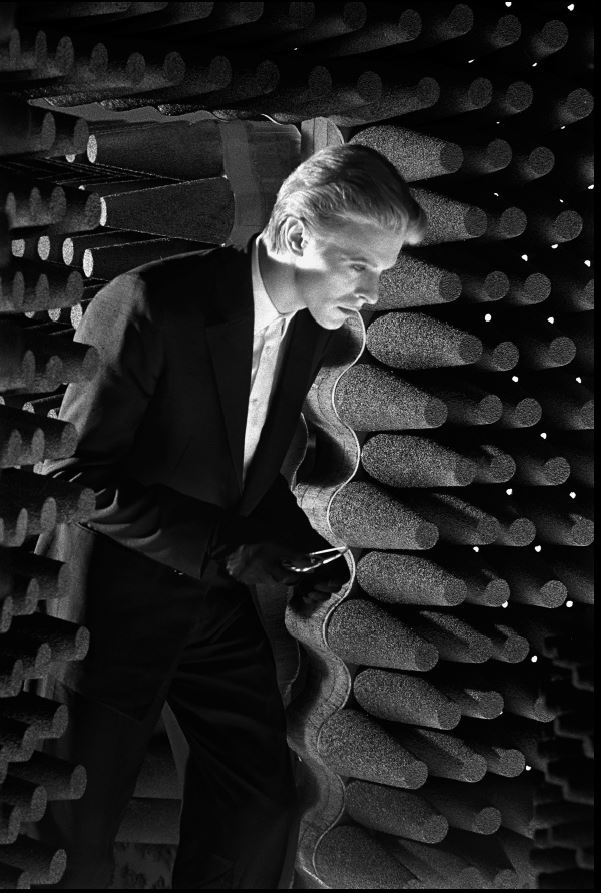
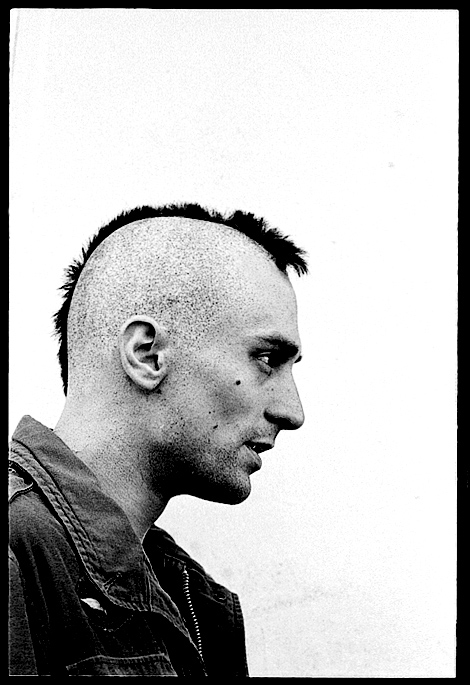
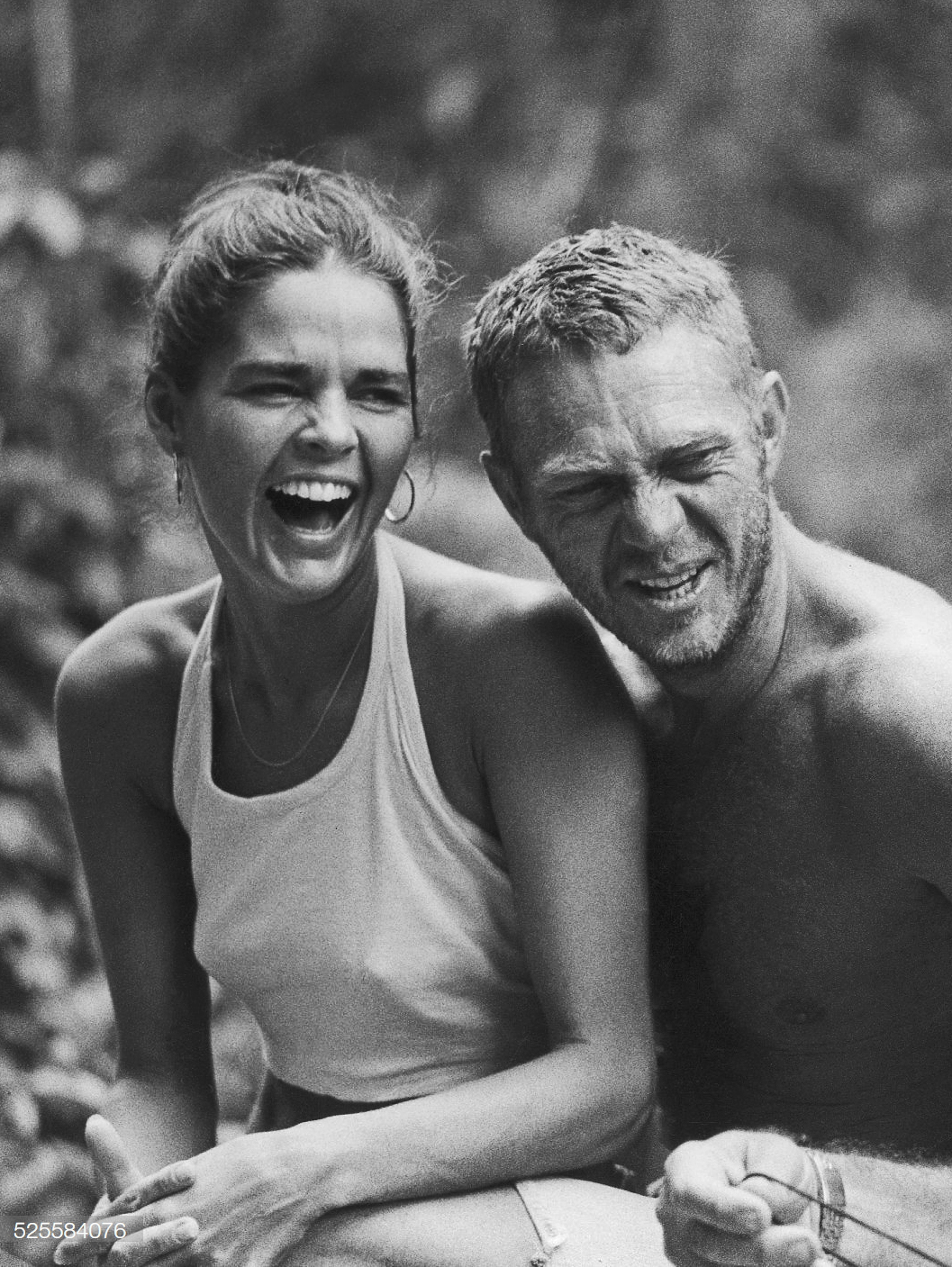
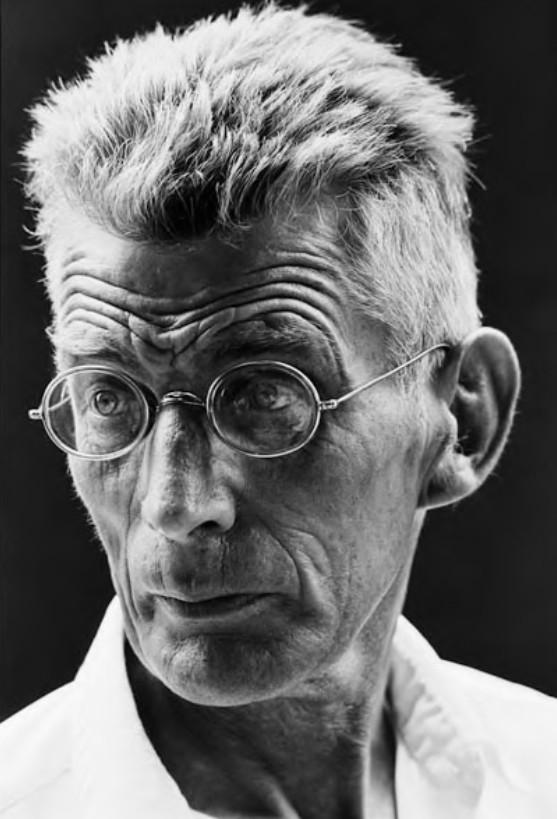
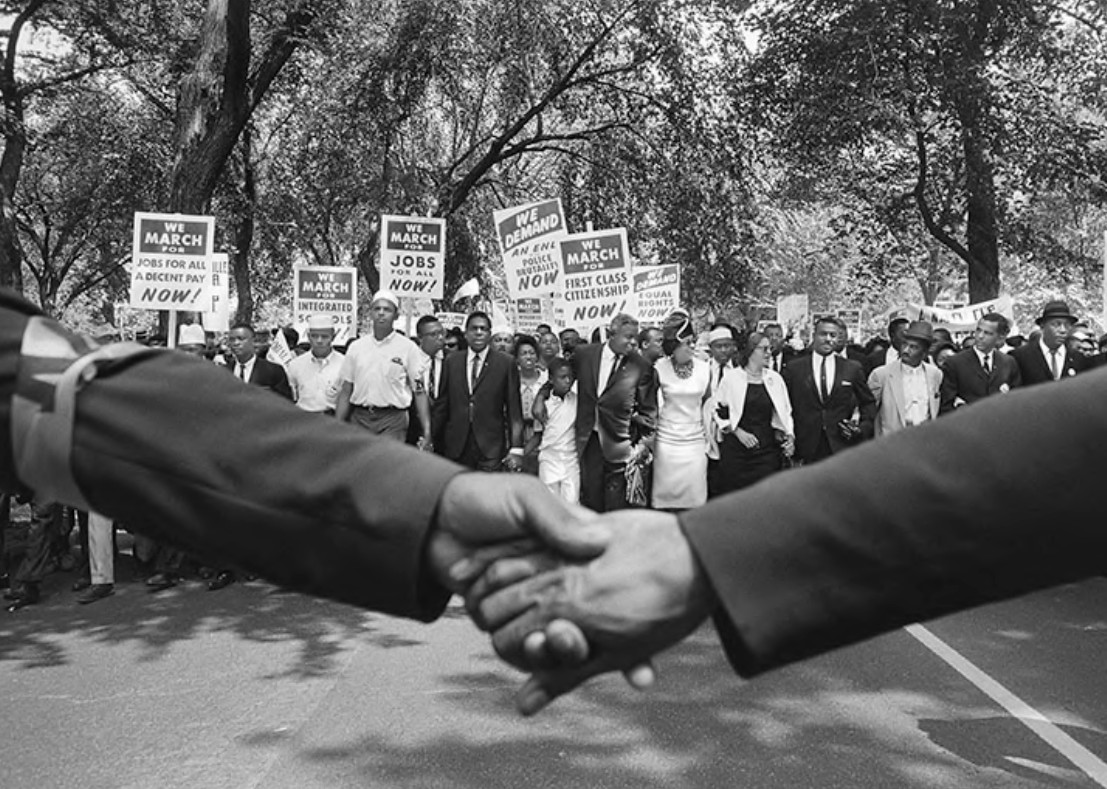
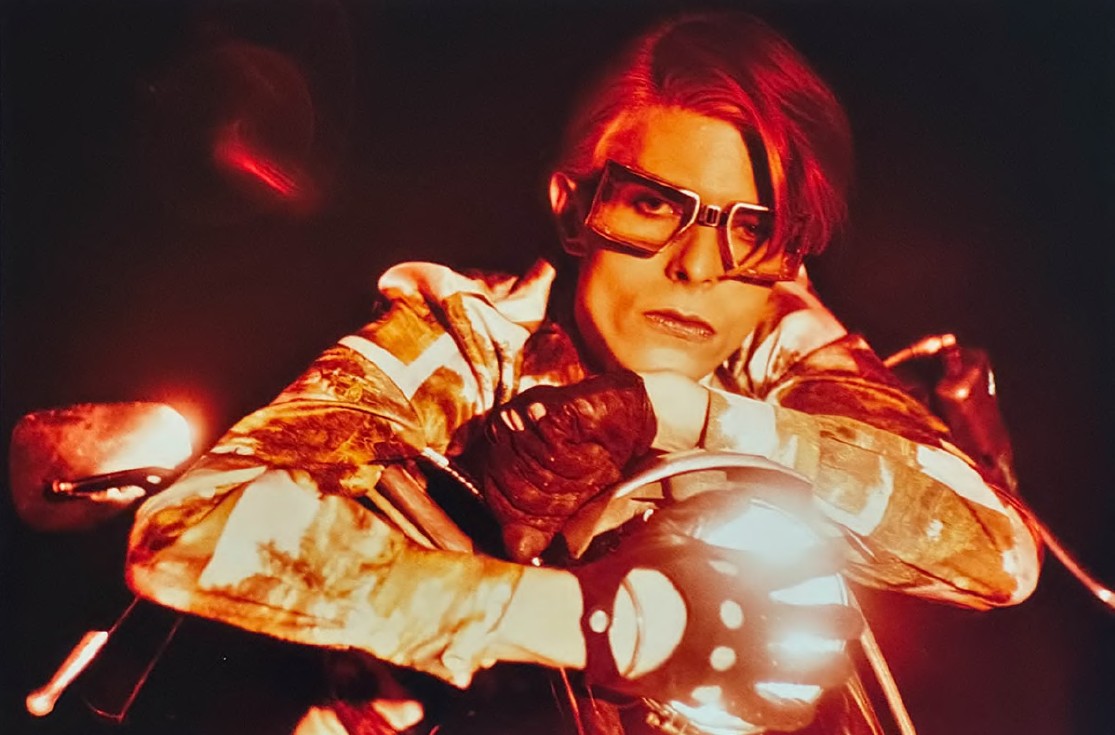
Steve Schapiro was an American photojournalist born in Brooklyn in 1934.
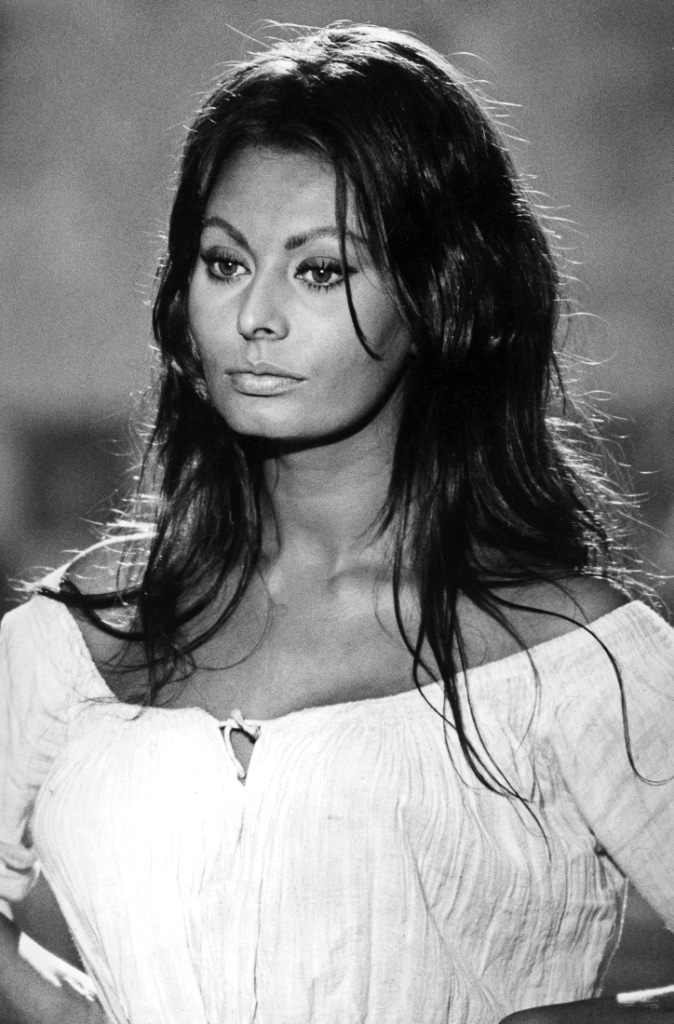
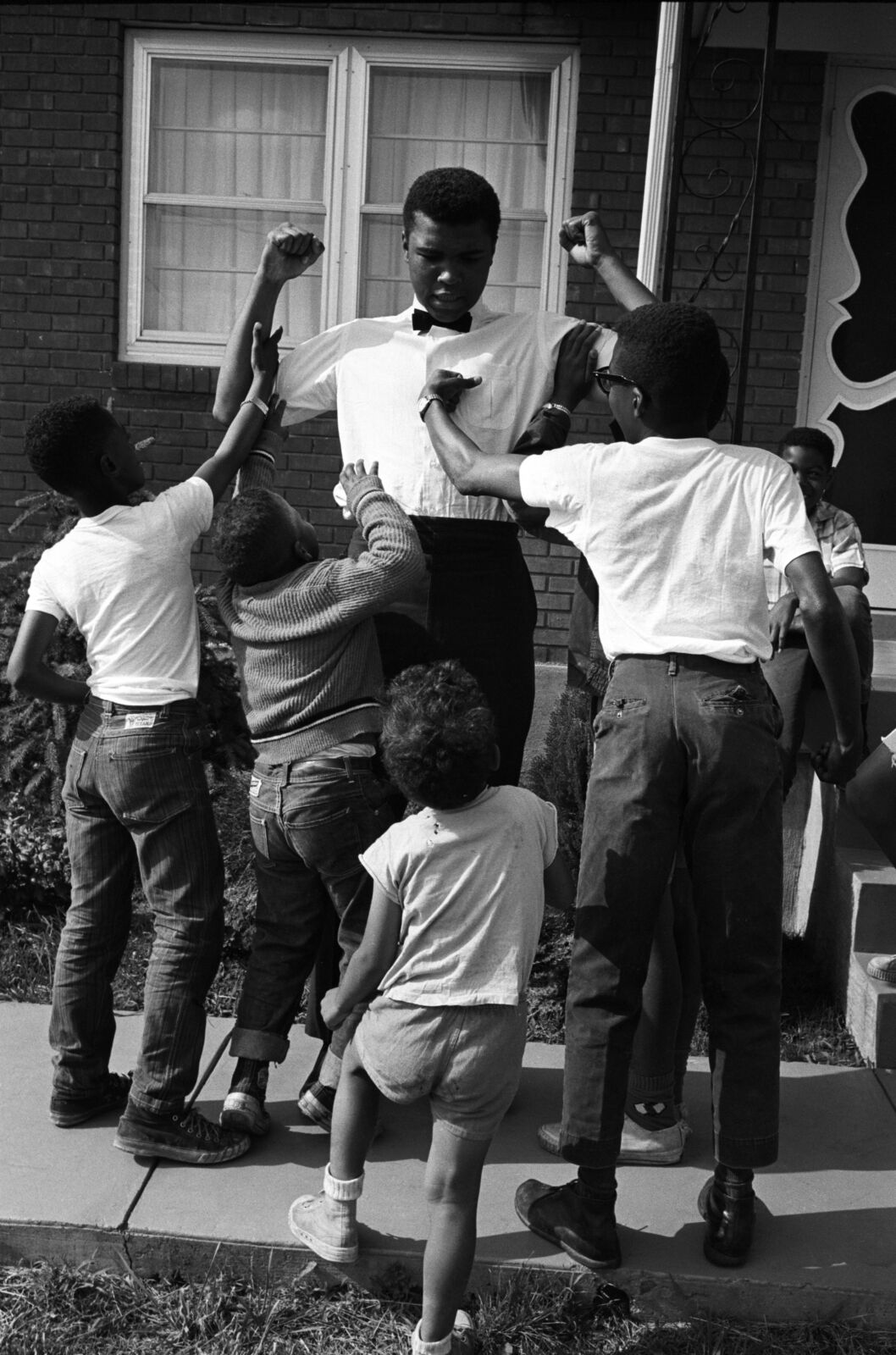
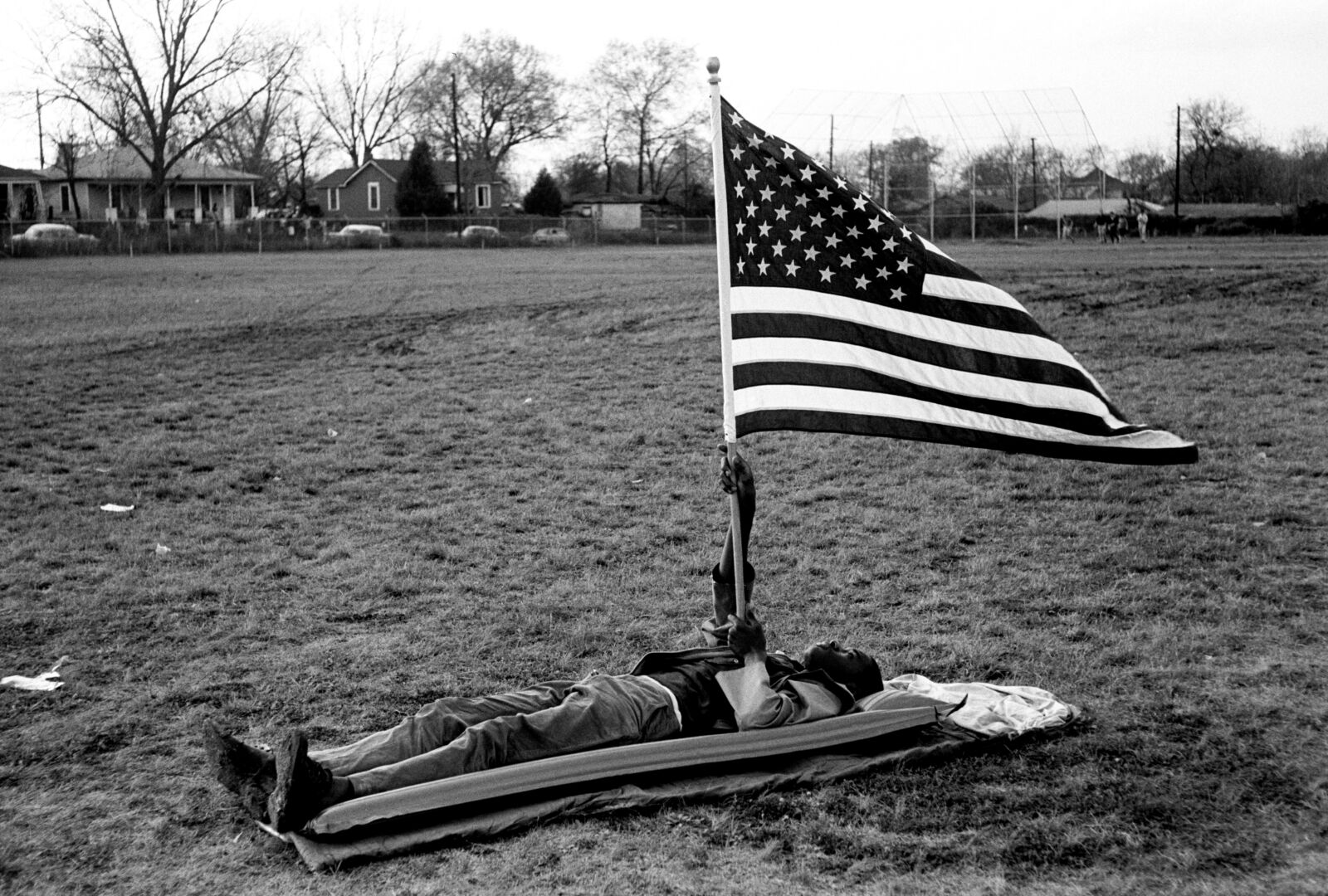
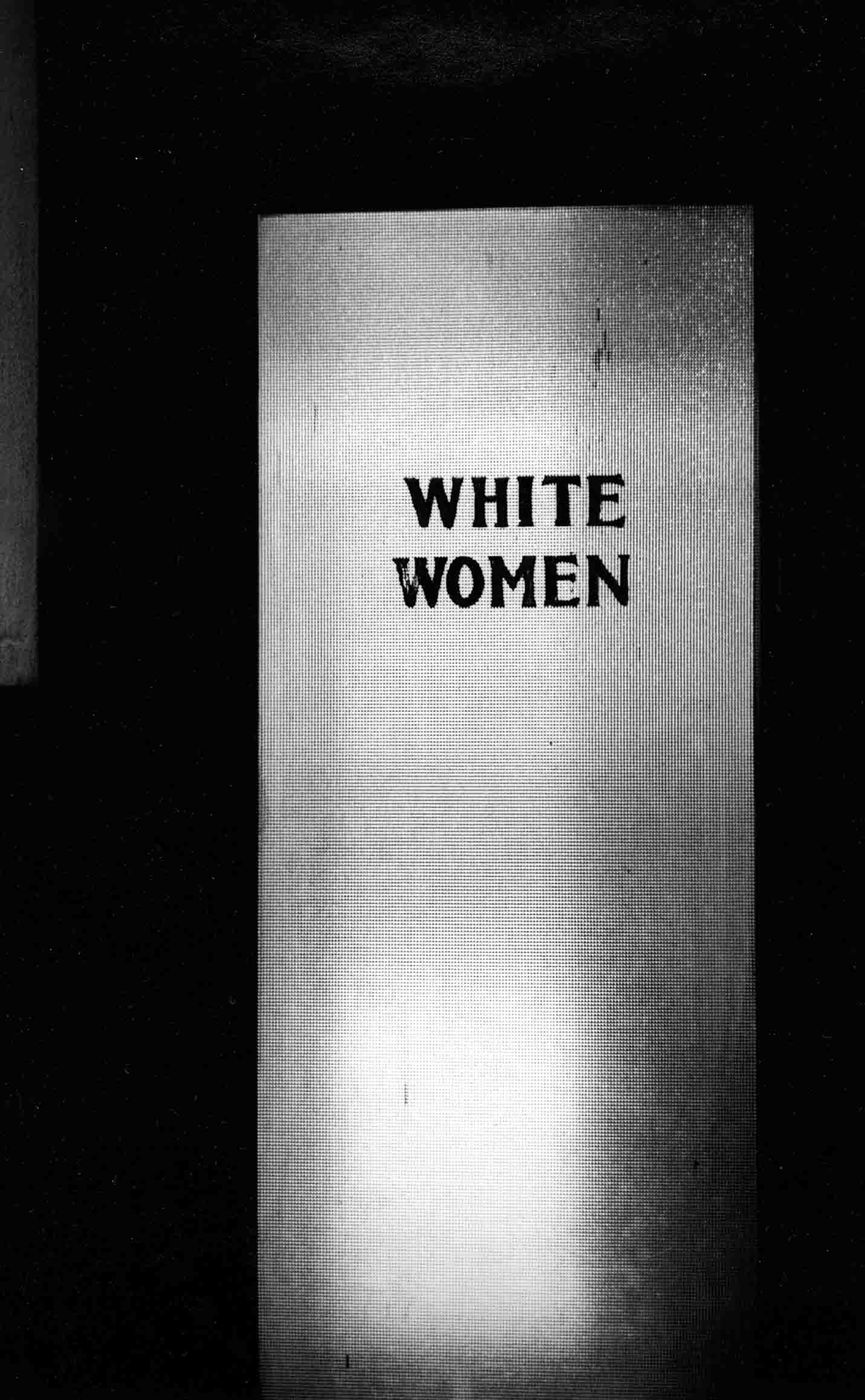
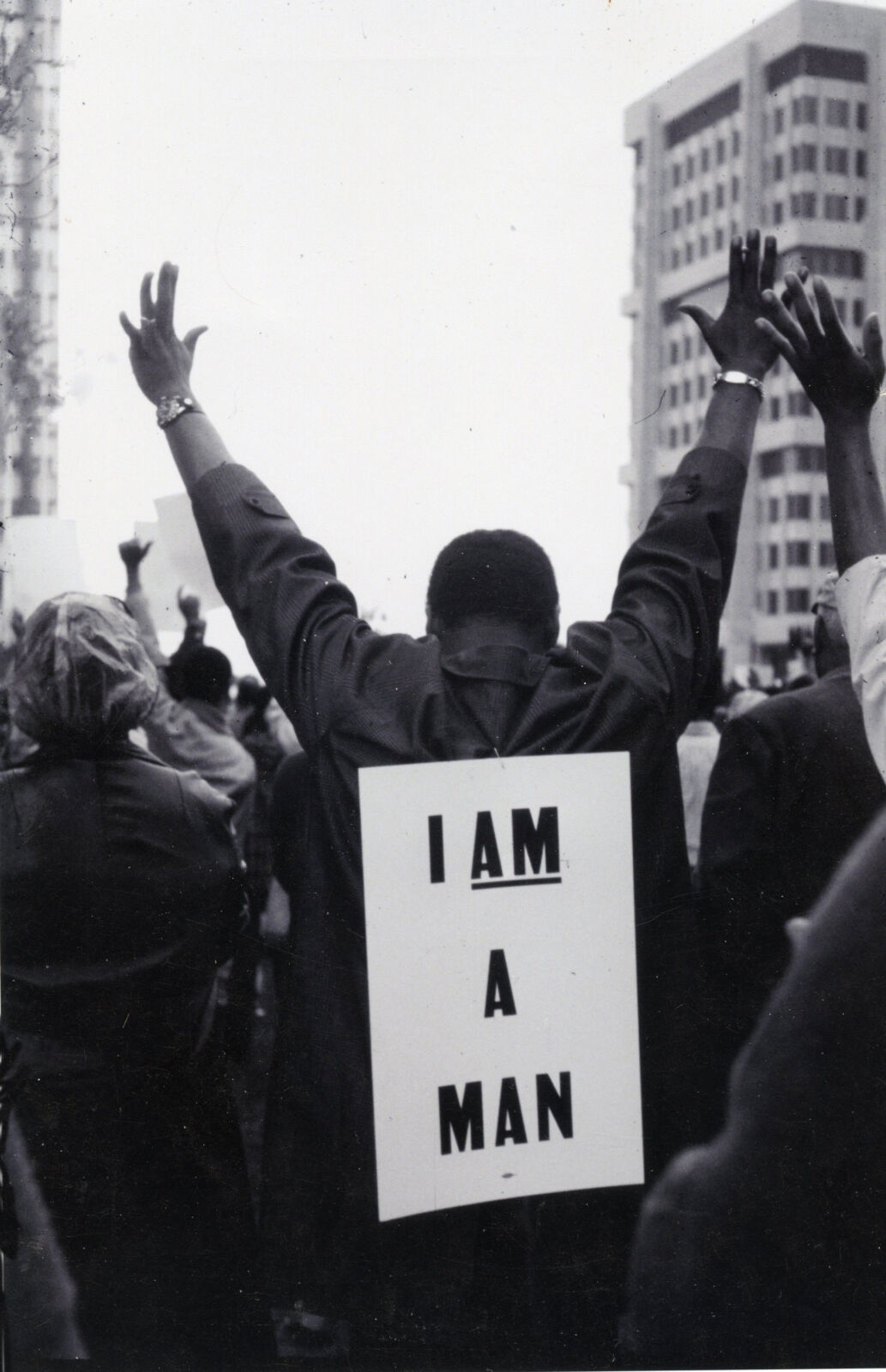
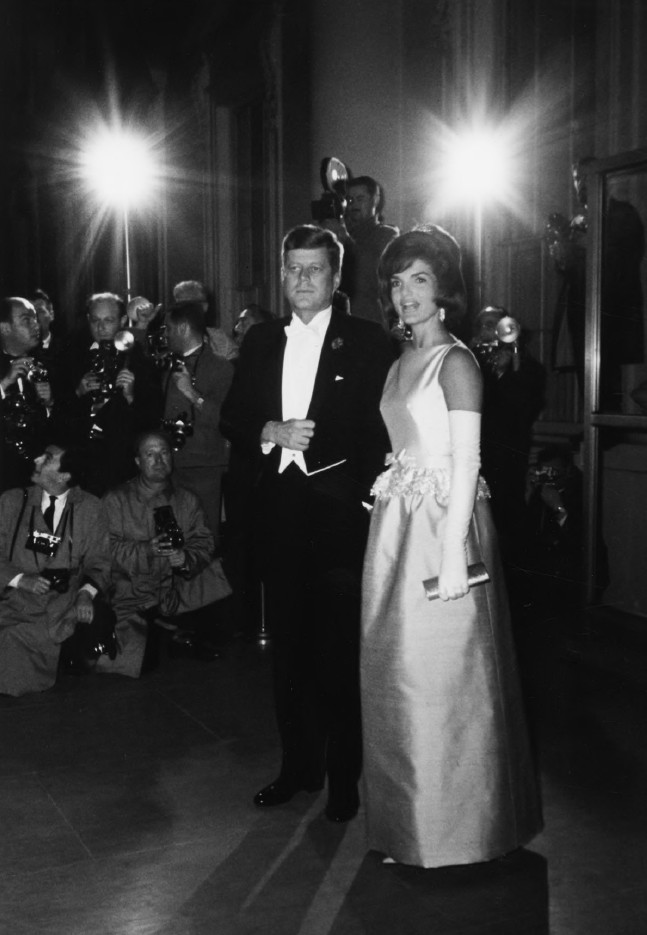
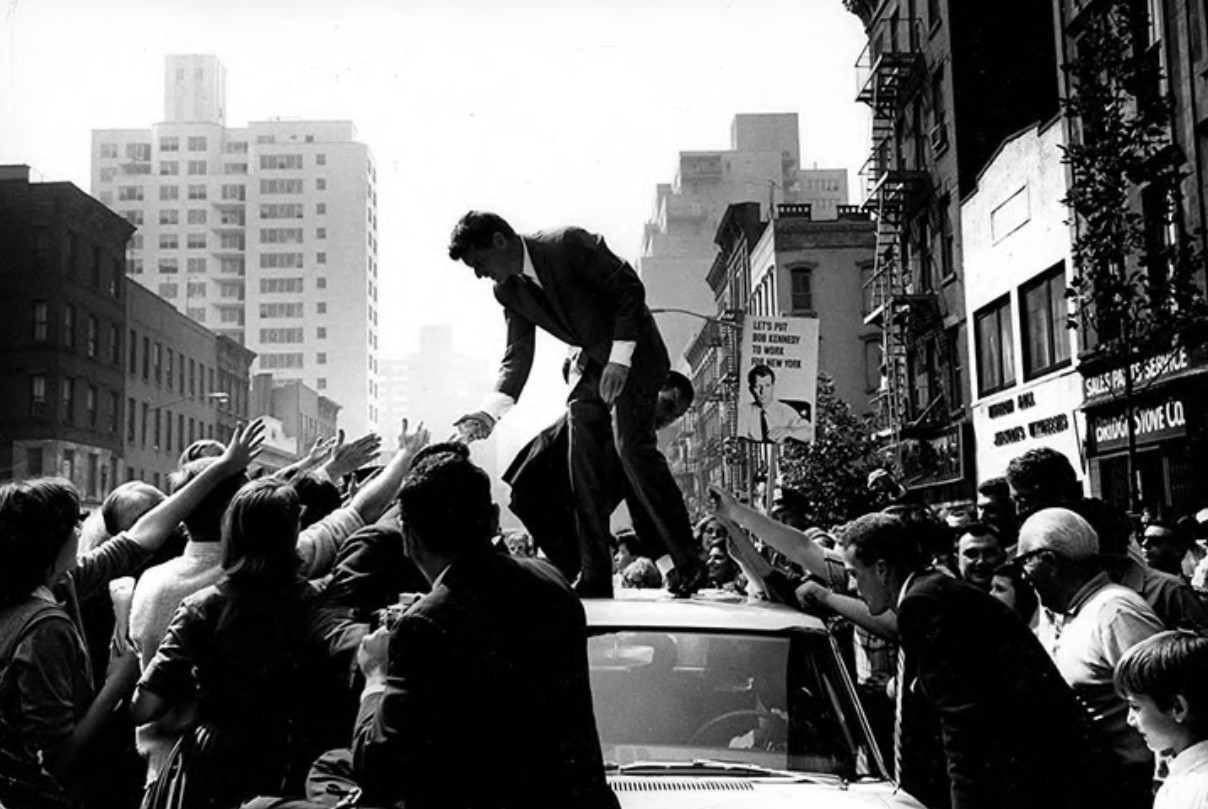
He developed his vision of the world and photography under the mentorship of the renowned American photojournalist William Eugene Smith. The political, cultural, and social transformations that shaped the United States during the 1960s and 1970s provided Schapiro with the opportunity to document some of the defining moments of American society.
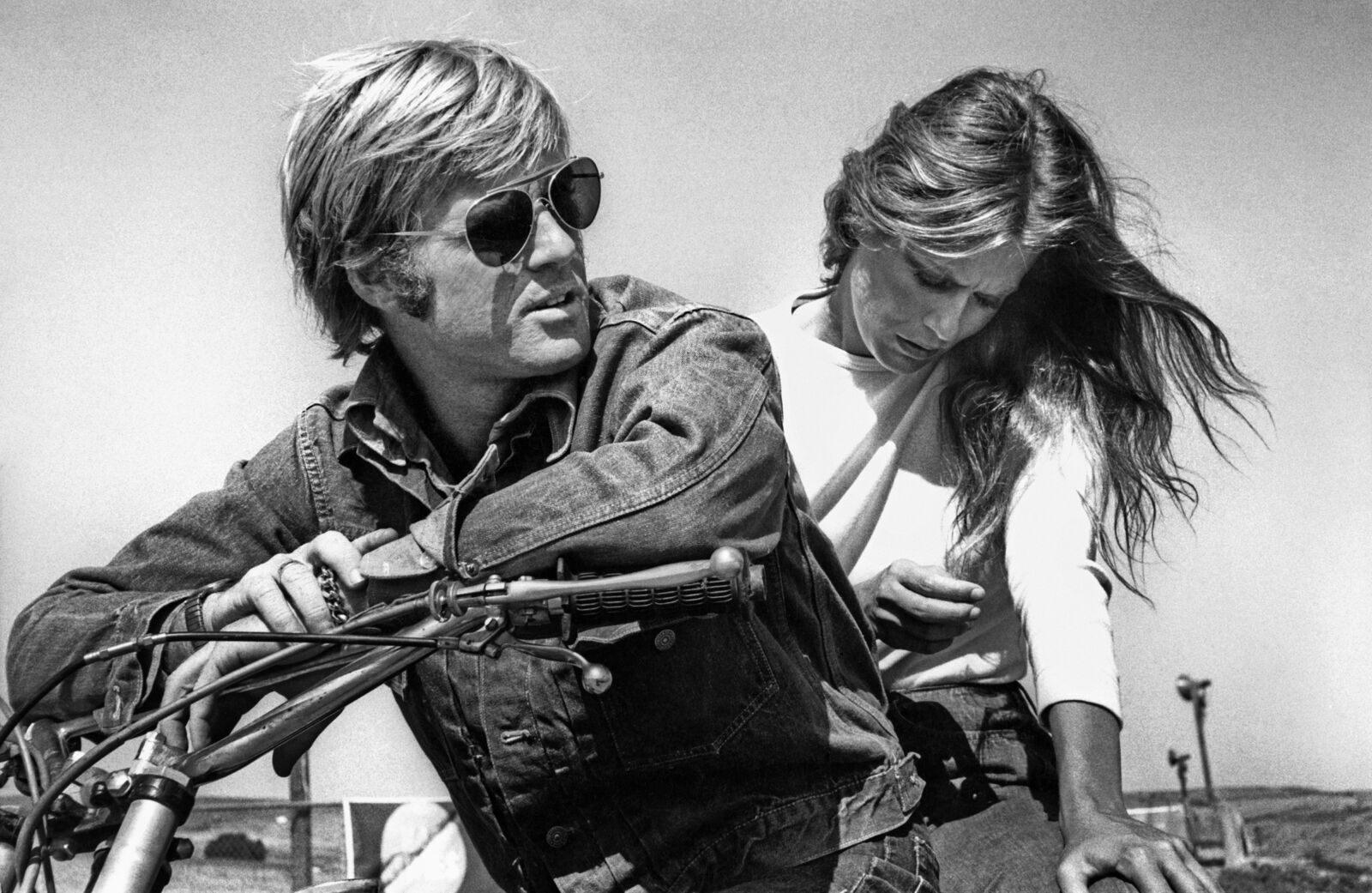
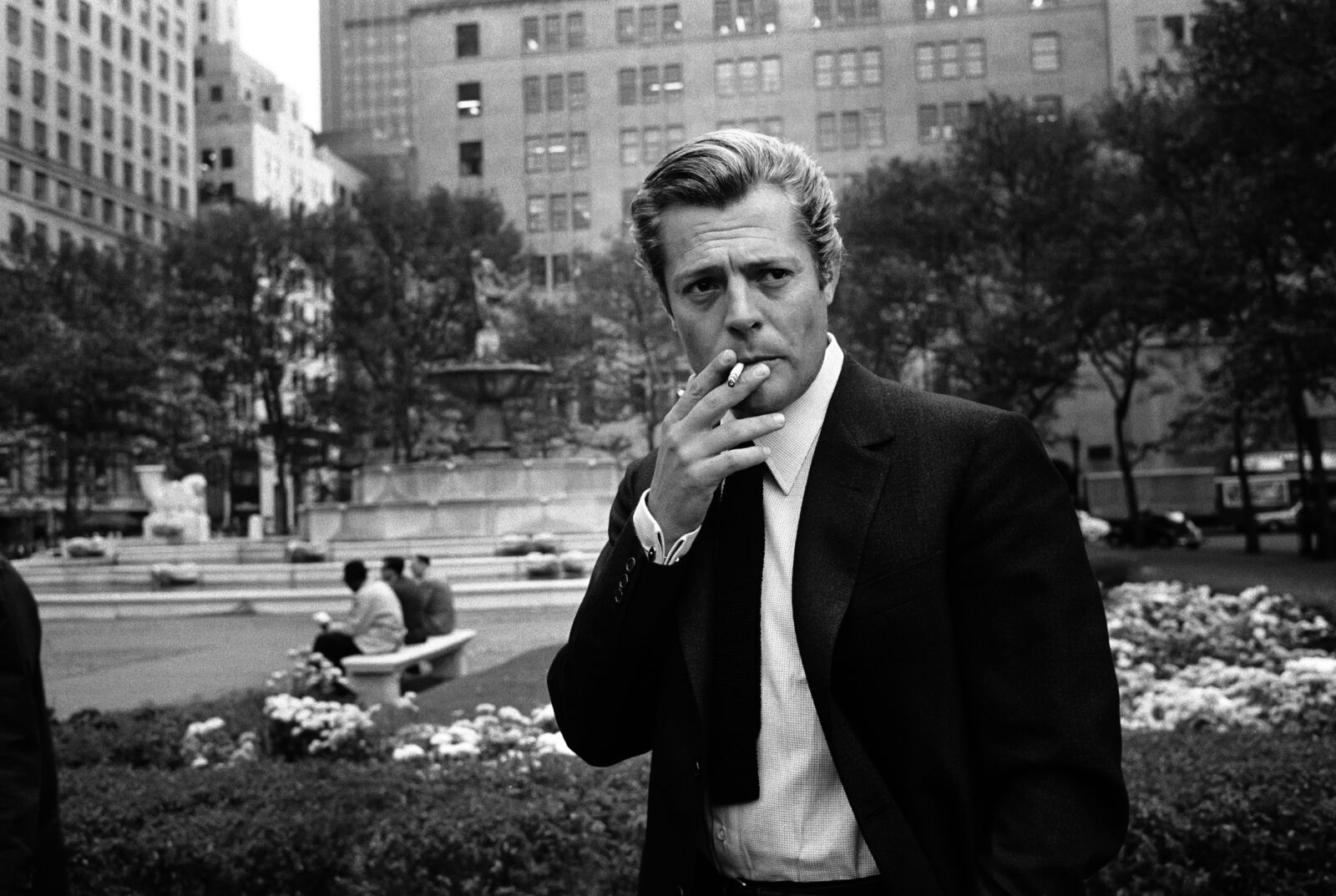
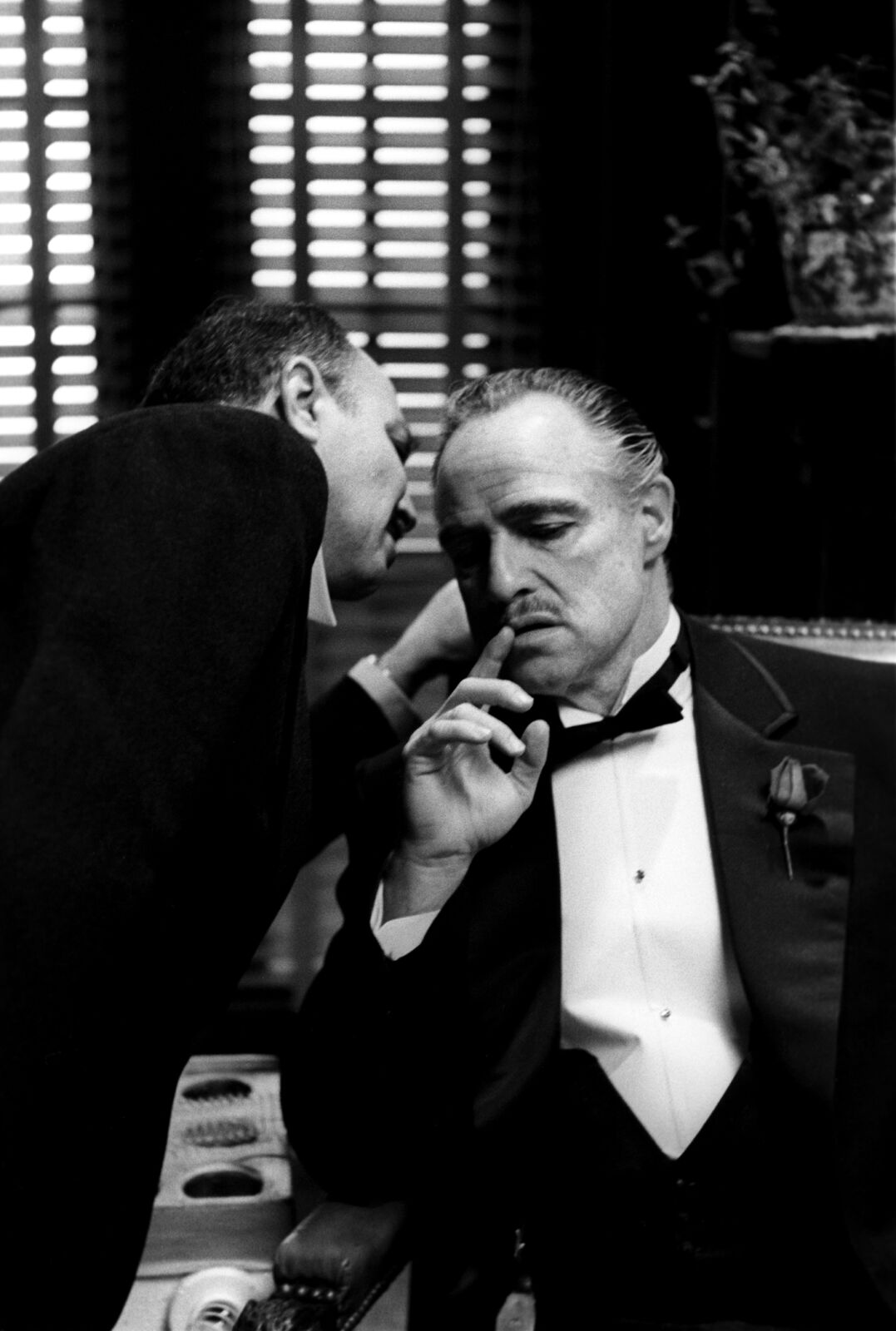
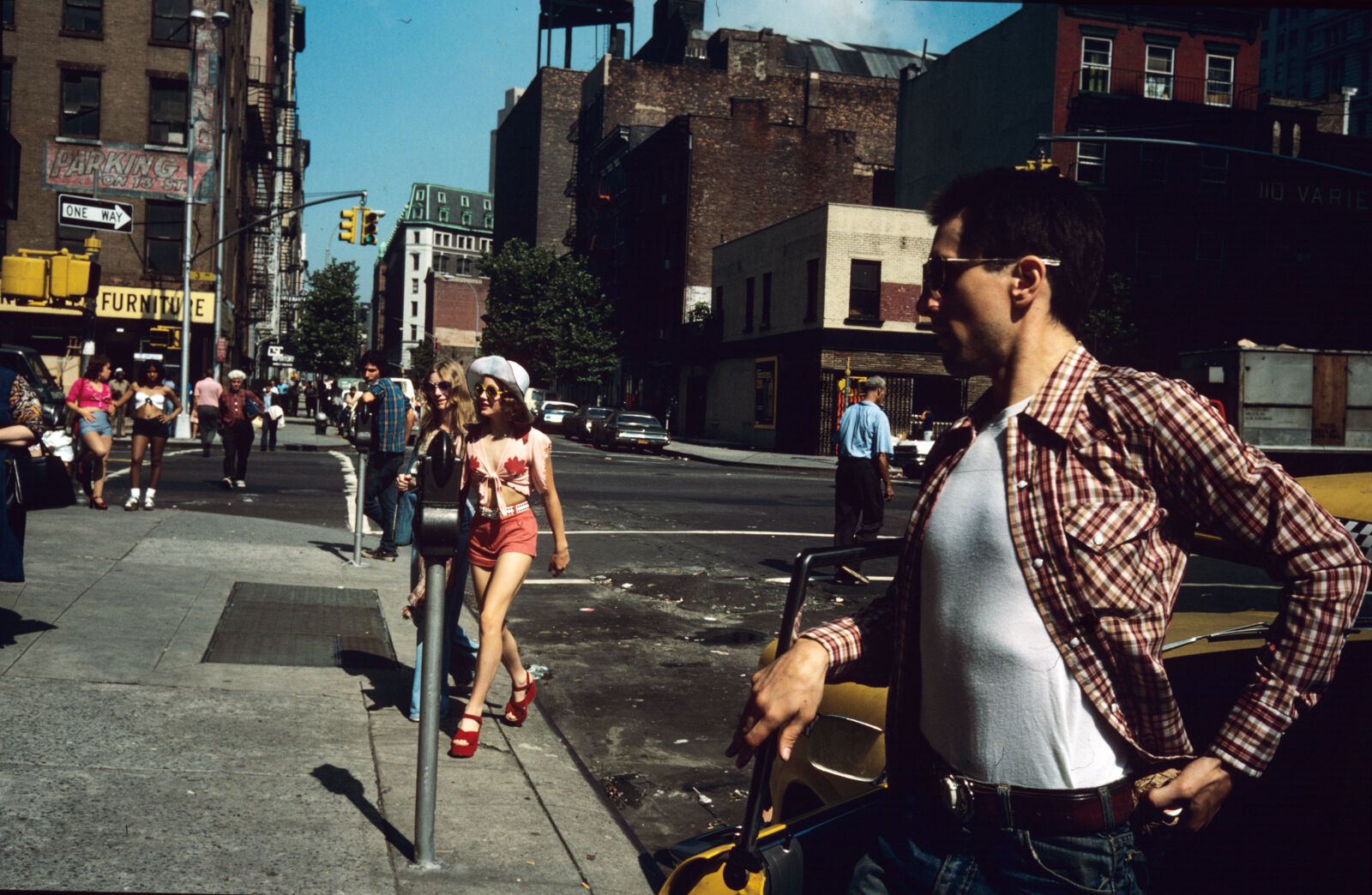
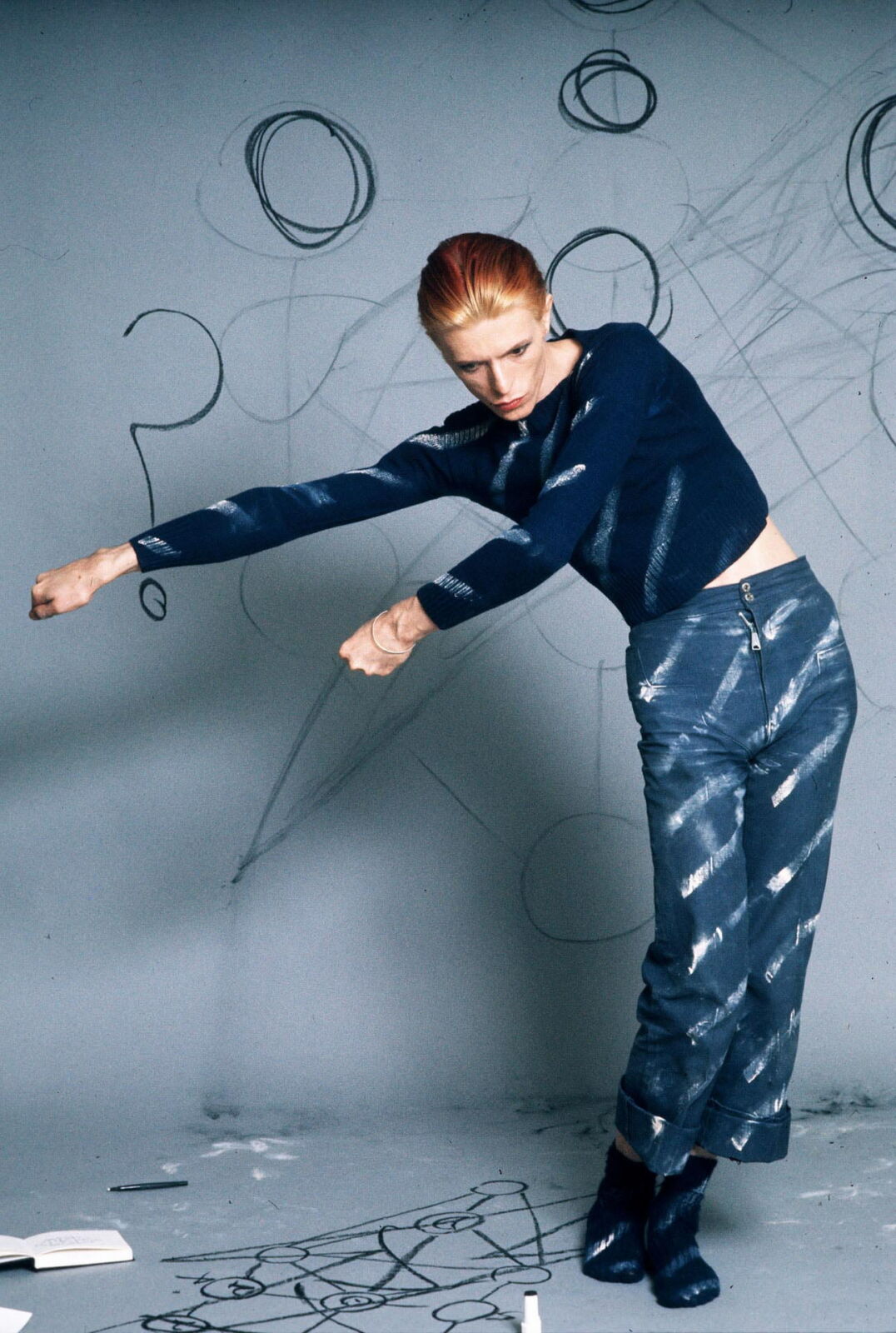
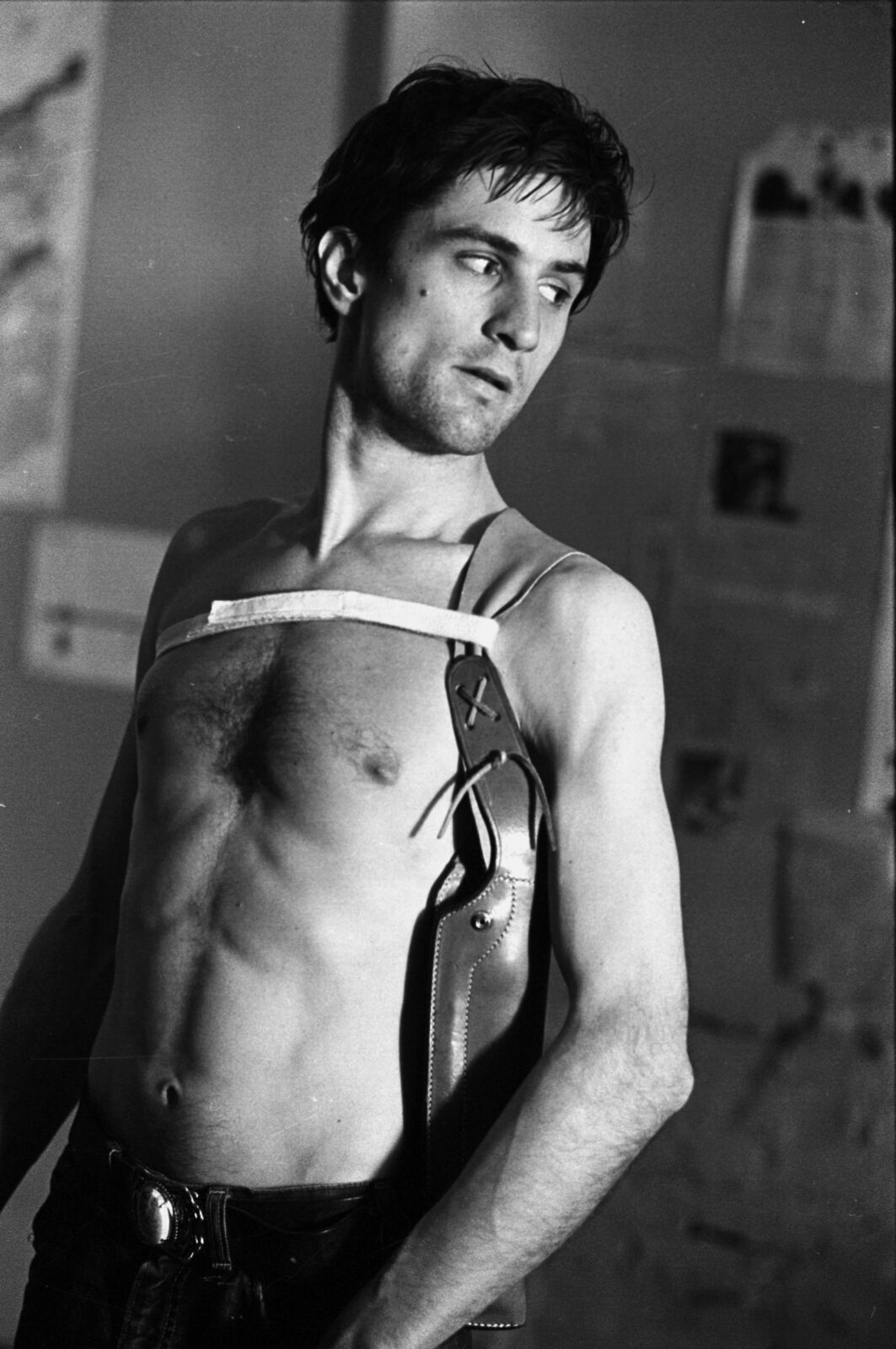
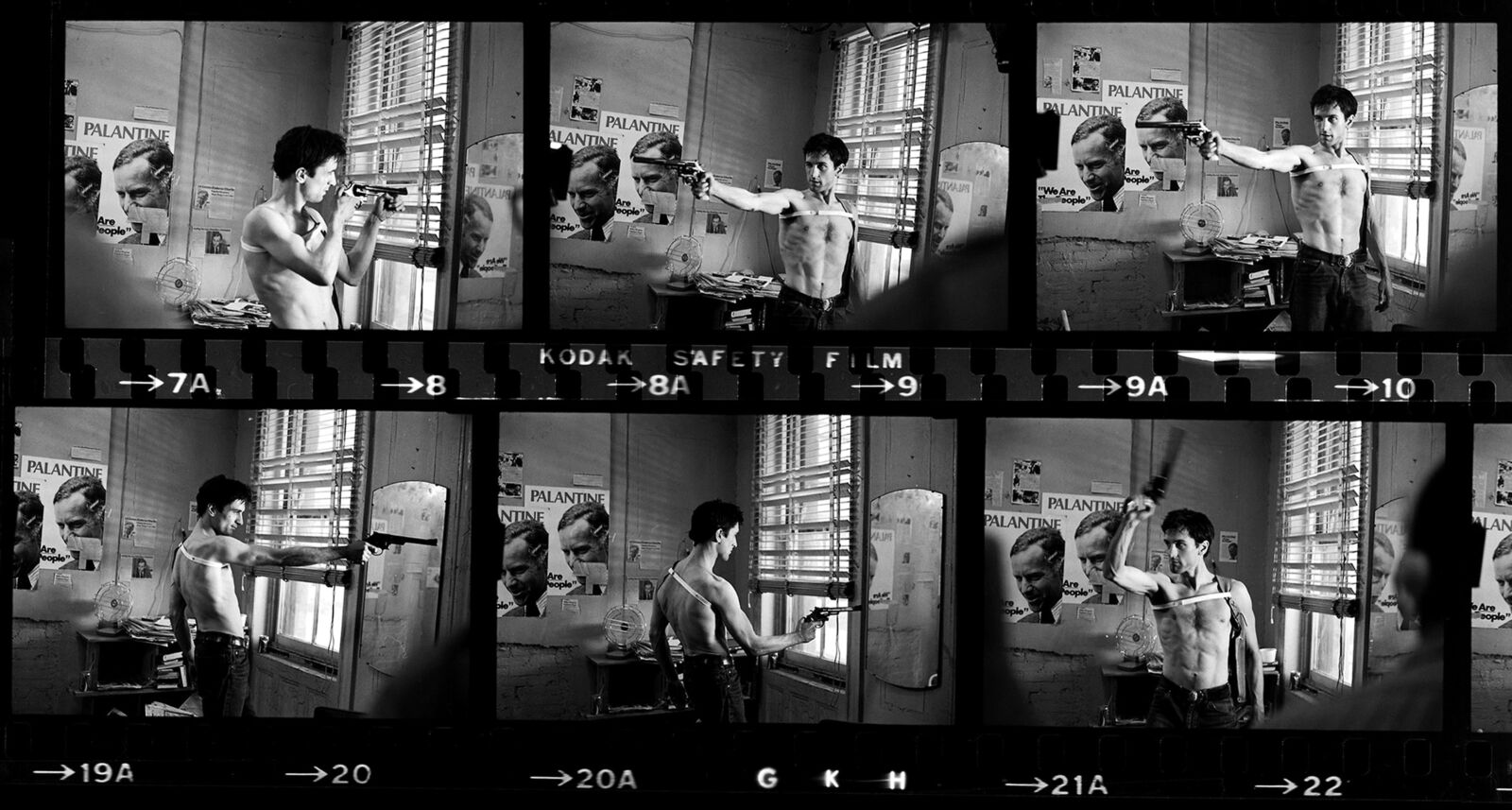
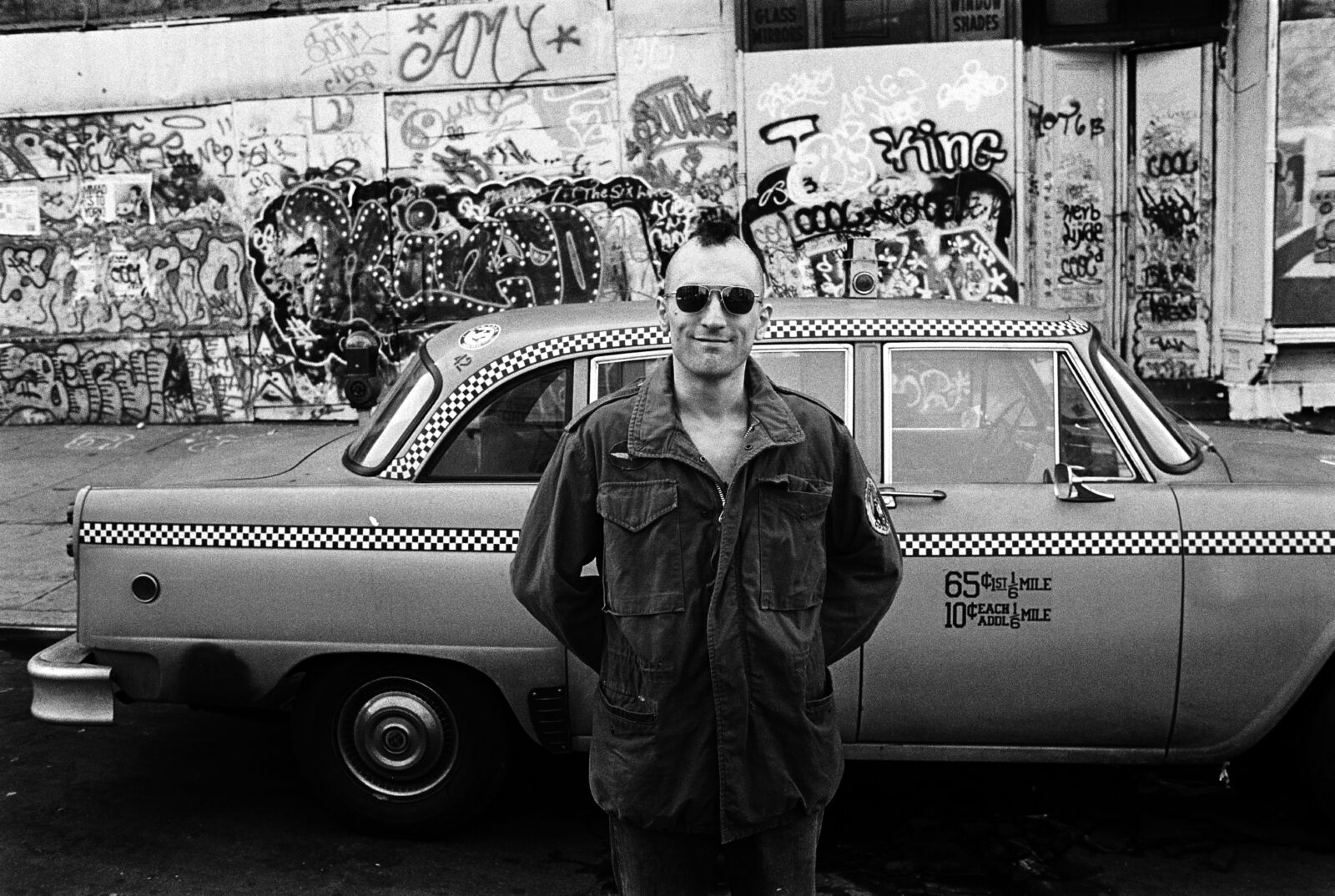
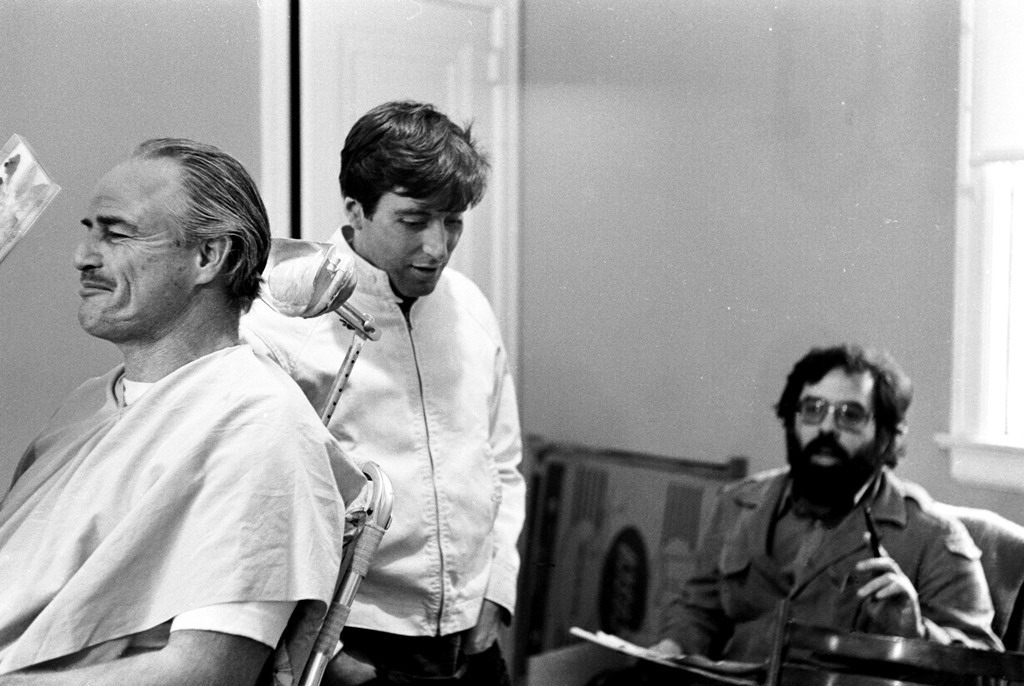
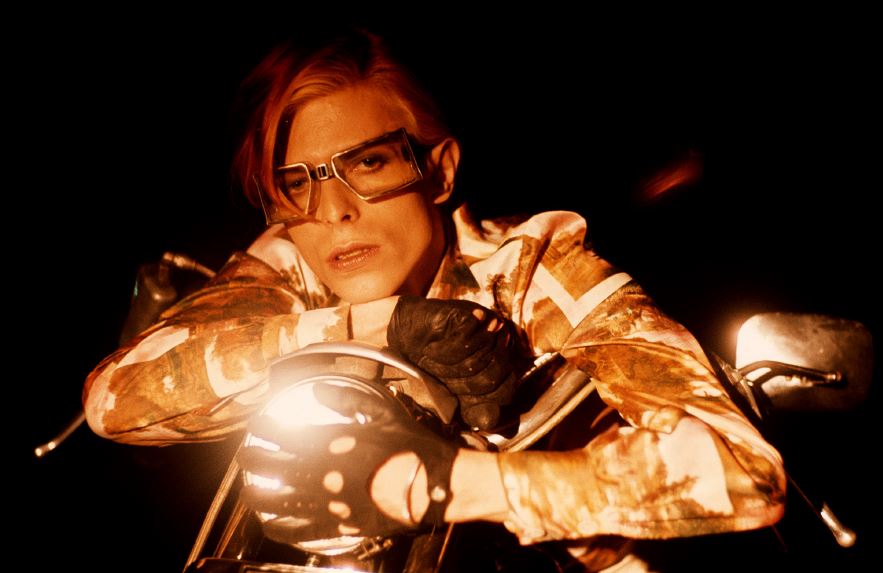
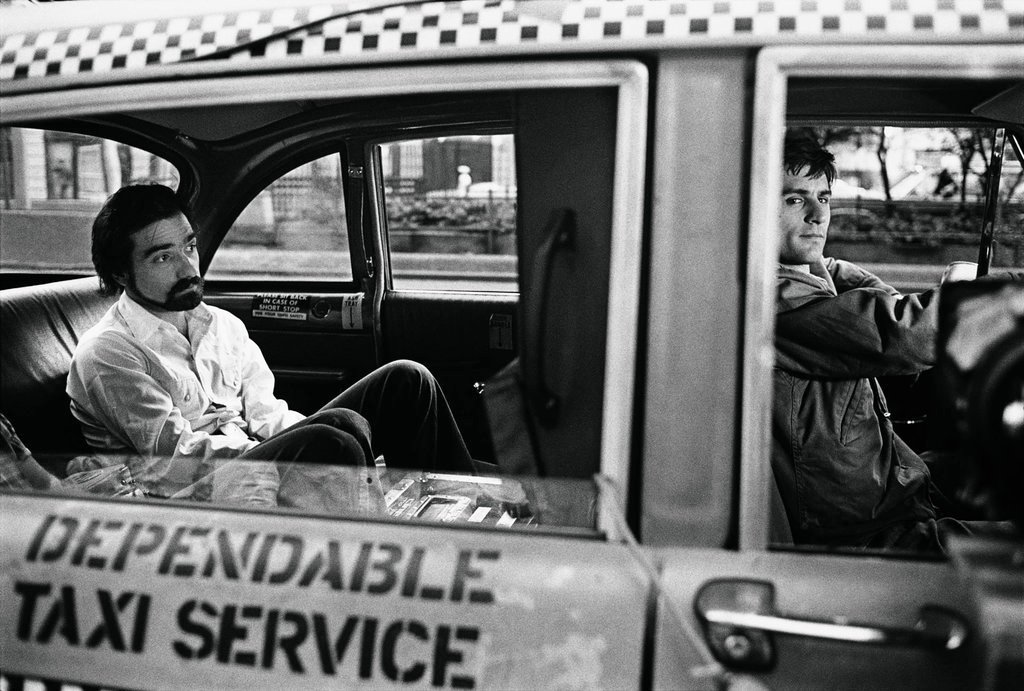
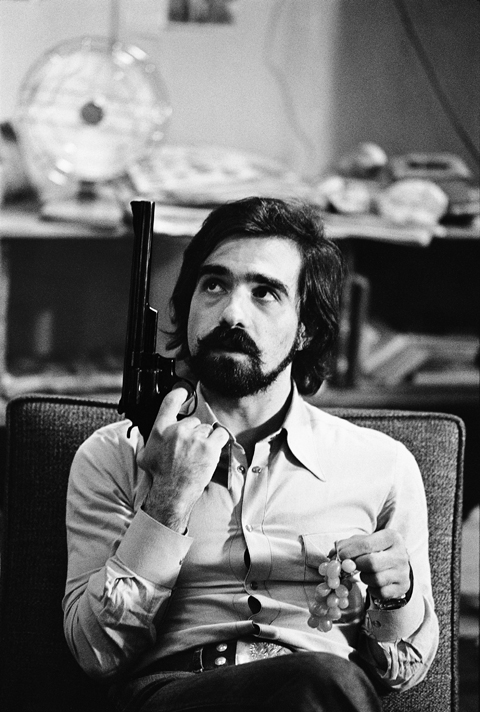
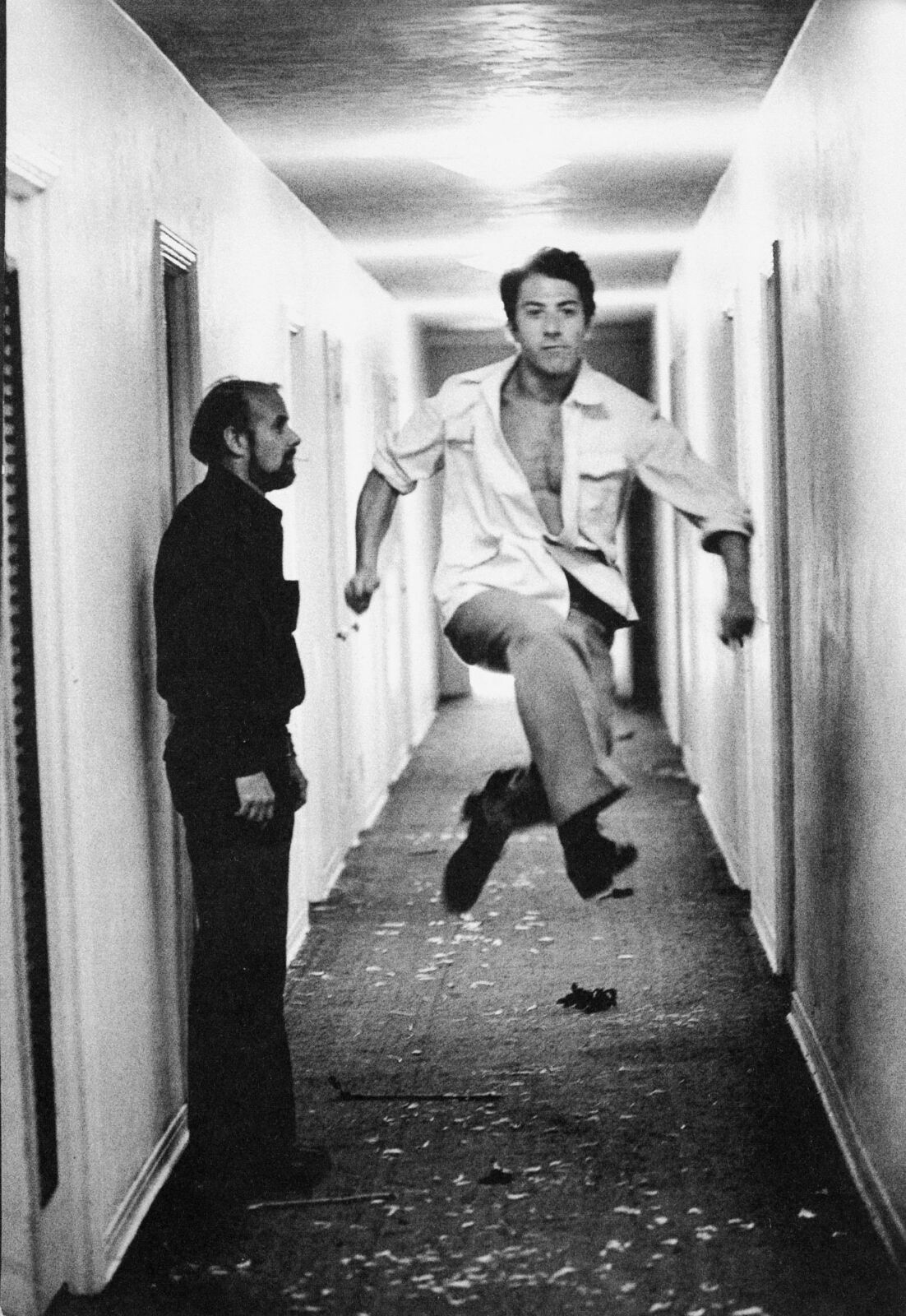
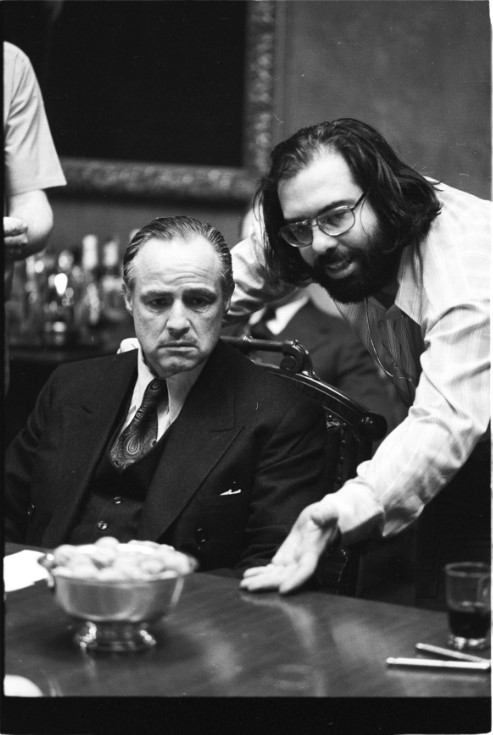
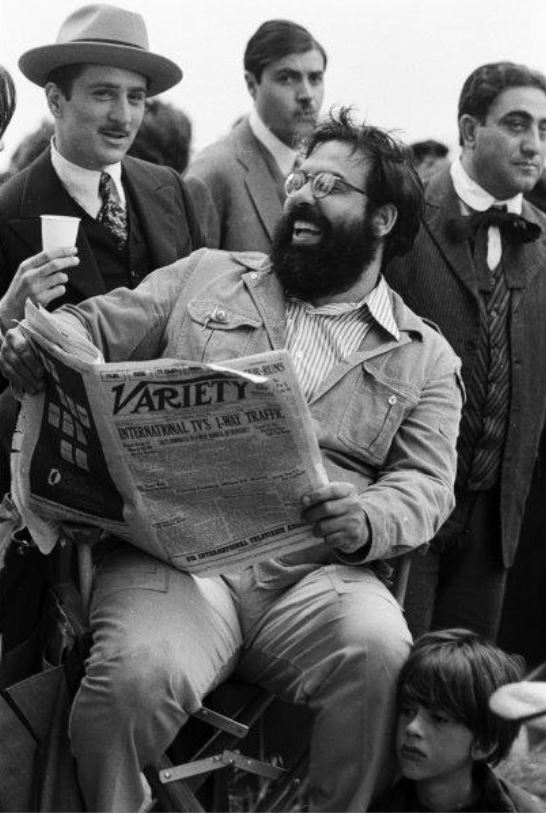
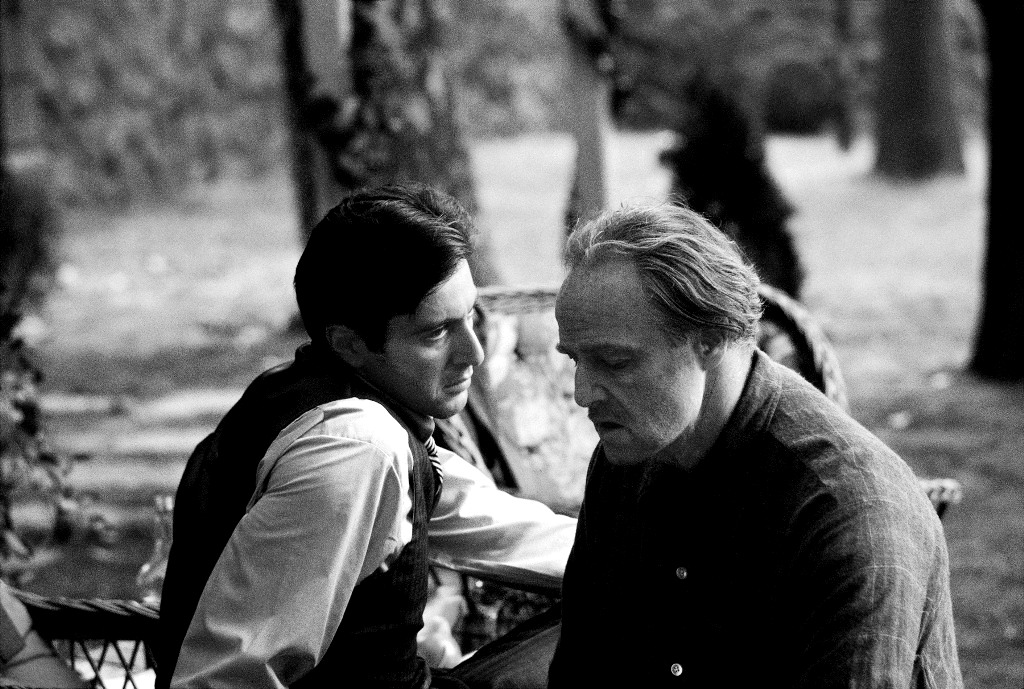
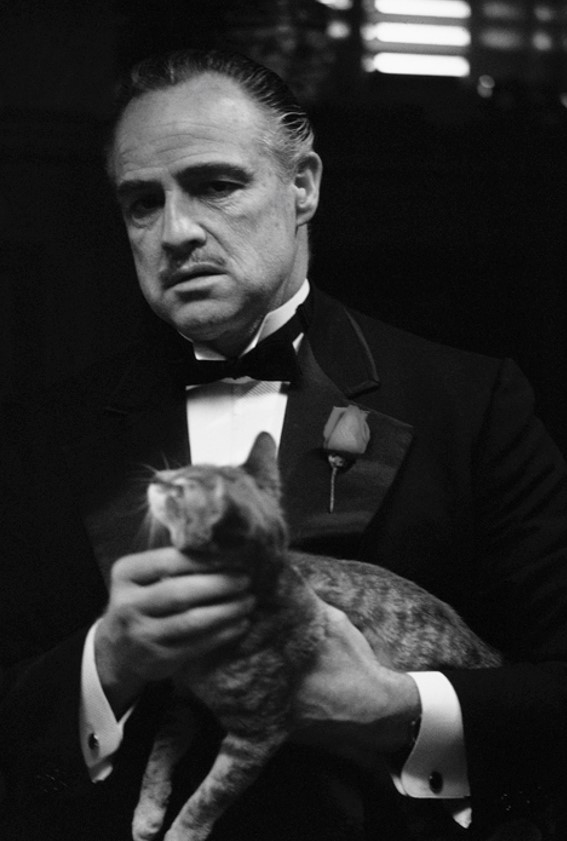
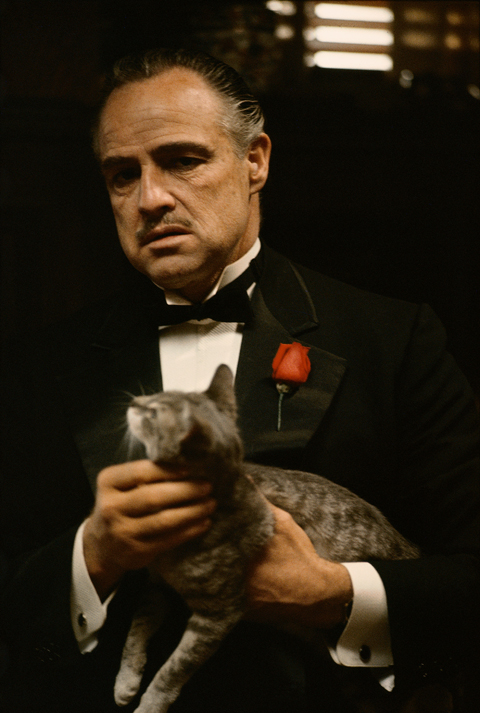
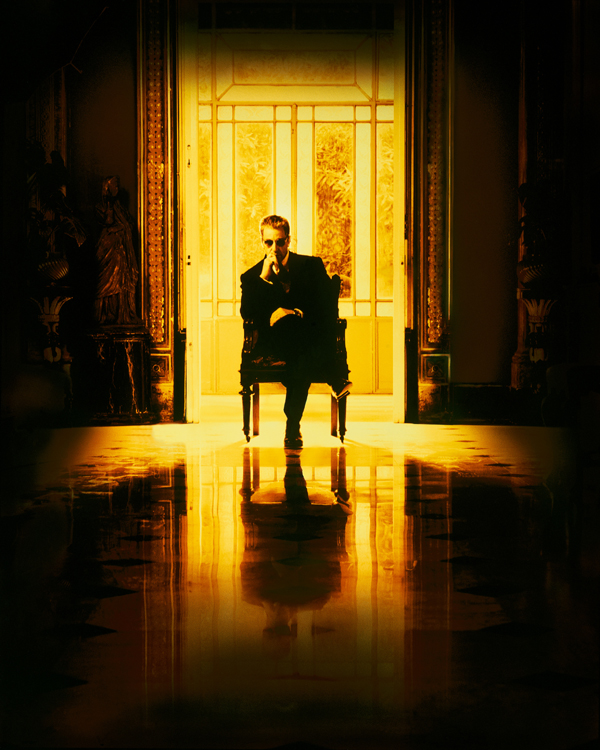
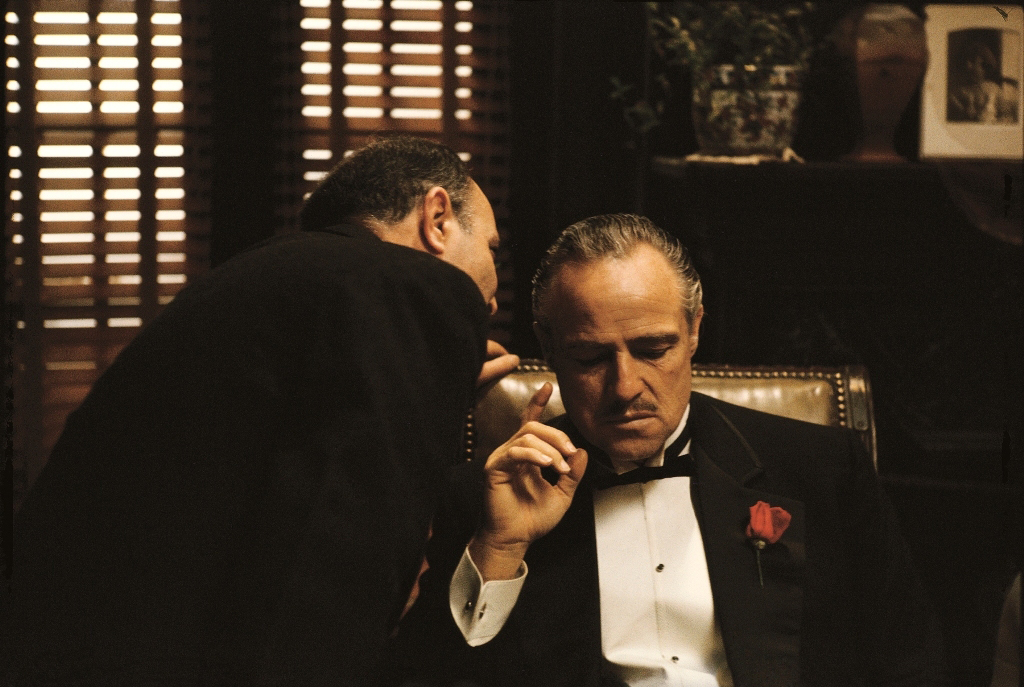
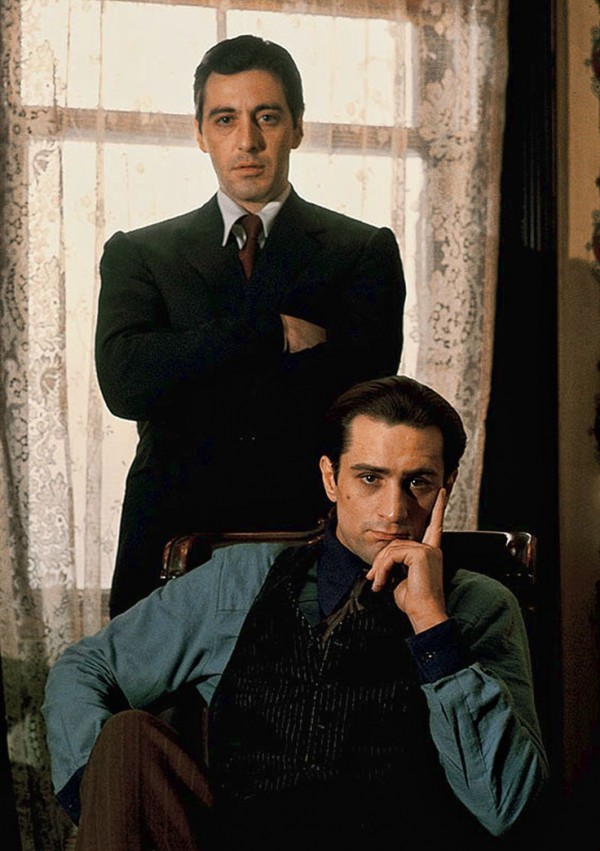
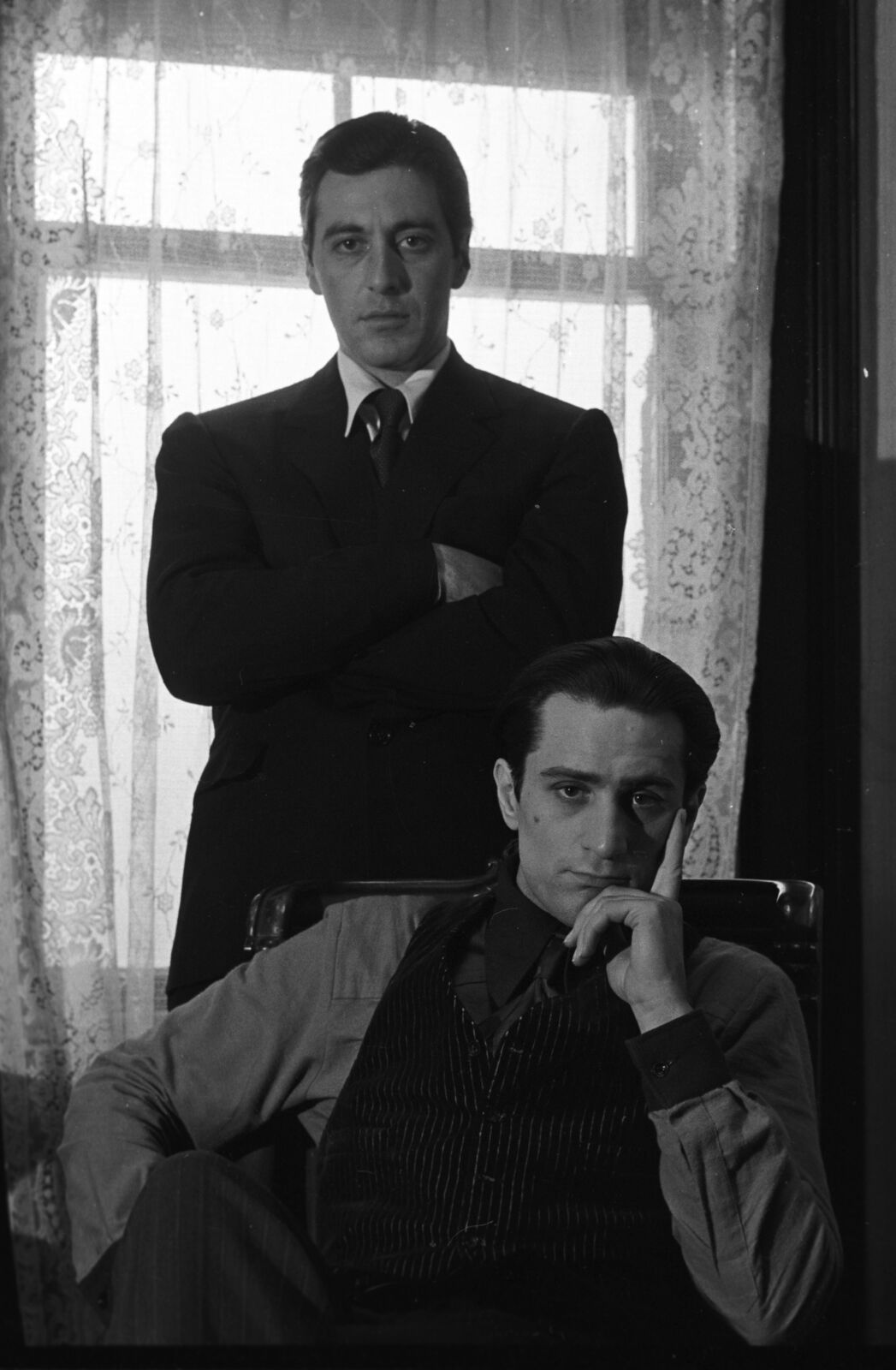
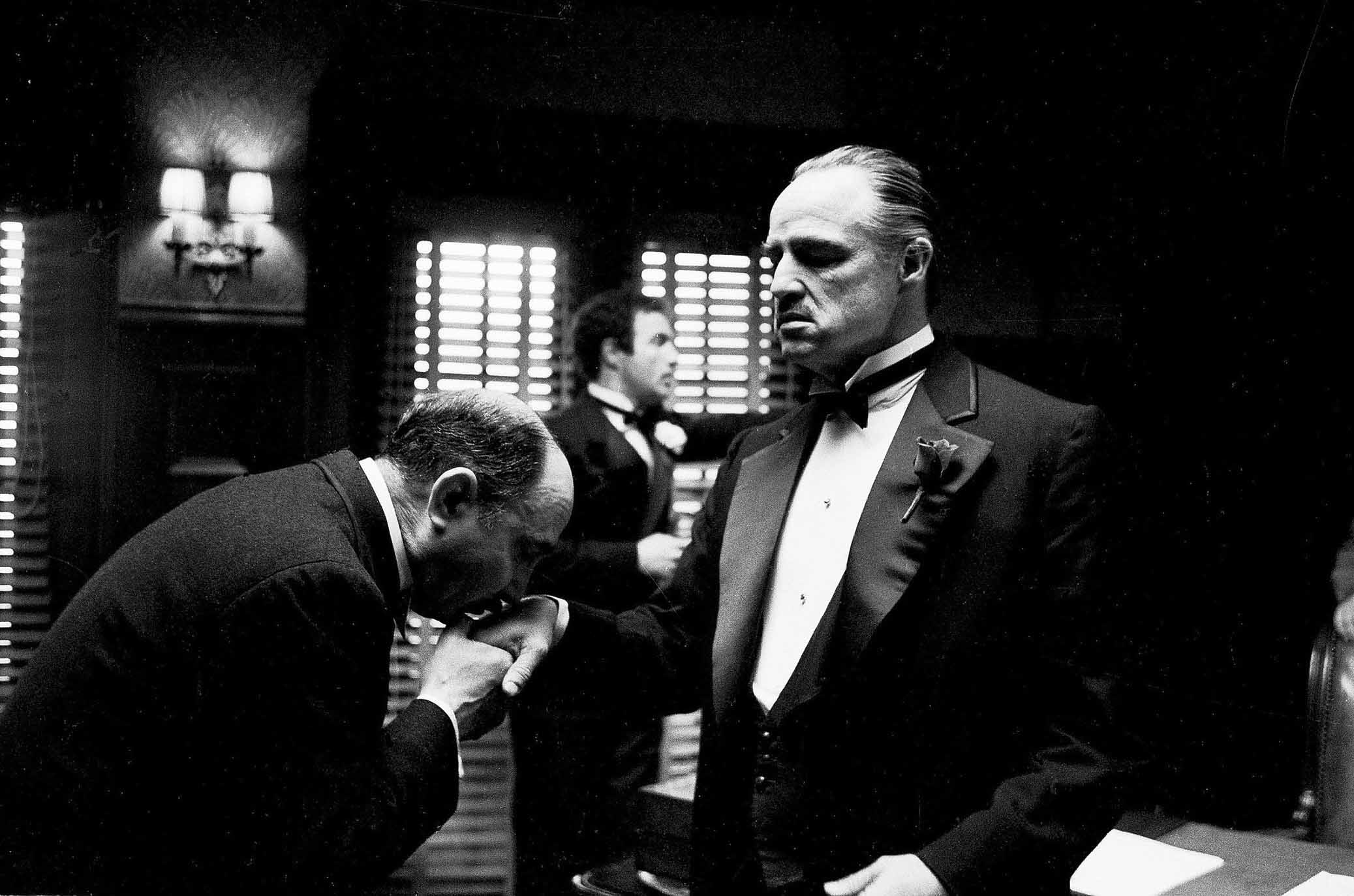
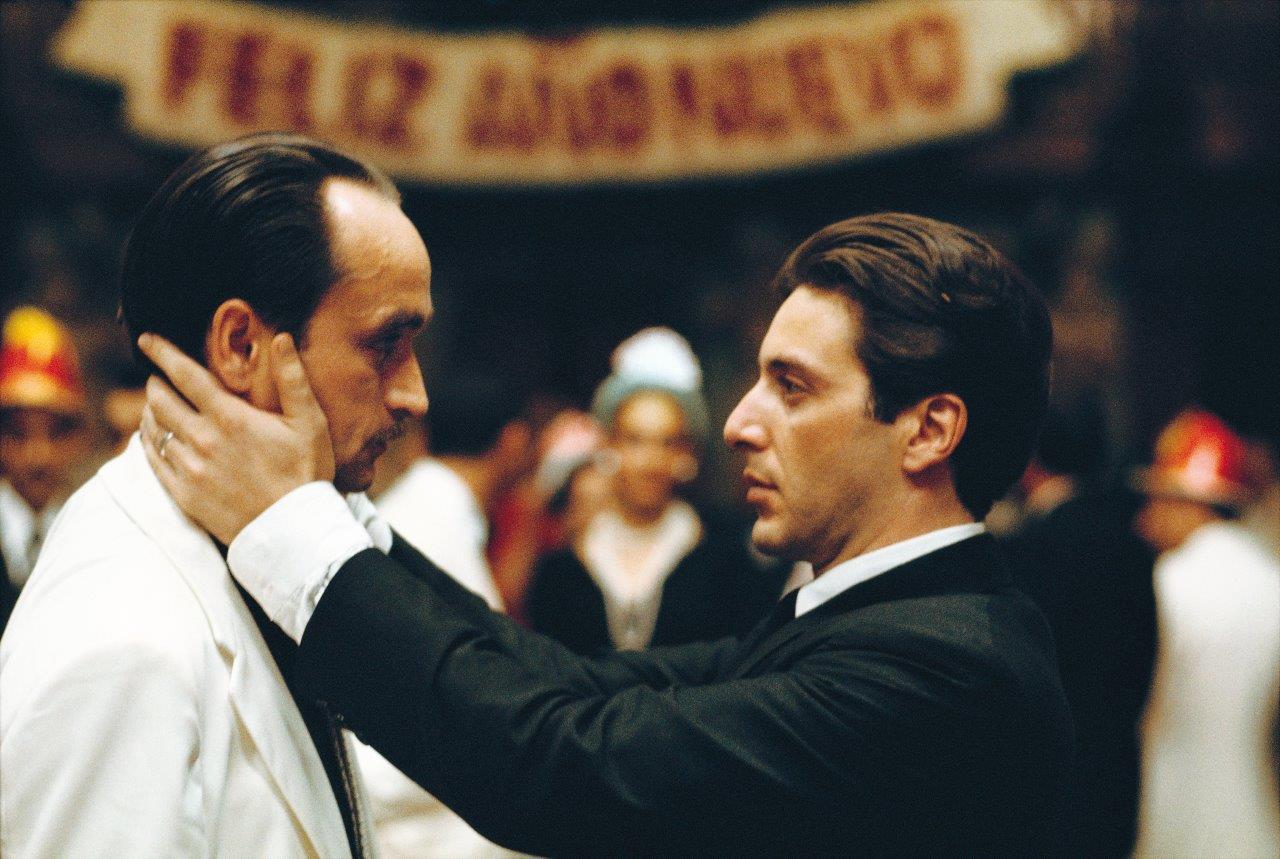
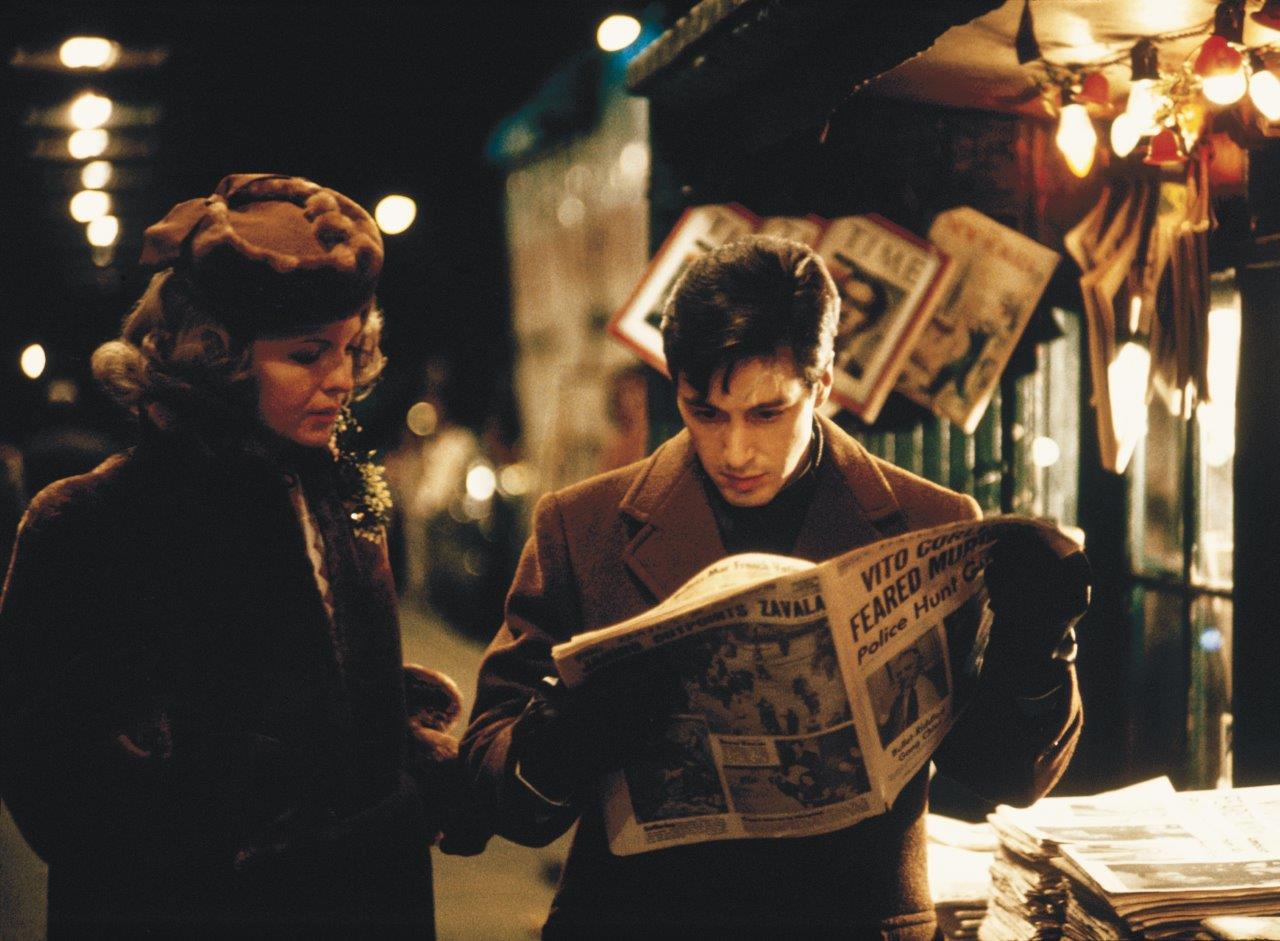
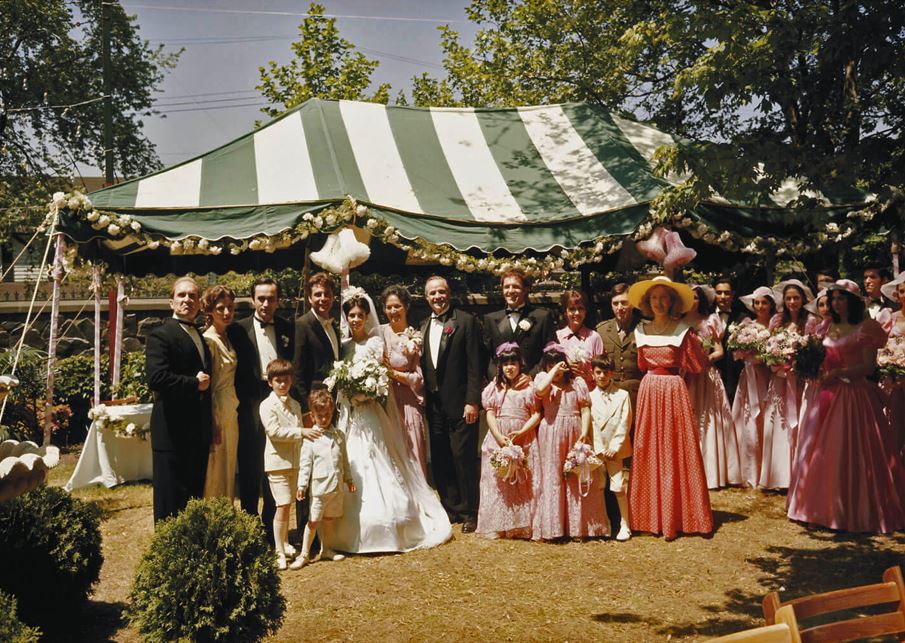
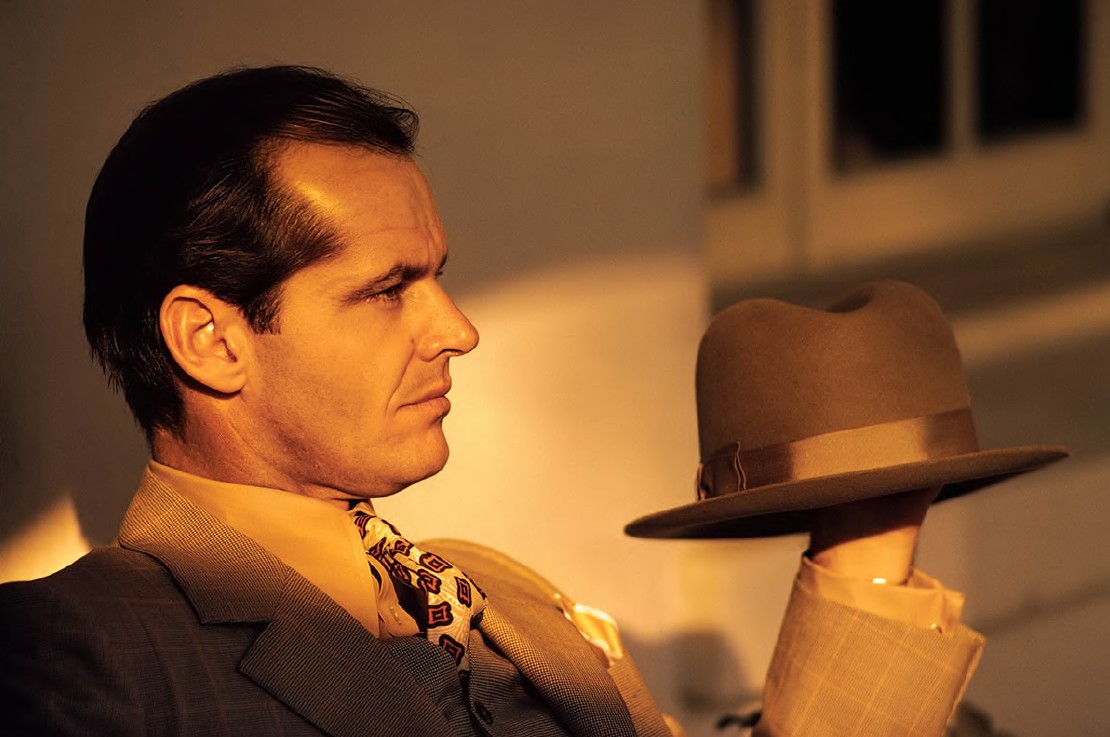
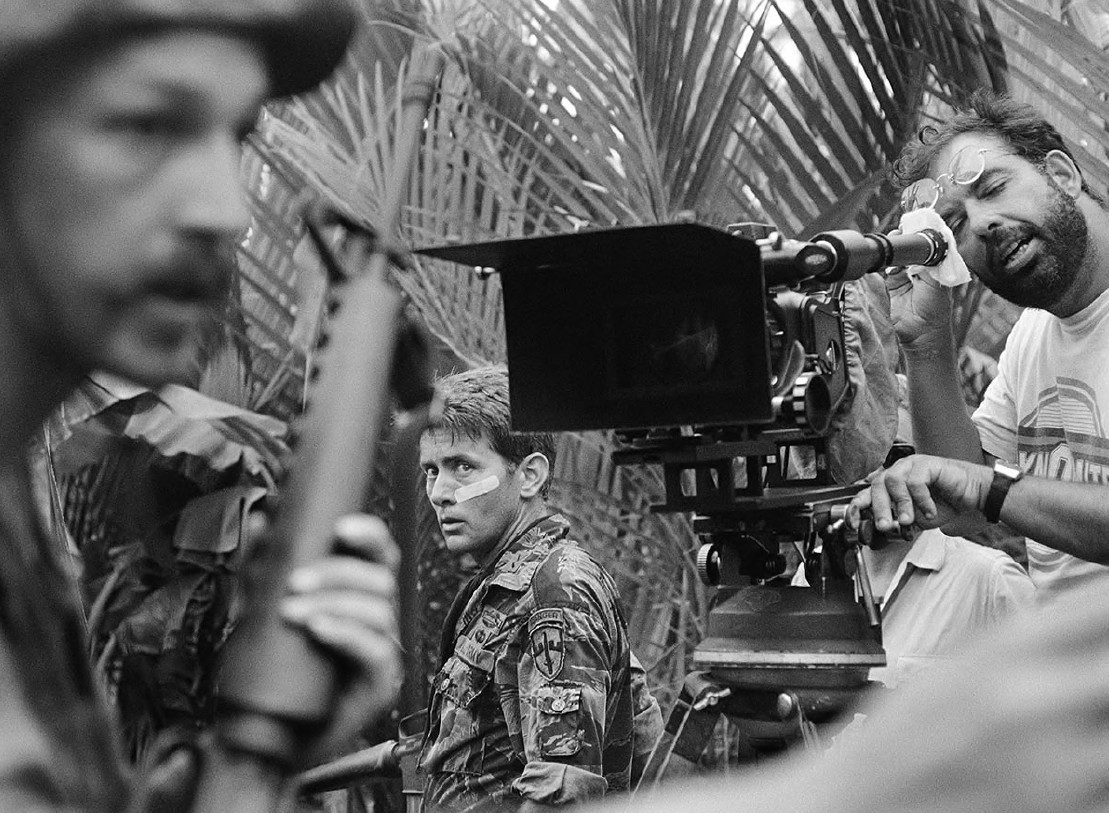
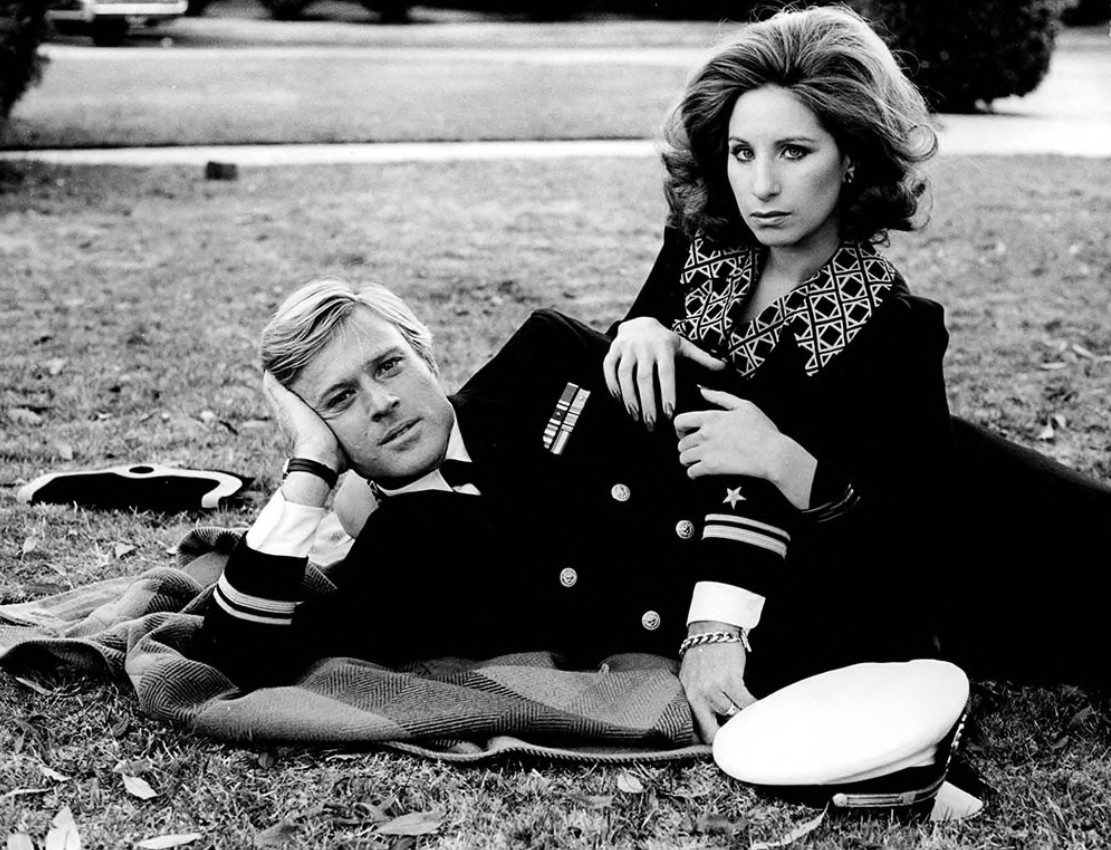
Commissioned by Paramount in the 1970s, he also produced on-set photography for iconic films such as The Godfather, Taxi Driver, and Midnight Cowboy.
As one of the leading figures in photojournalism, his photographs are now exhibited in museums around the world.
Steve Schapiro passed away in Chicago in 2022.
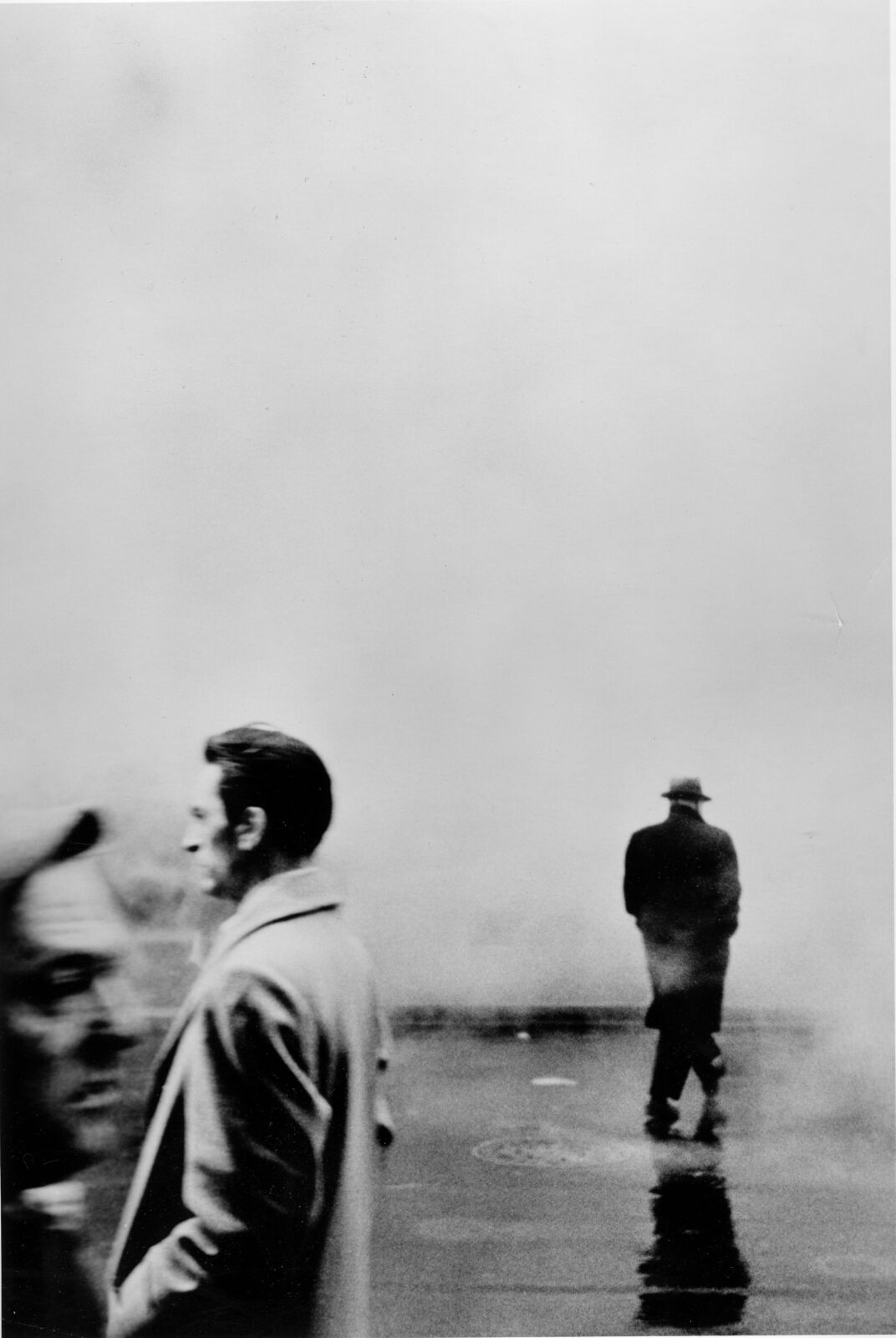
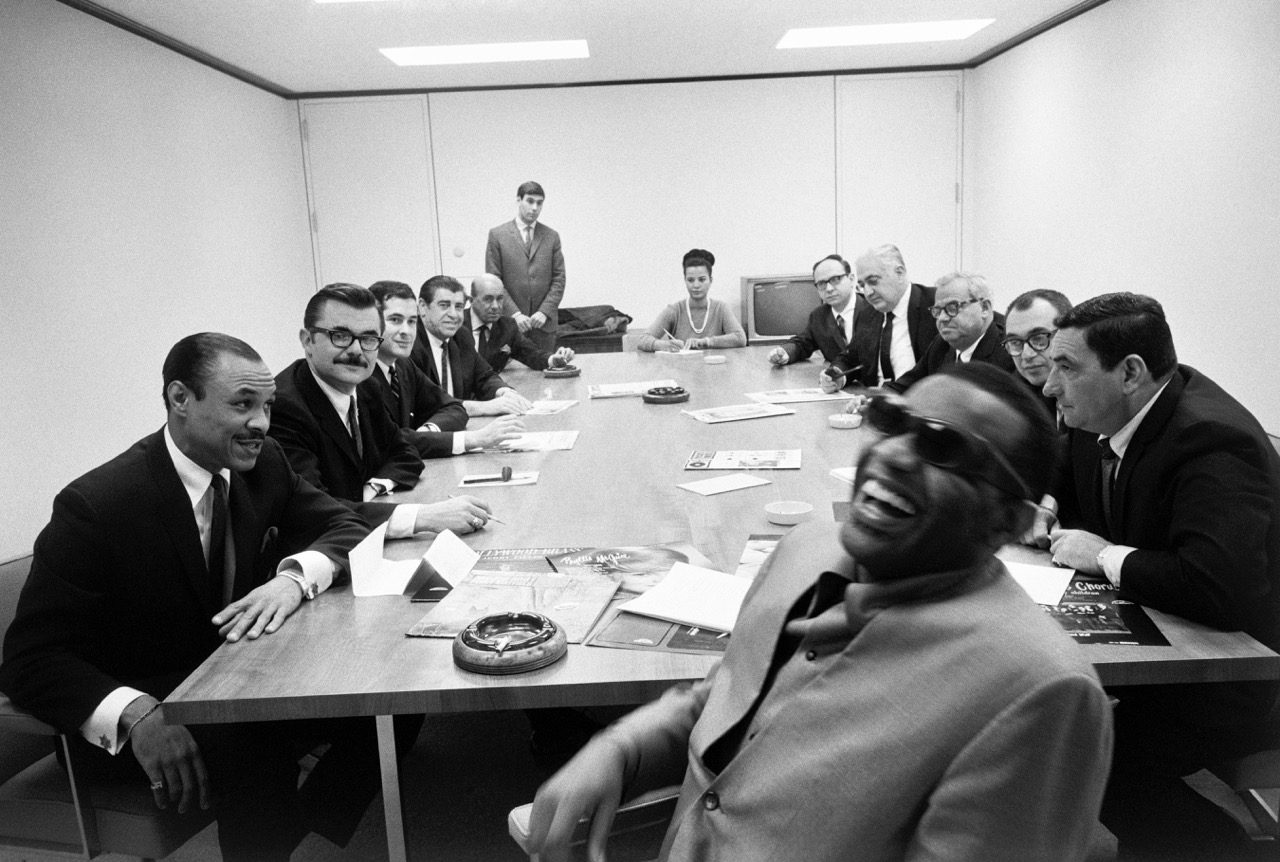
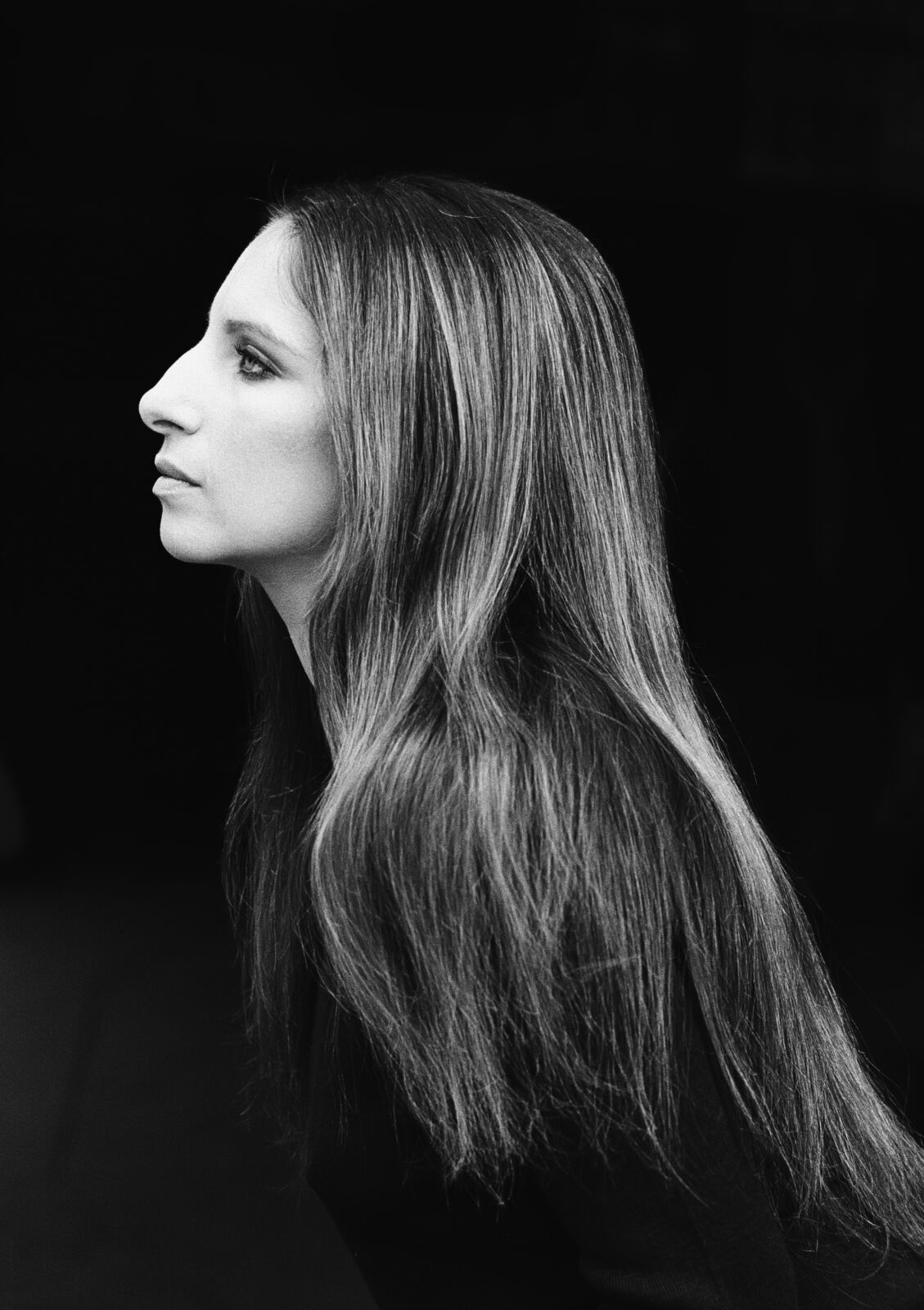
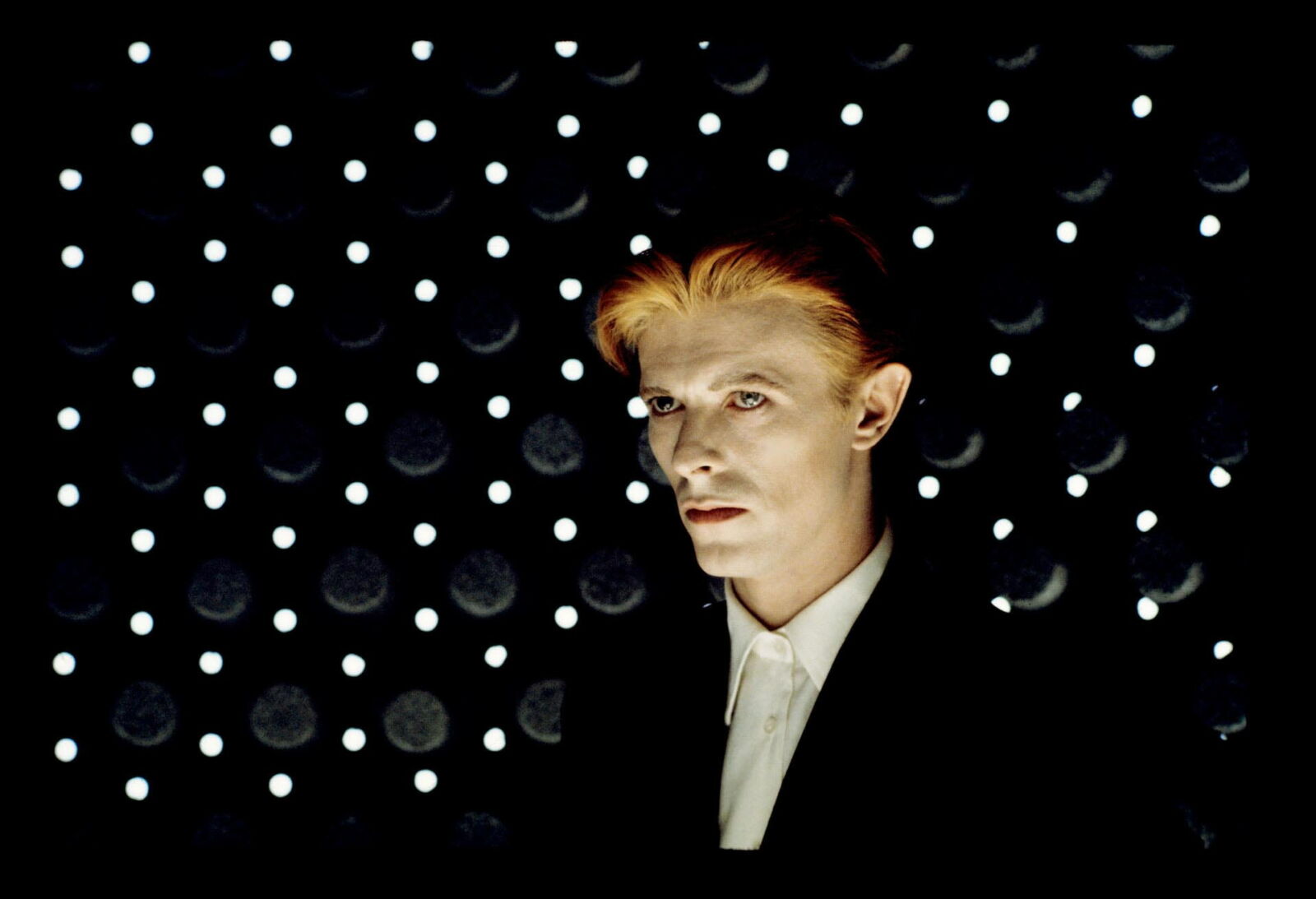
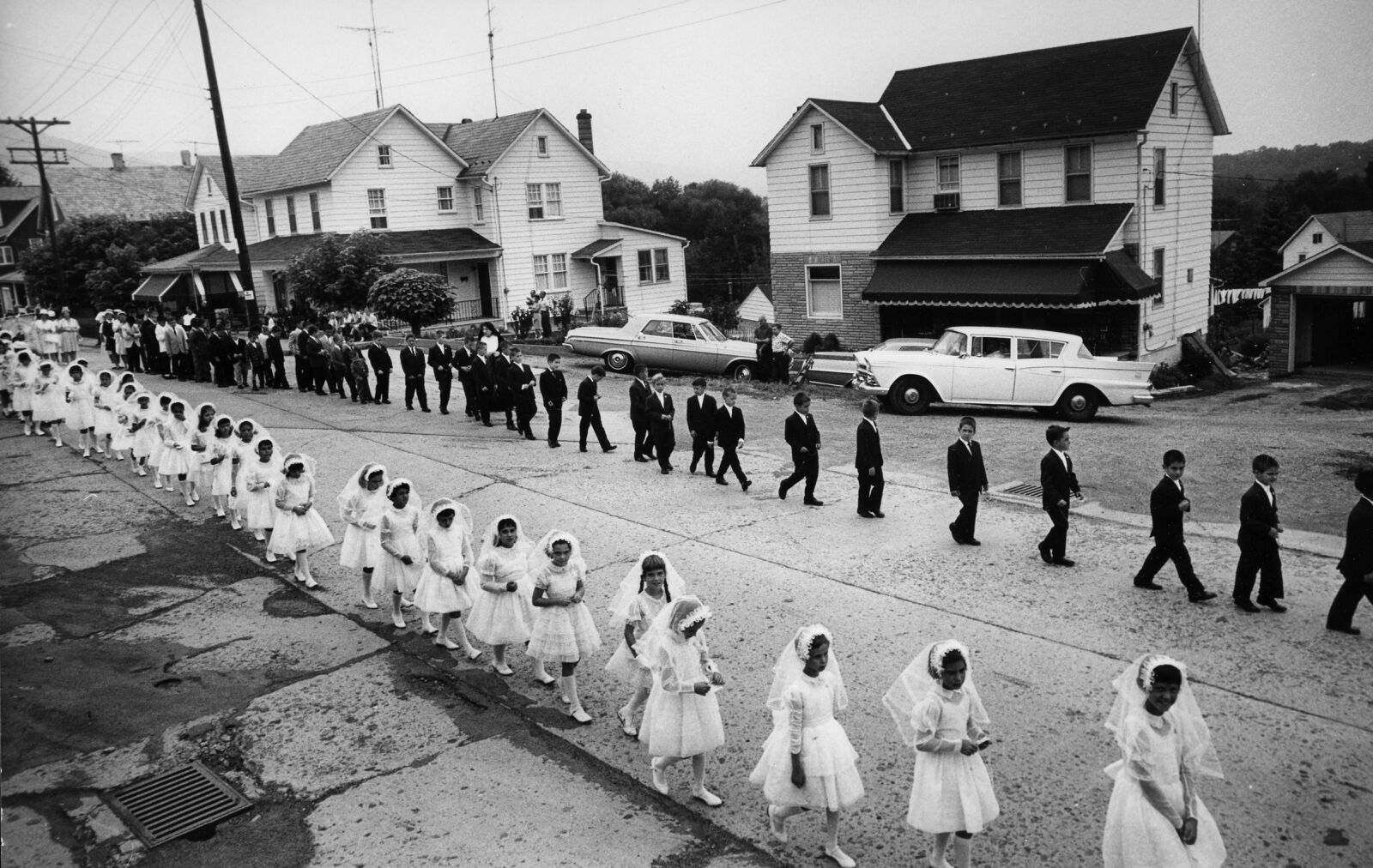
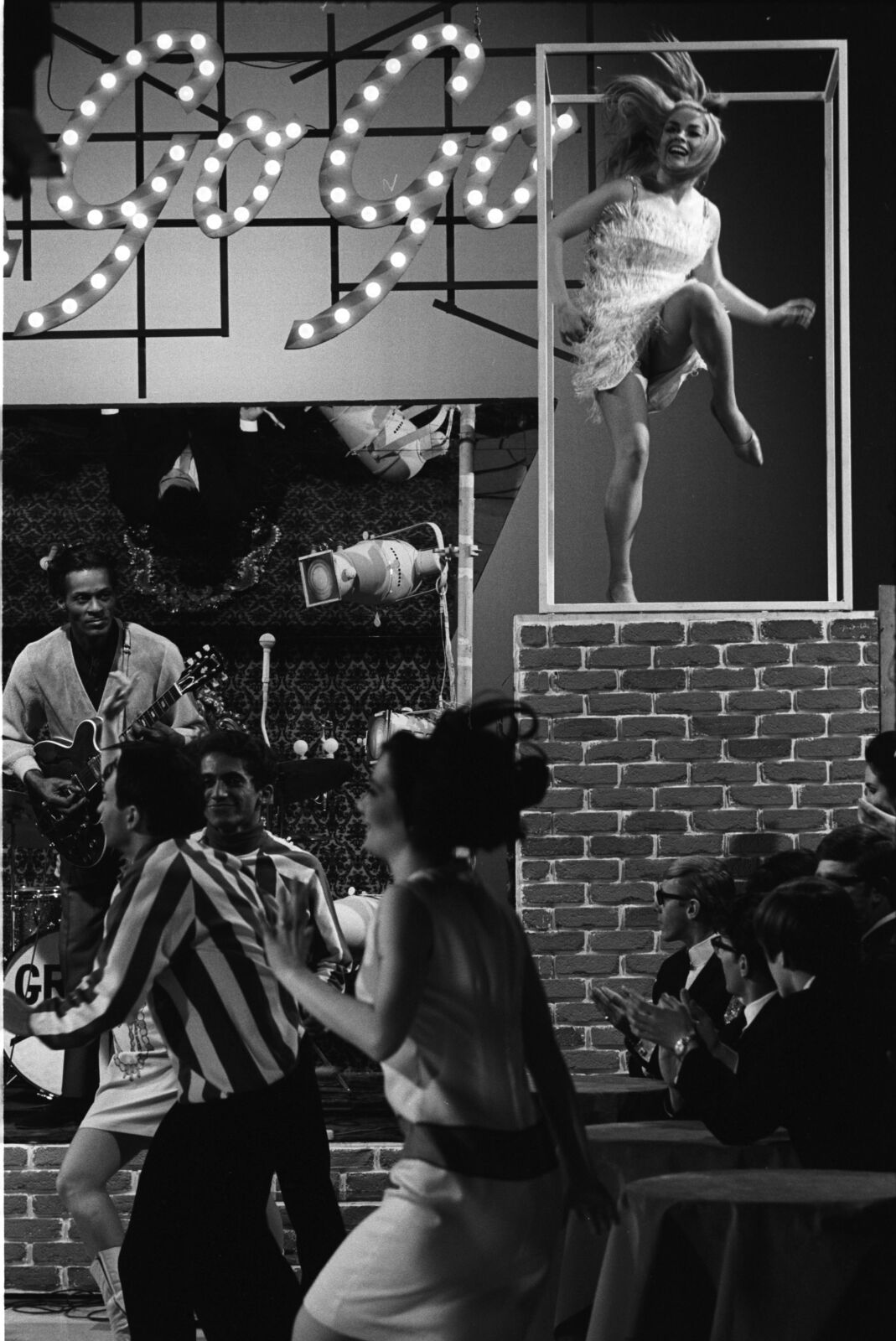
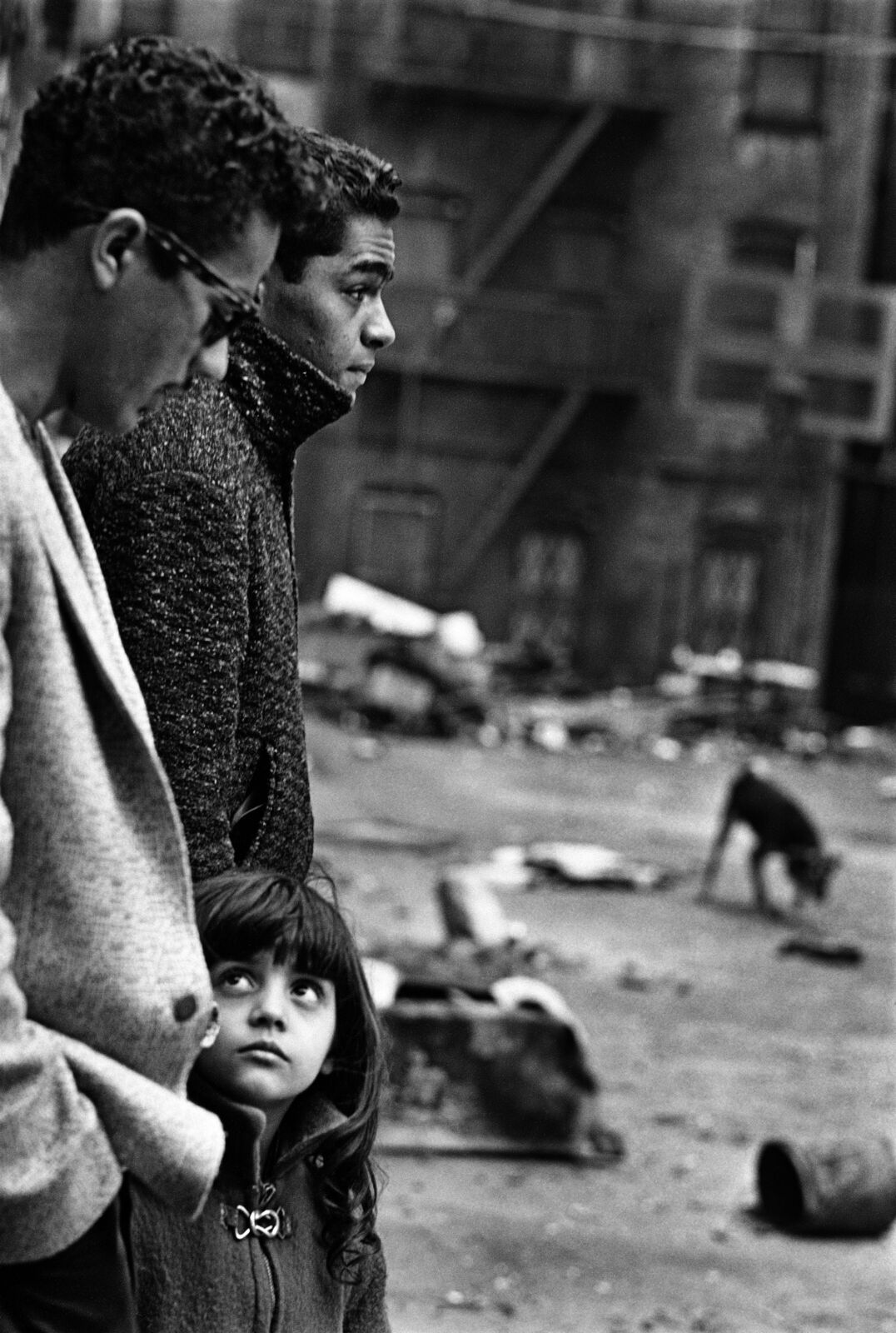
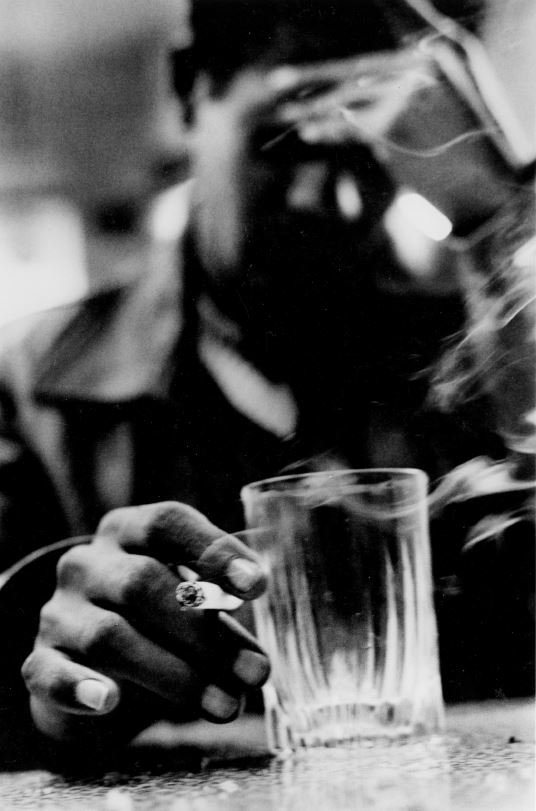
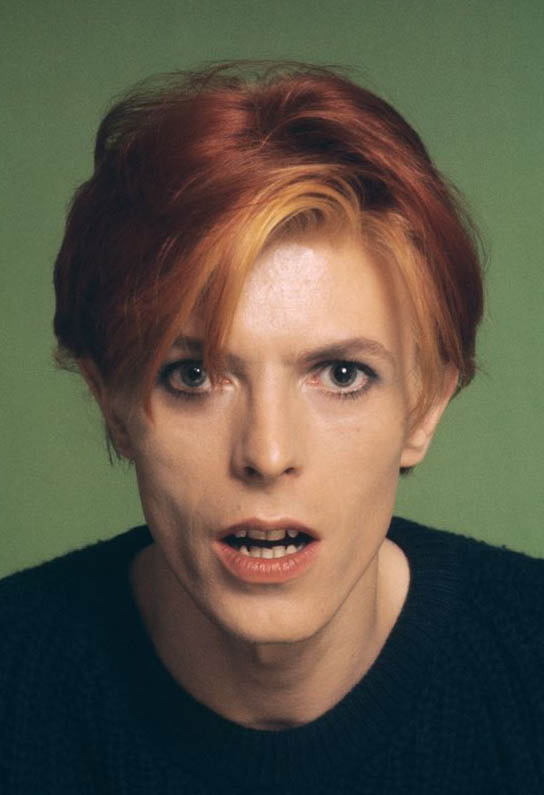
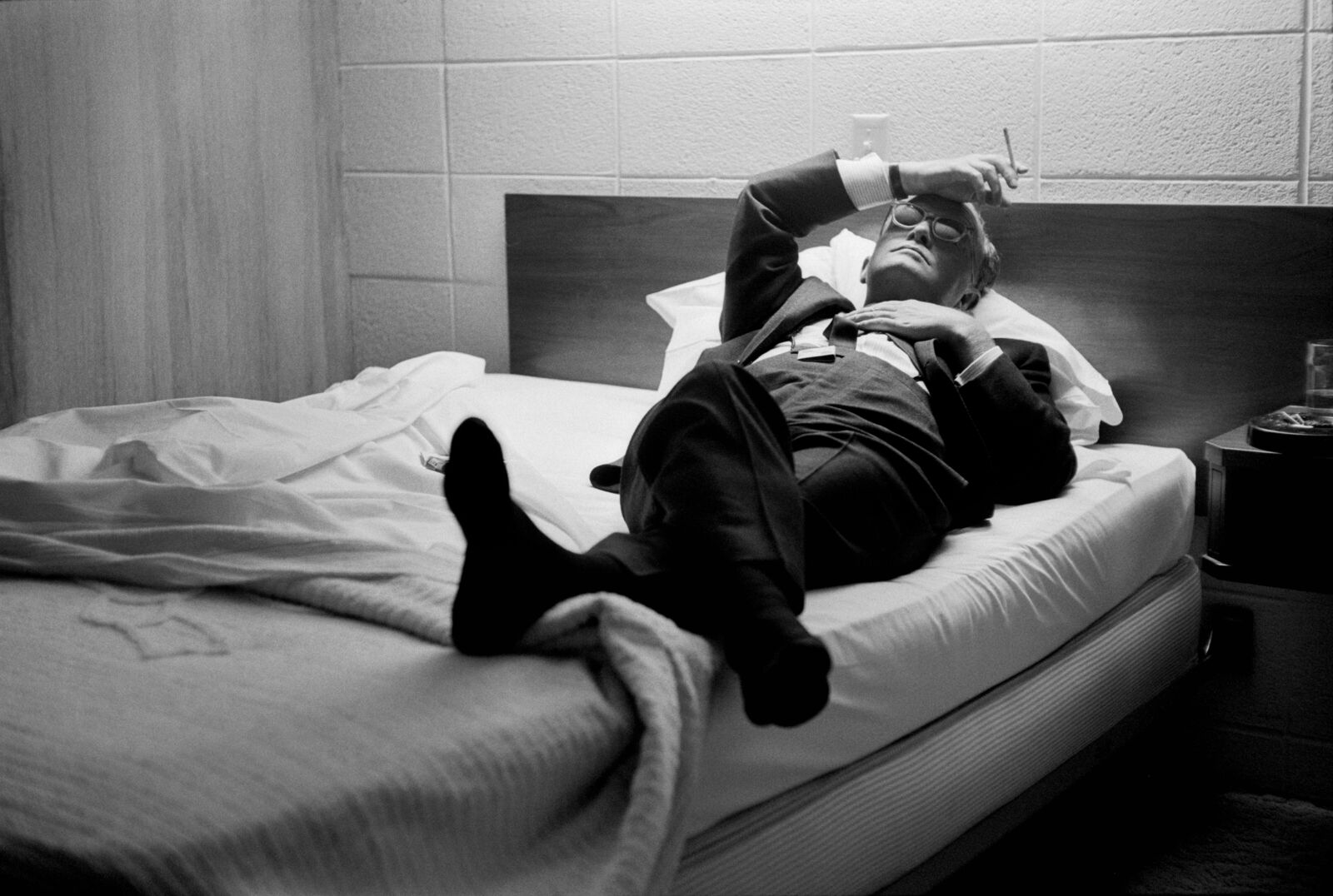
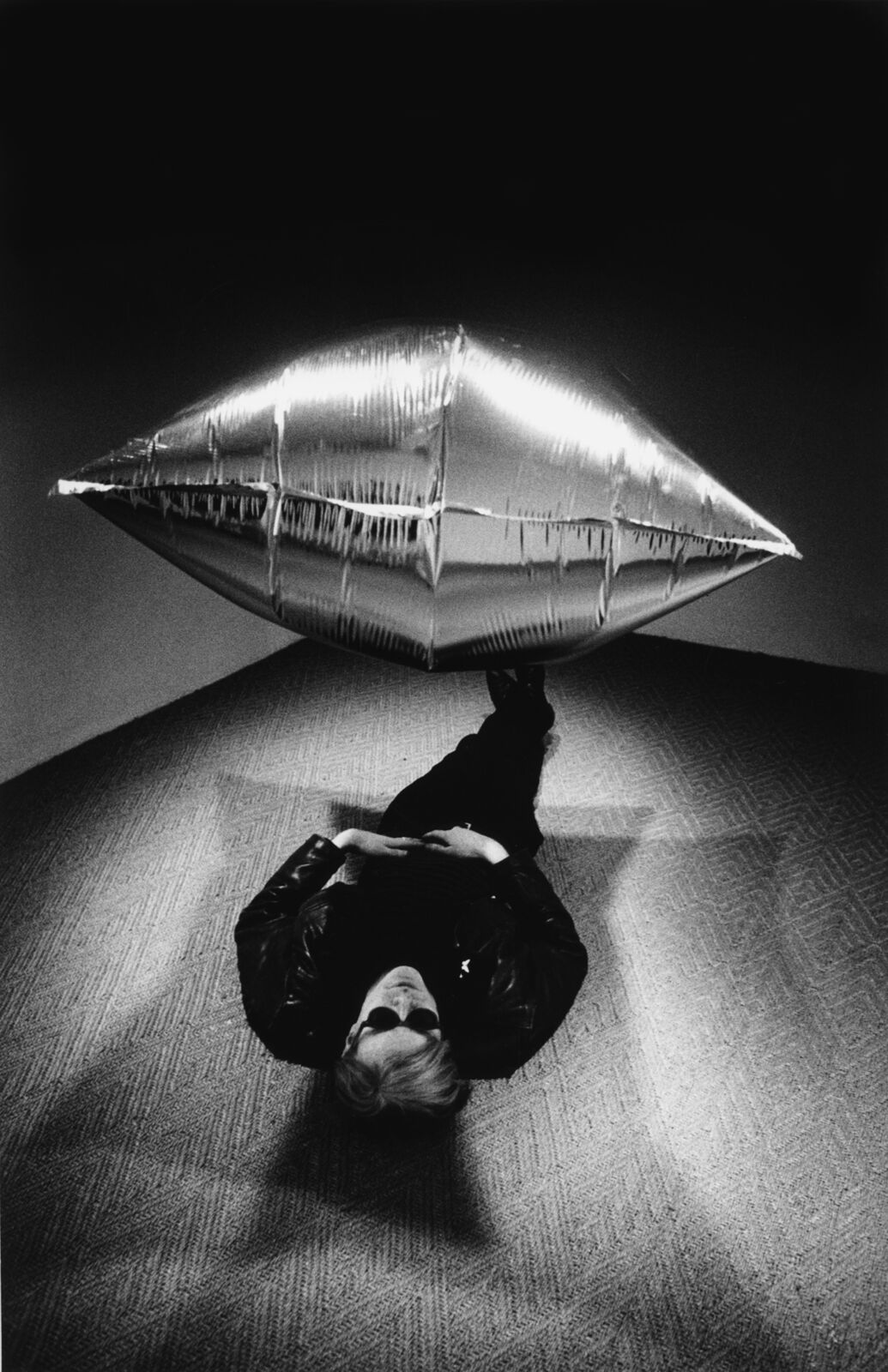
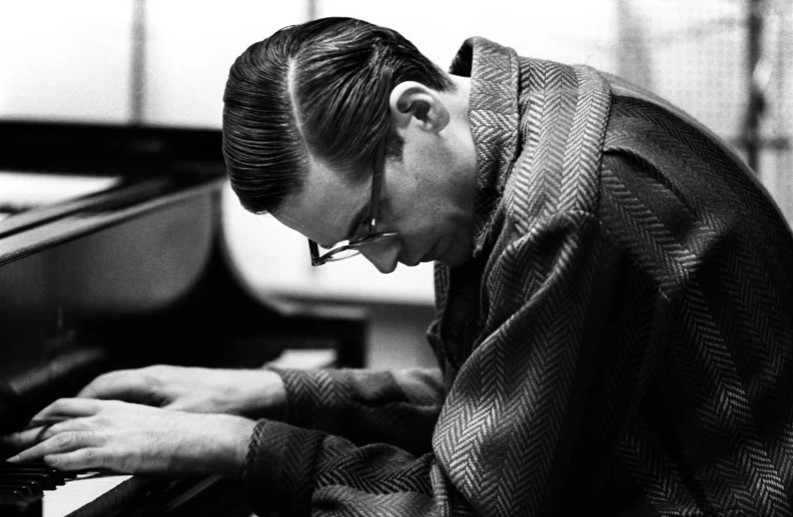
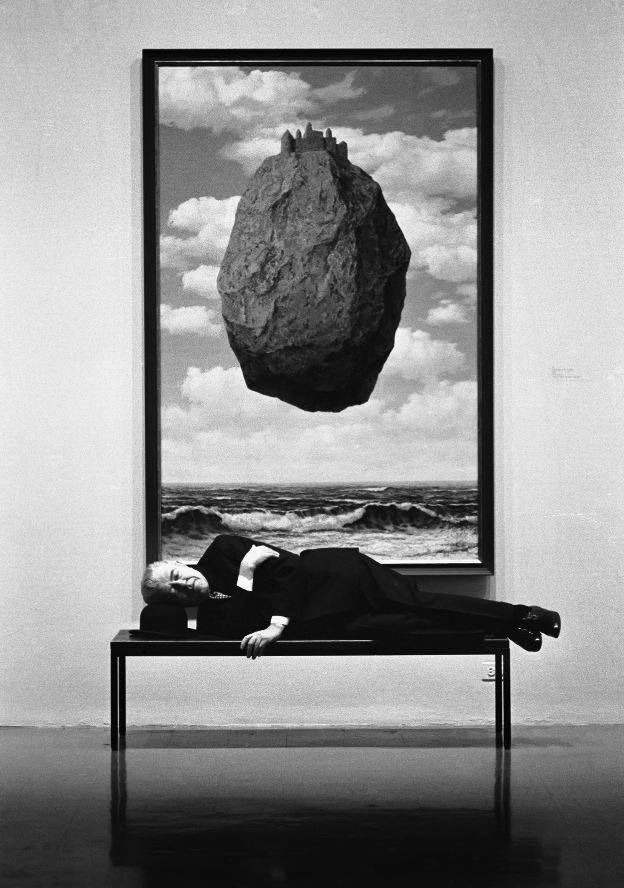
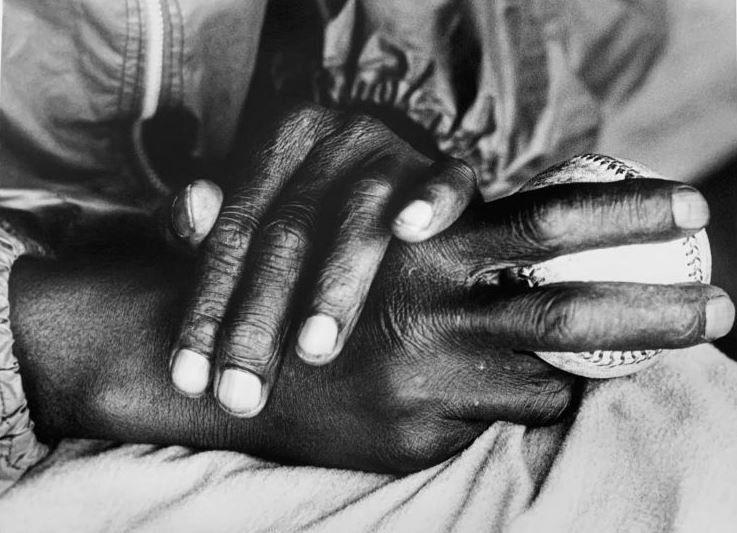
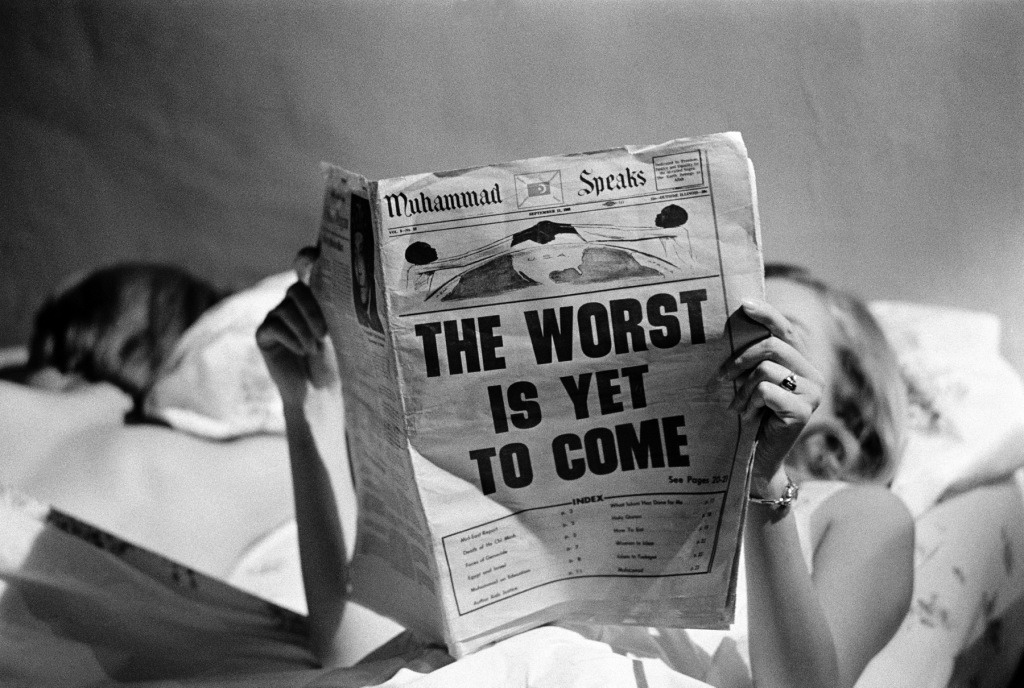
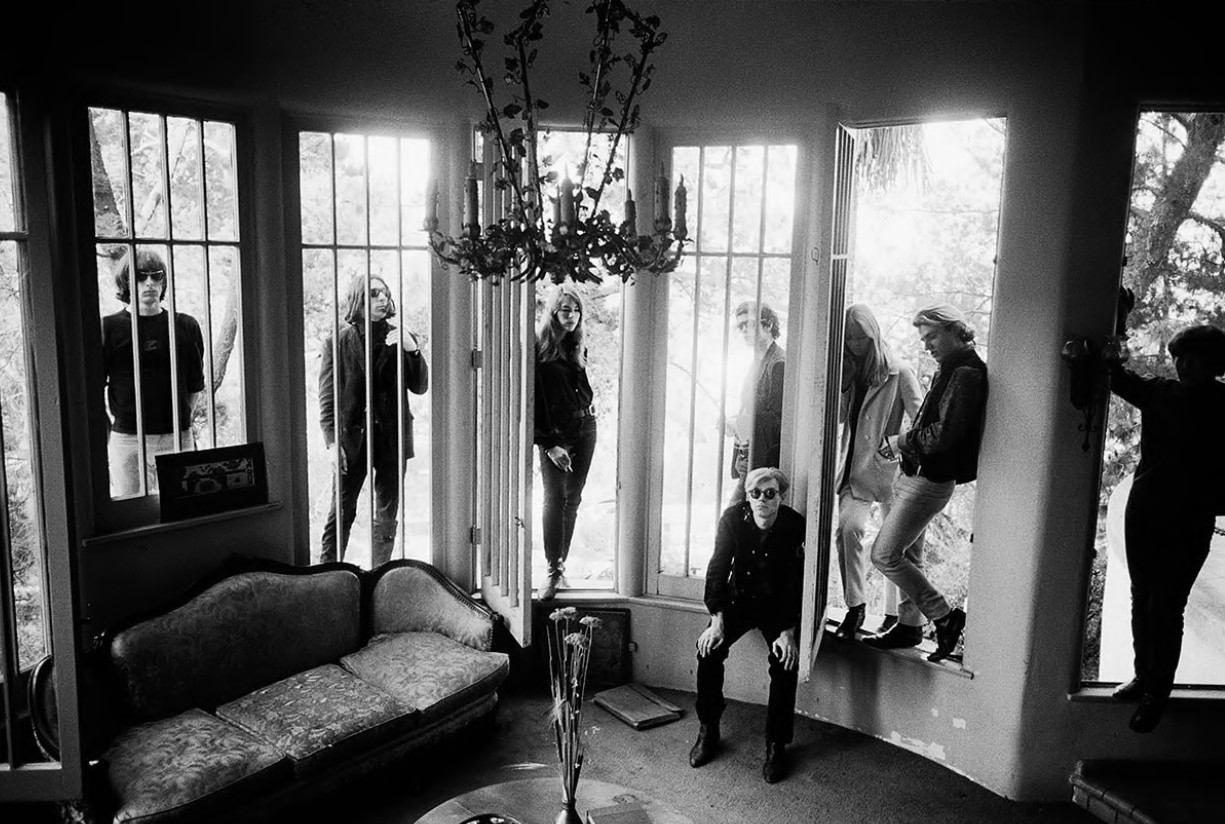
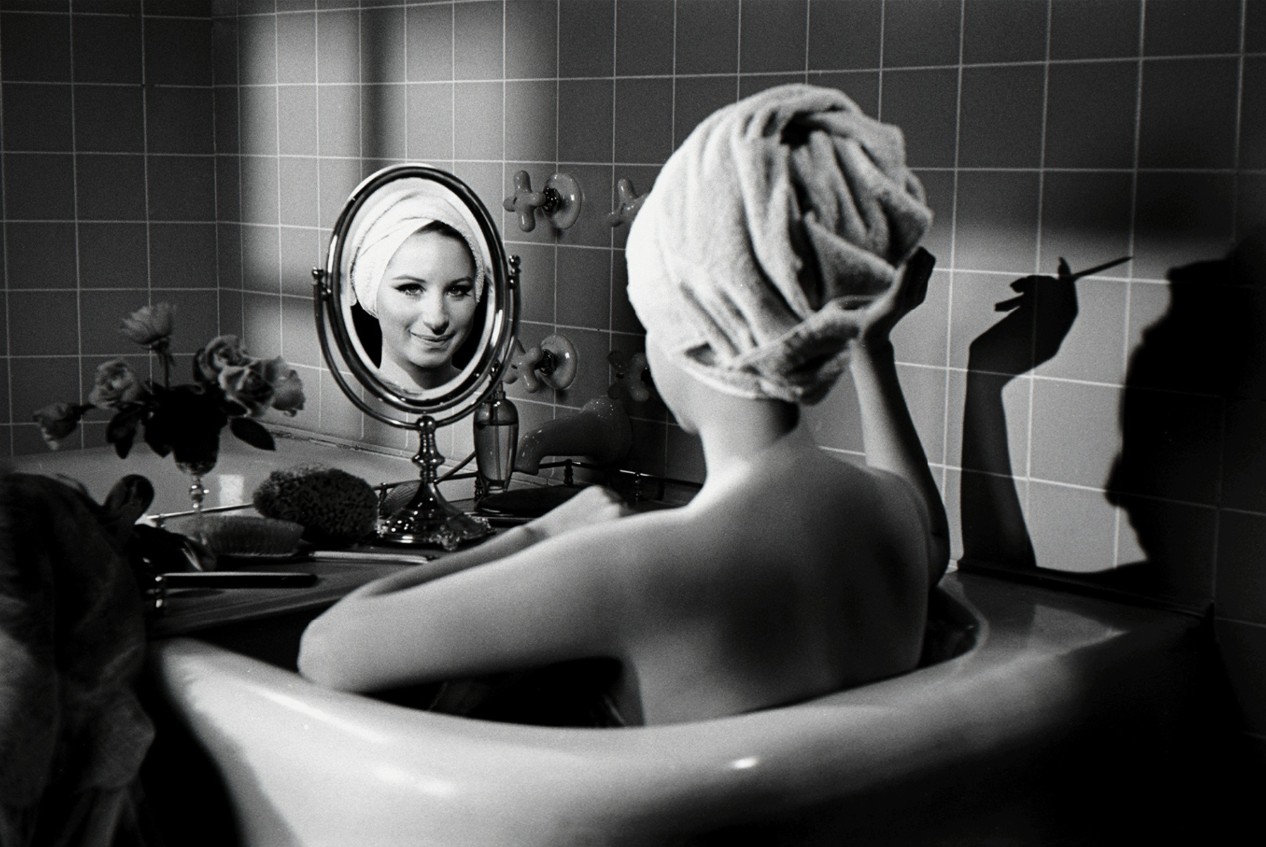
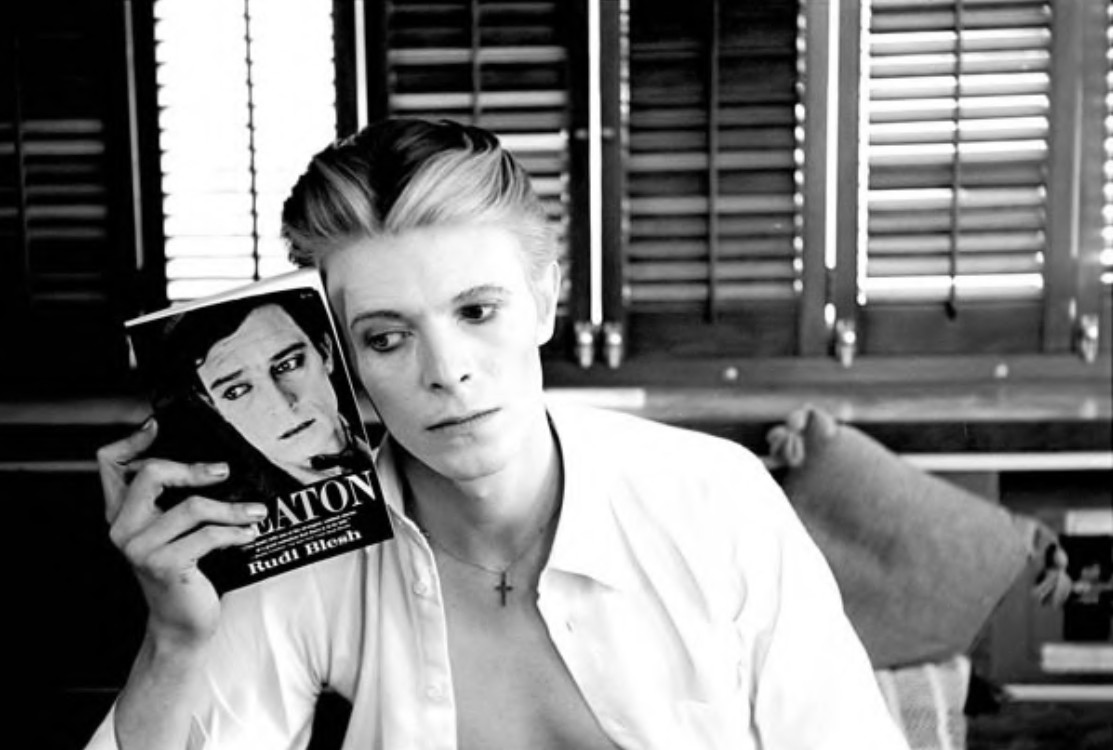
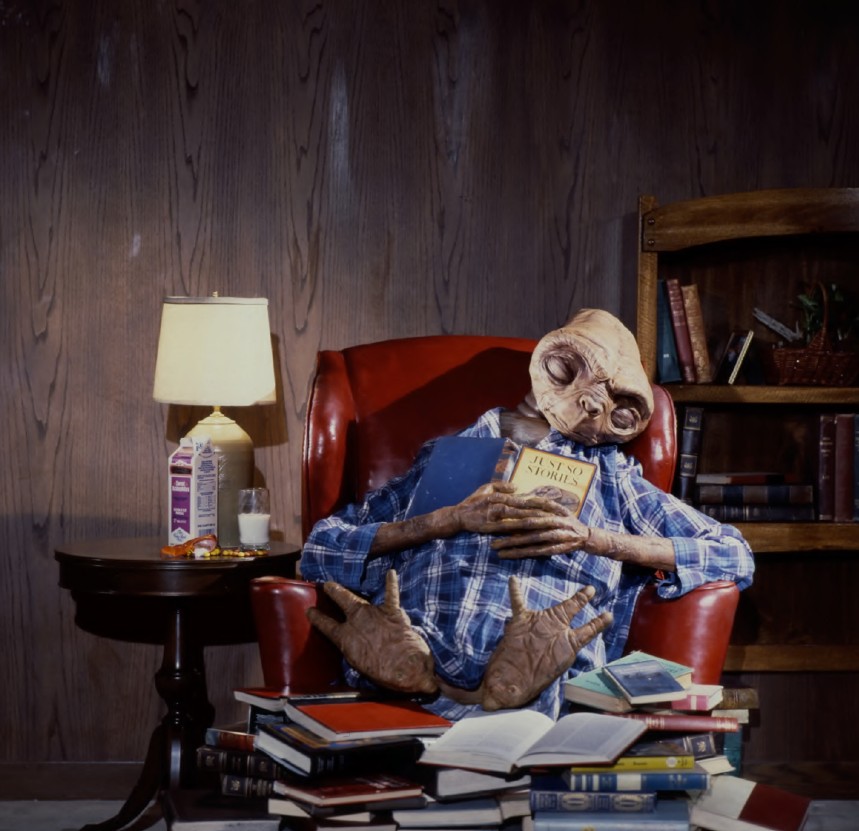
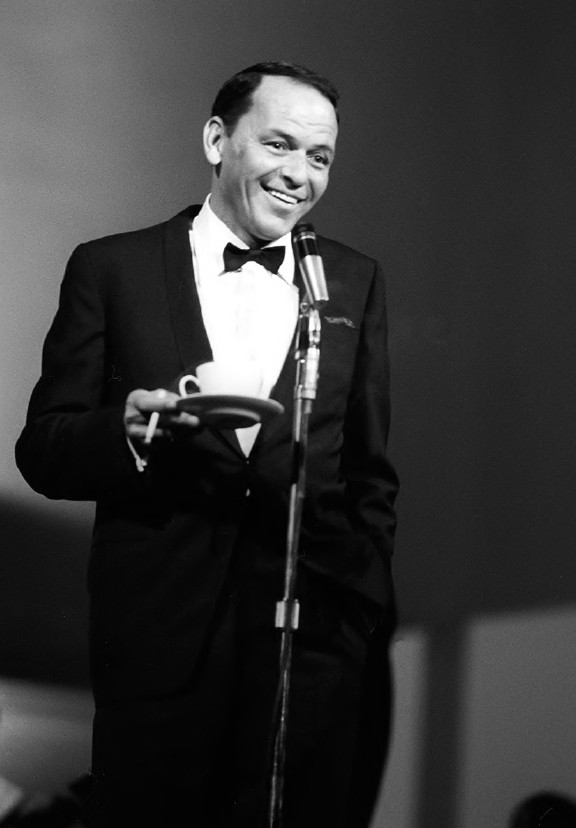
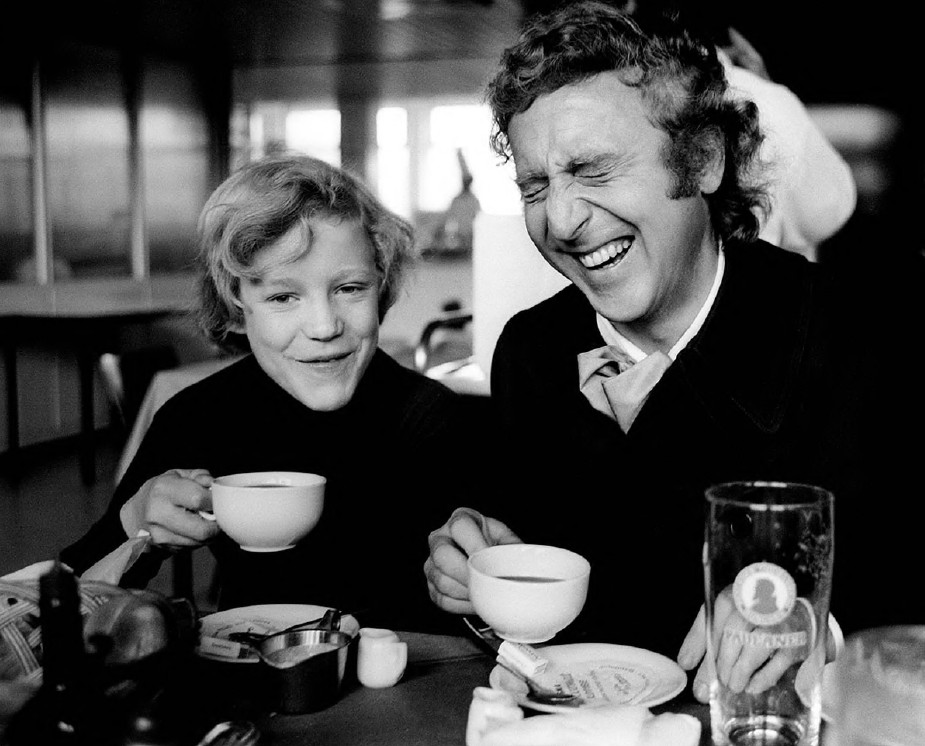
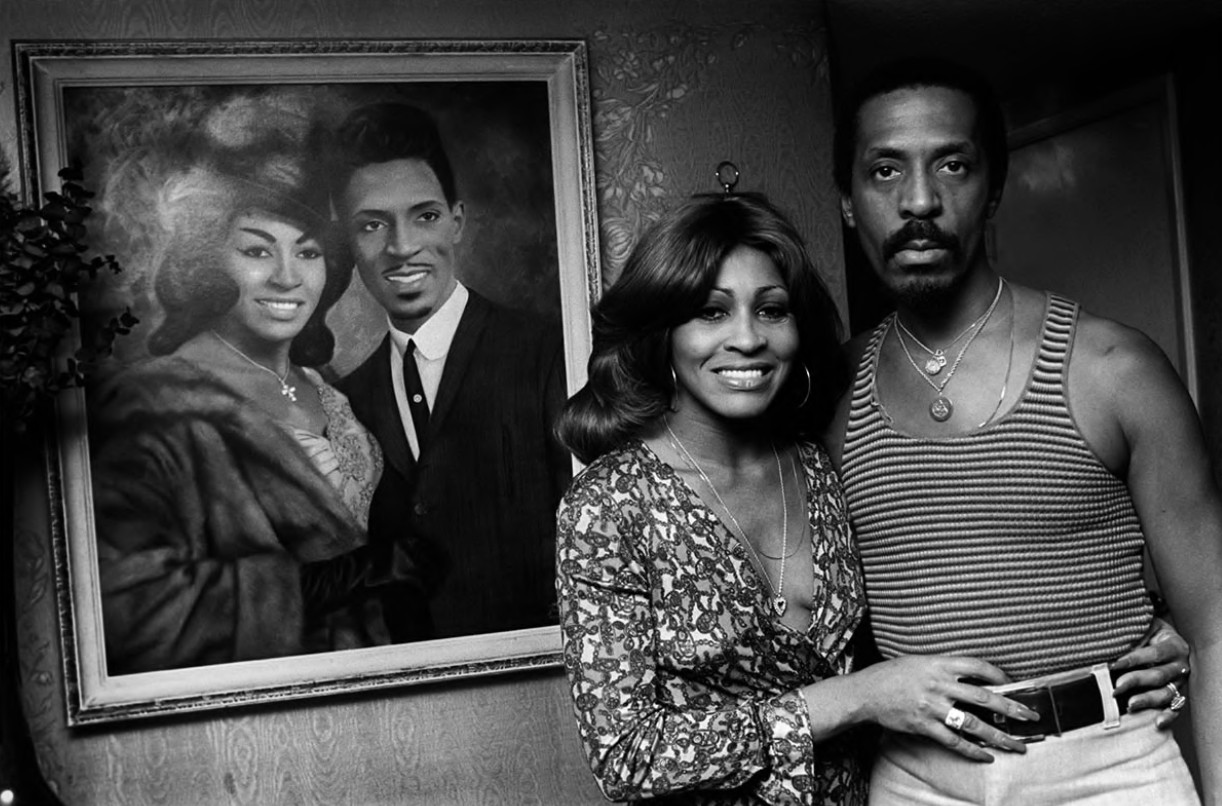
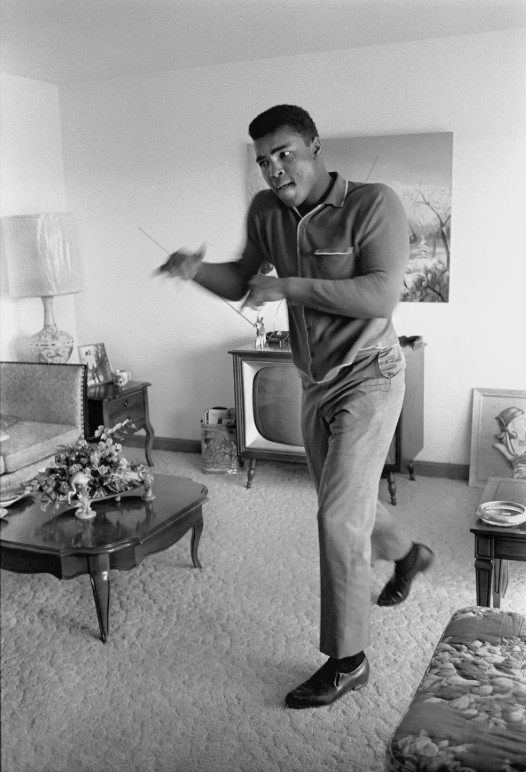
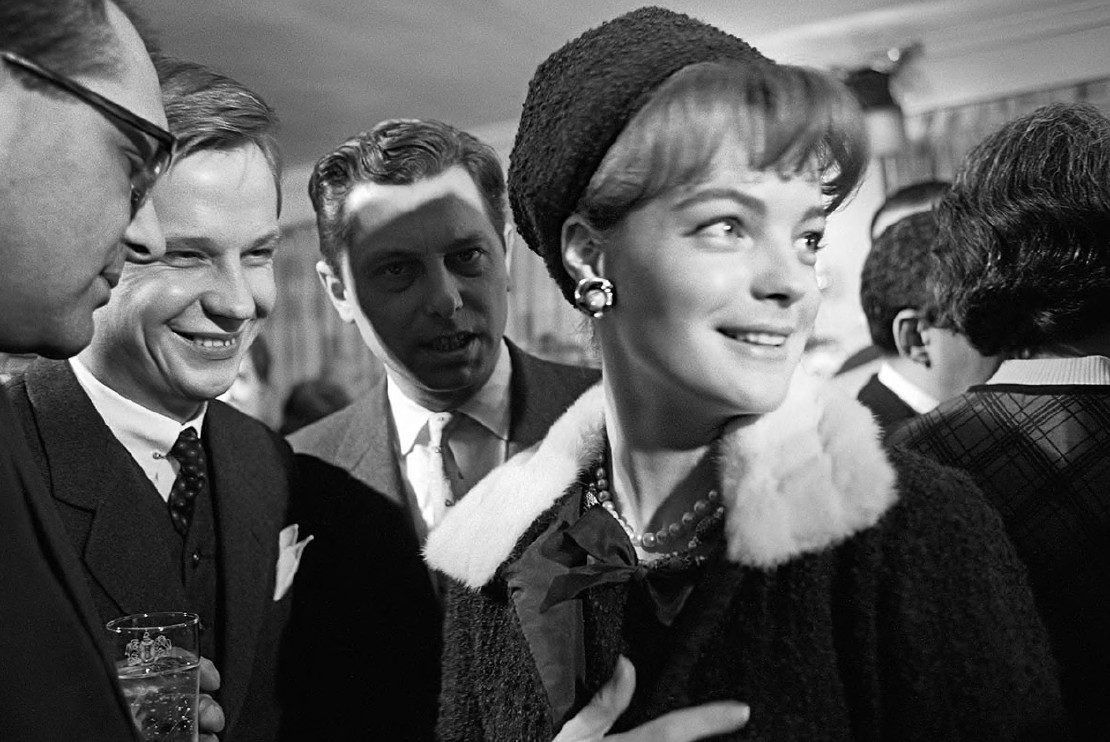
Steve Schapiro’s work finds its balance in a humanistic and cinematic approach to photography, moving between social documentary, portraiture, and behind-the-scenes images of cult films. It is distinguished by significant documentary value, a close connection to American history, and compositions that retain a strong emotional resonance. Reading his images benefits from close attention to nuance: a compositional detail, a particular distance from the subject, light, or texture are often enough to reveal their depth.

More artworks on request.
Steve Schapiro was an American photojournalist born in Brooklyn and a witness to the major political and cultural transformations of the 1960s and 1970s. Understanding his background helps provide a meaningful approach to his work by connecting his personal history, influences, and way of seeing the world. This first perspective offers viewers a useful point of reference without reducing the artist to an overly simplistic definition.
Steve Schapiro’s perspective is distinguished by a humanistic and cinematic approach to photography, moving between social documentary, portraiture, and behind-the-scenes images of iconic films. The uniqueness of his work lies less in effect than in presence: the presence of the subject, light, silence, movement, or place. This consistency is what gives his work its understated strength.
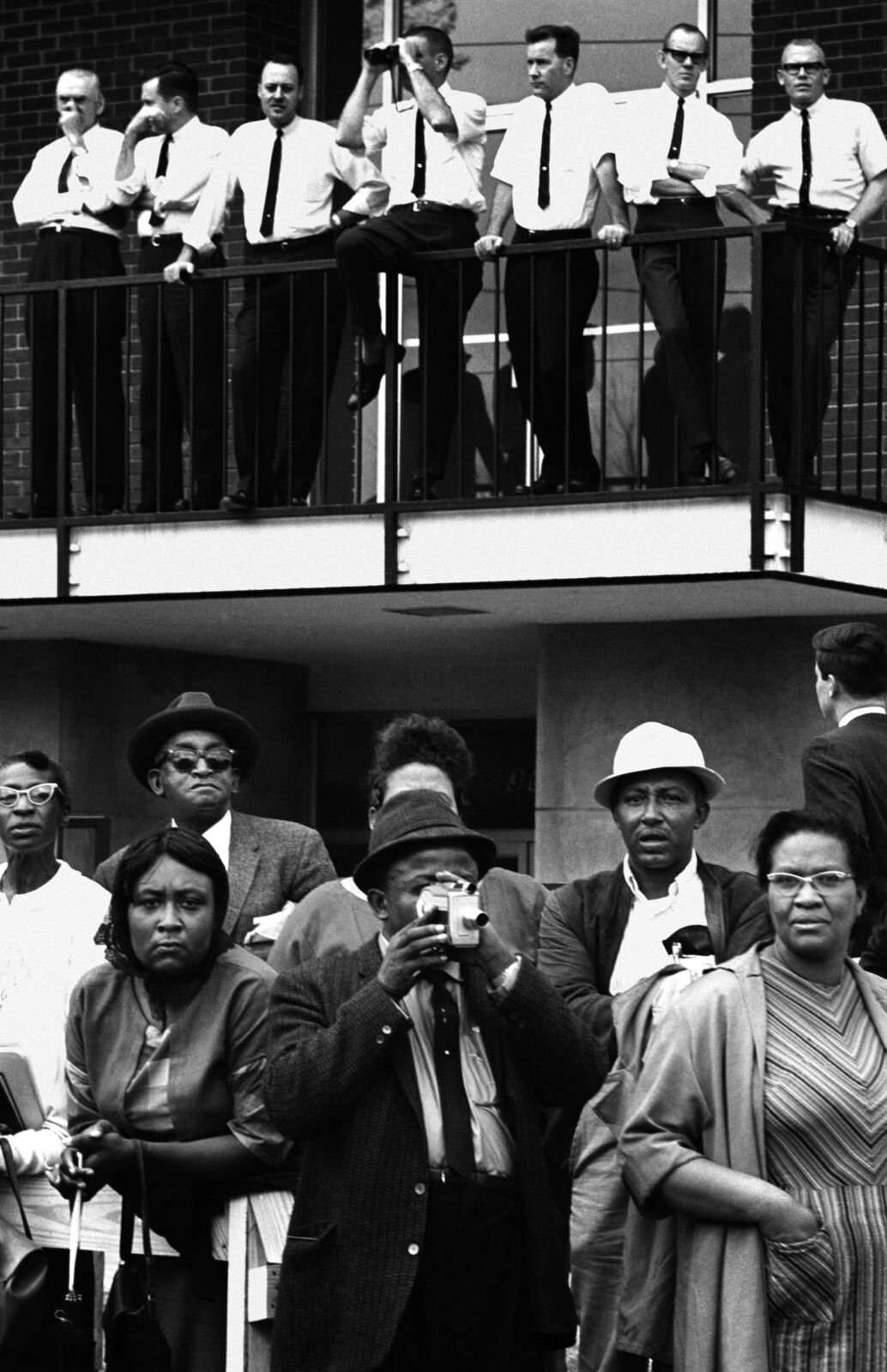
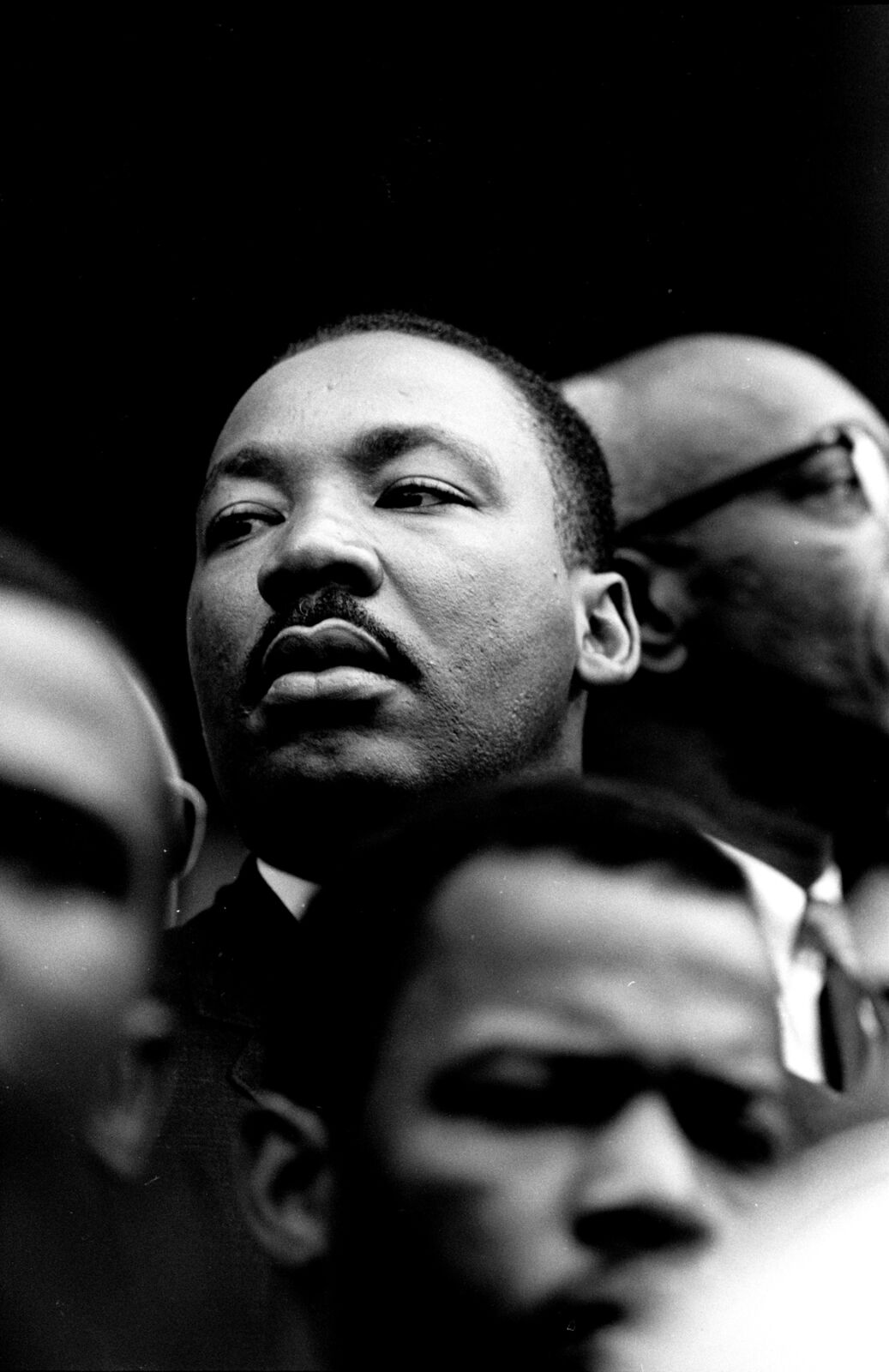
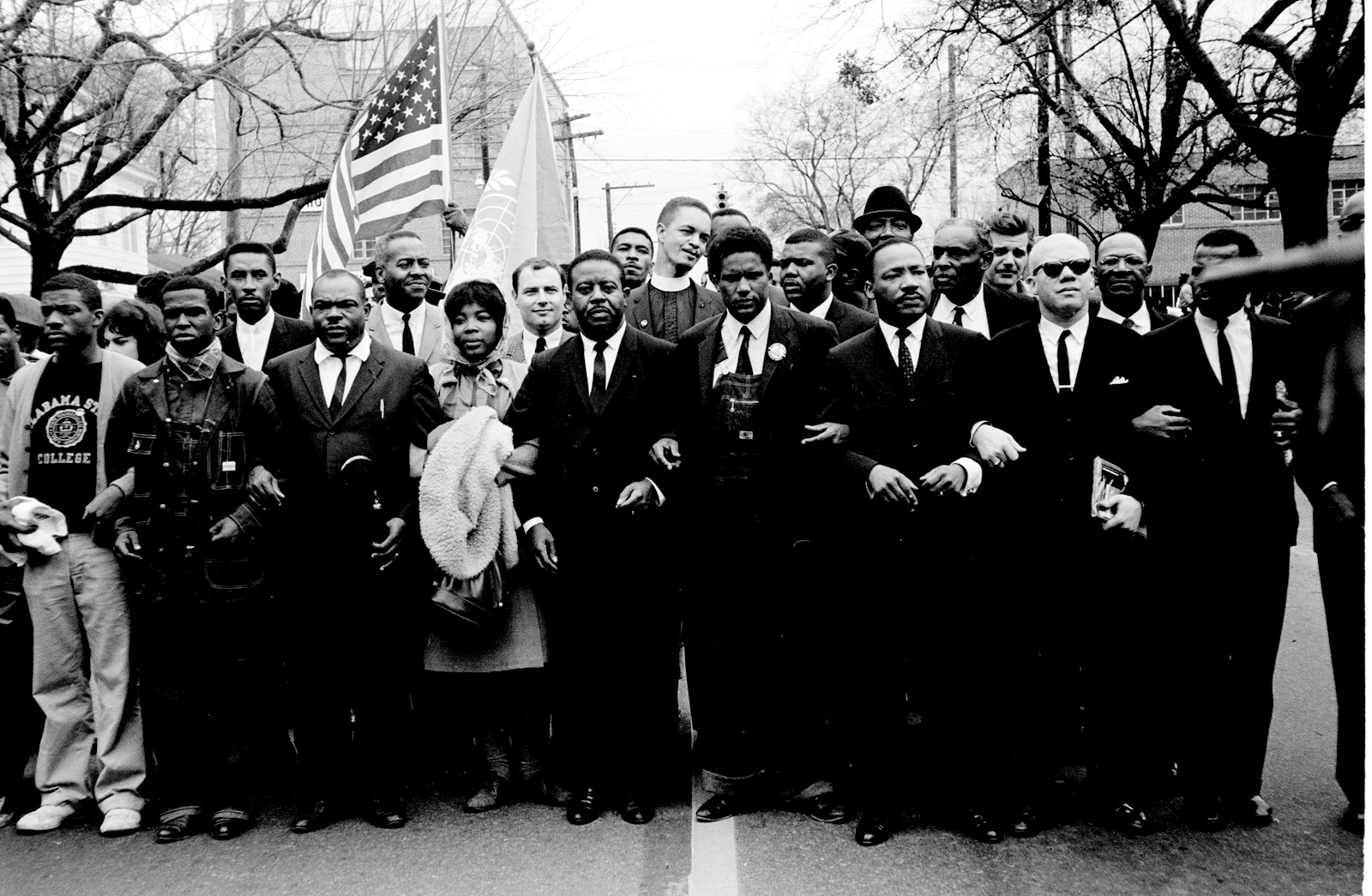
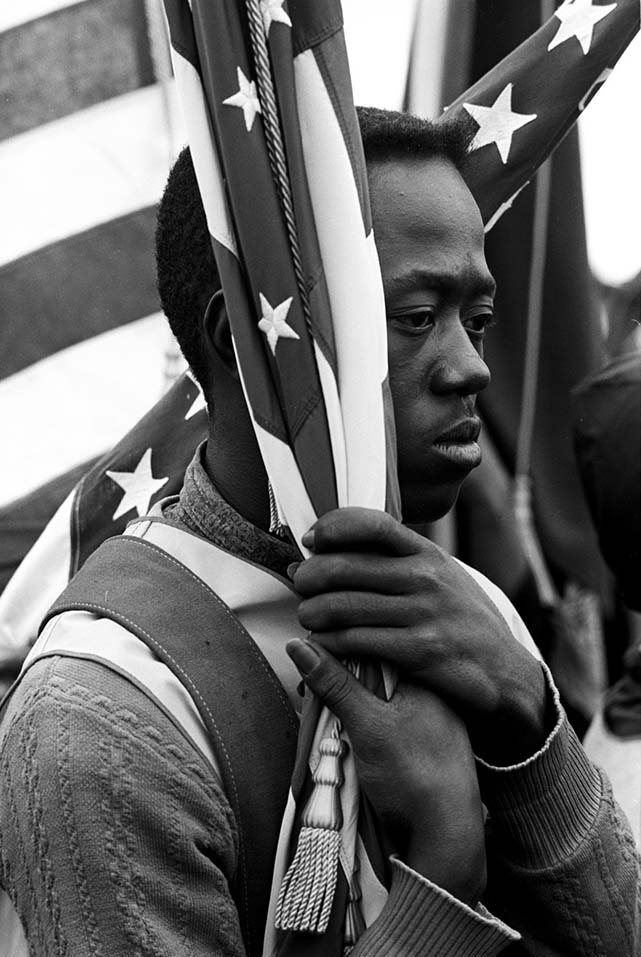
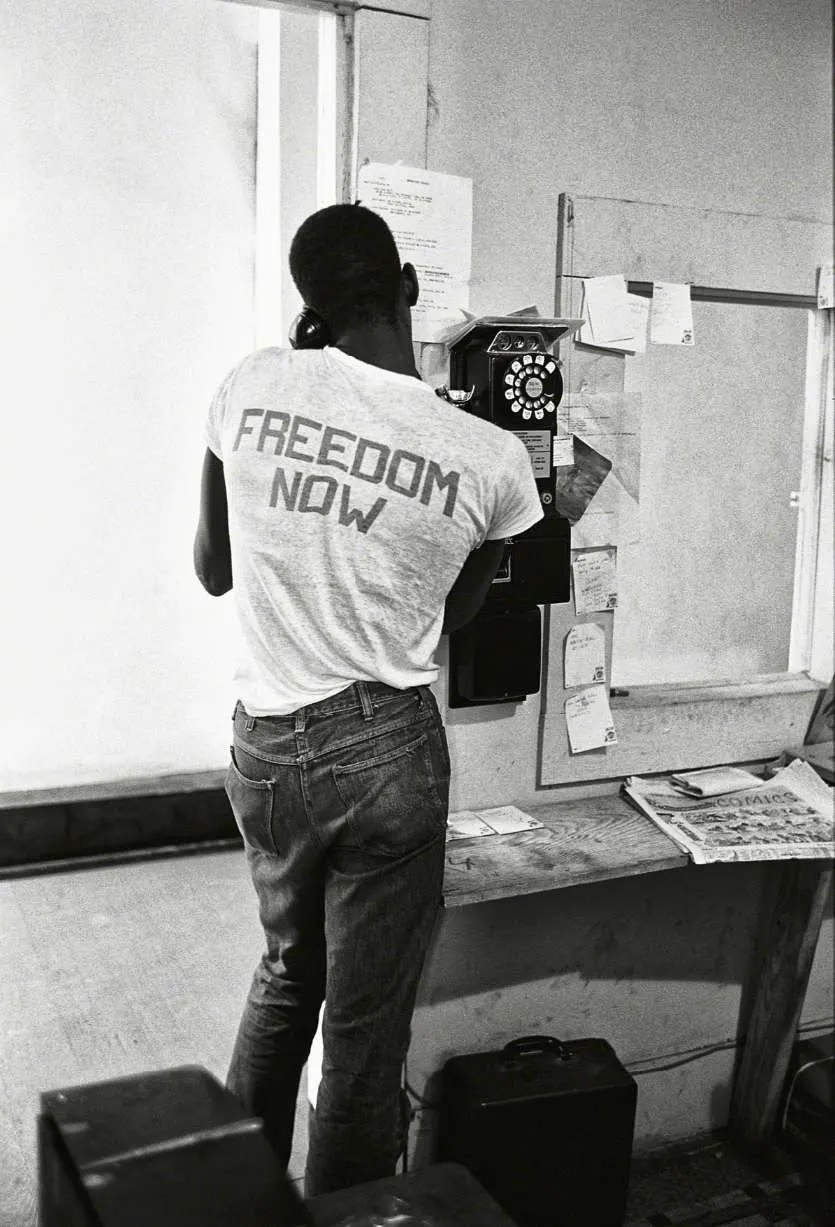
To enter Steve Schapiro’s world, one can explore his images of the Civil Rights Movement as well as his on-set photography for The Godfather, Taxi Driver, and Midnight Cowboy. These bodies of work reveal the themes that run throughout his practice and the way the artist constructs atmosphere. They encourage viewers to look beyond the subject itself, toward composition, visual texture, and the rhythm of each image.
Steve Schapiro’s place can be understood through his significant documentary value, close relationship with American history, and compositions that retain a strong emotional resonance. His work engages with visual traditions while asserting a personal artistic language. Its value therefore lies in the consistency of his vision, the quality of presence, and the precision of form.
A work by Steve Schapiro is first discovered through attention to detail: light, compositional balance, distance from the subject, and the feeling it leaves behind. This slower approach is especially suited to work where emotion often emerges through restraint.
Particular attention in Steve Schapiro’s work should be given to its significant documentary value, close connection to American history, and compositions that retain a strong emotional resonance. This dimension appears in his Civil Rights Movement images and his on-set photography for The Godfather, Taxi Driver, and Midnight Cowboy, where the subject is never simply shown but placed in relation to light, composition, and atmosphere. It gives the work a depth that extends beyond the first impression.