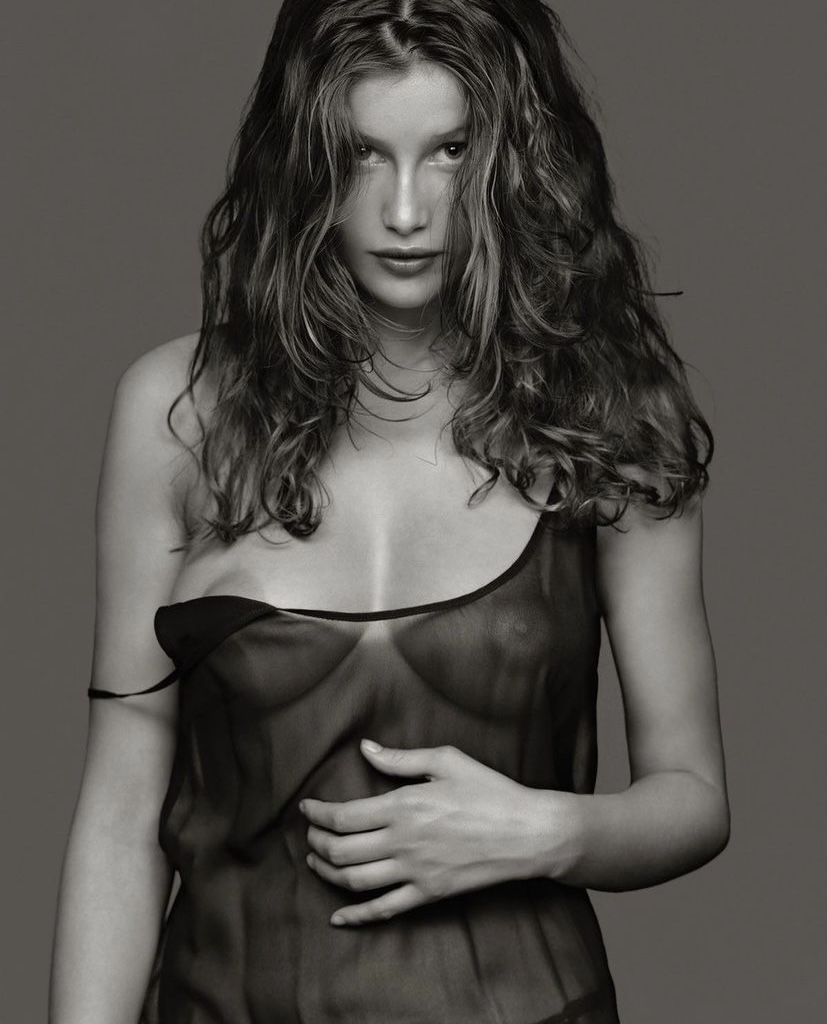
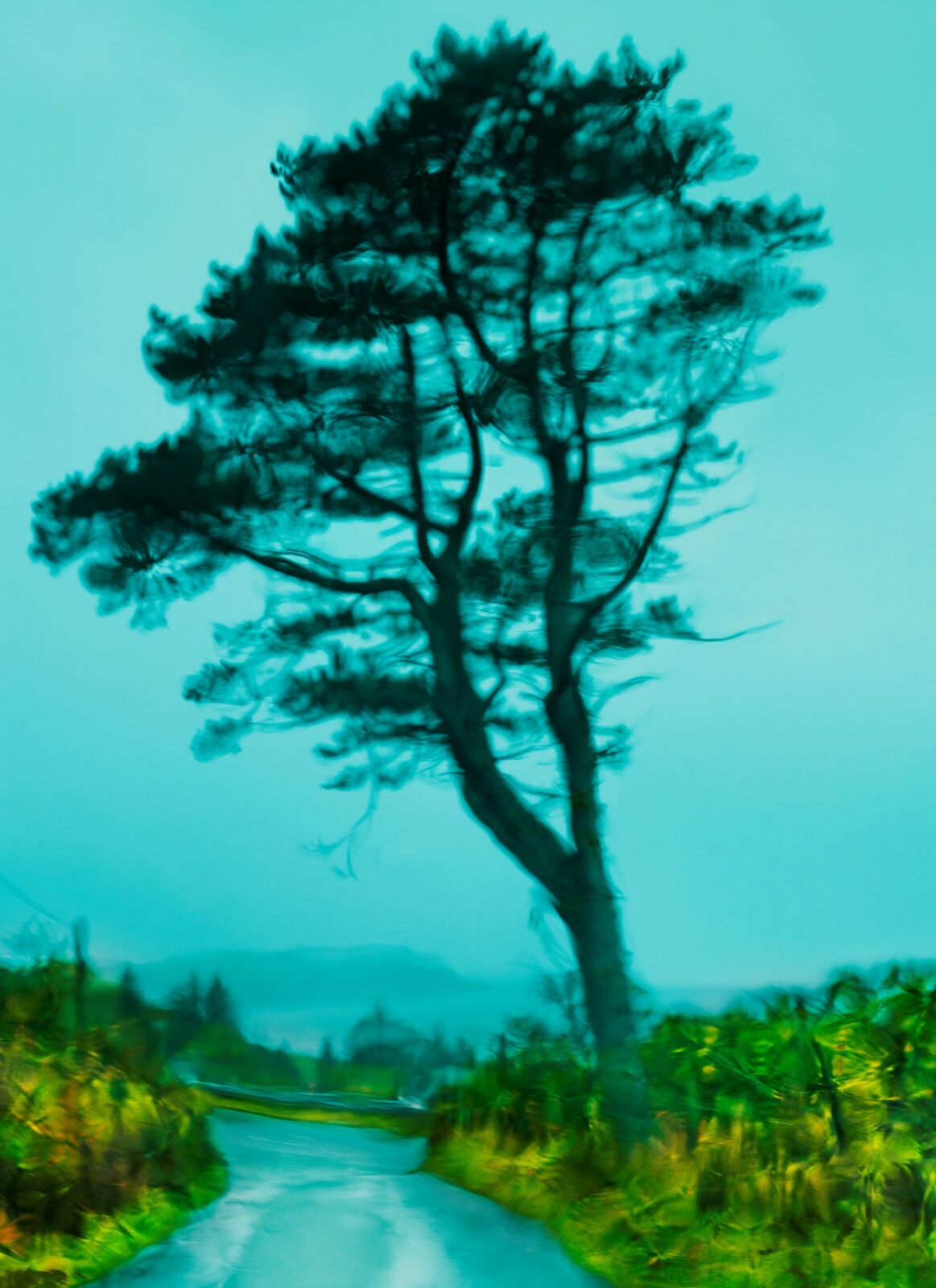
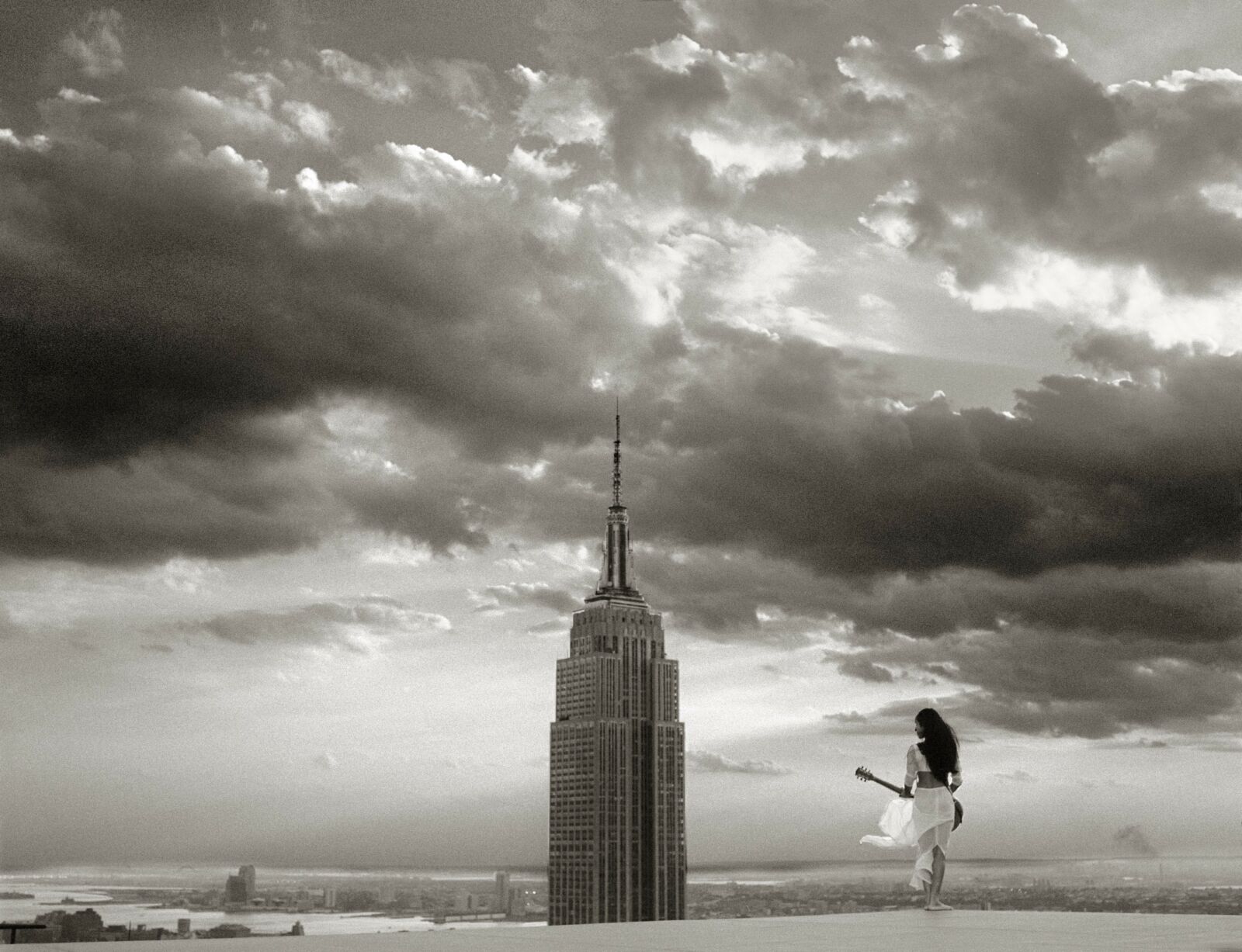
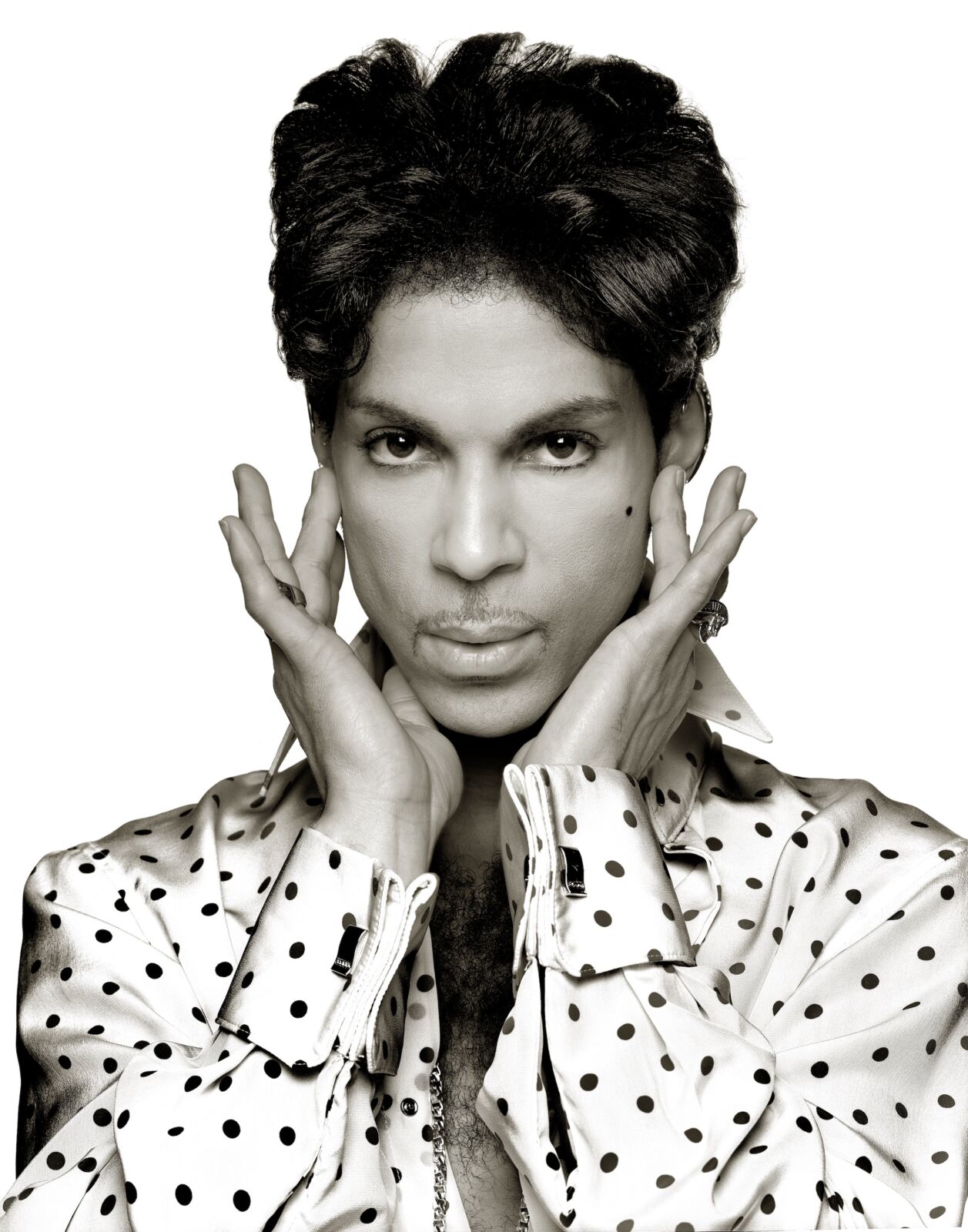
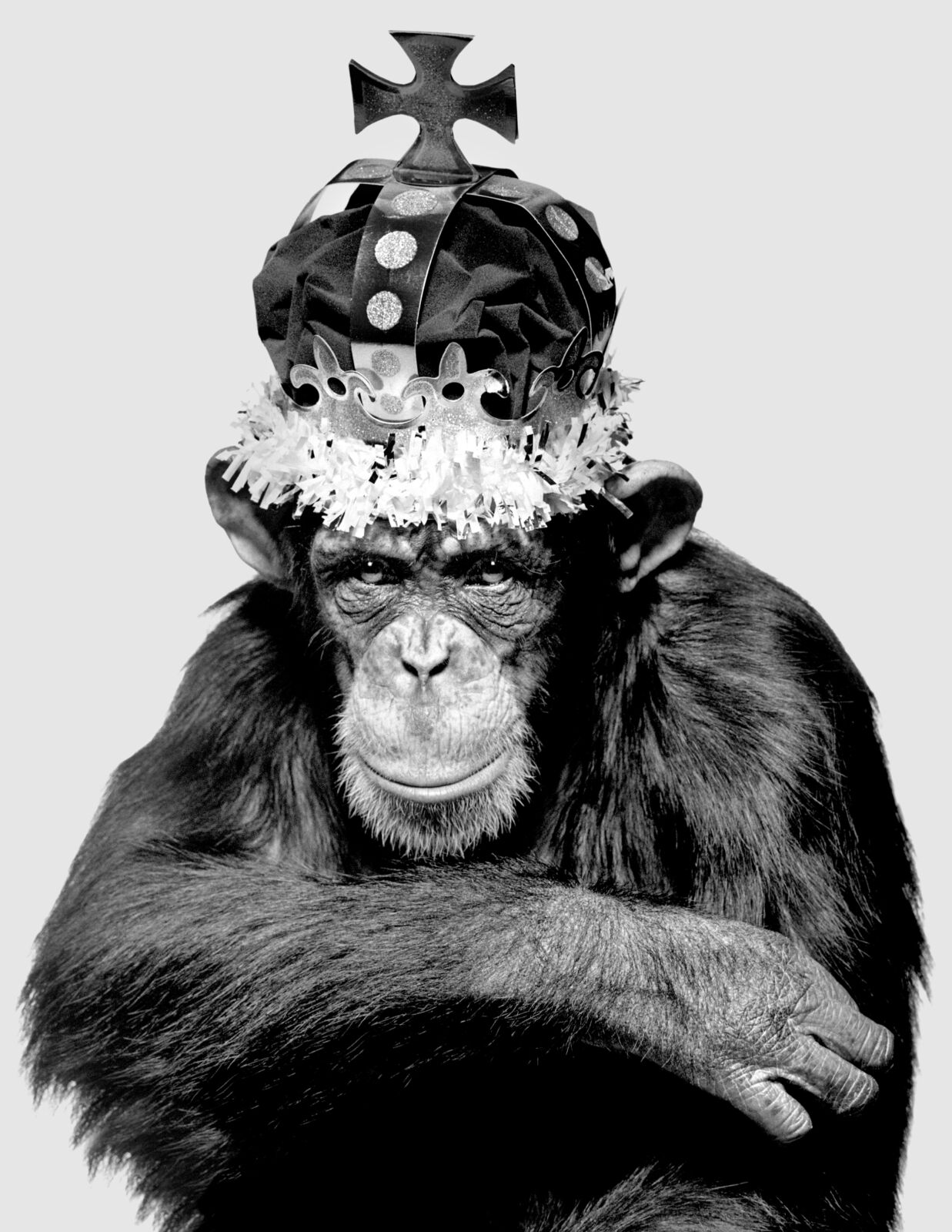
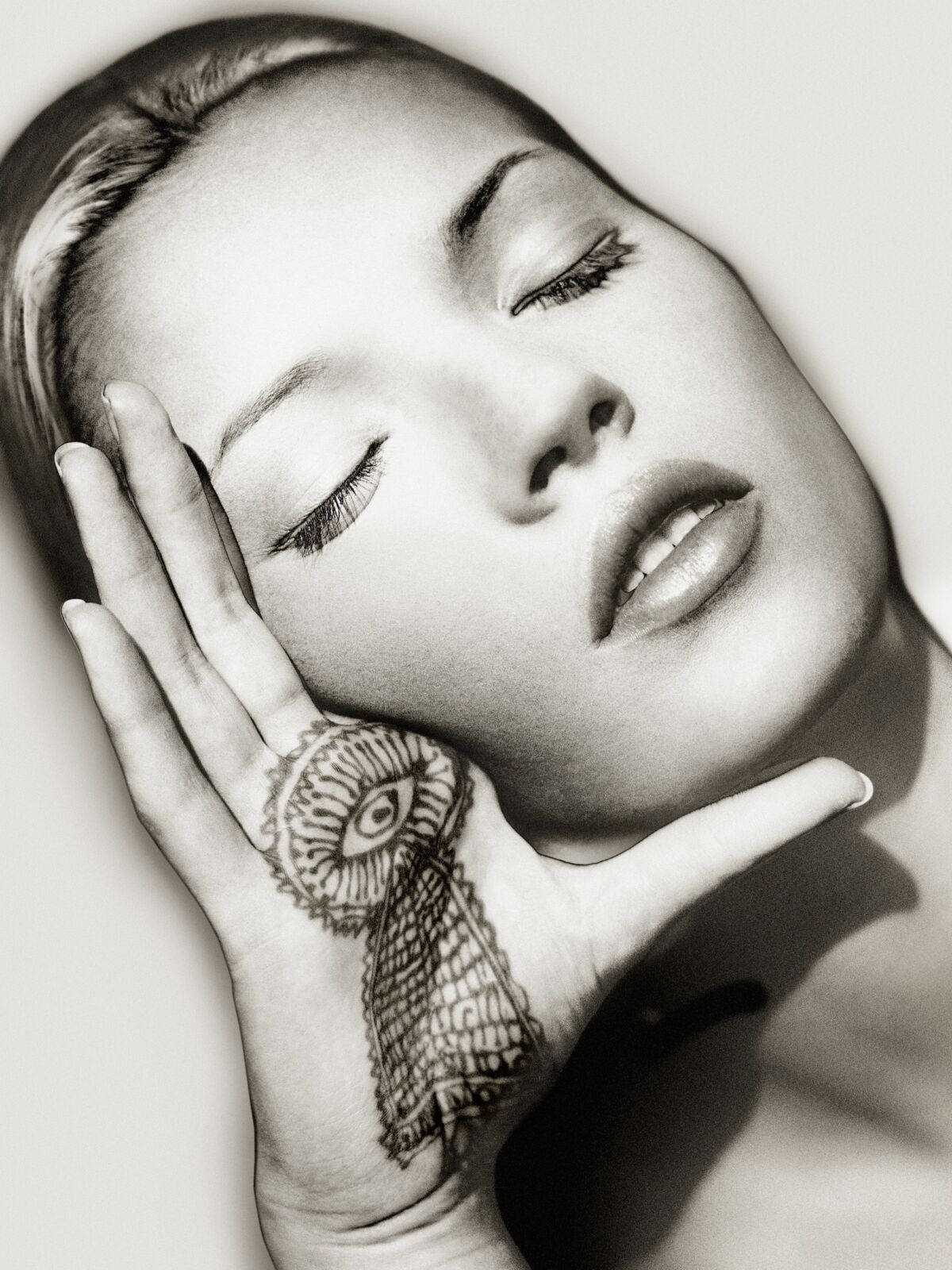
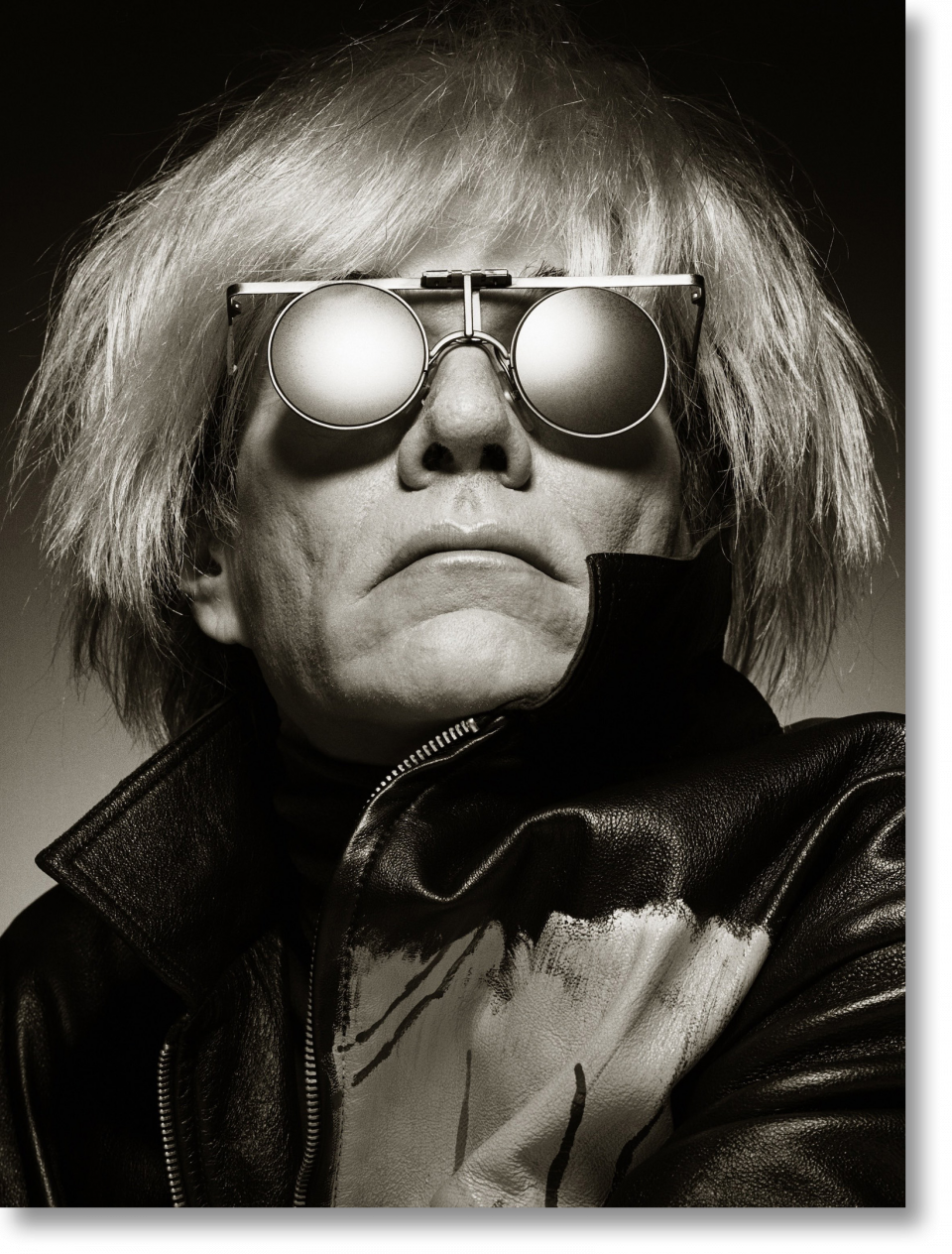
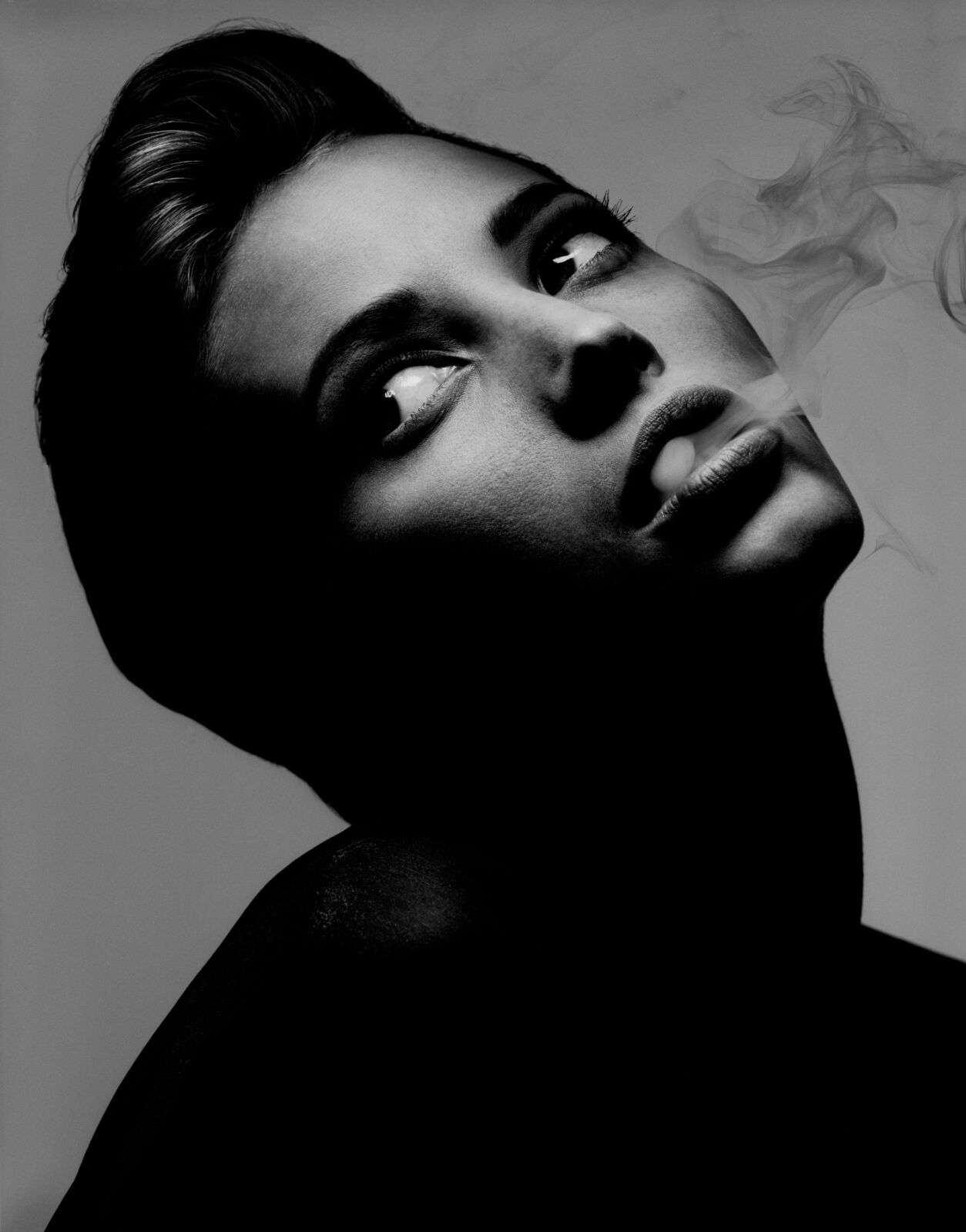
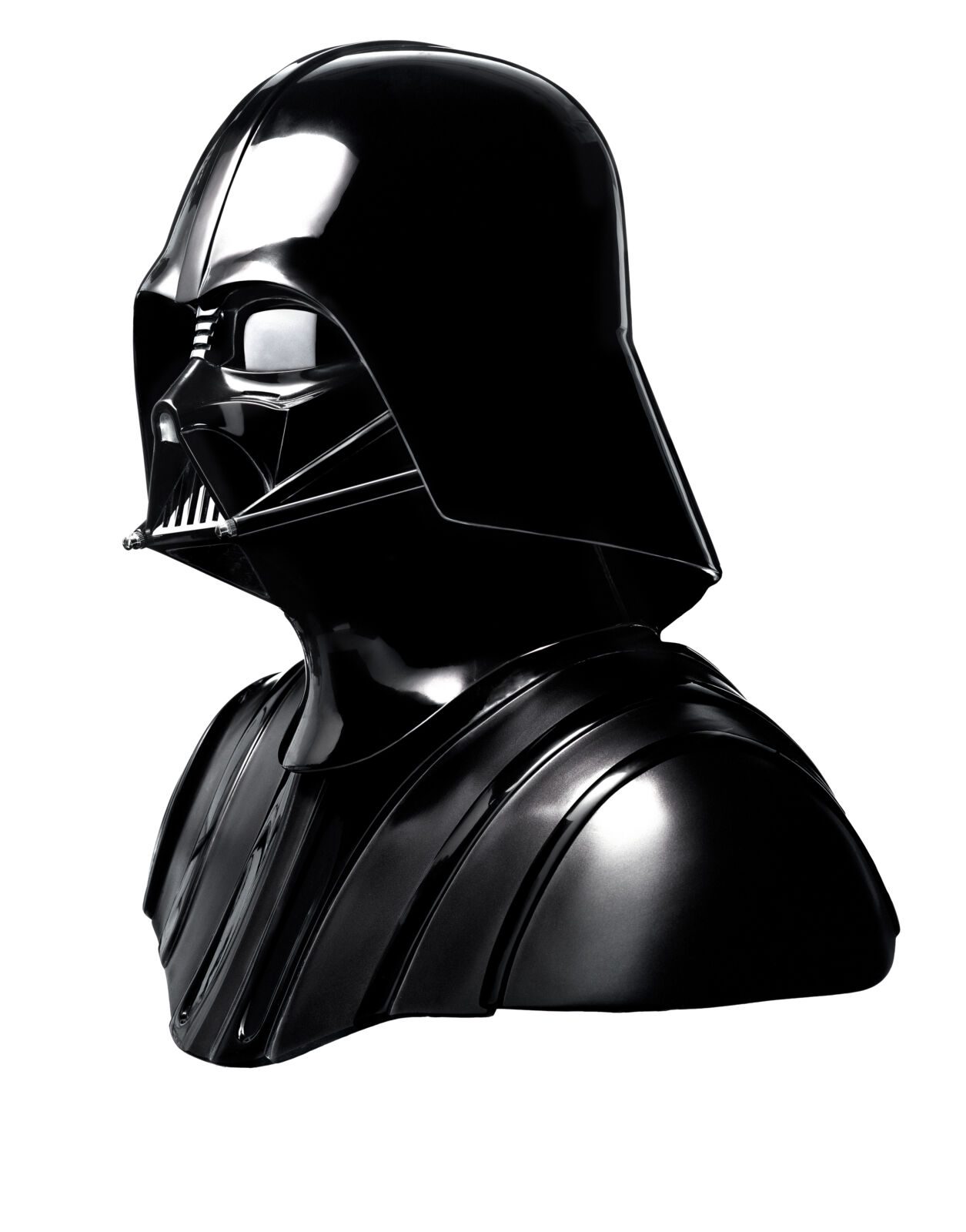
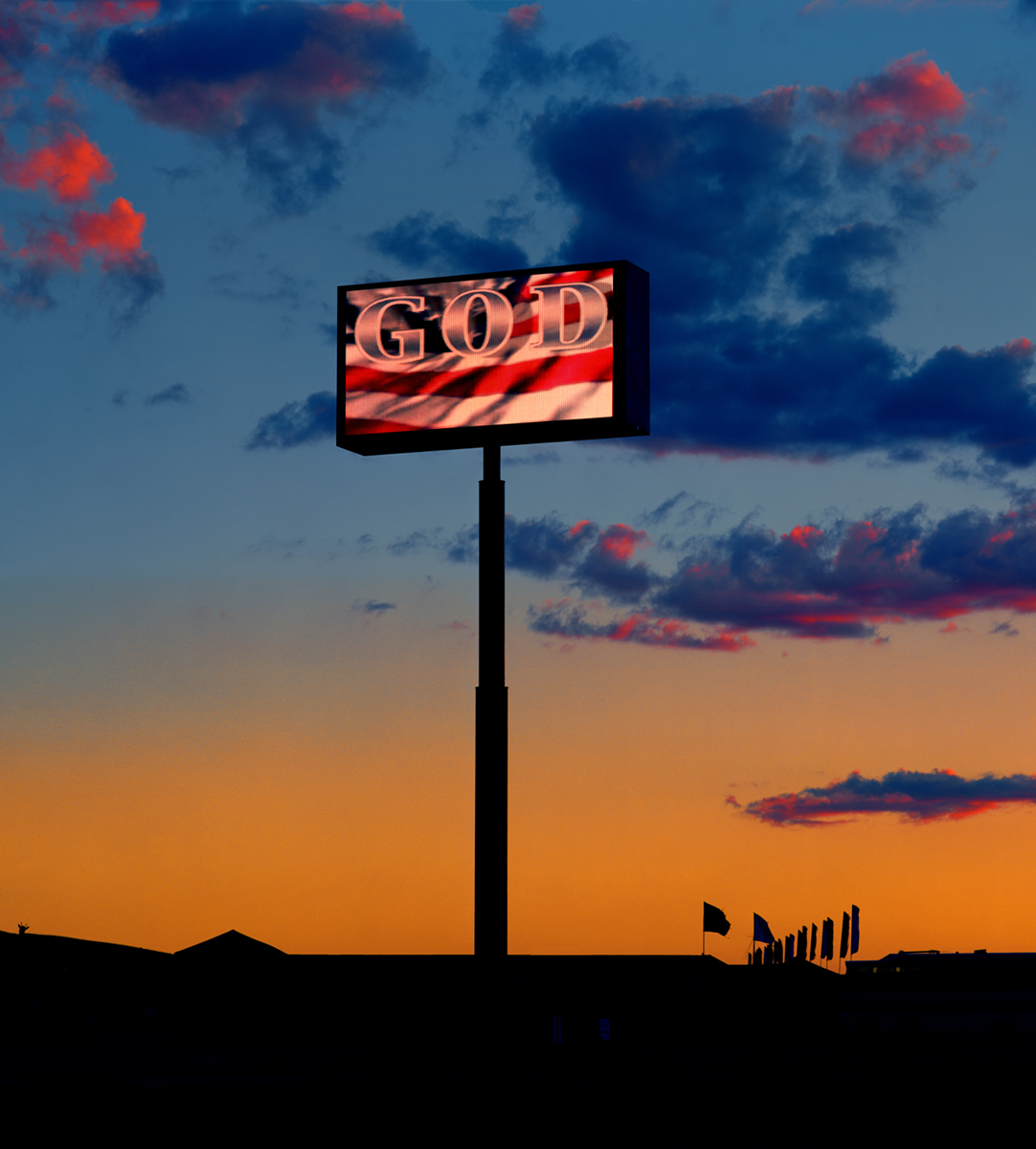
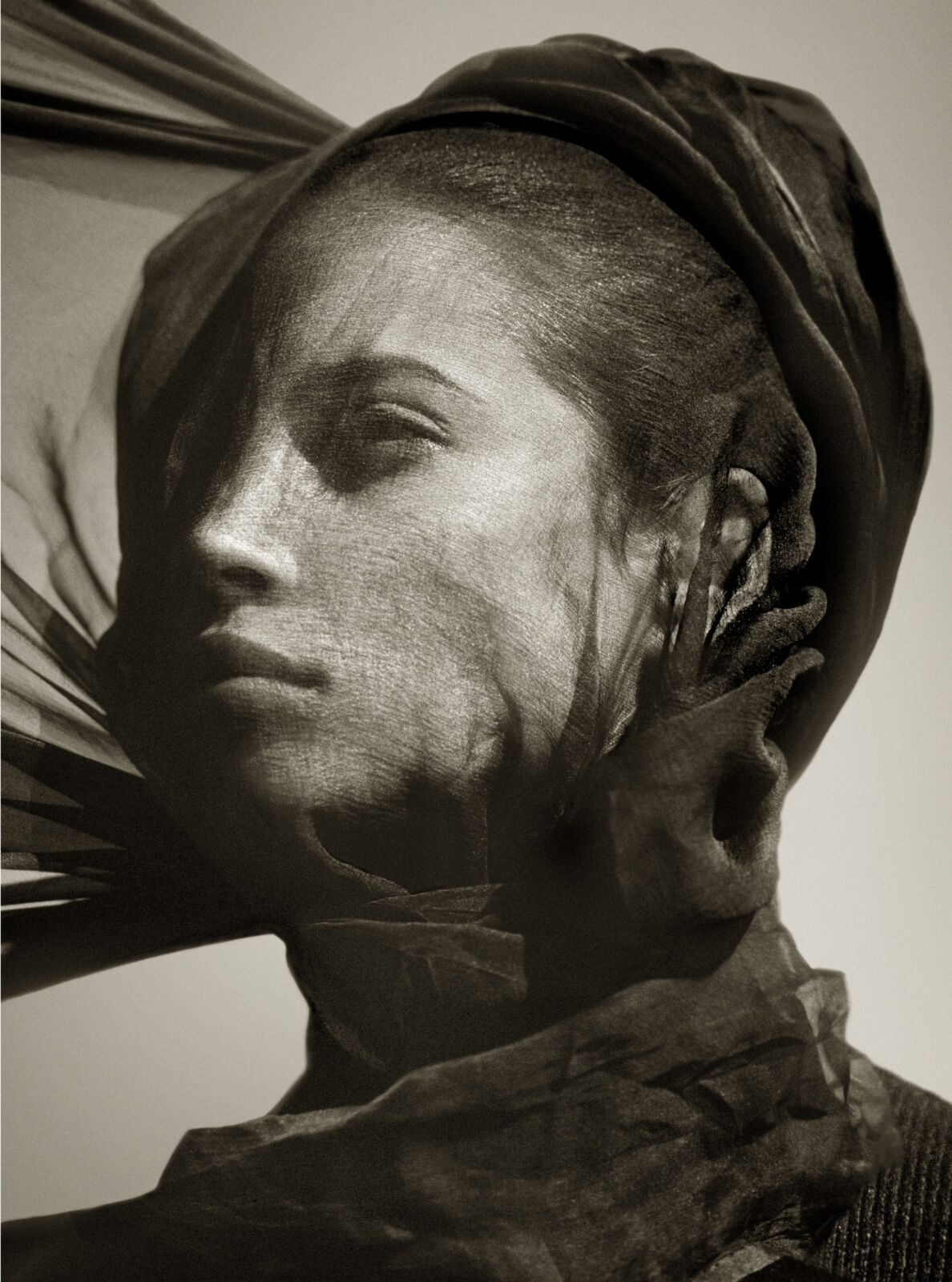
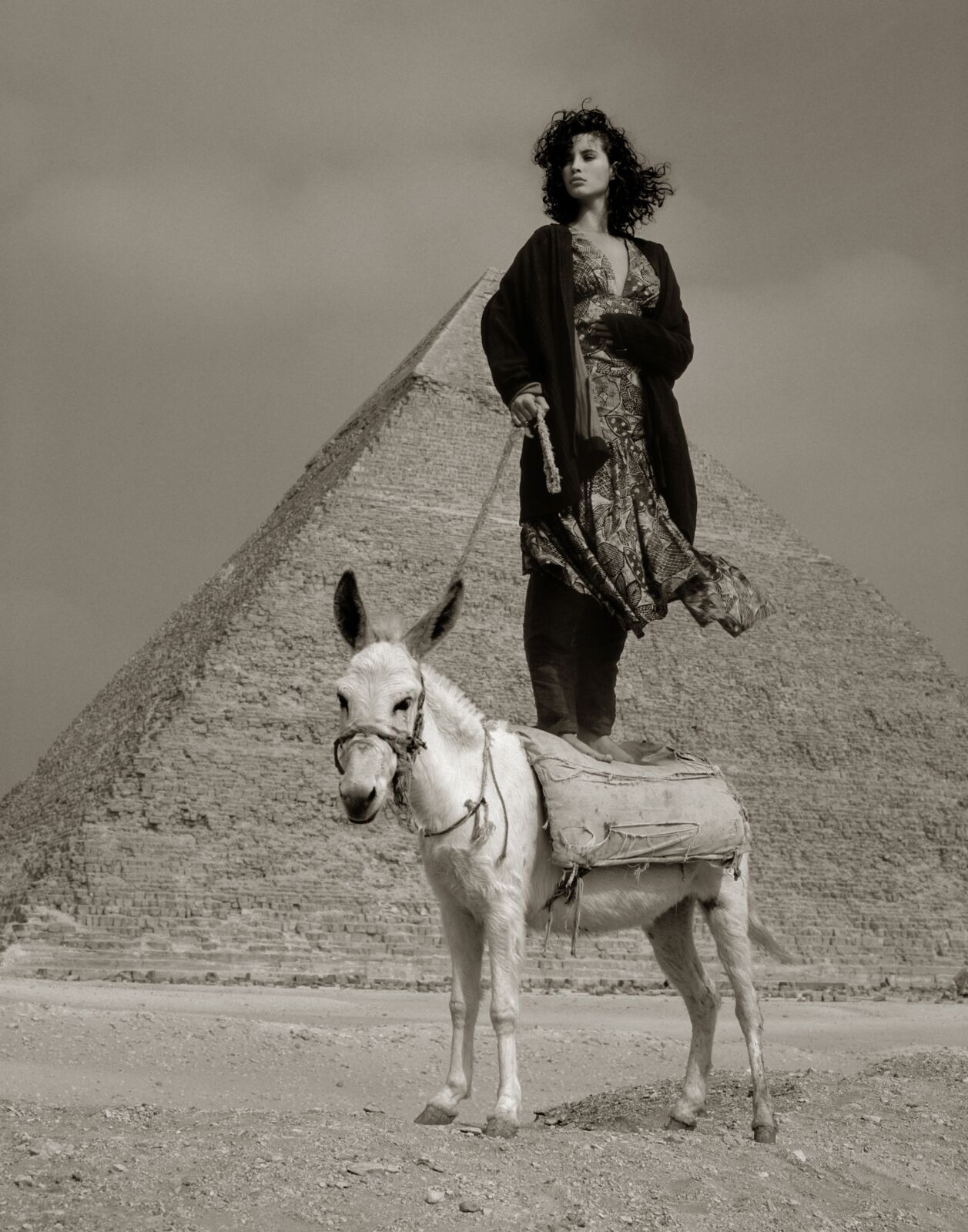
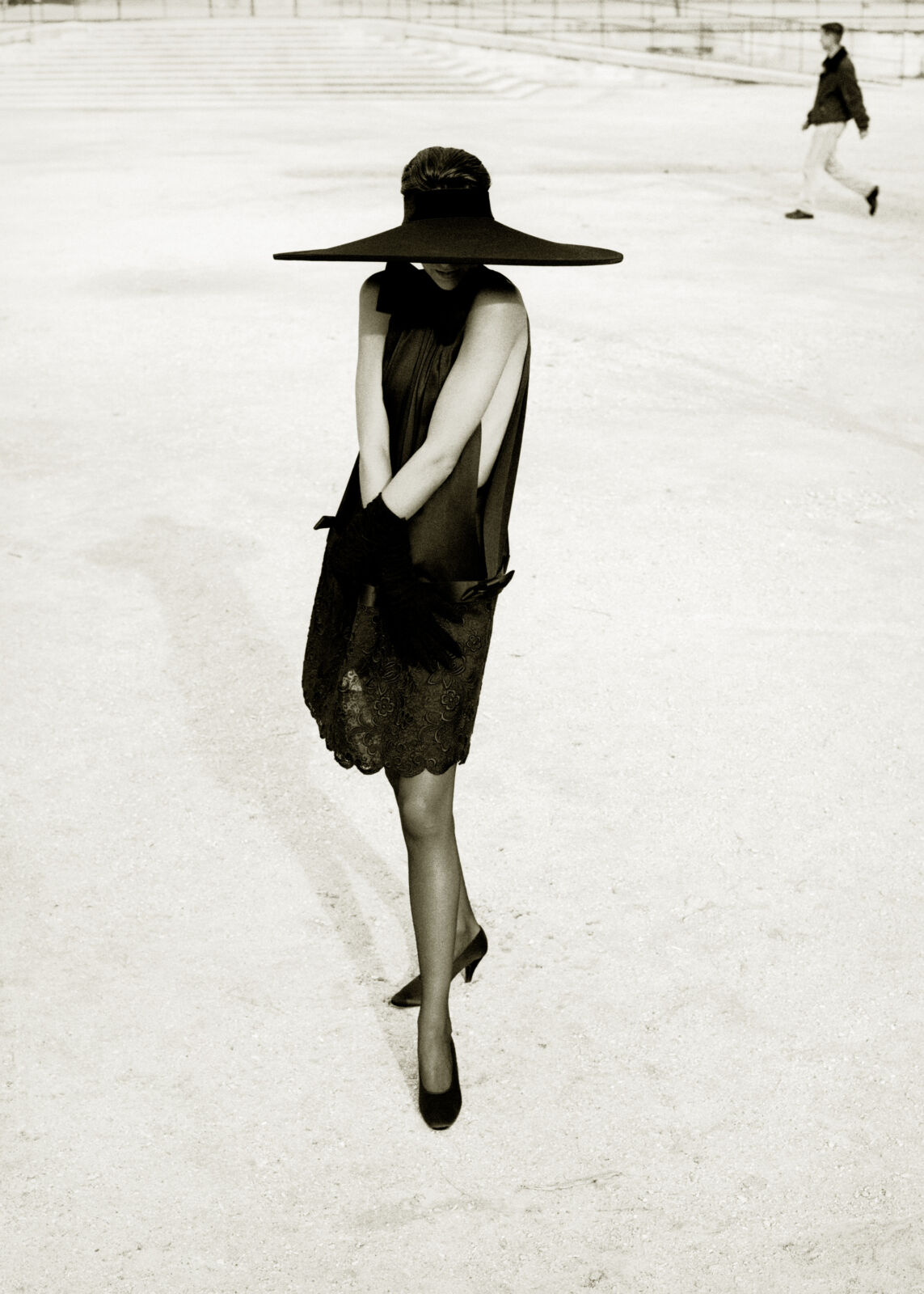
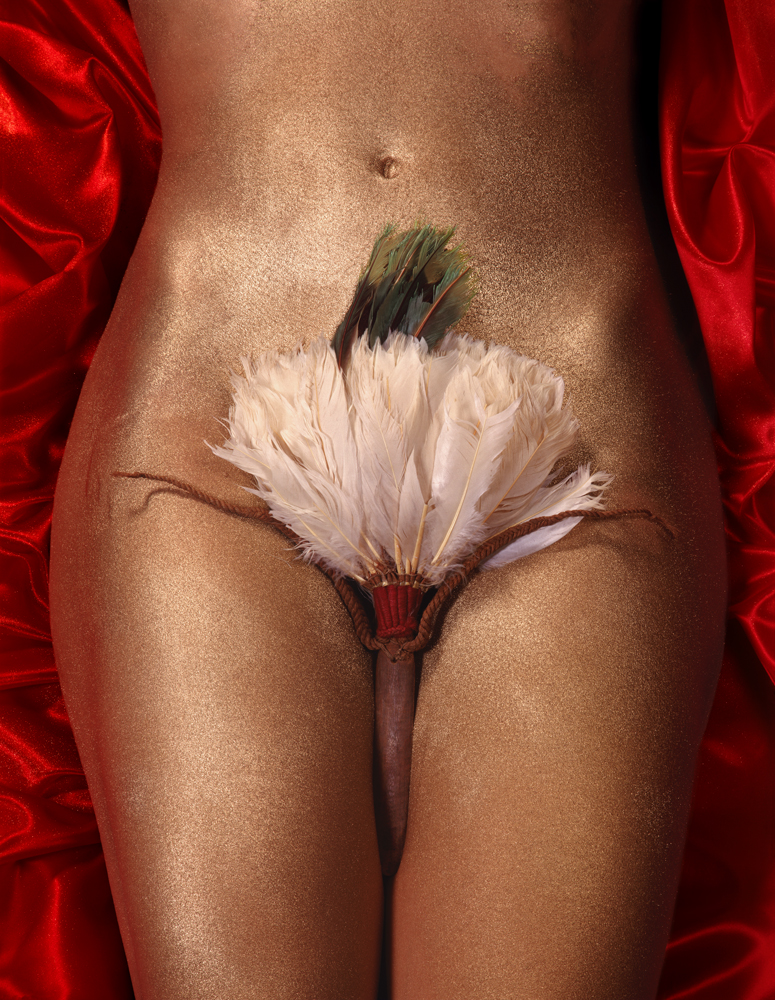
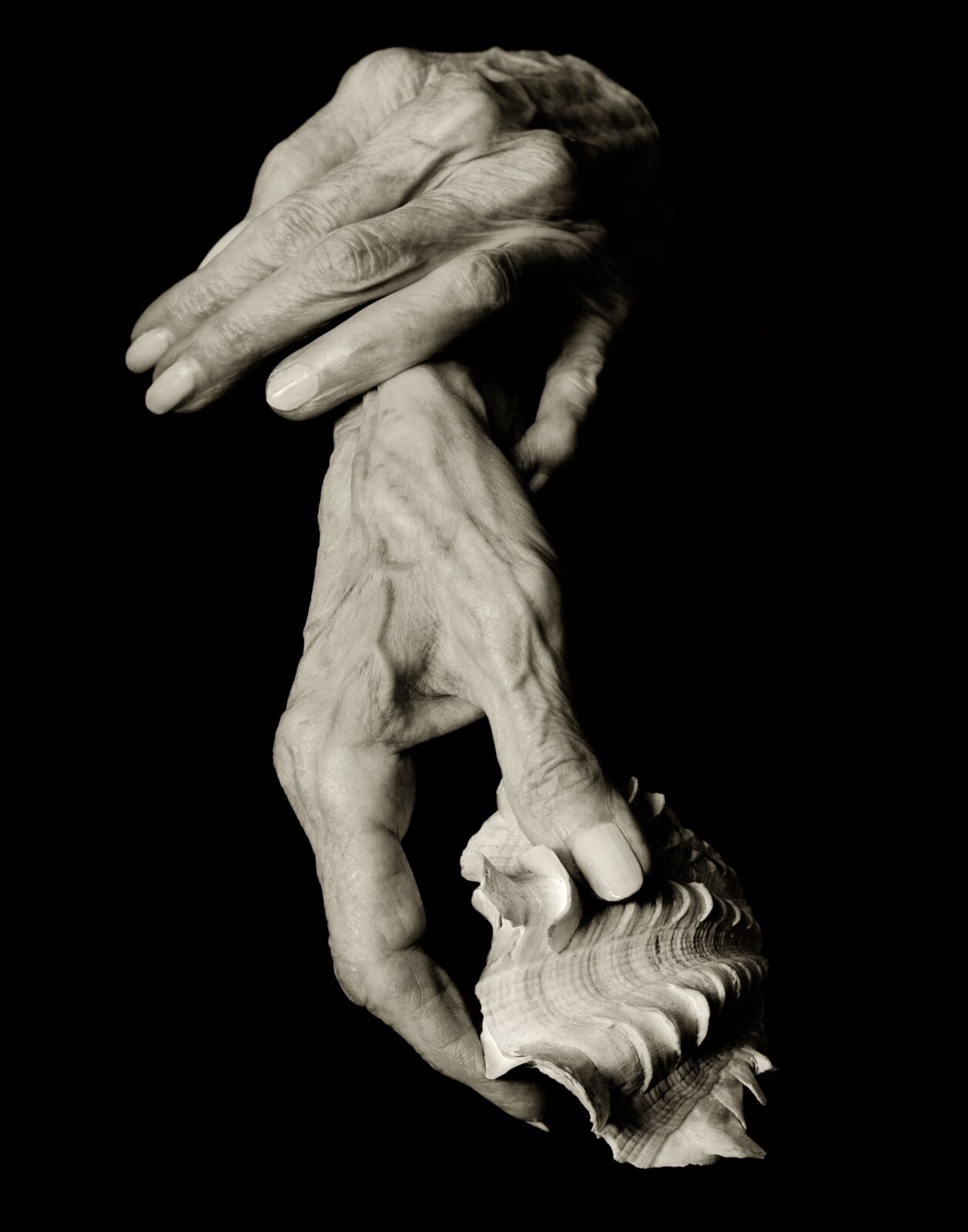
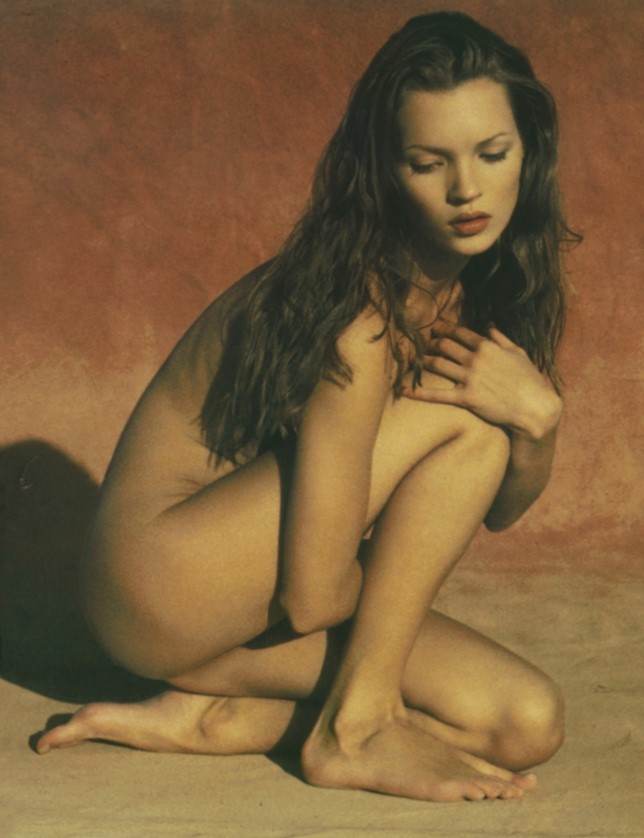
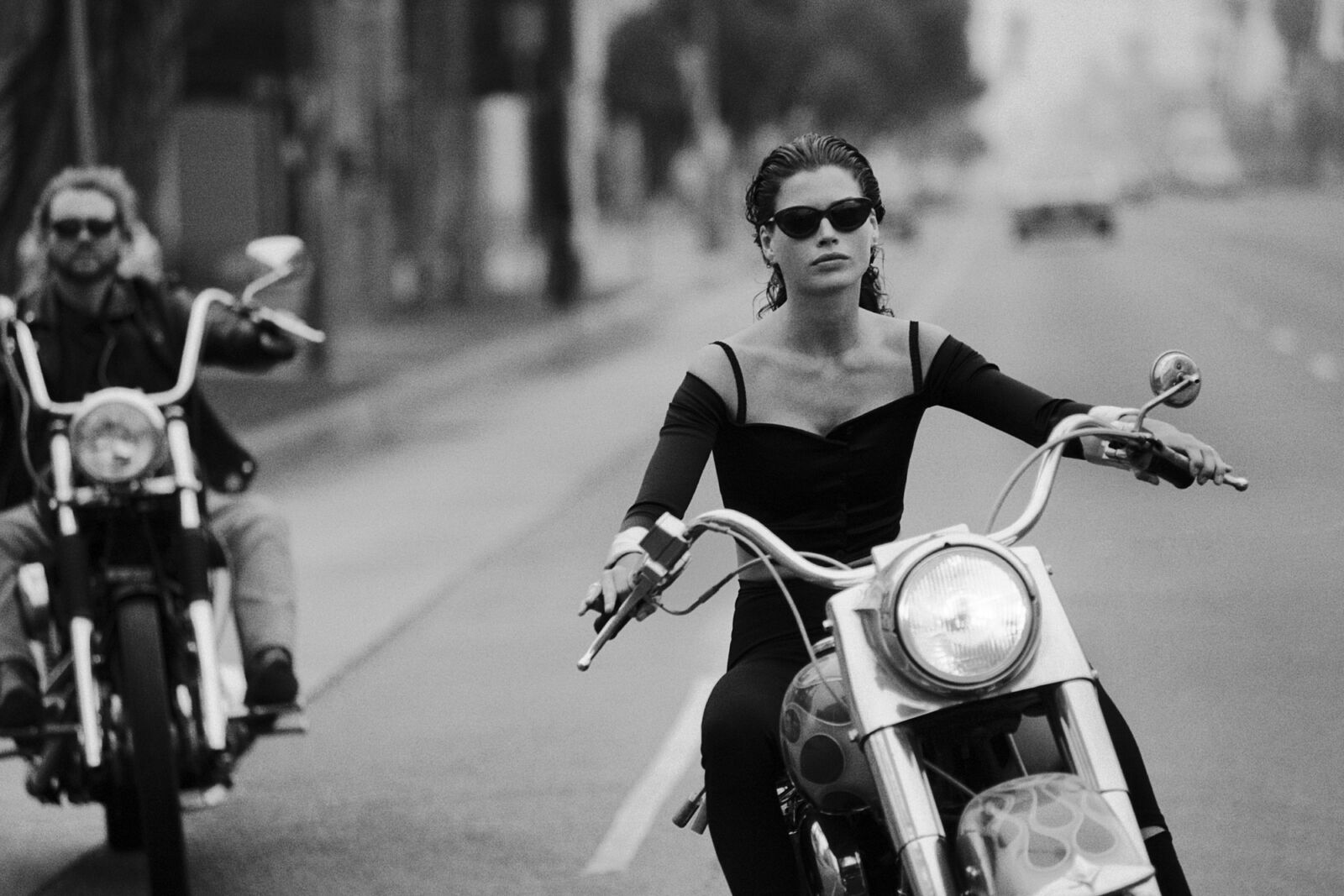
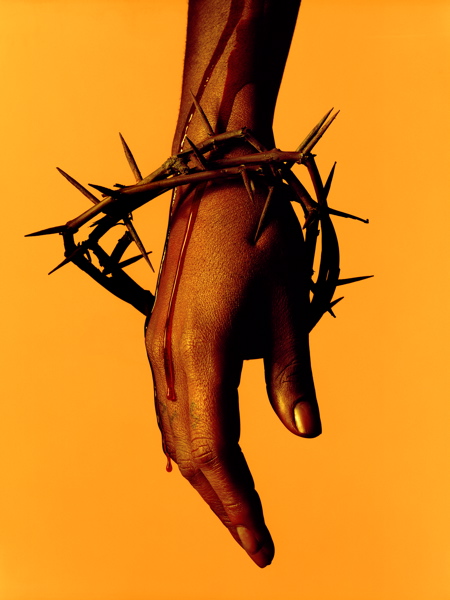
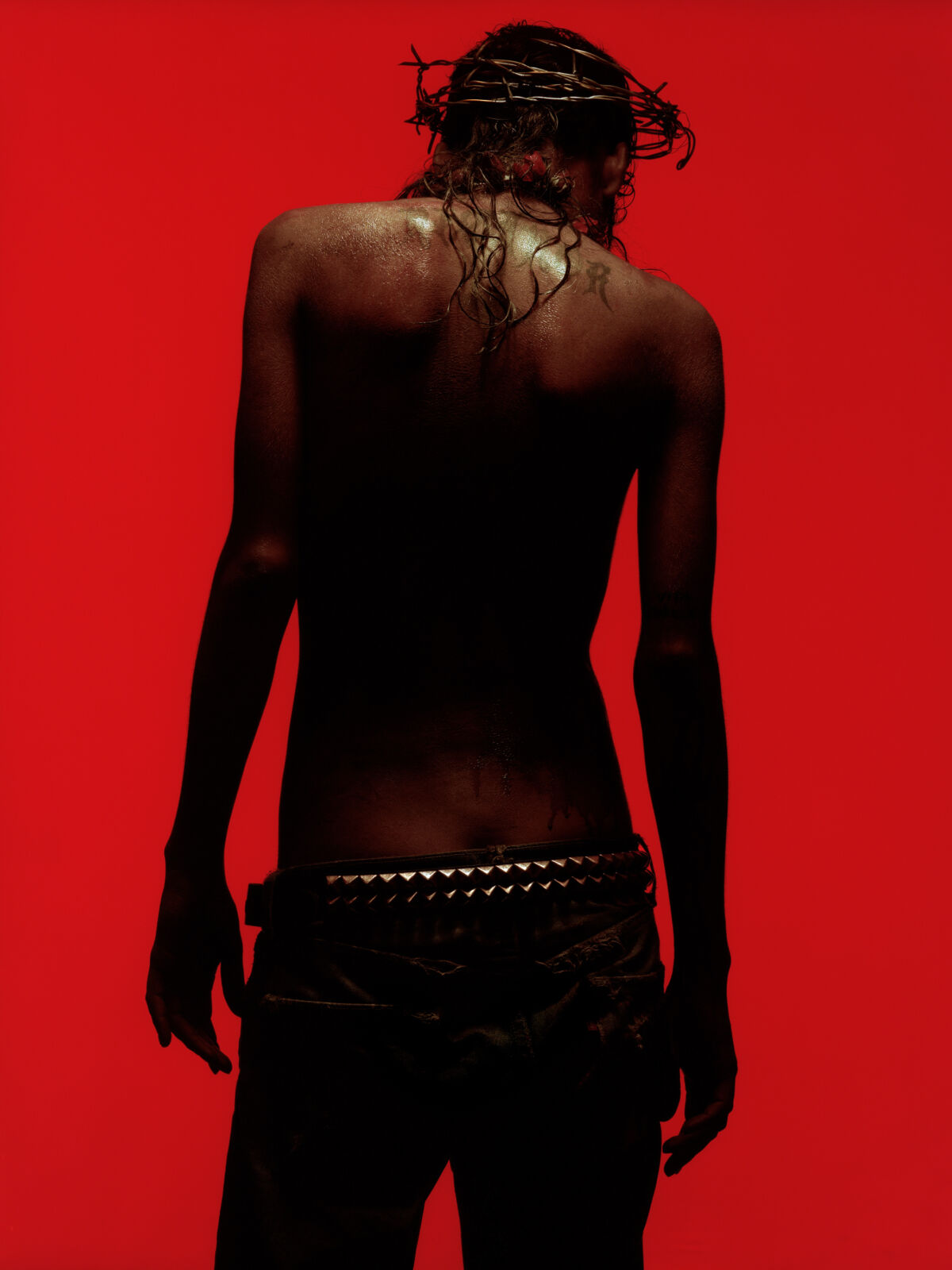
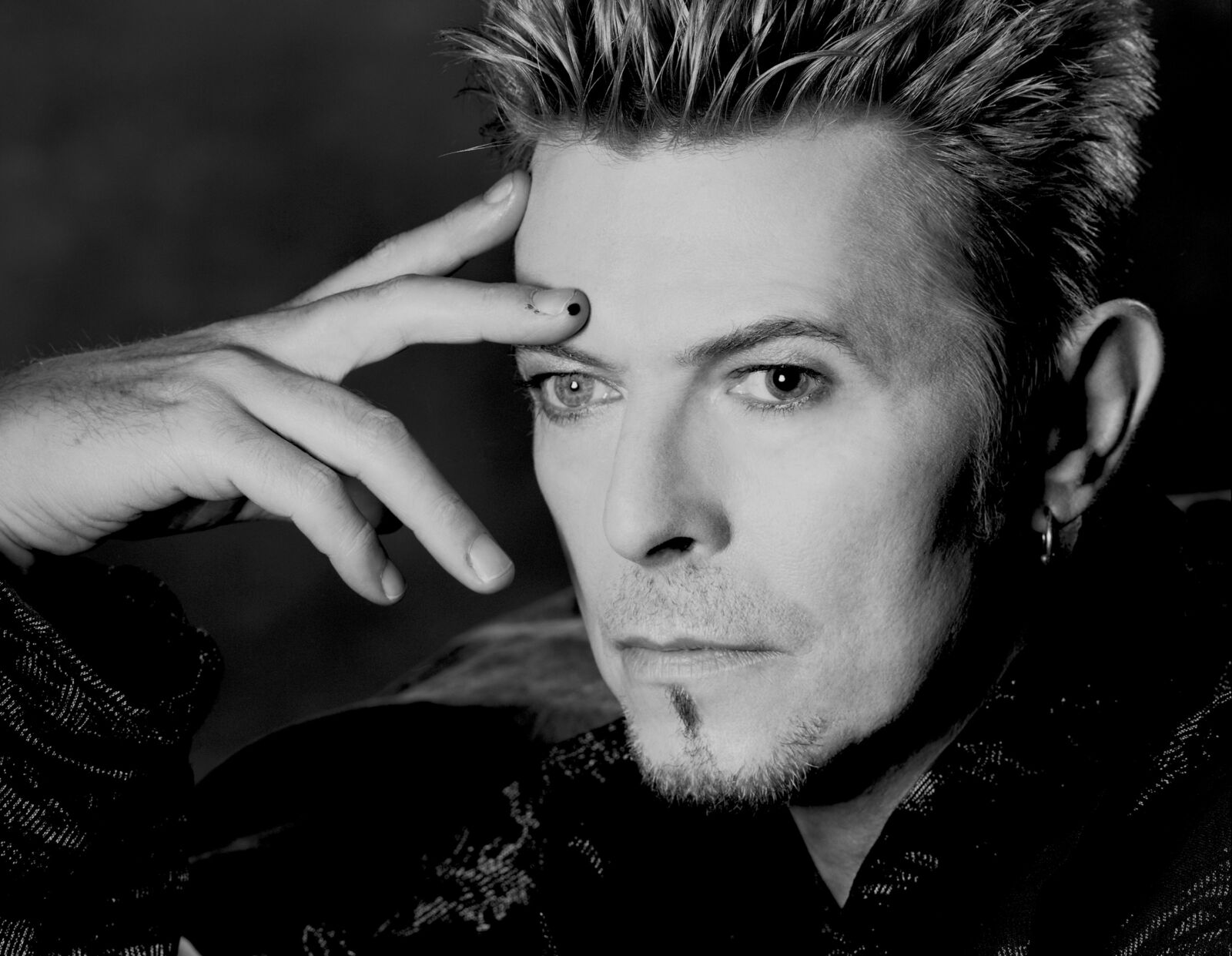
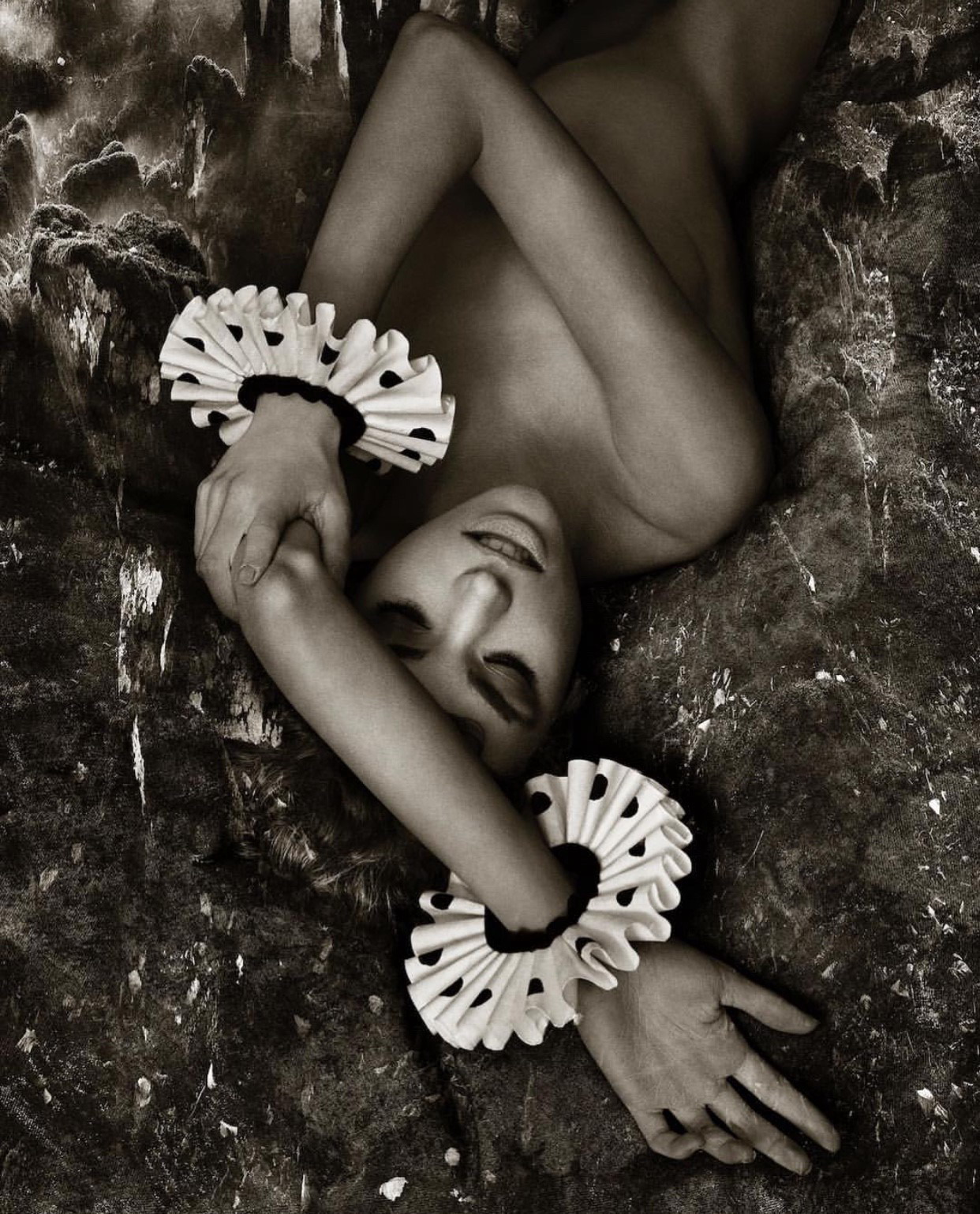
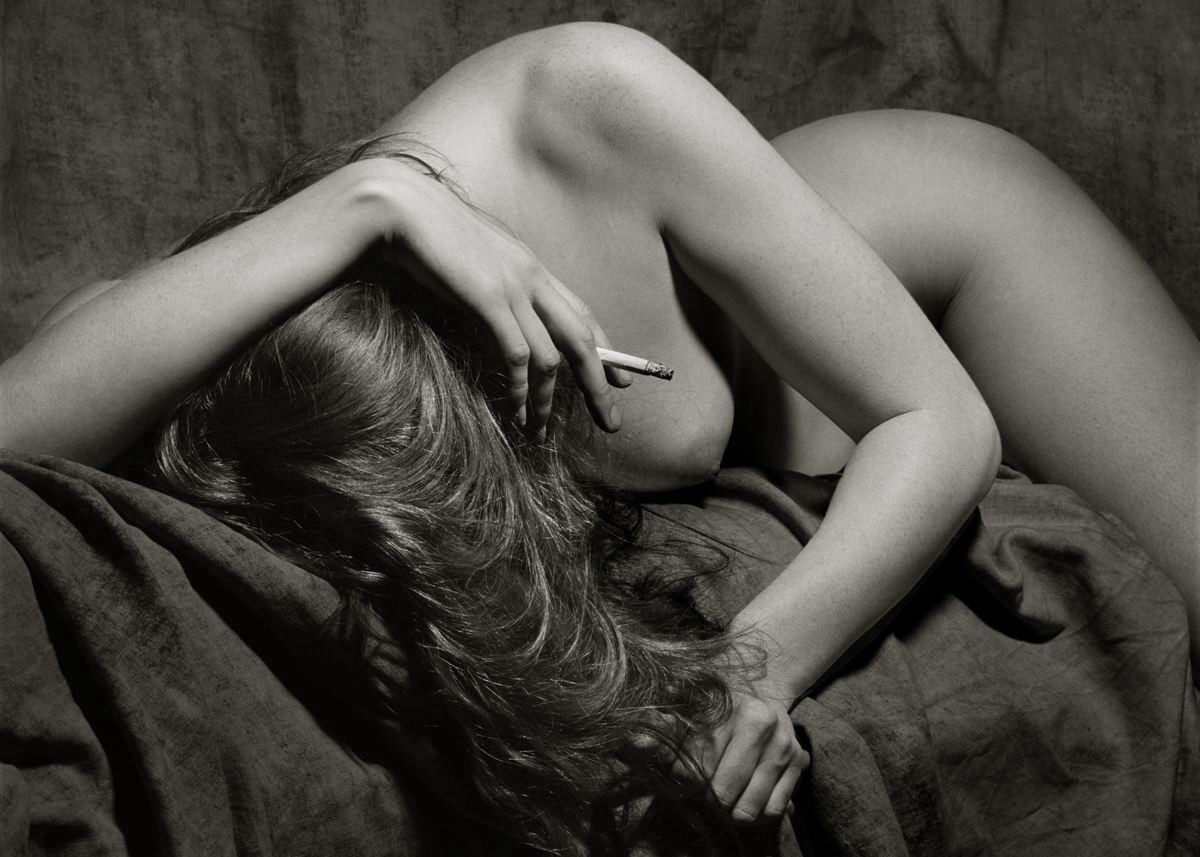
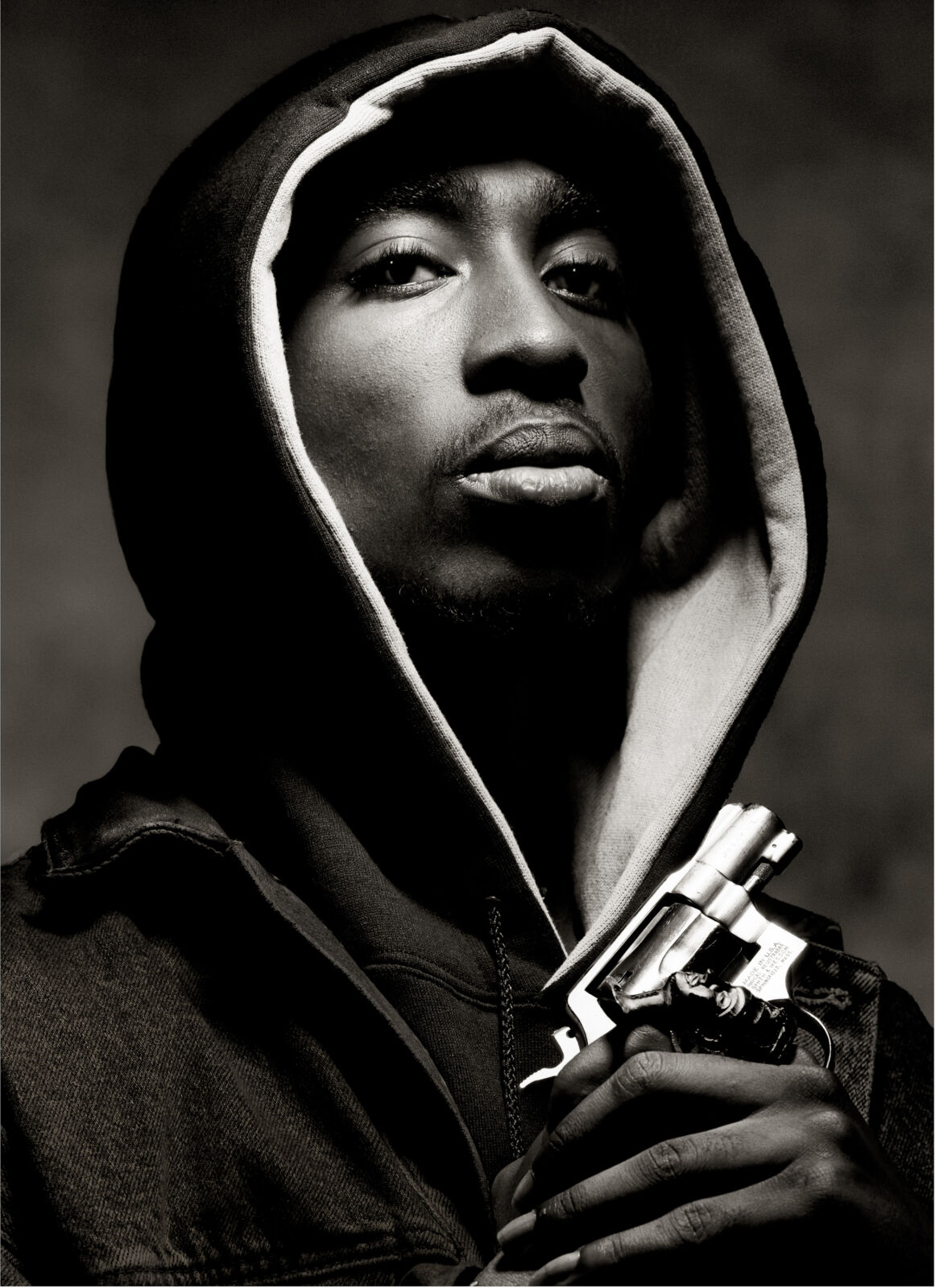
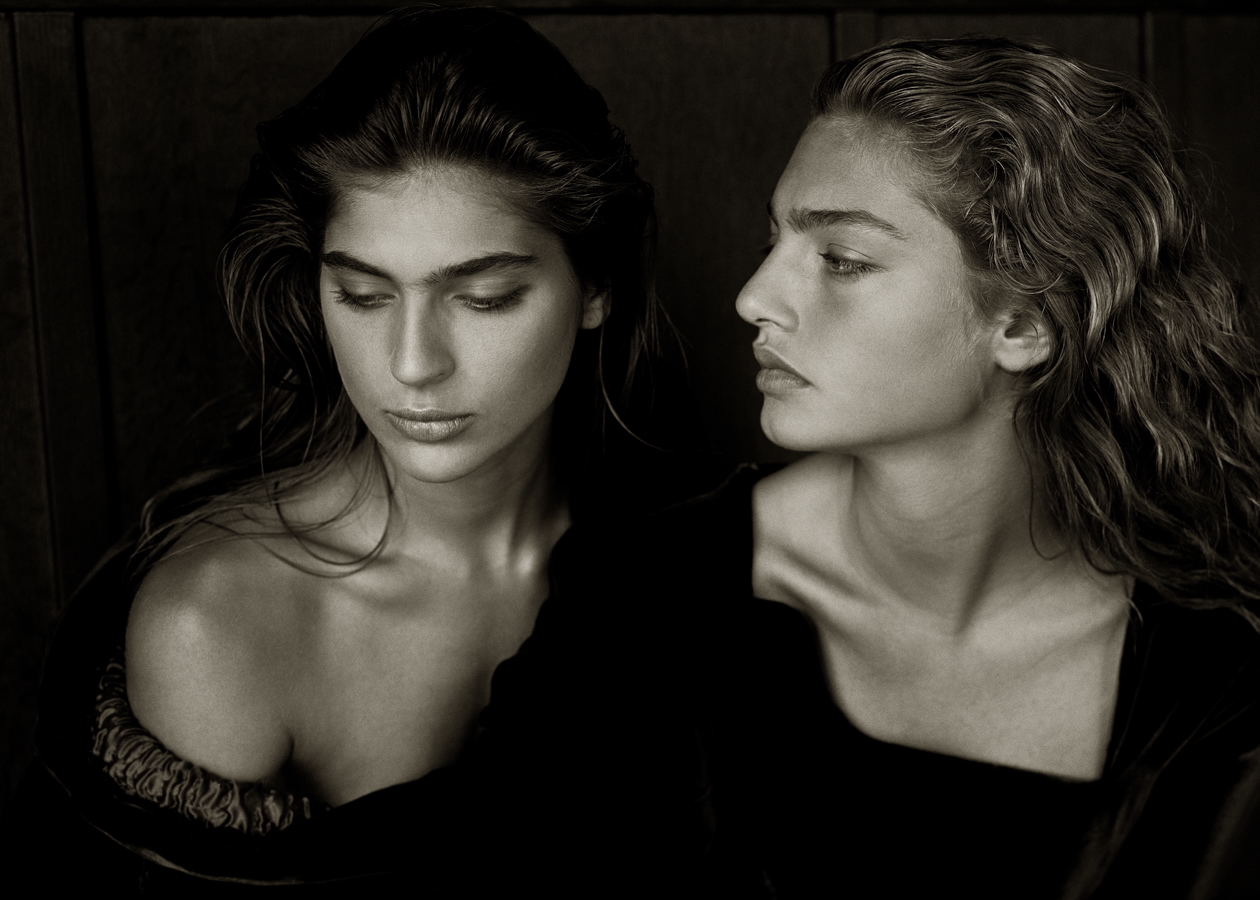
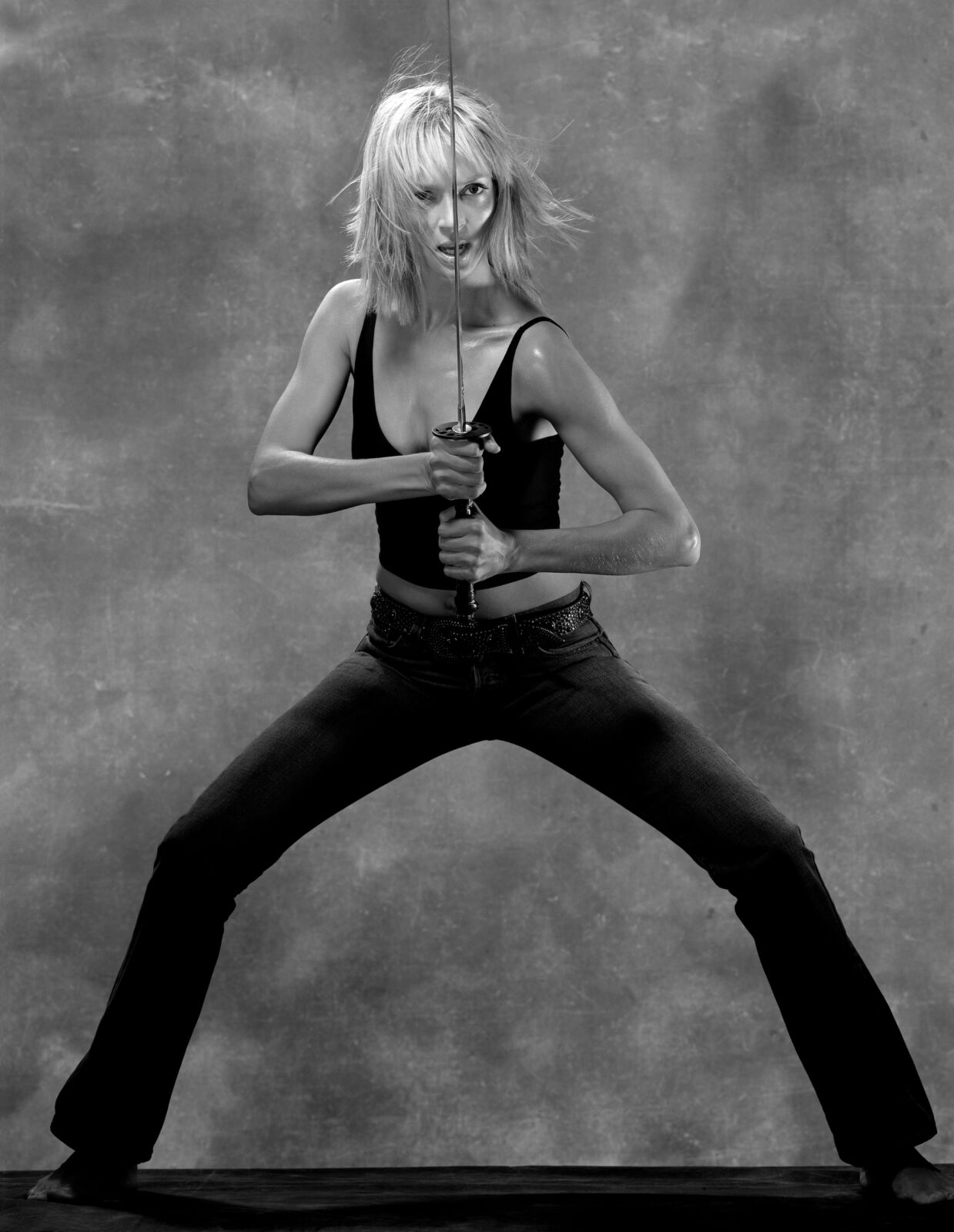
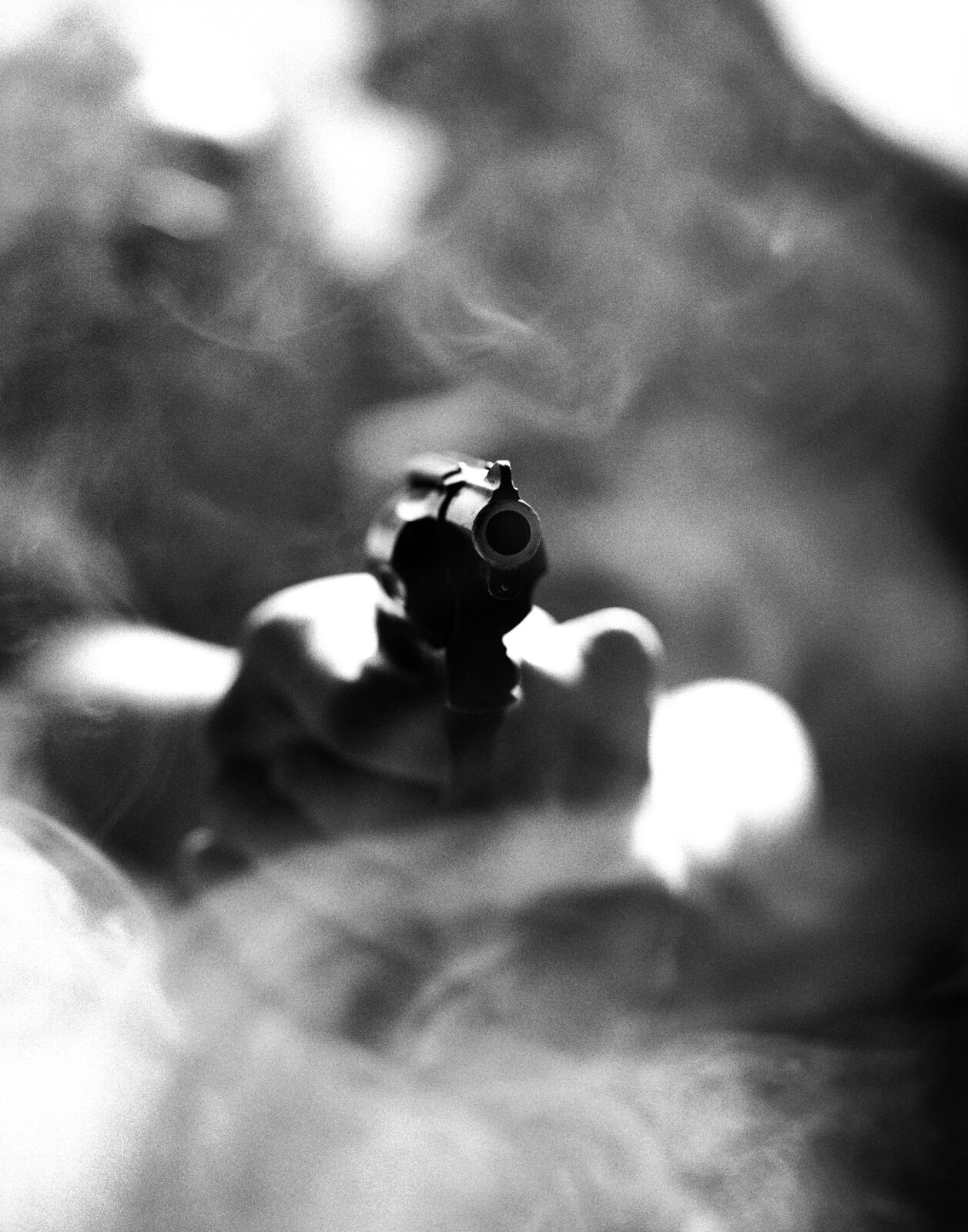
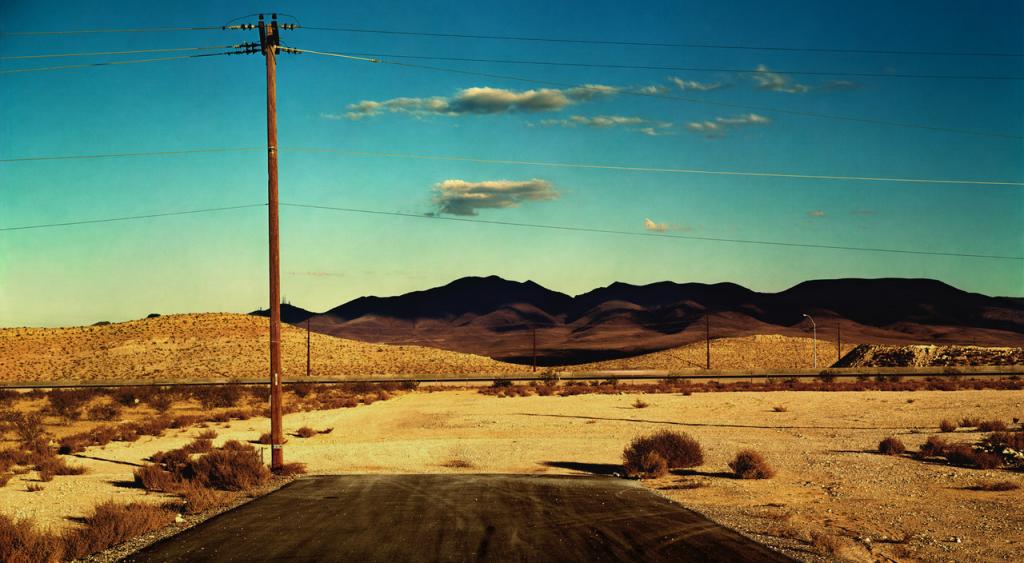
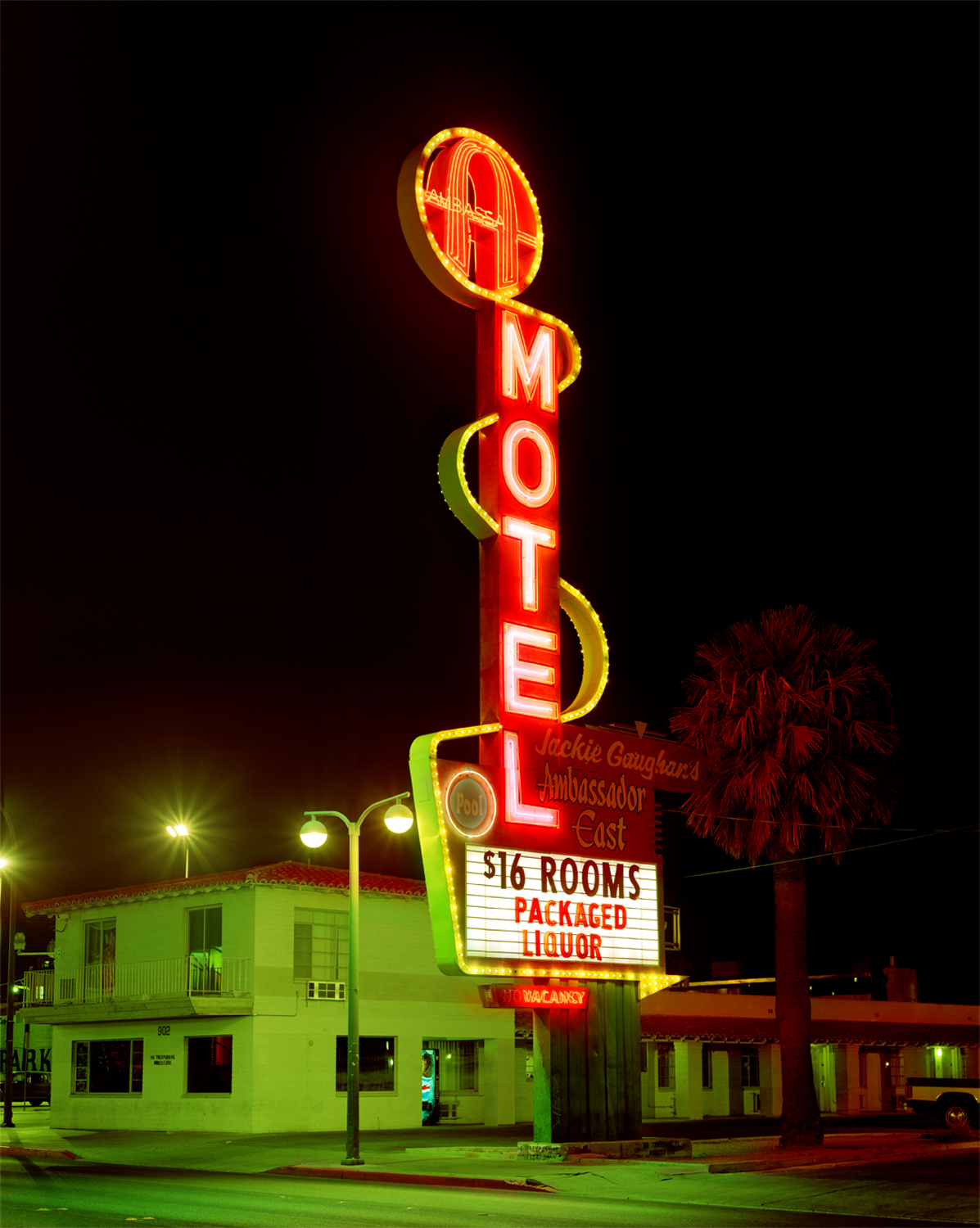
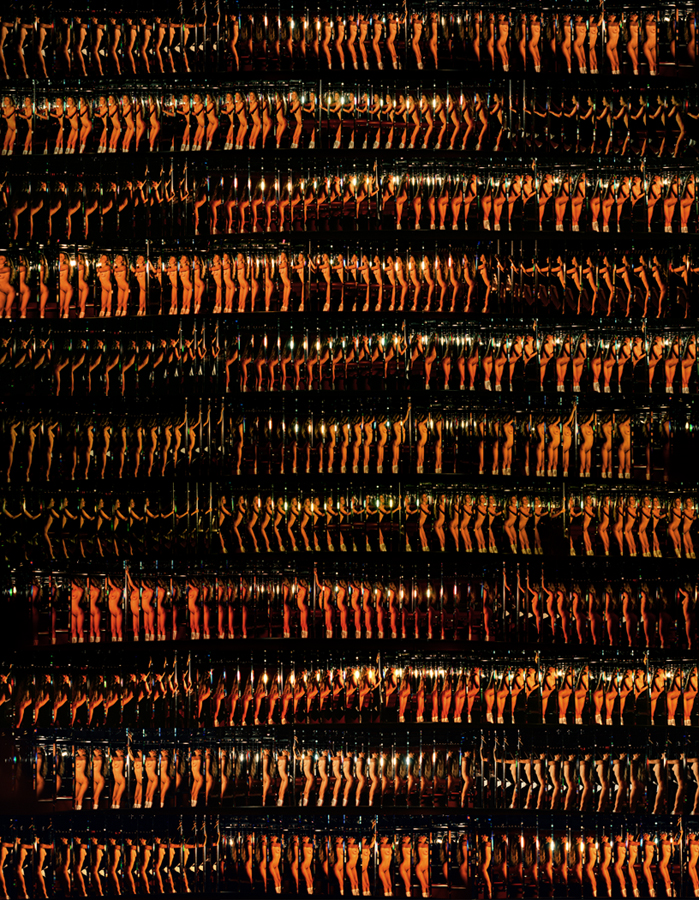
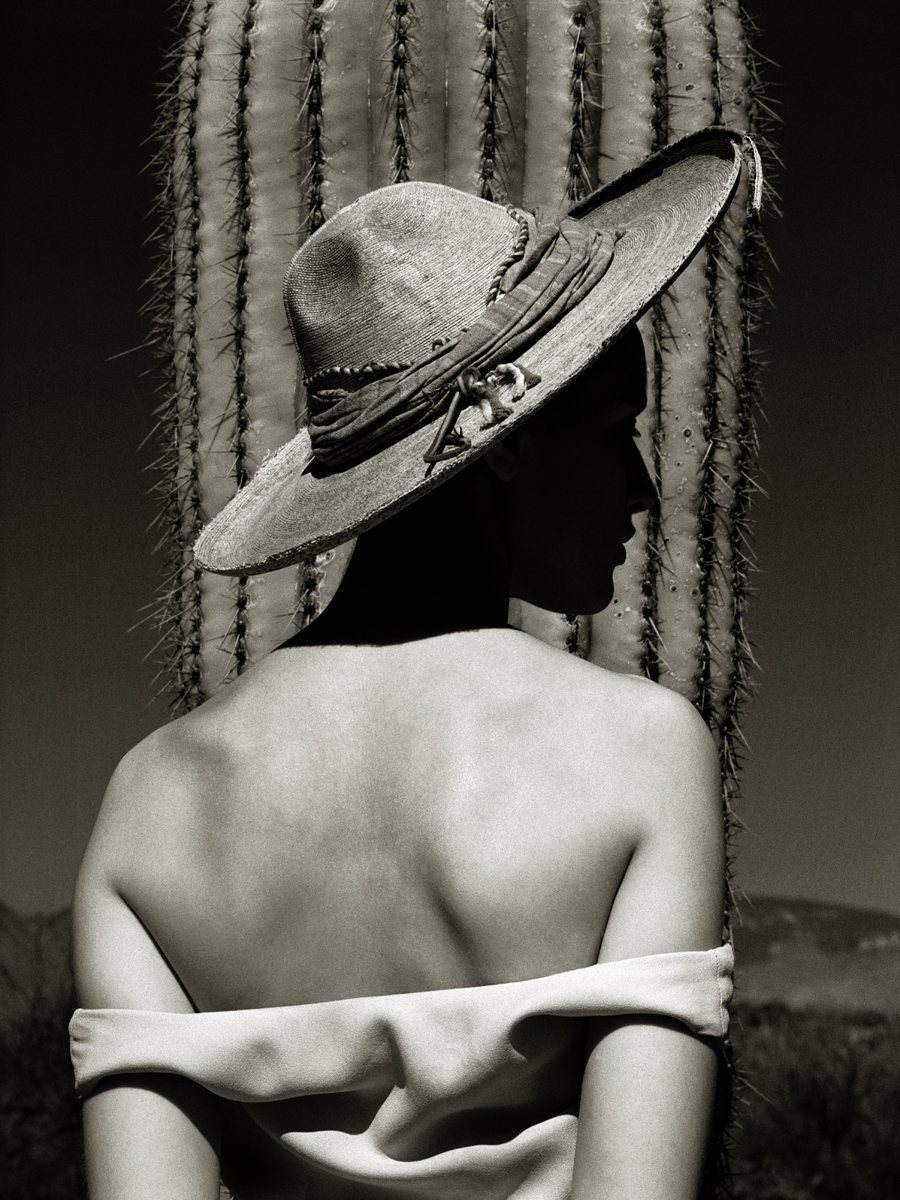
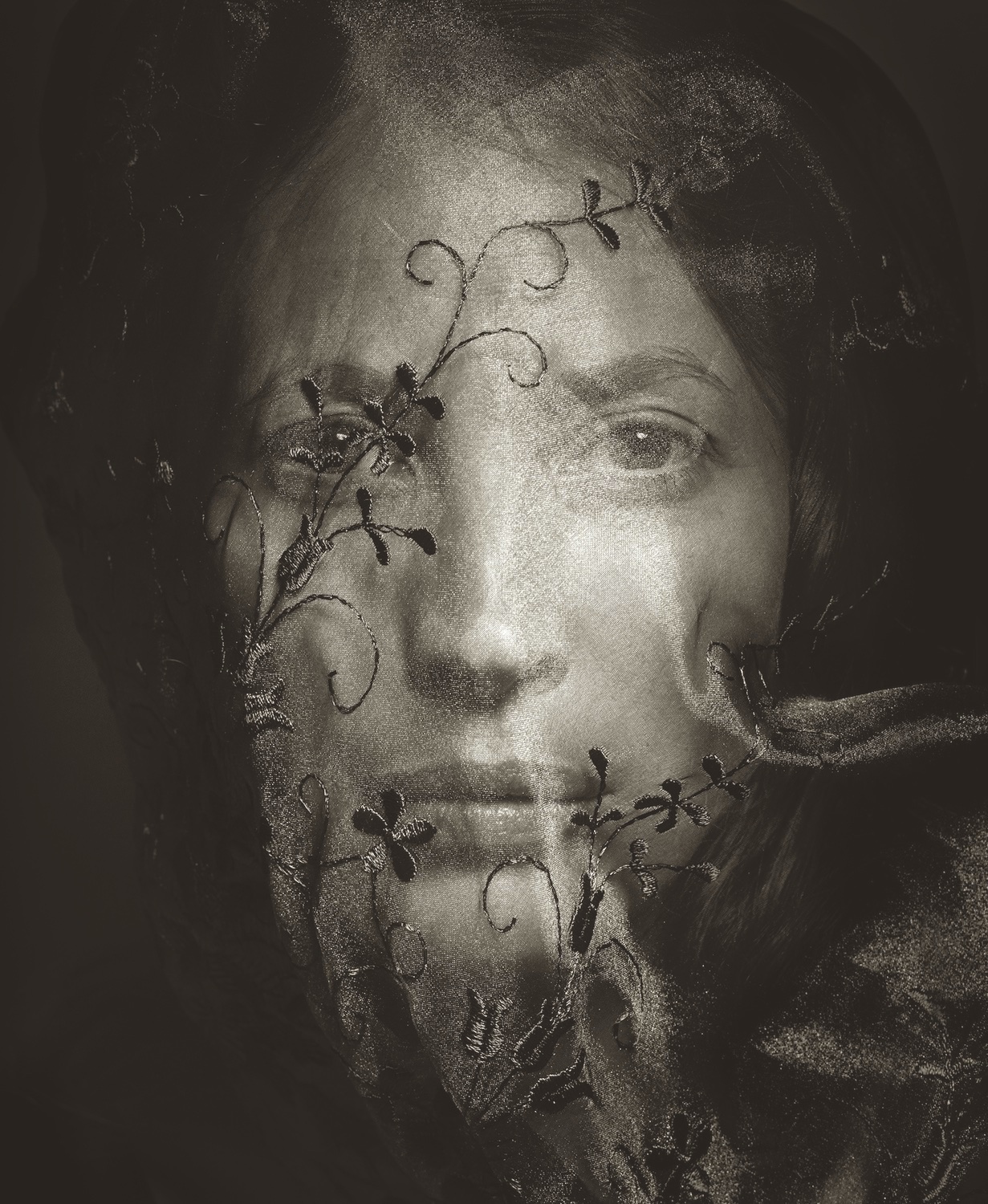
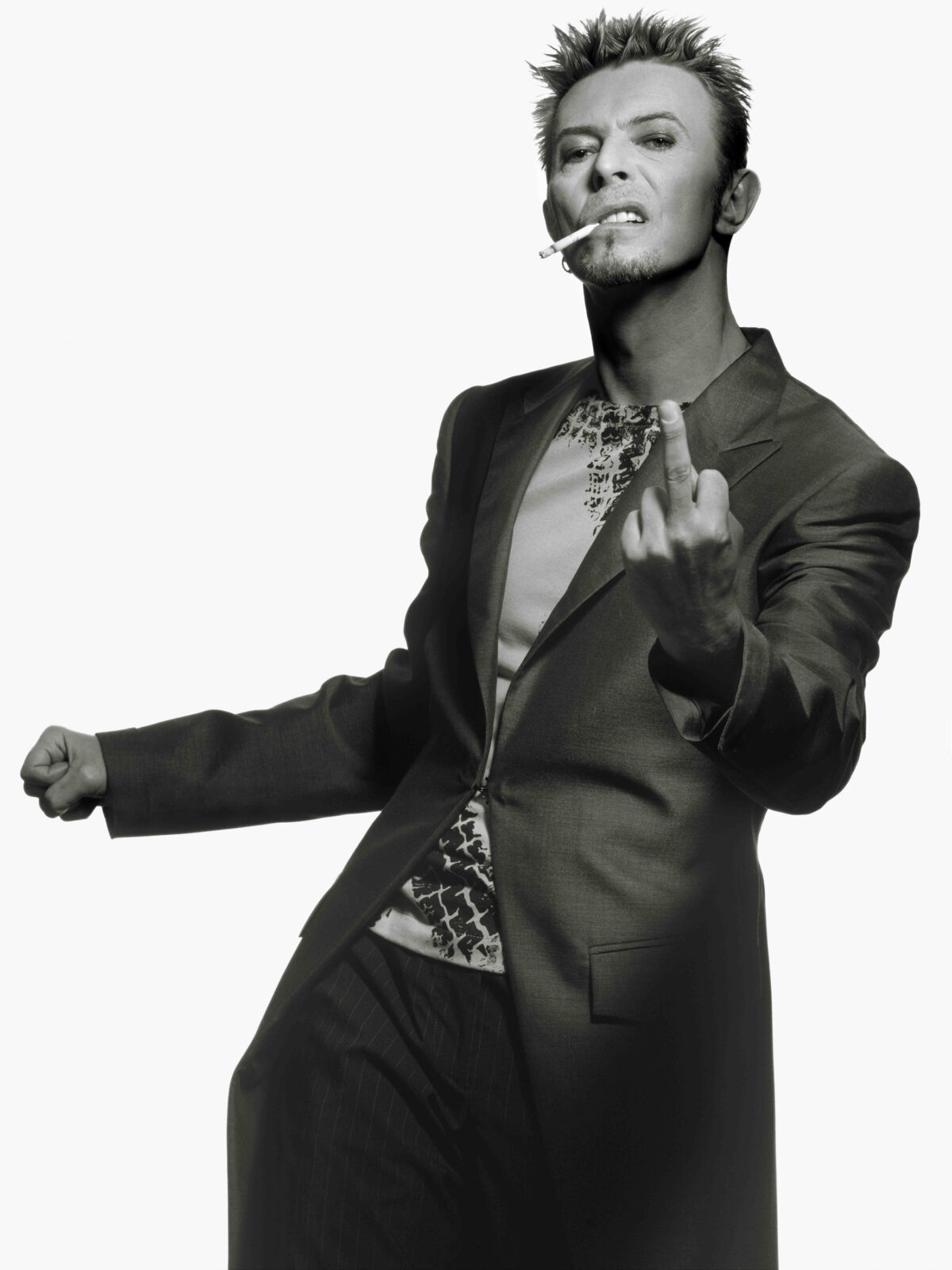
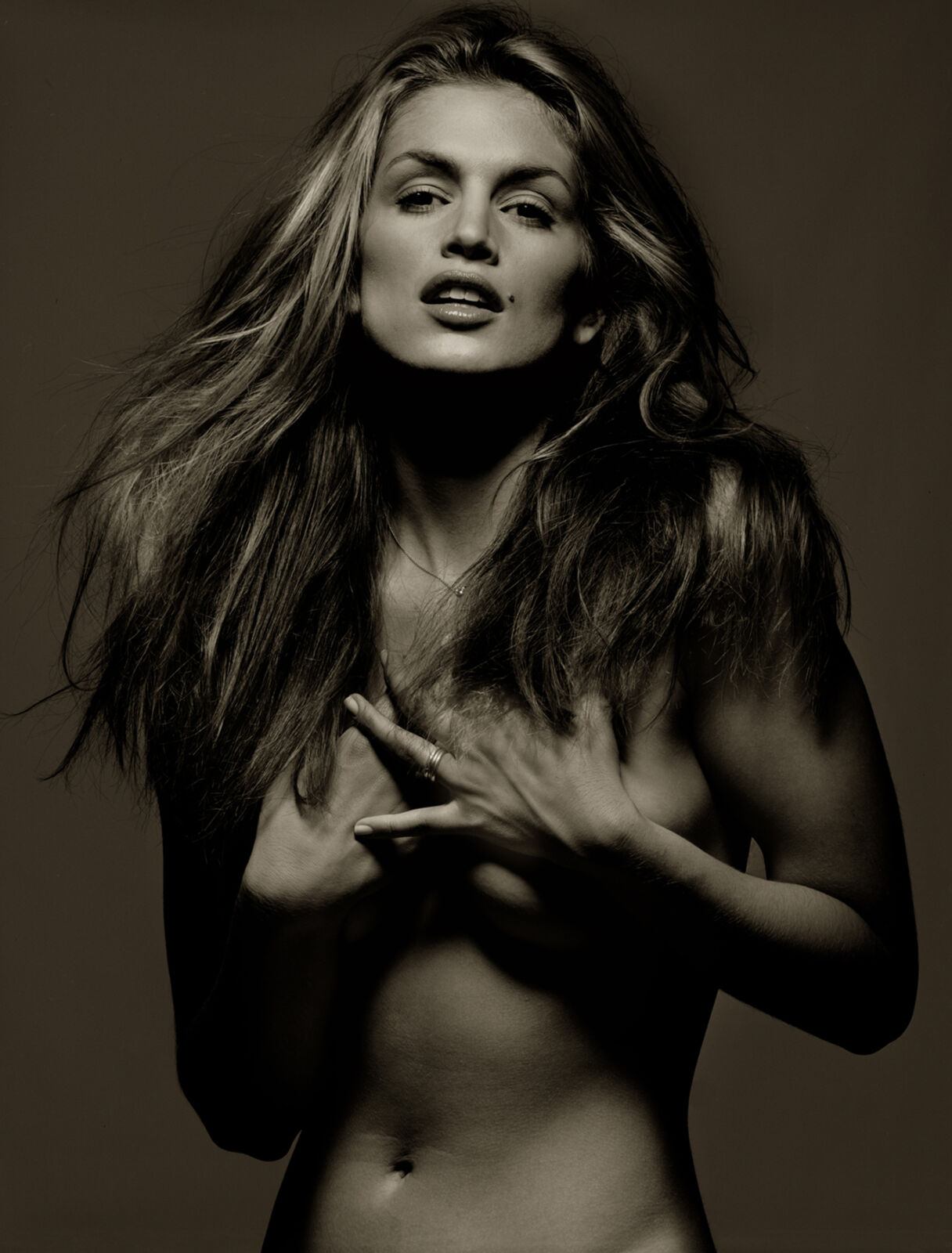
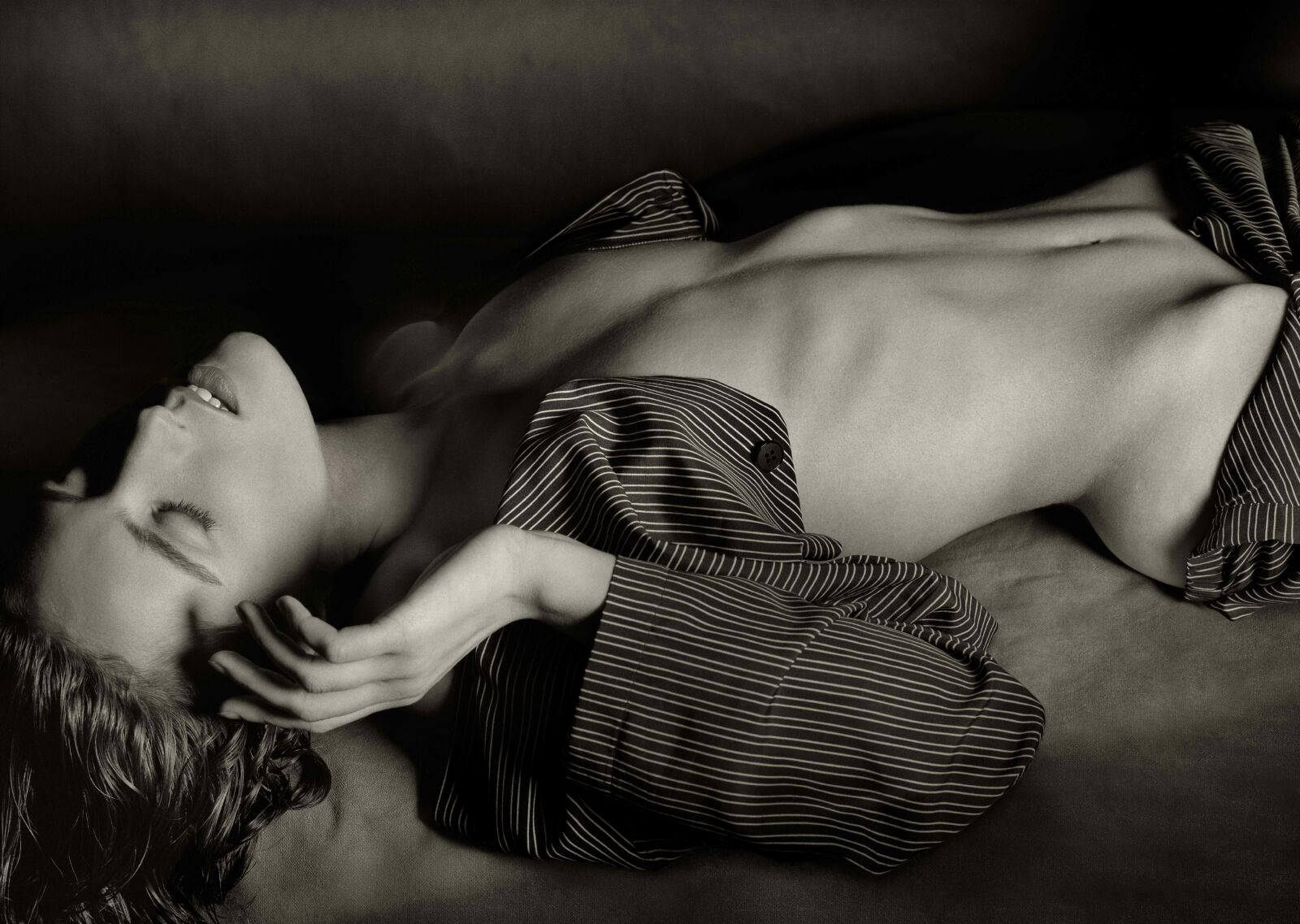
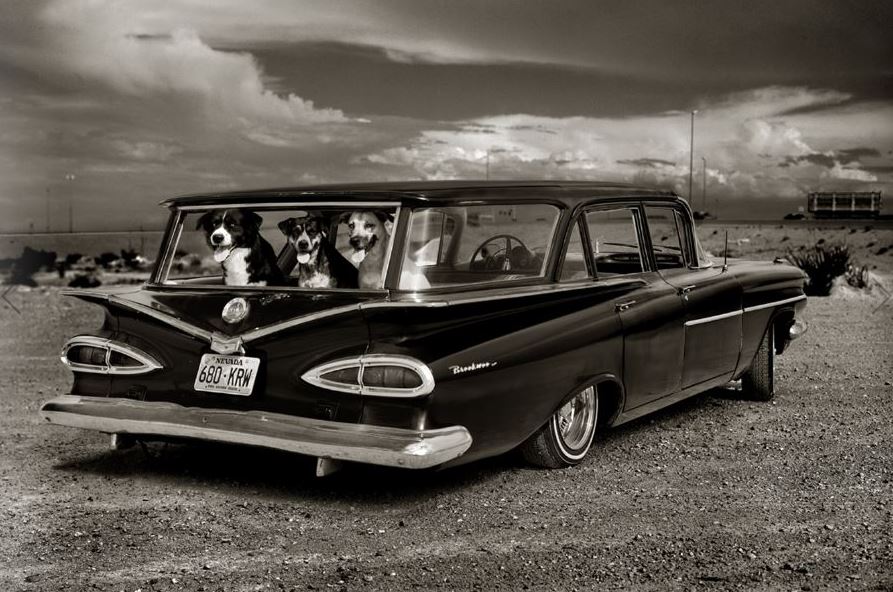
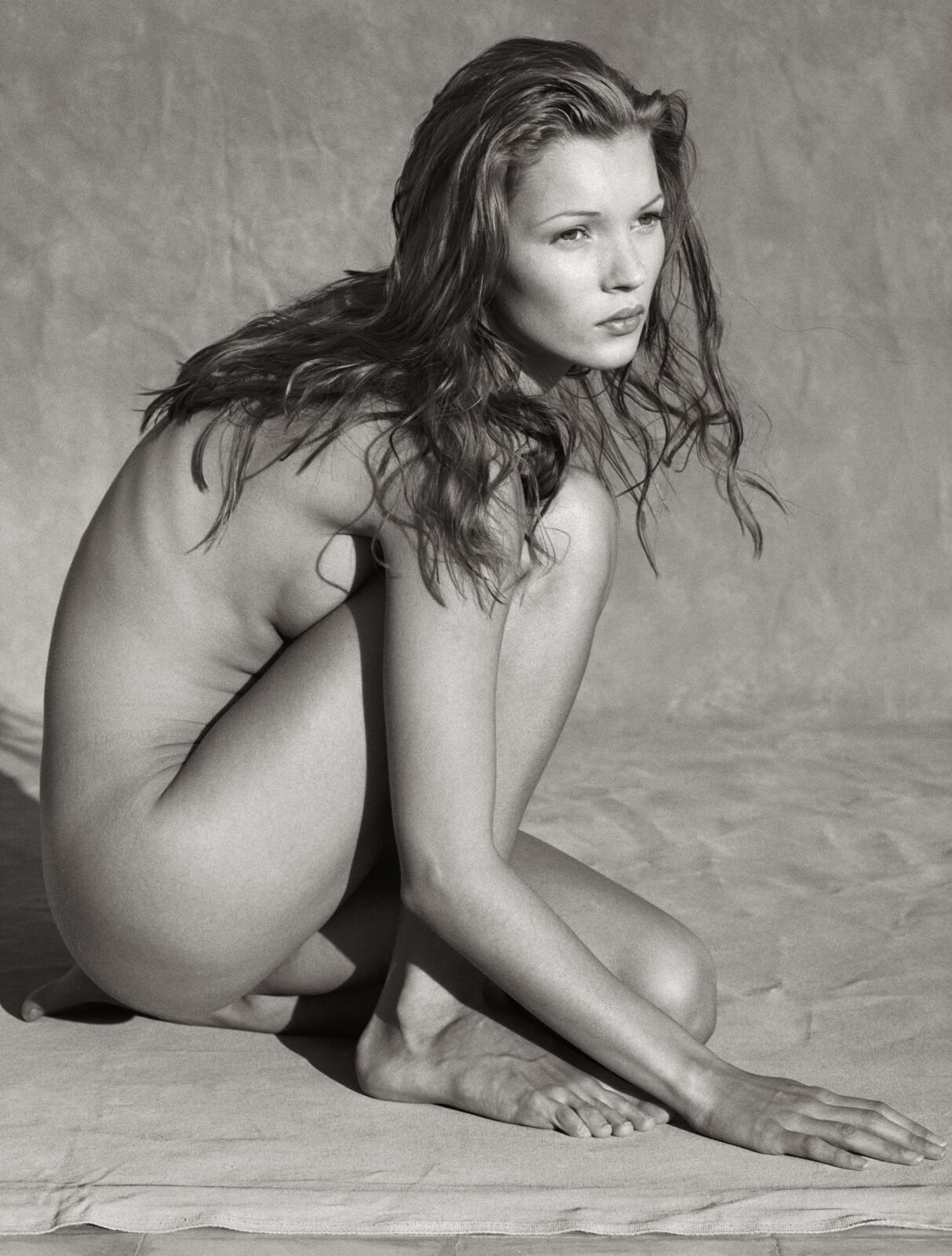
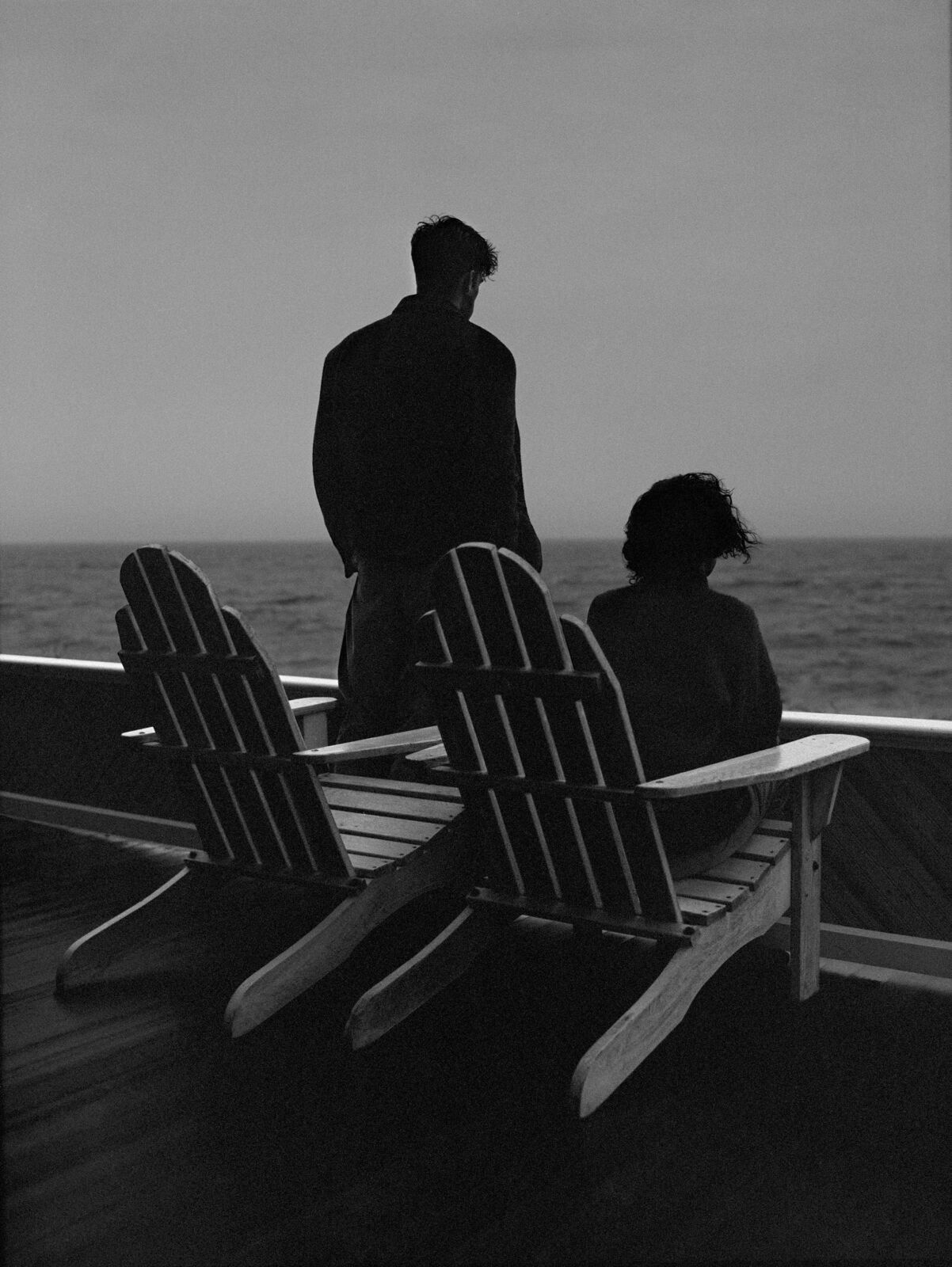
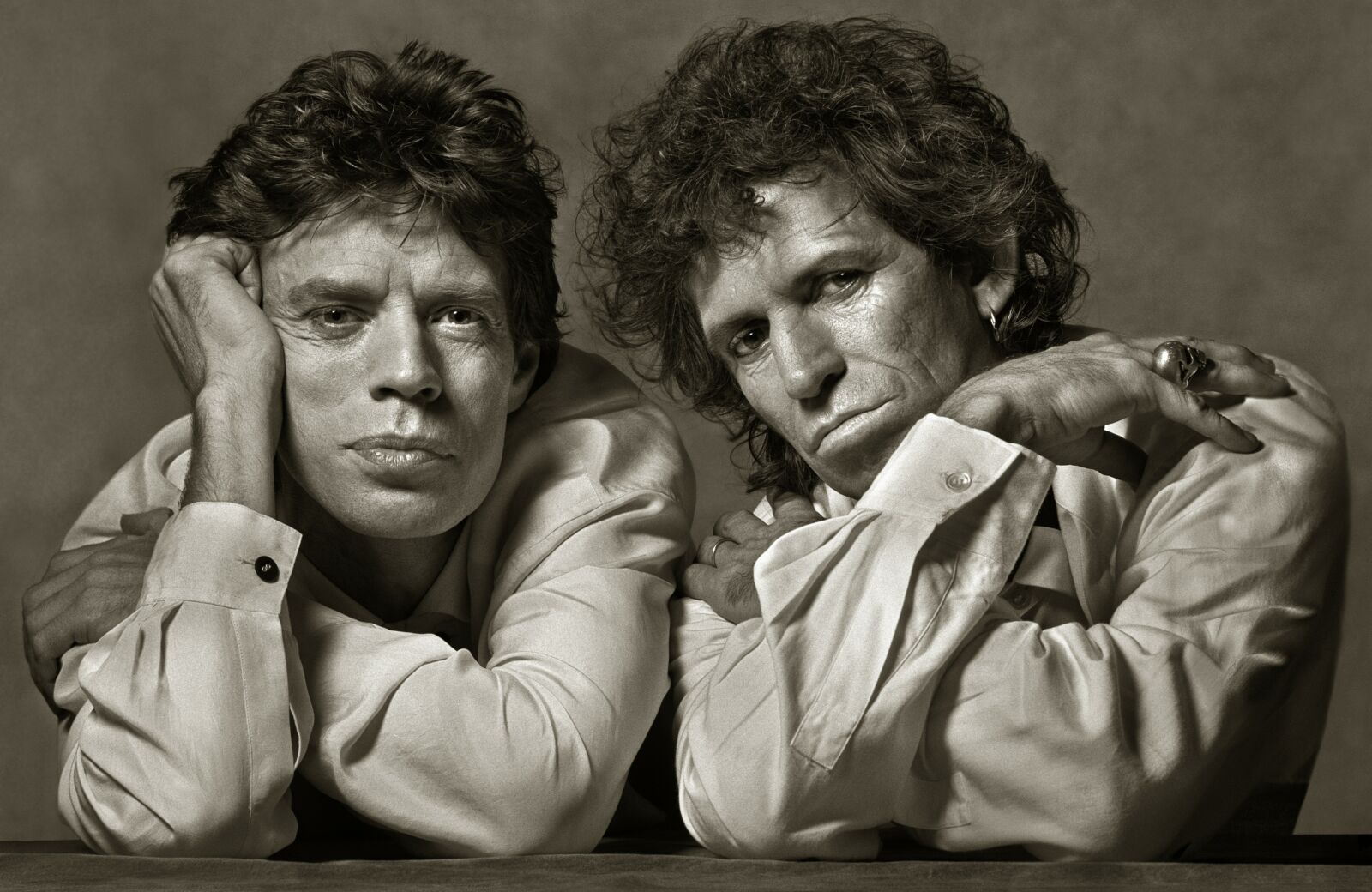
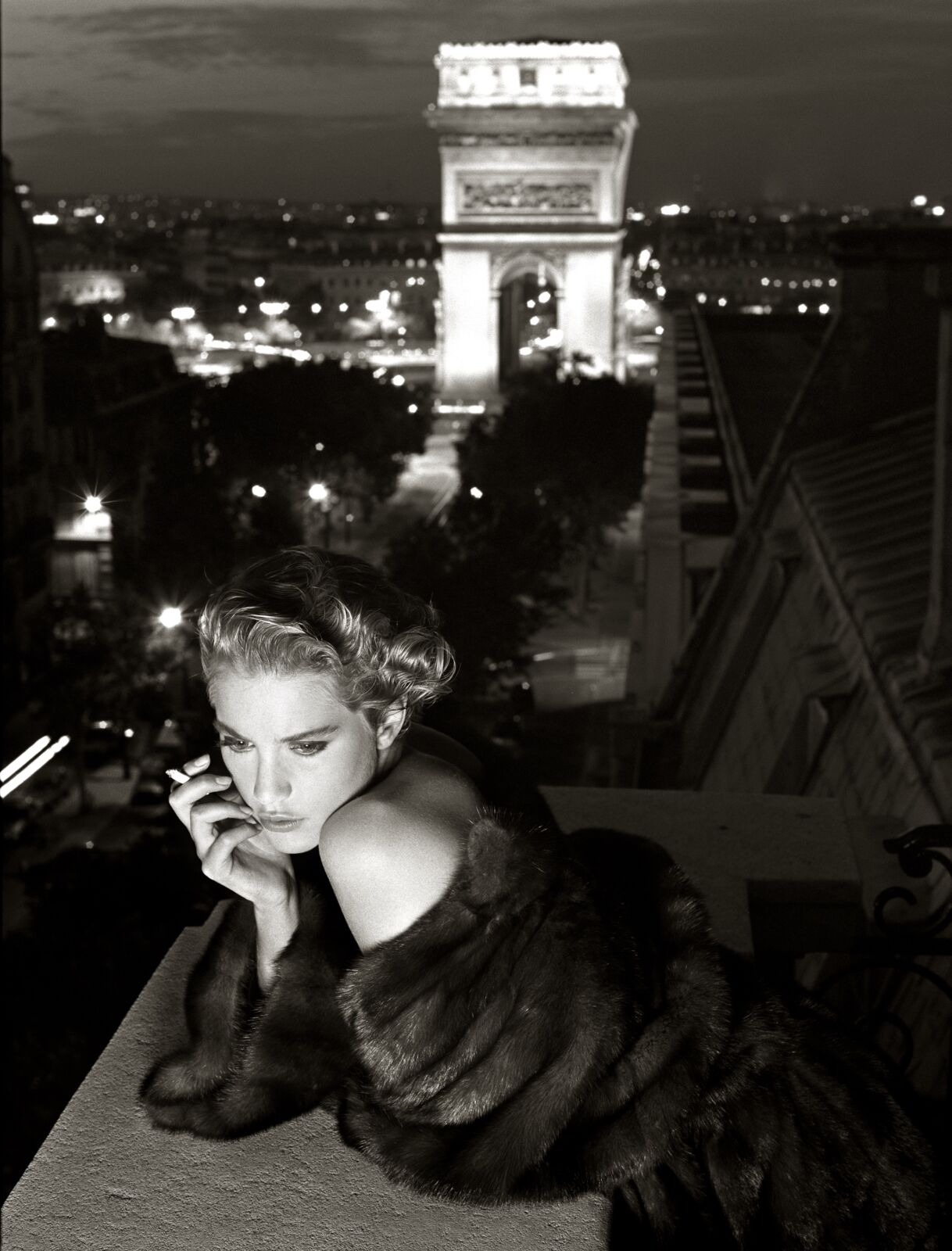
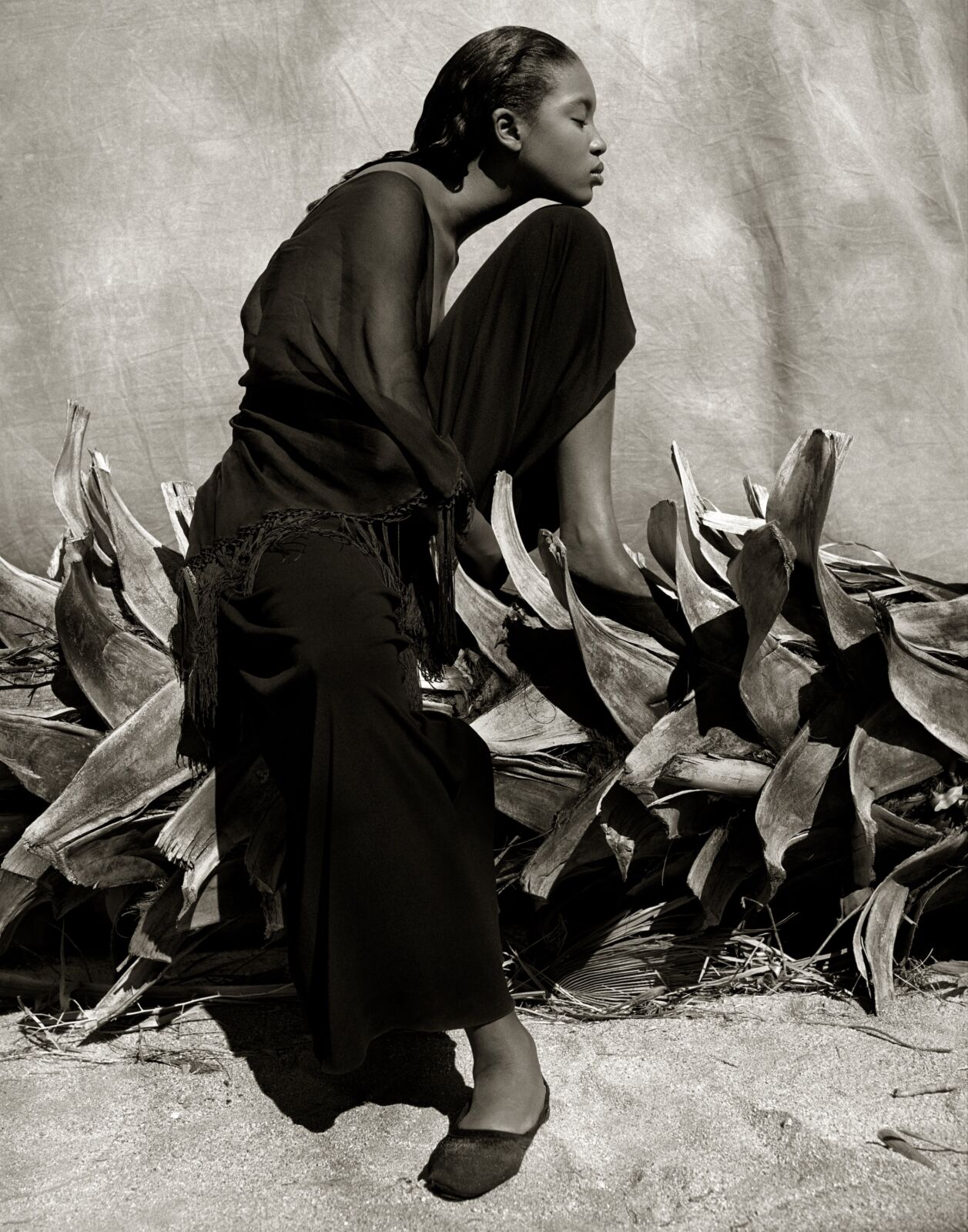
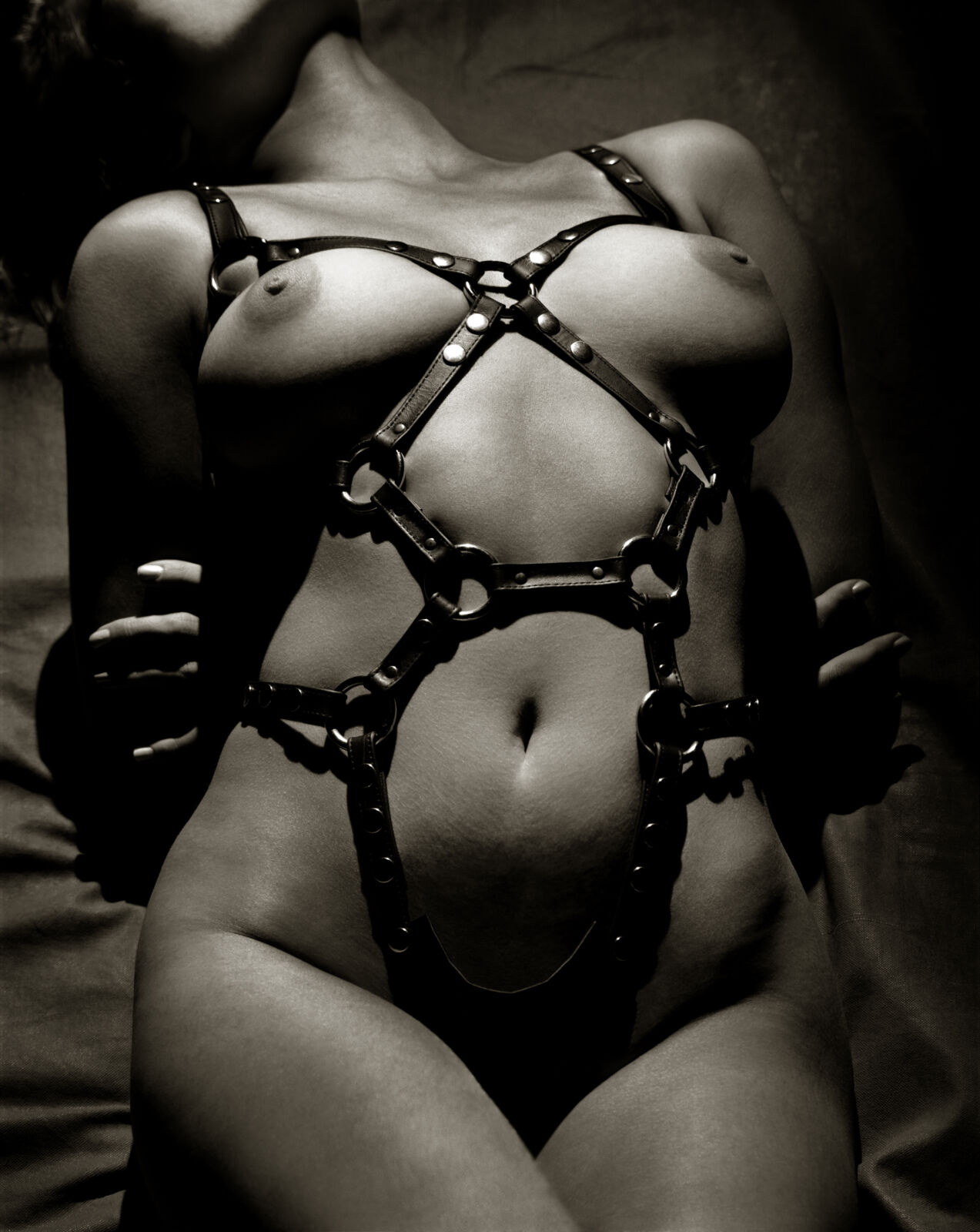
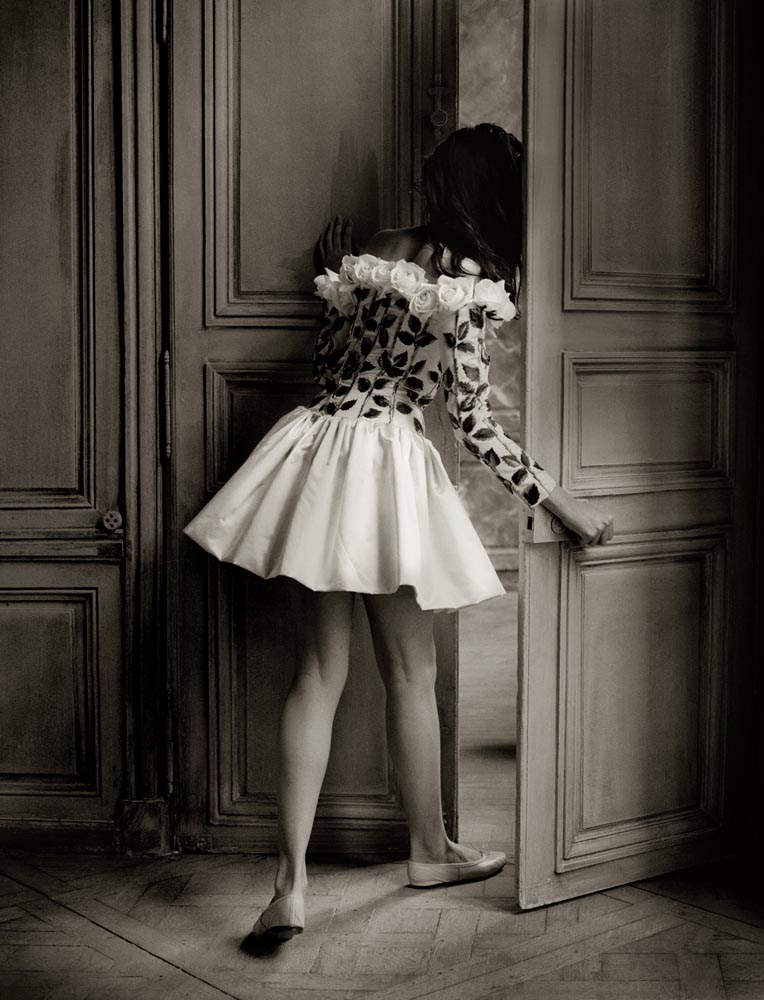
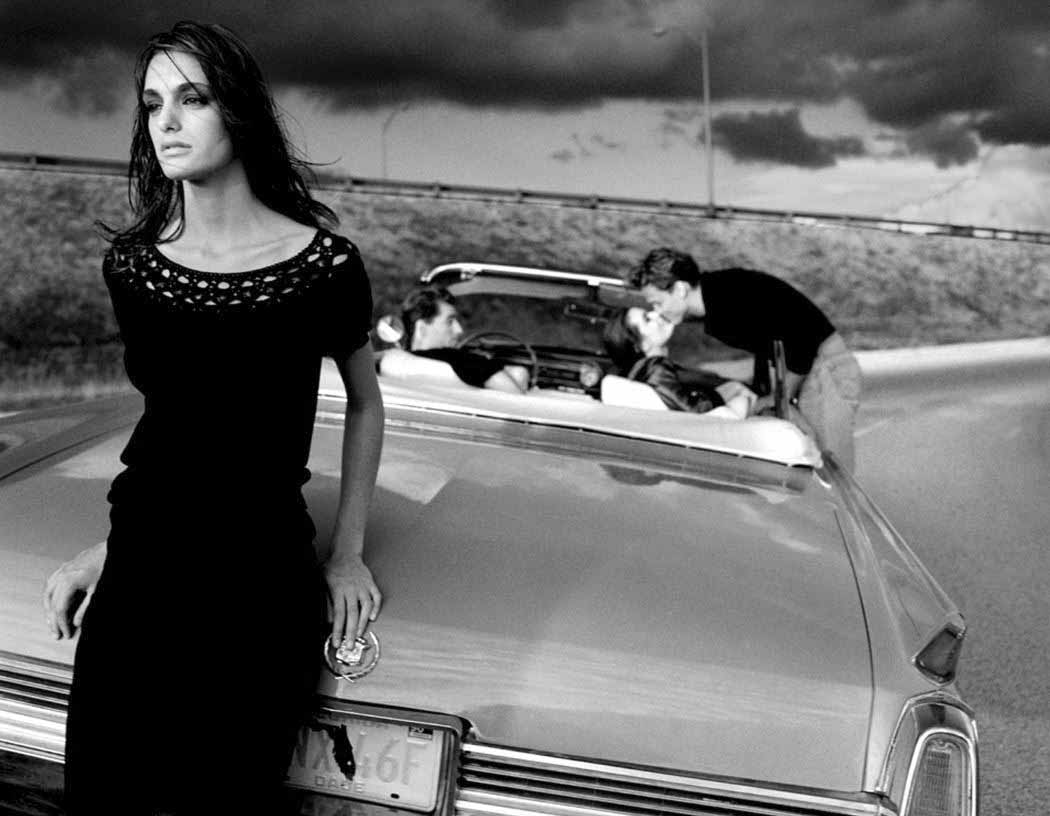
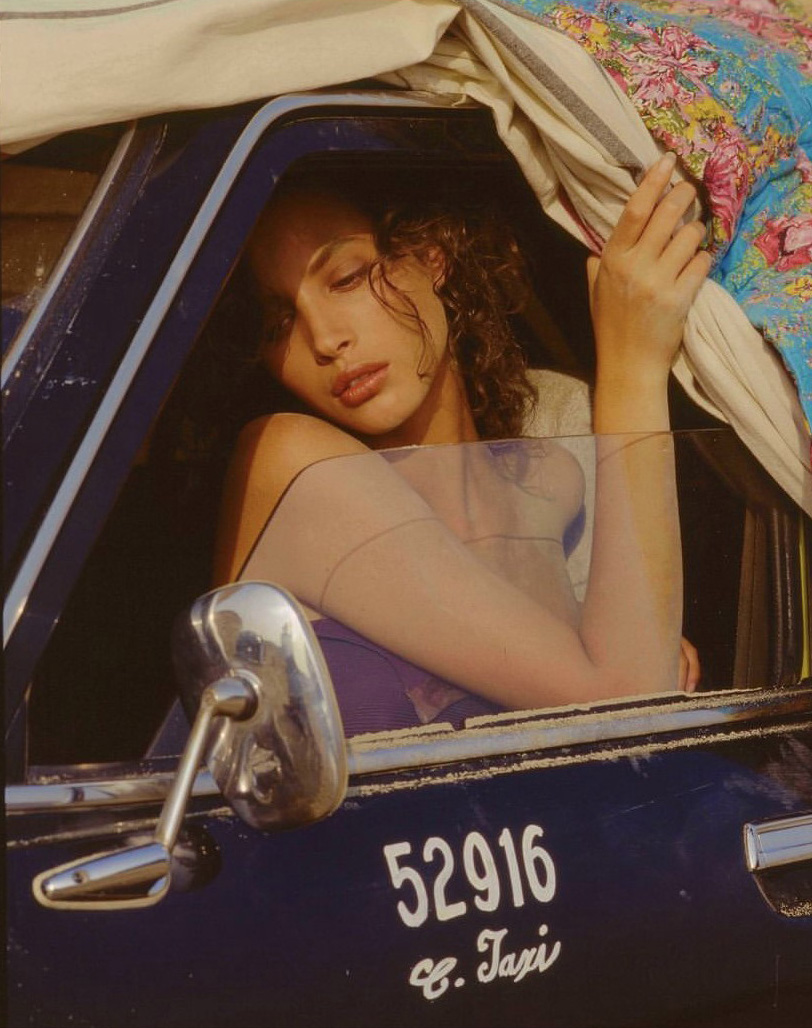
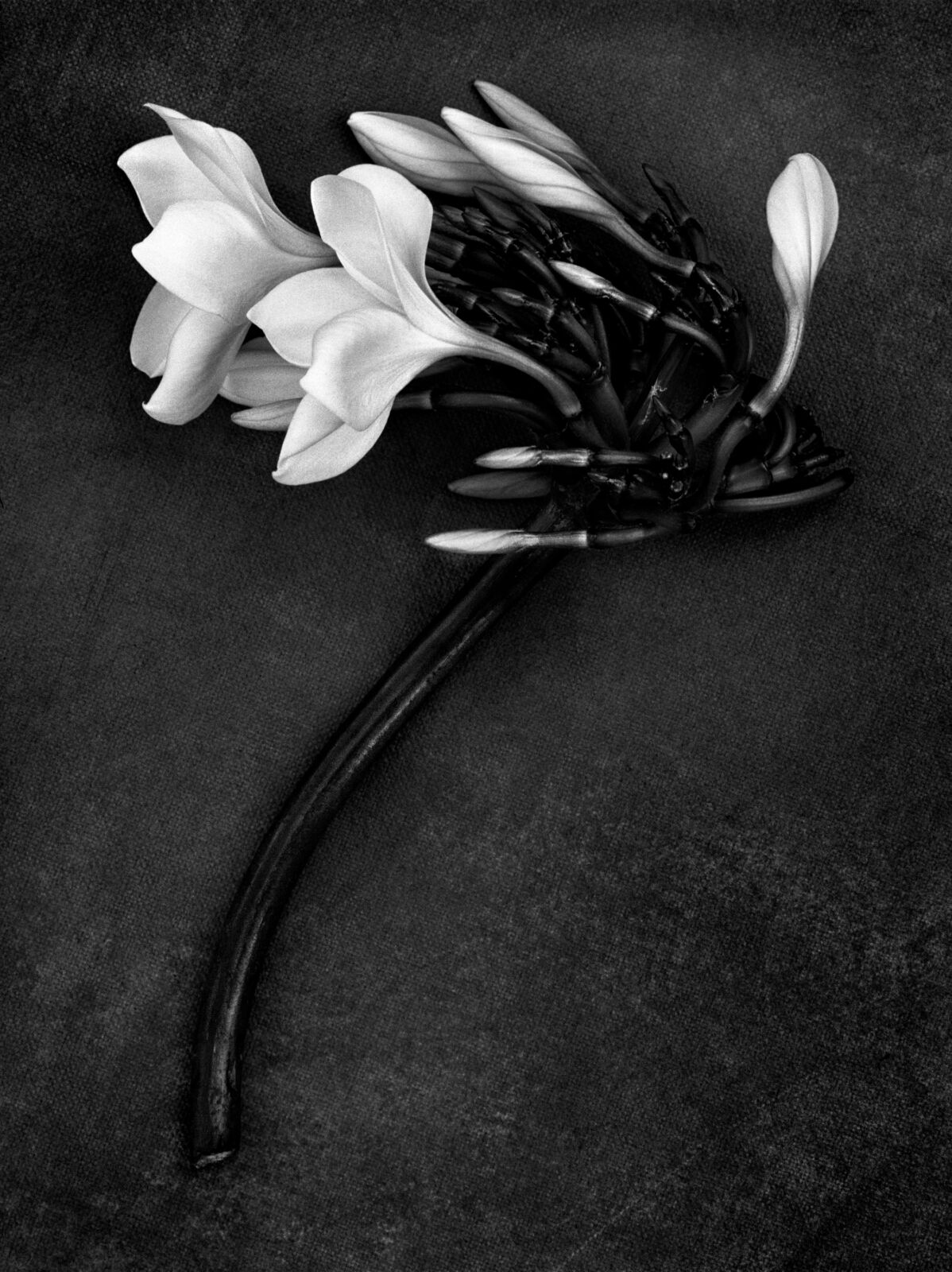
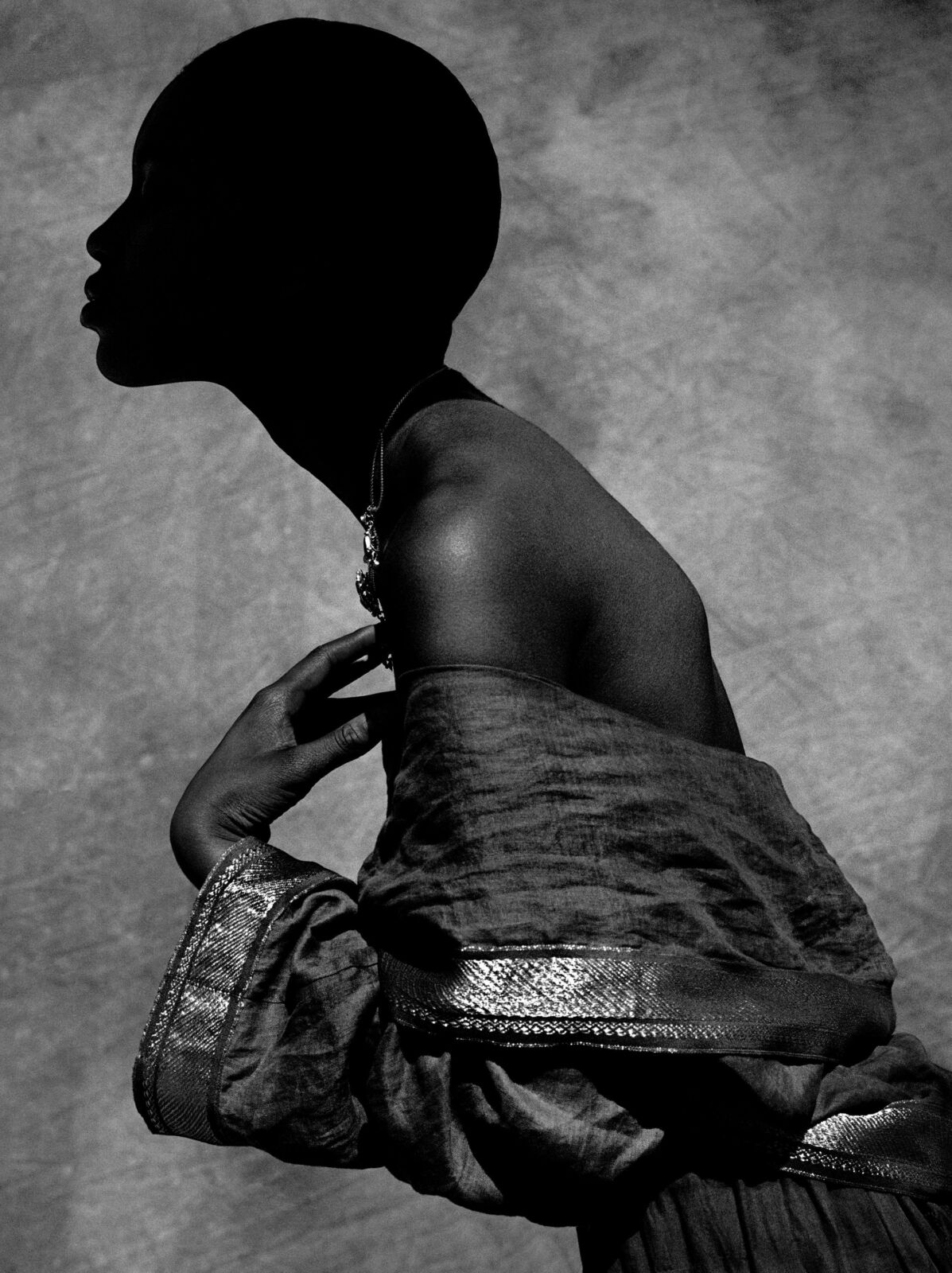
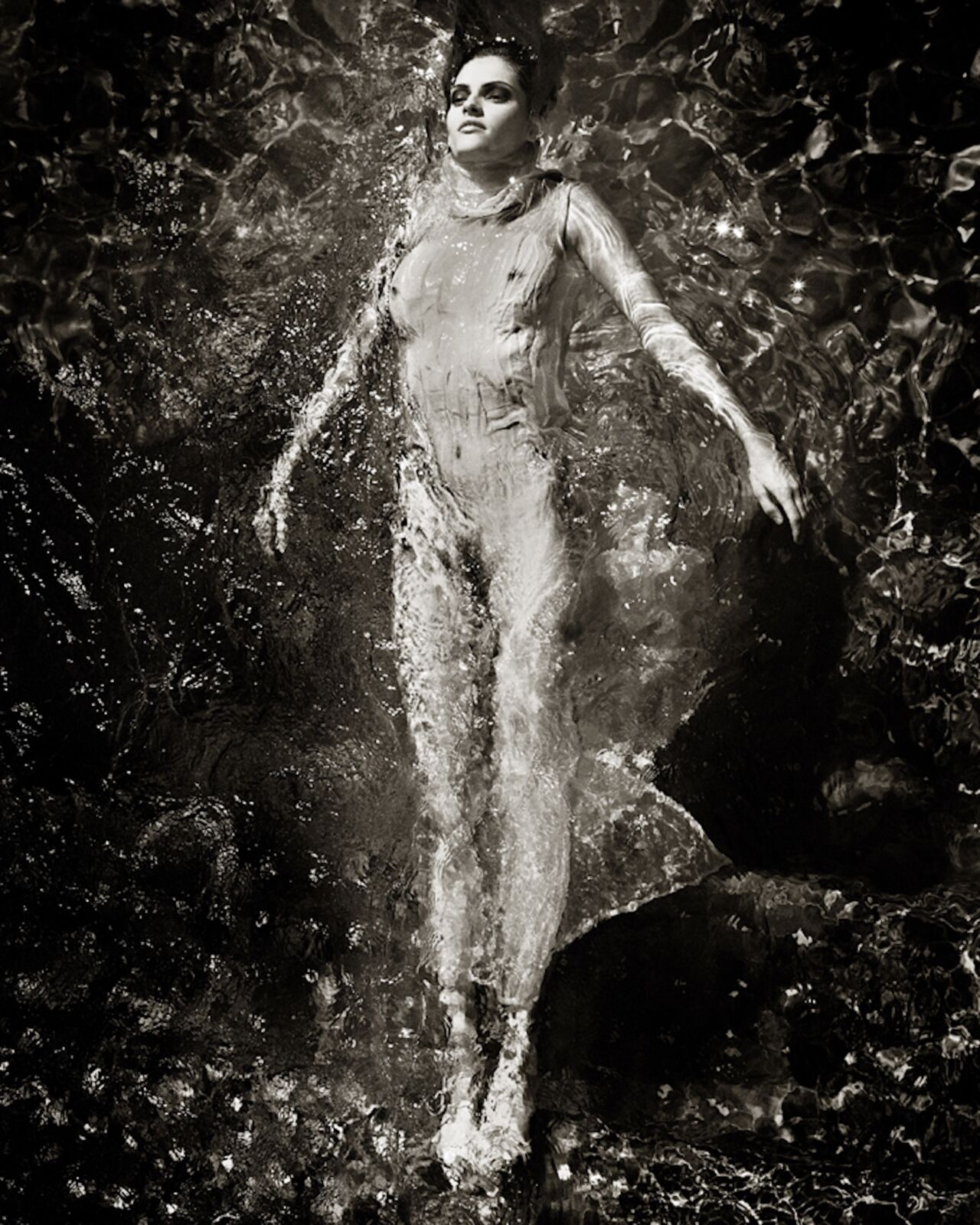
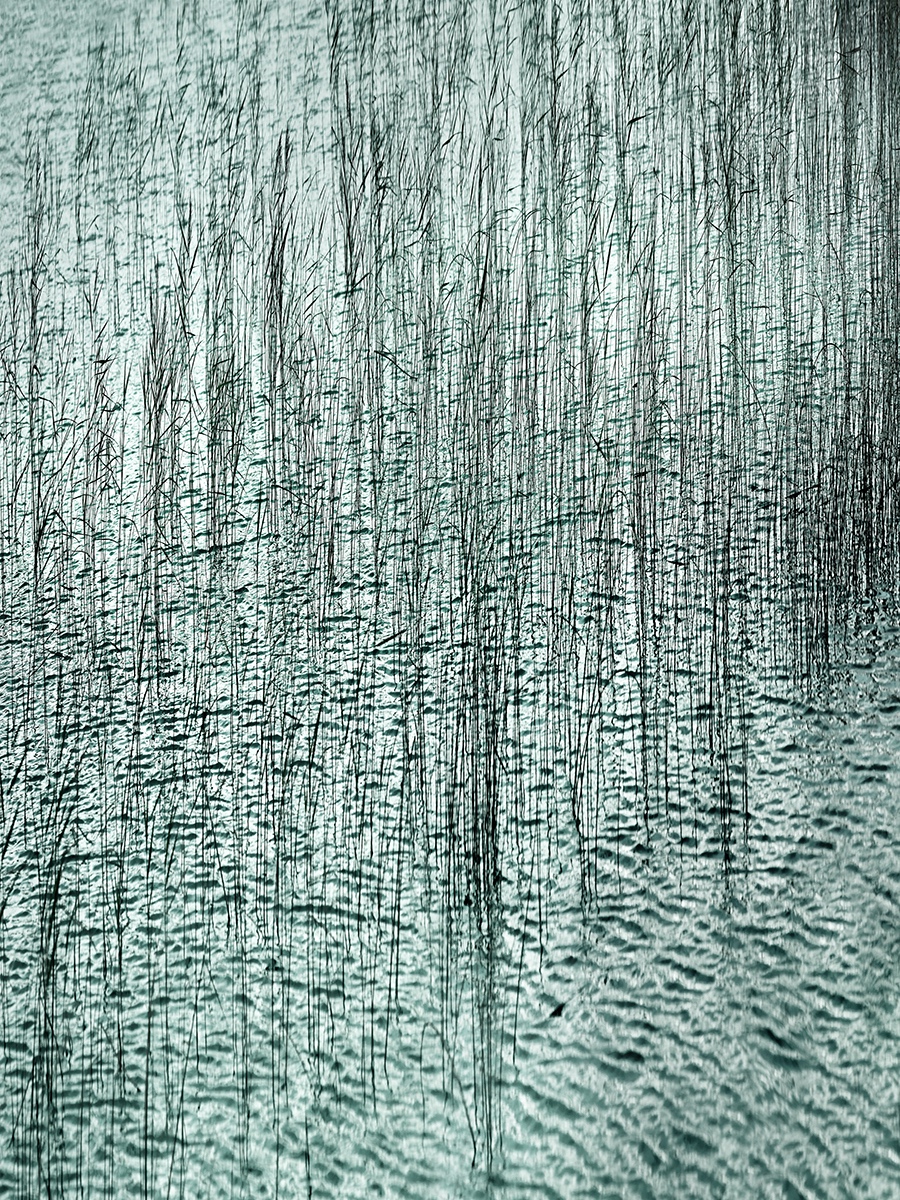
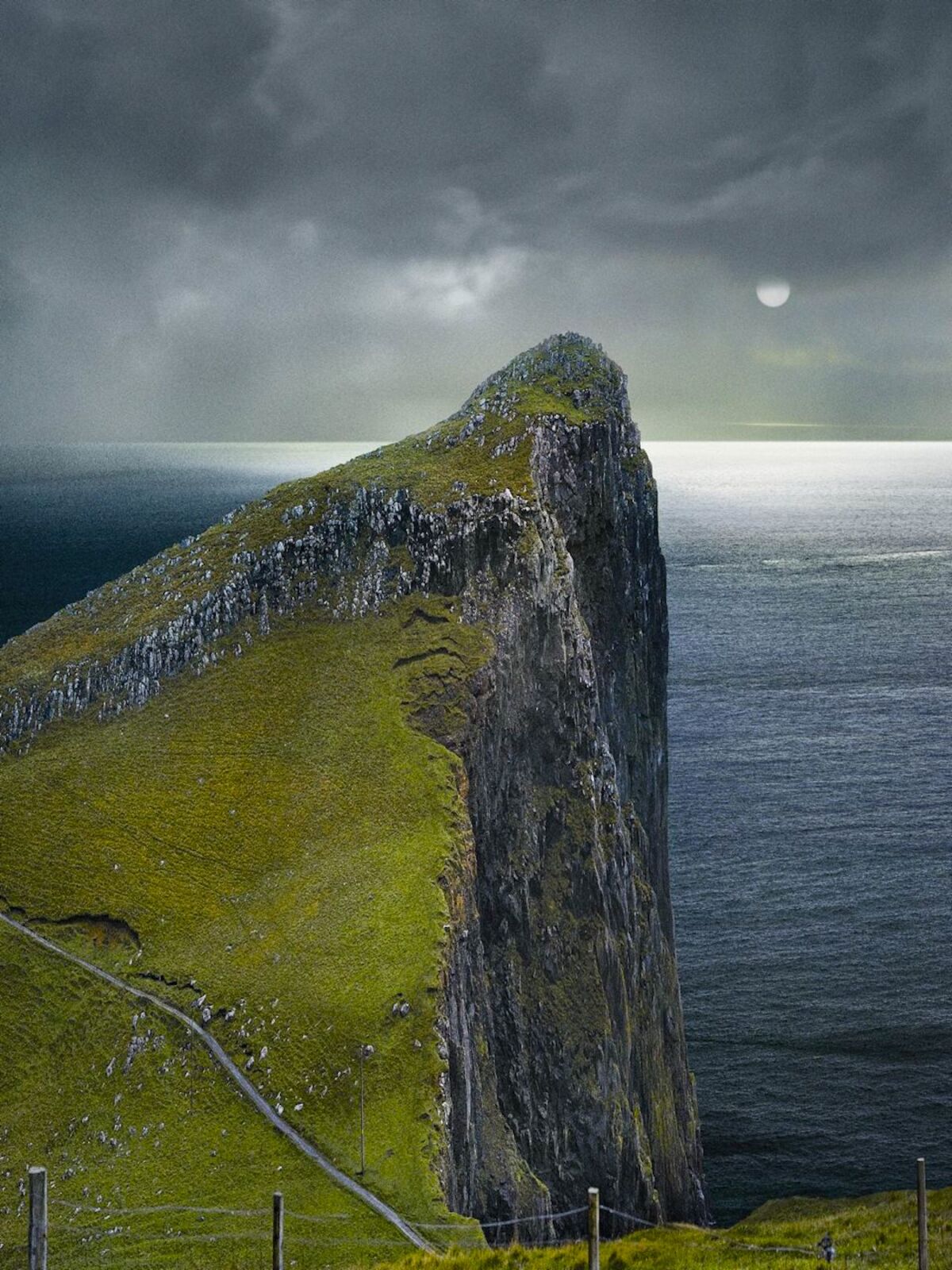
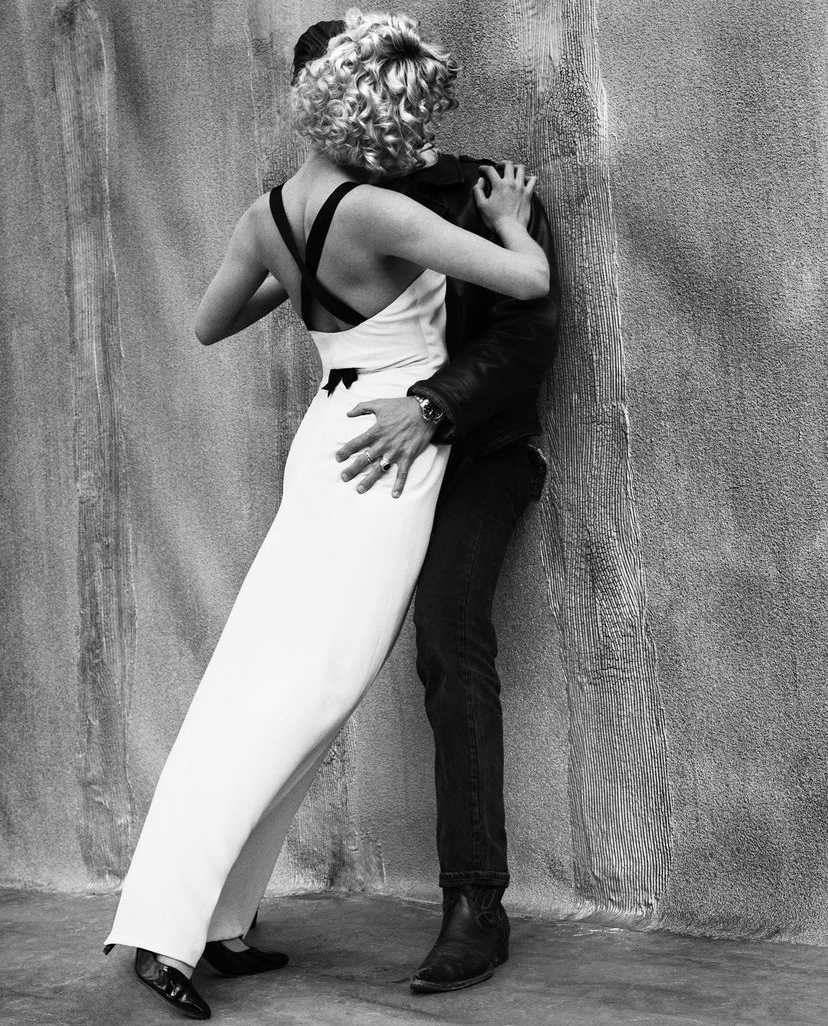
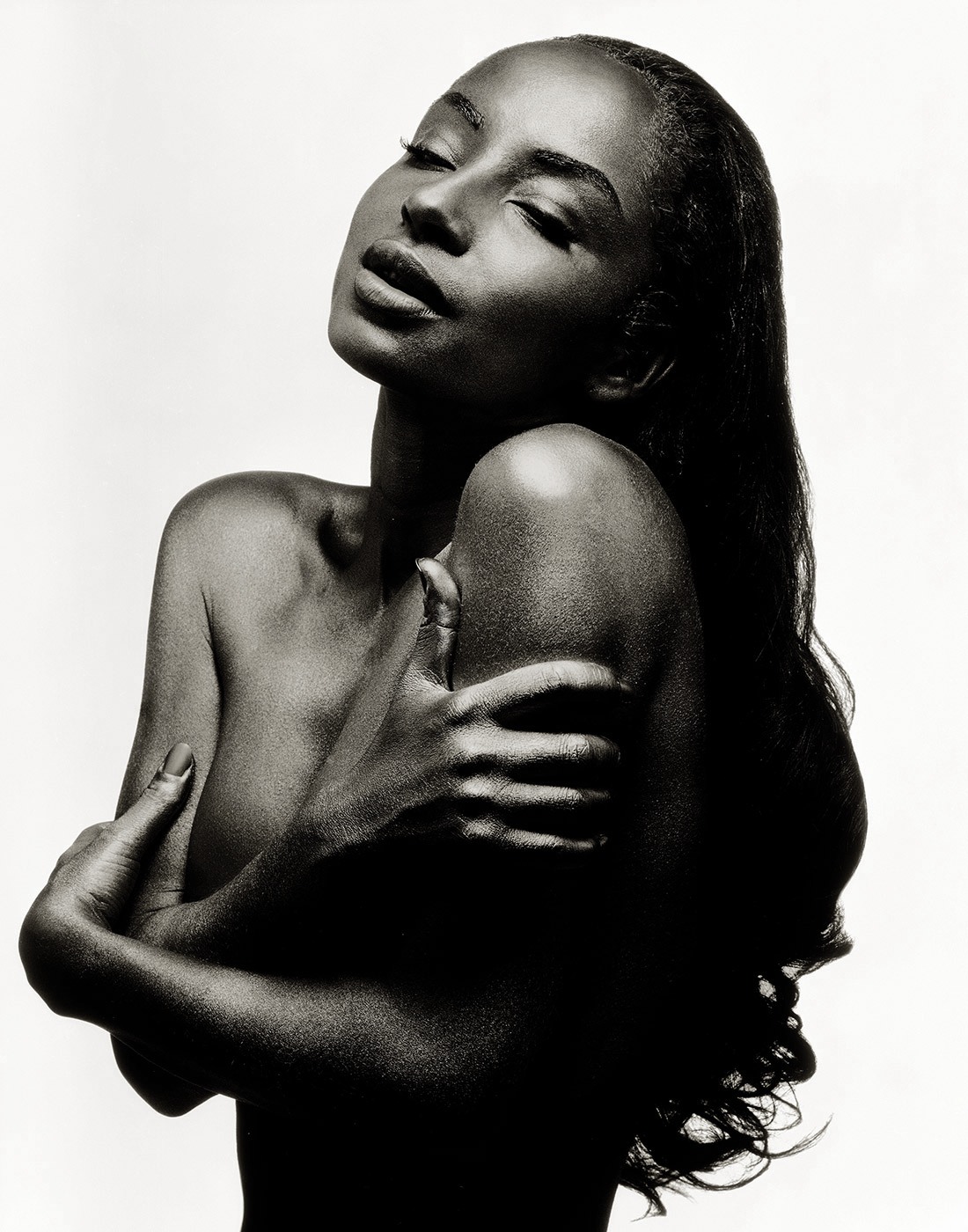
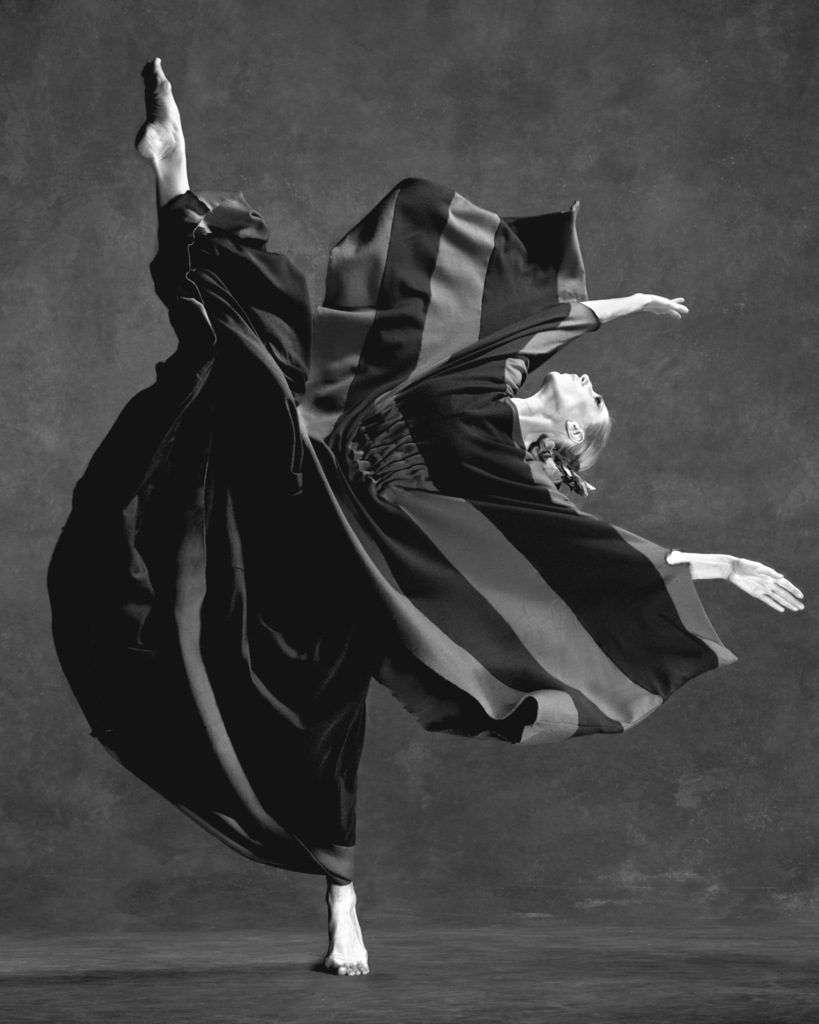
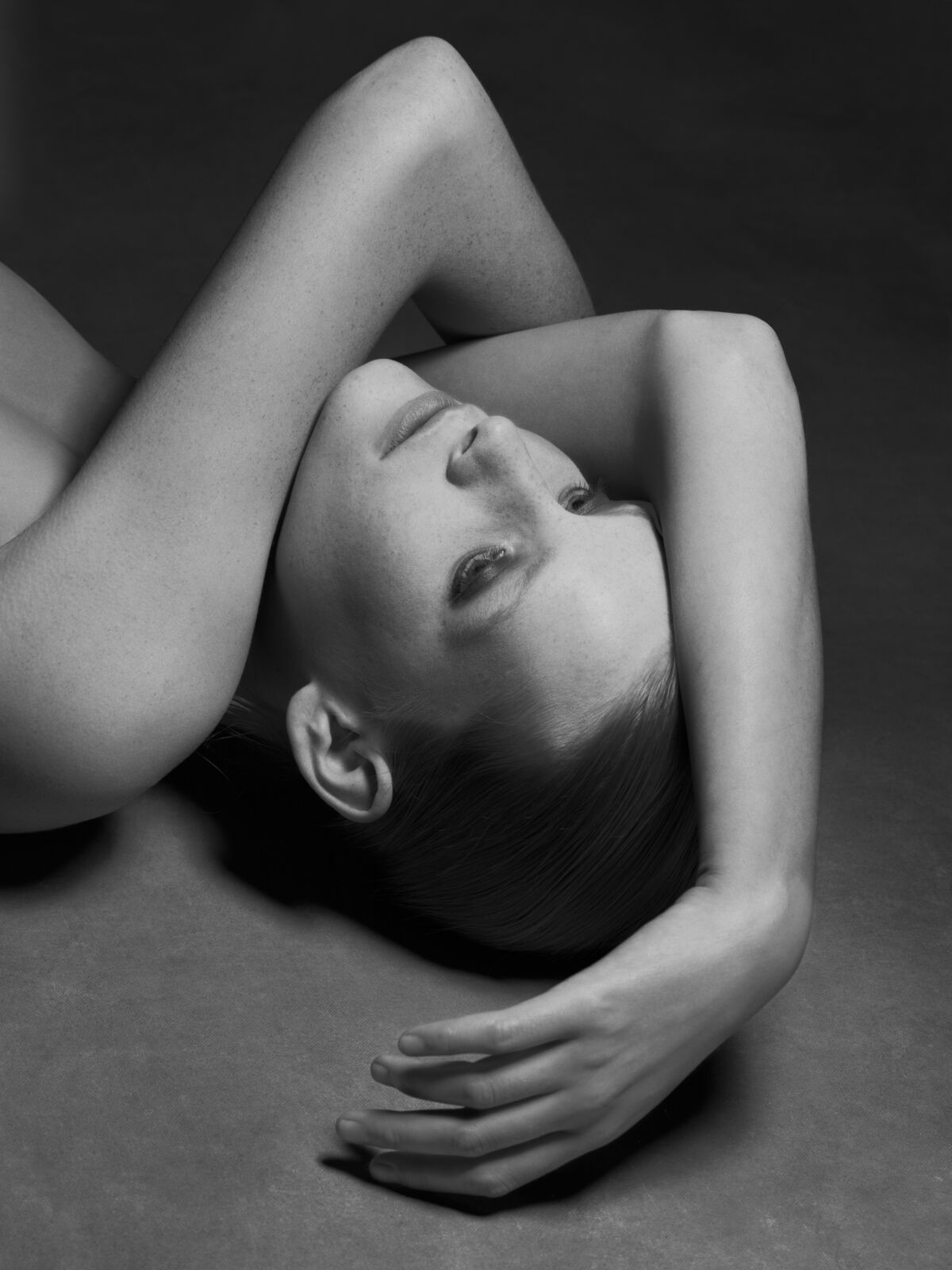
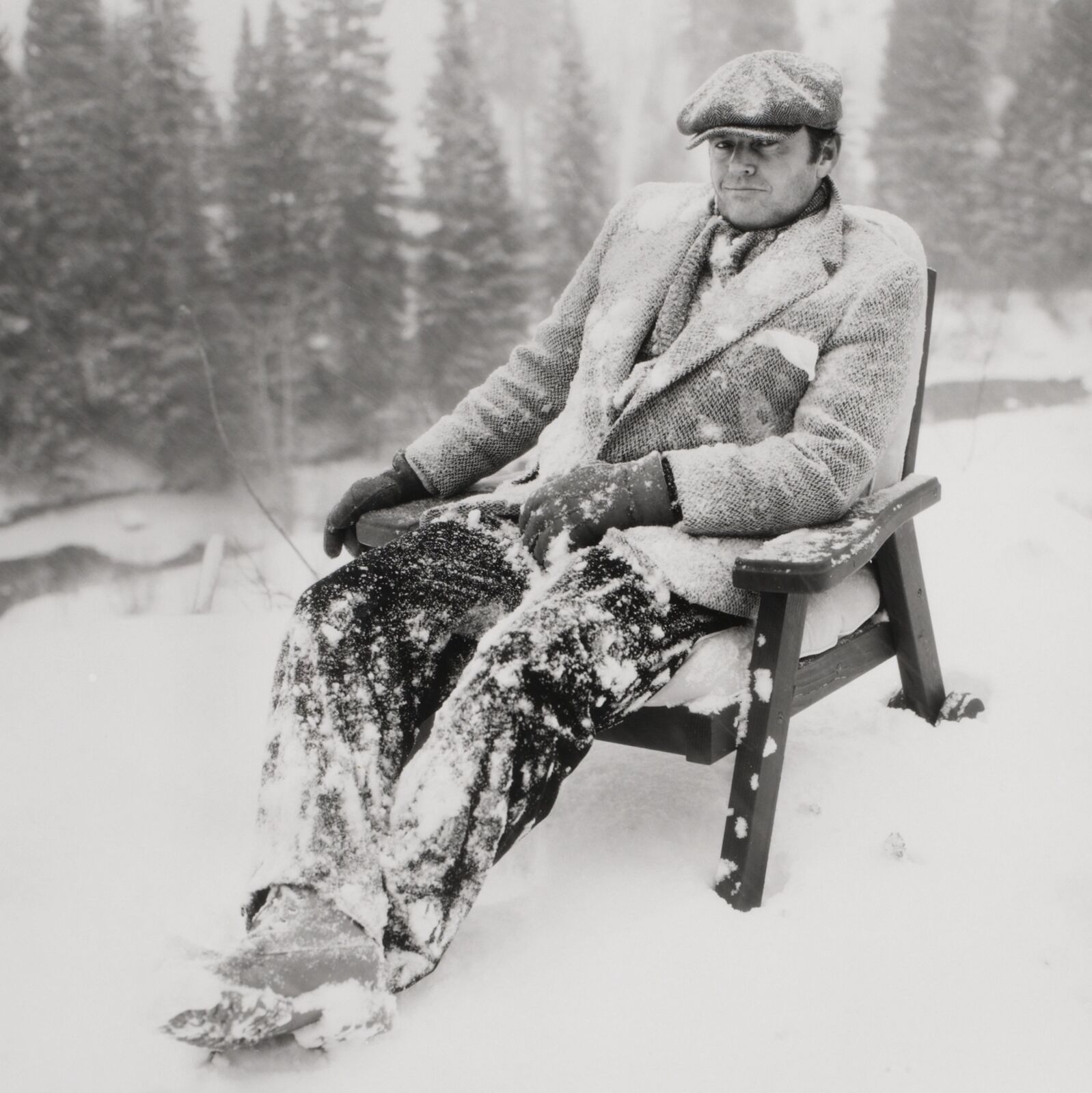
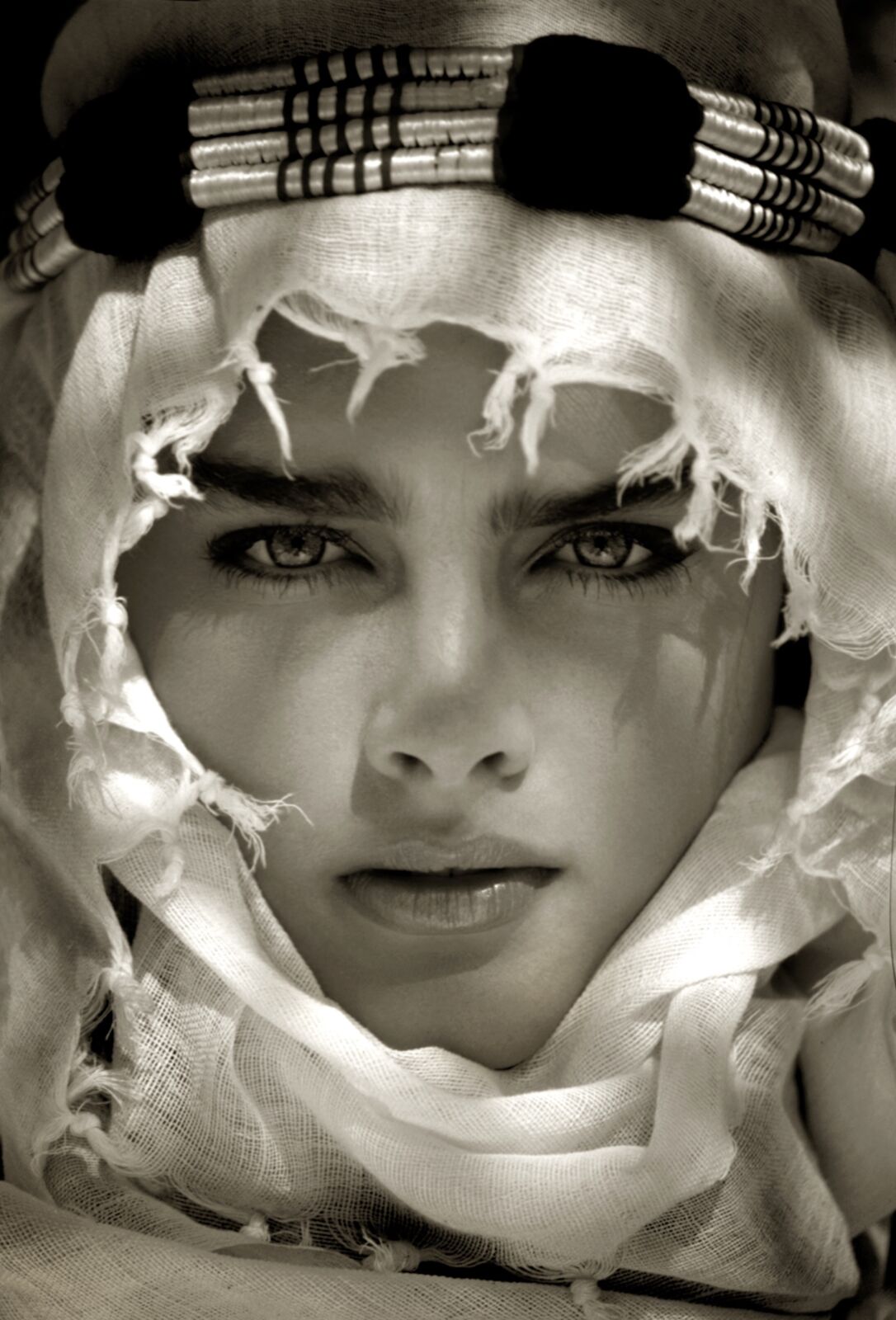
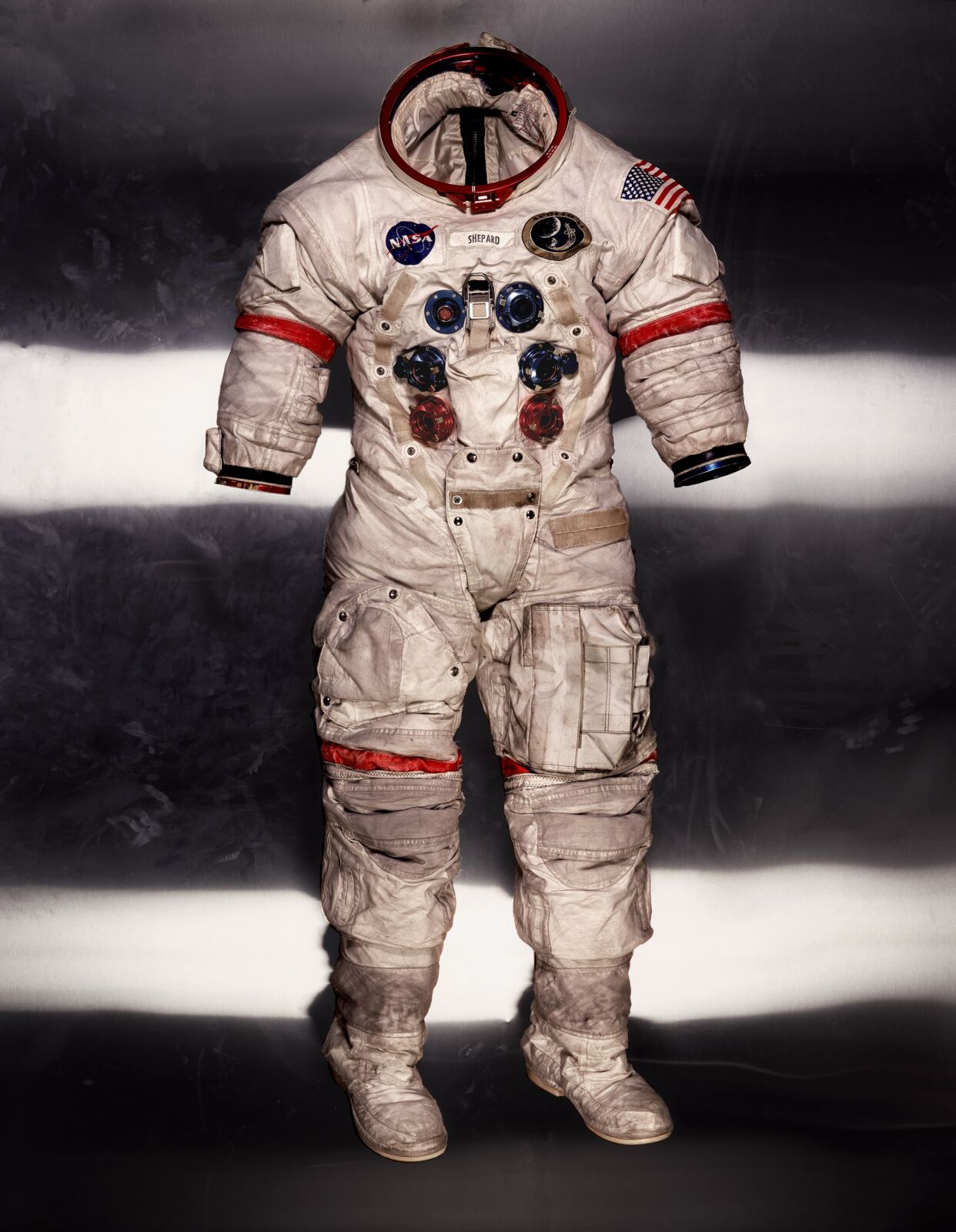
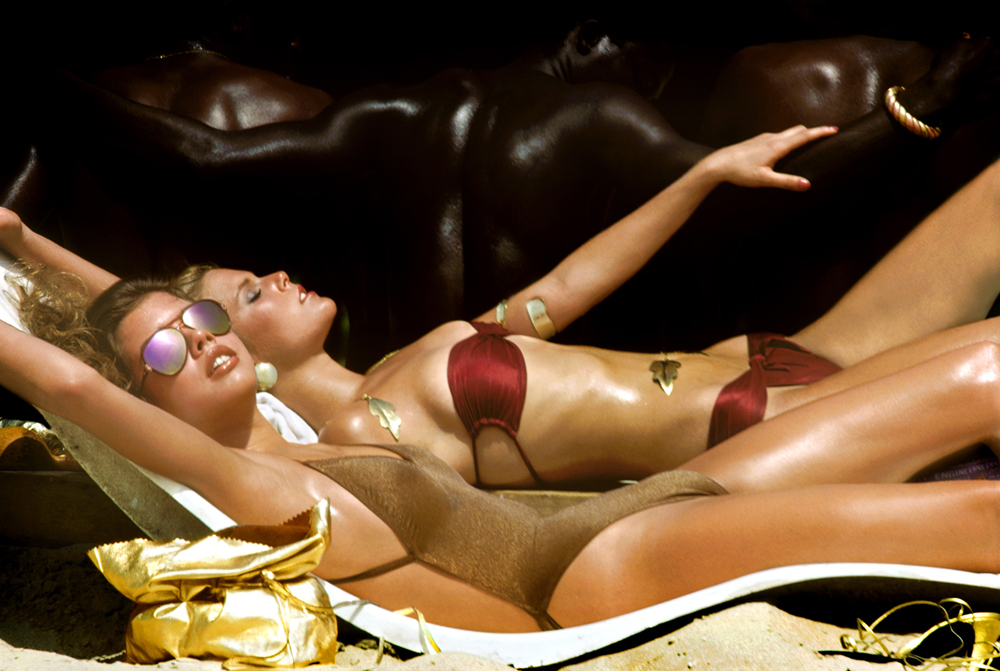
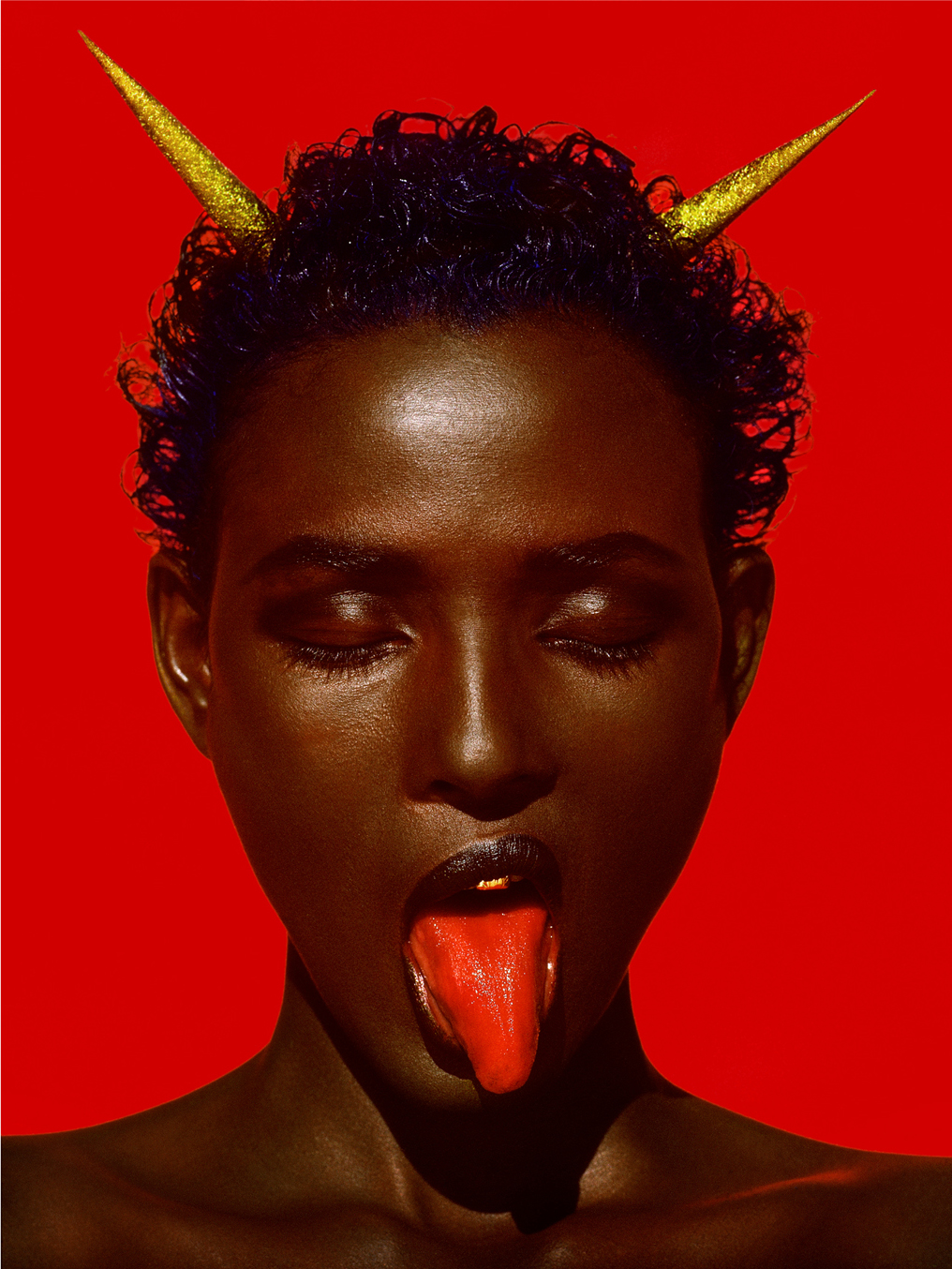
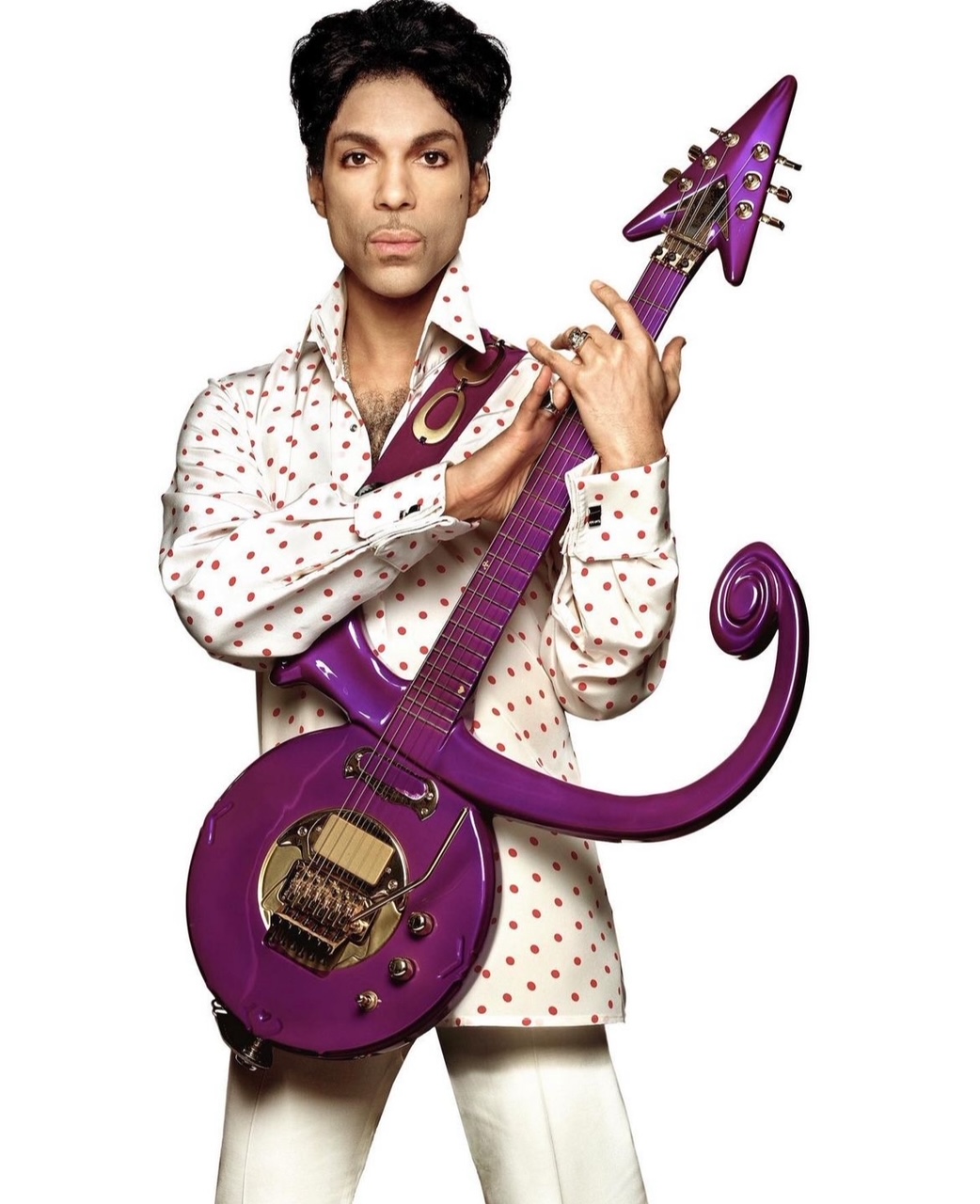
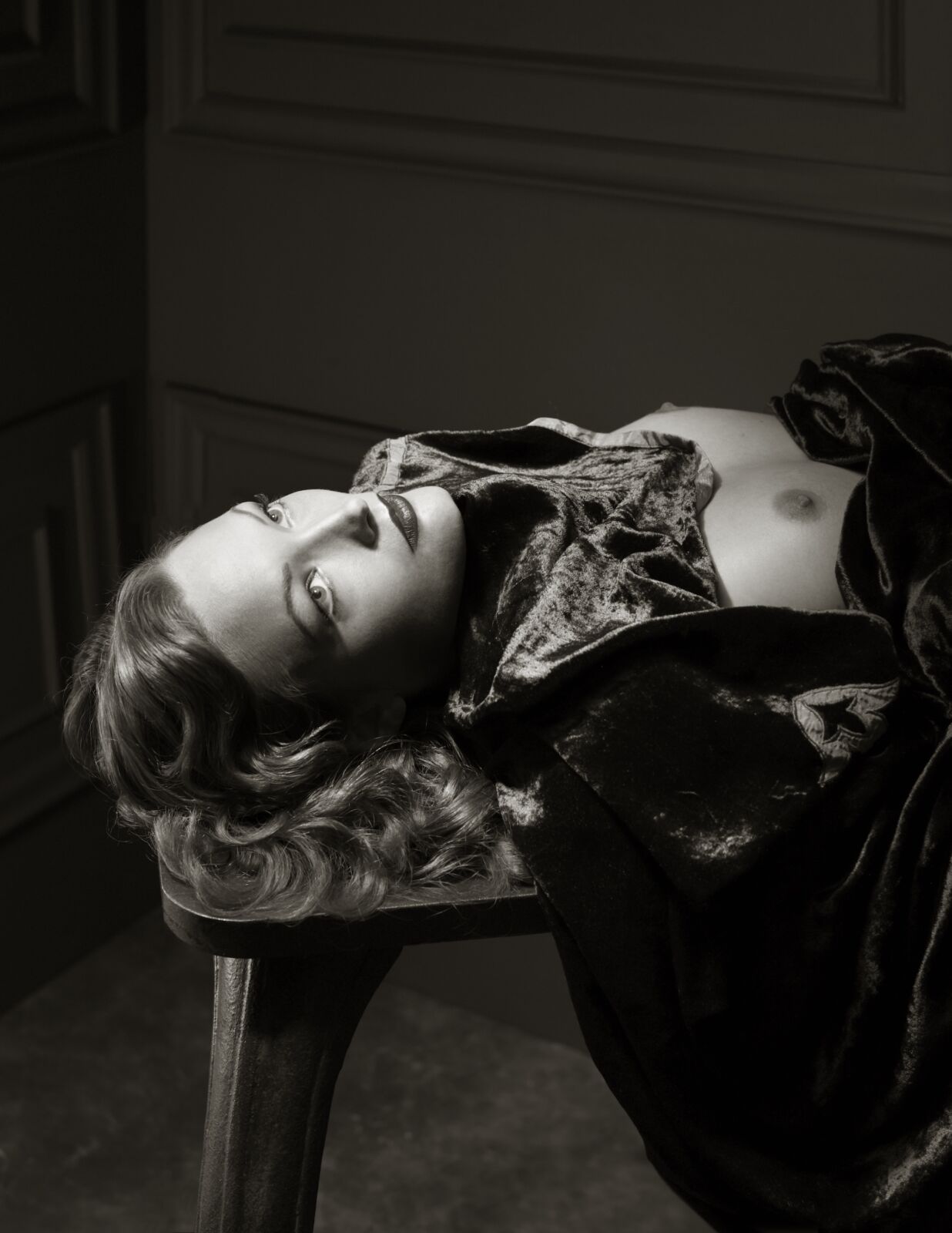
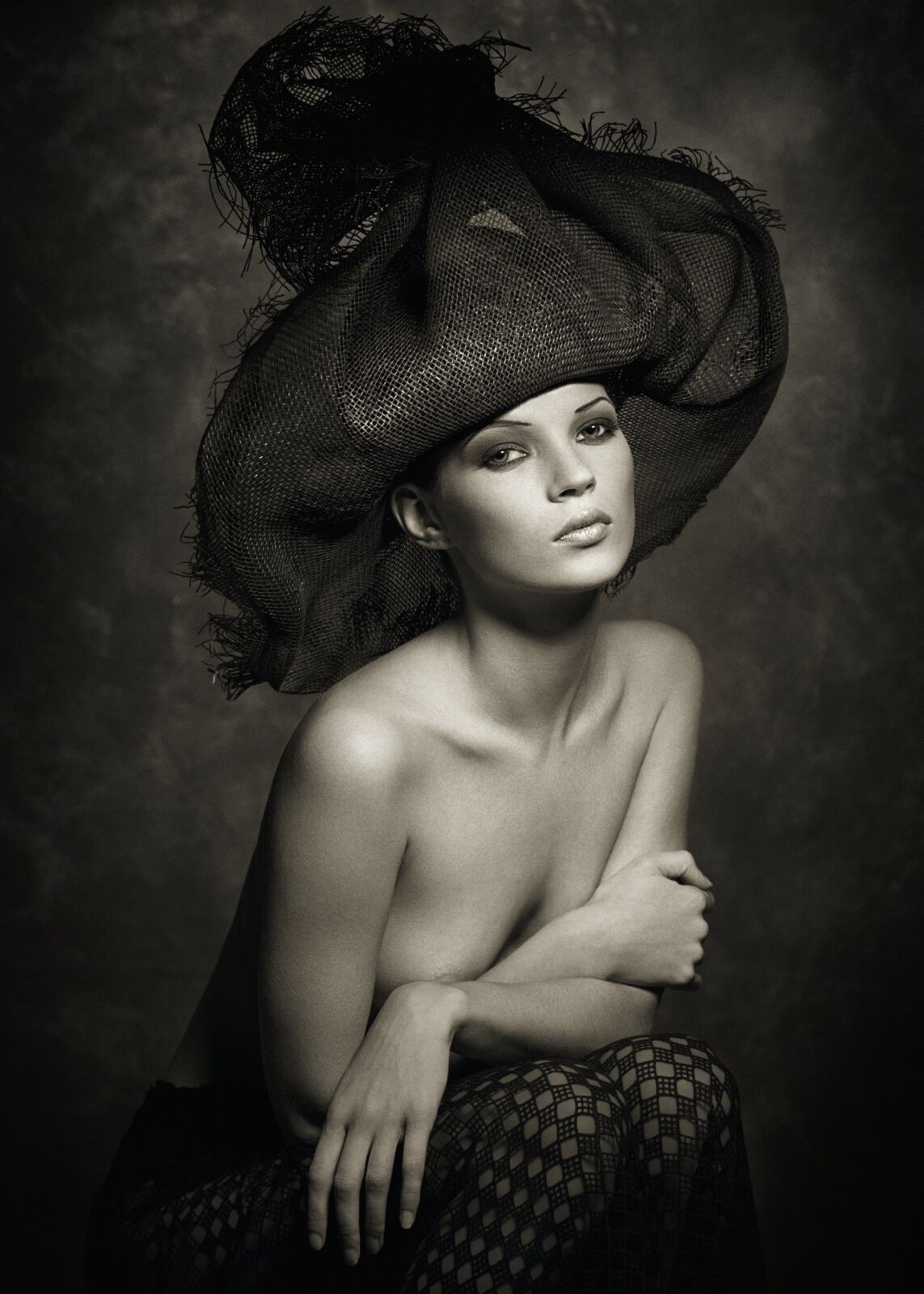
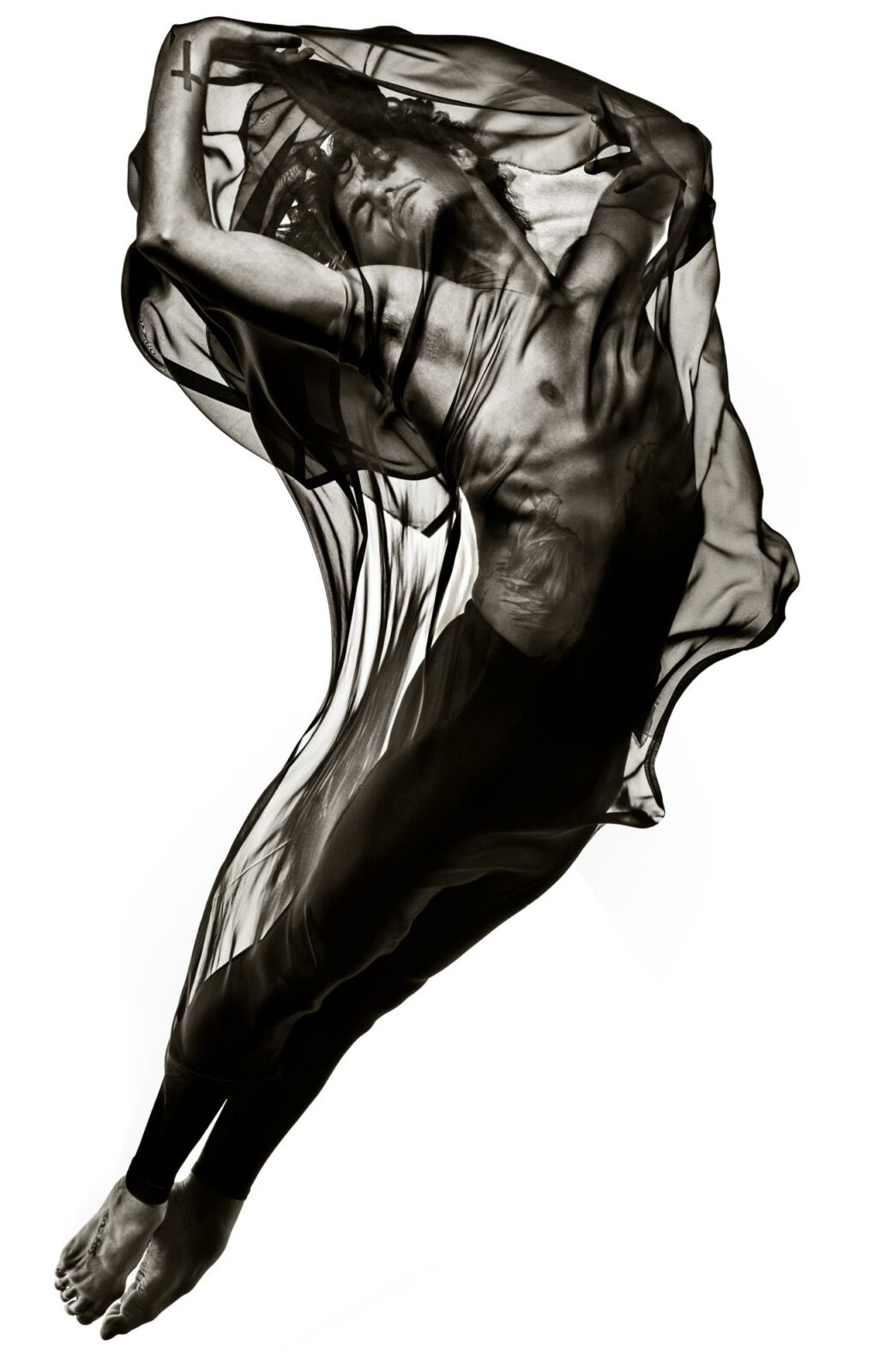
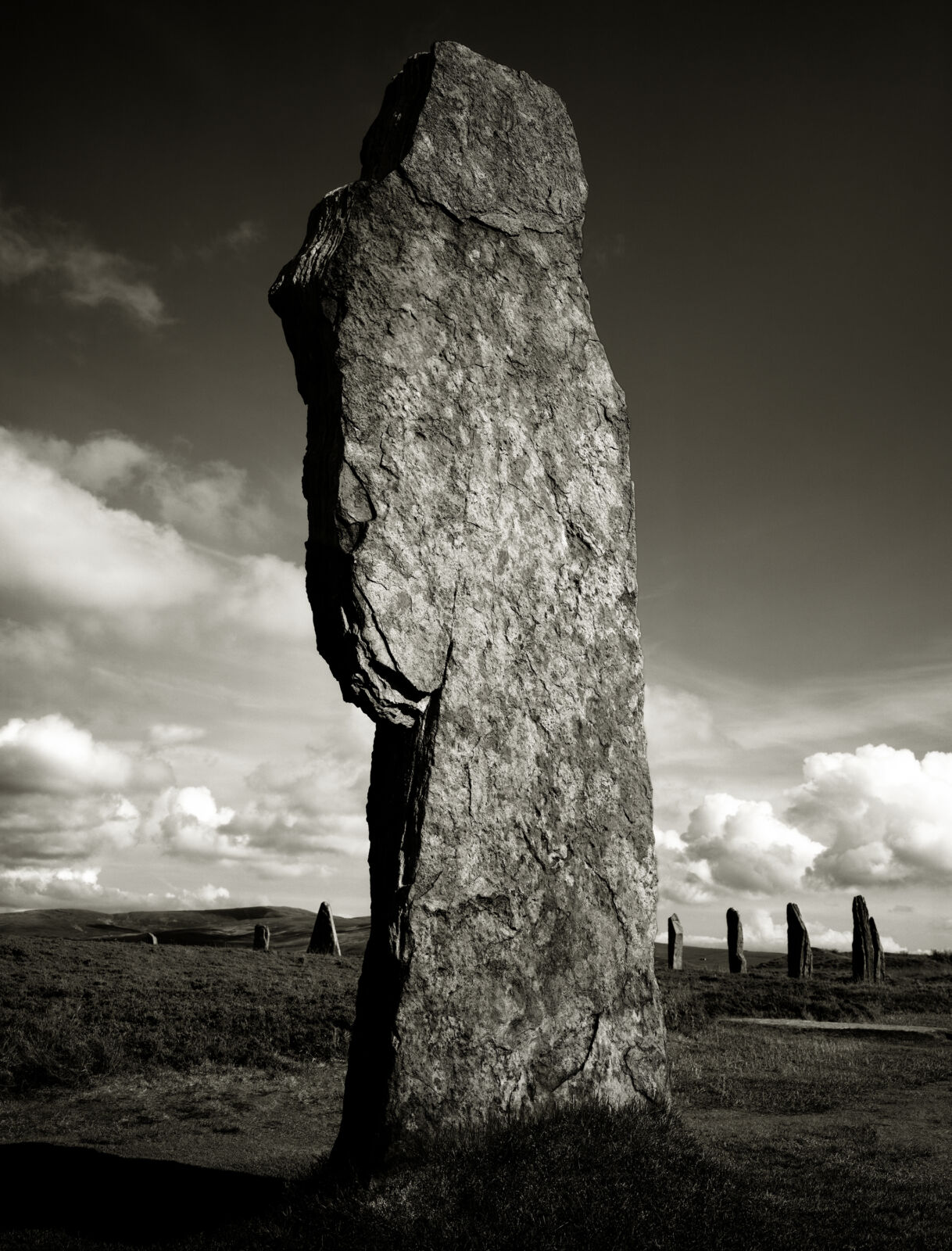
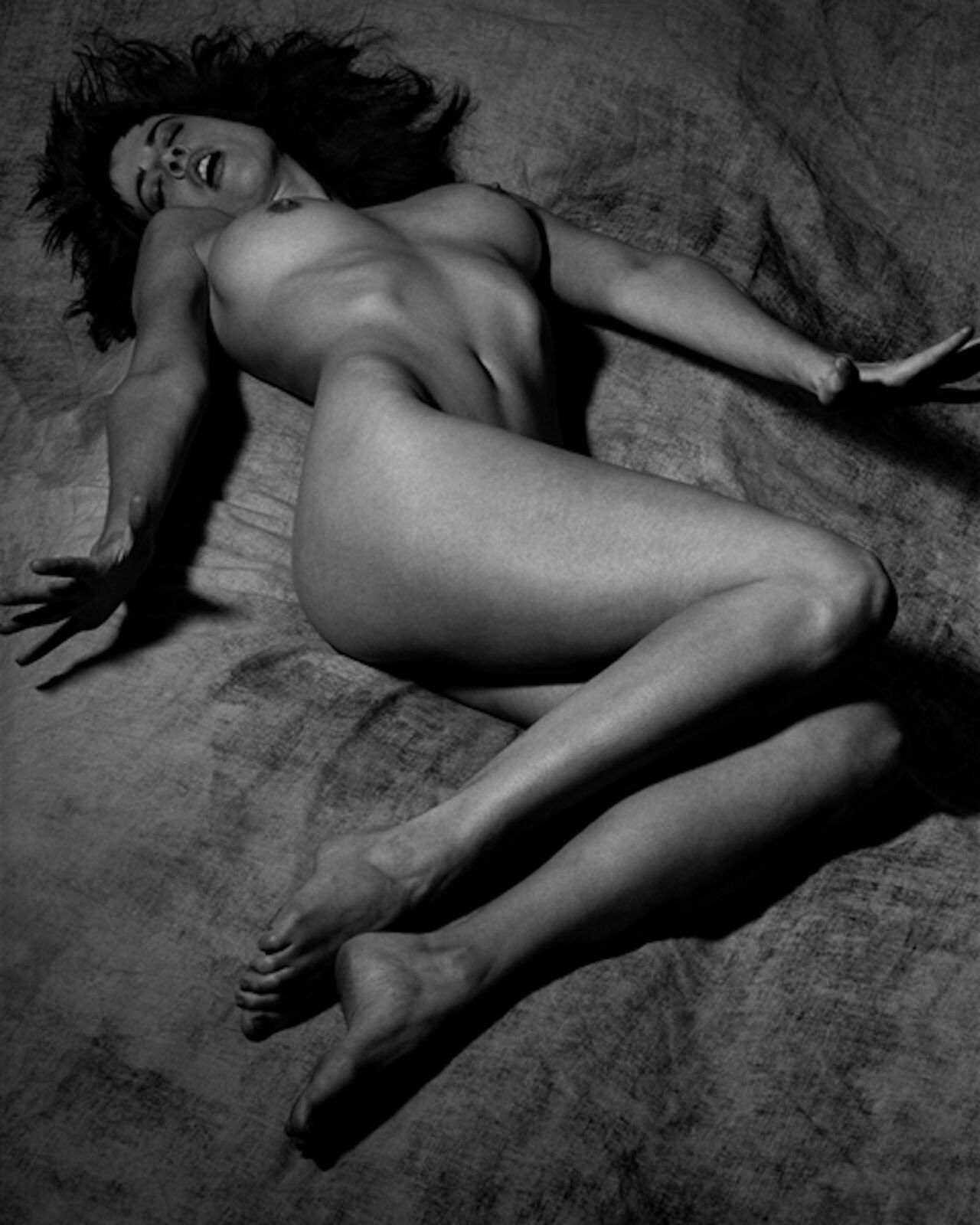
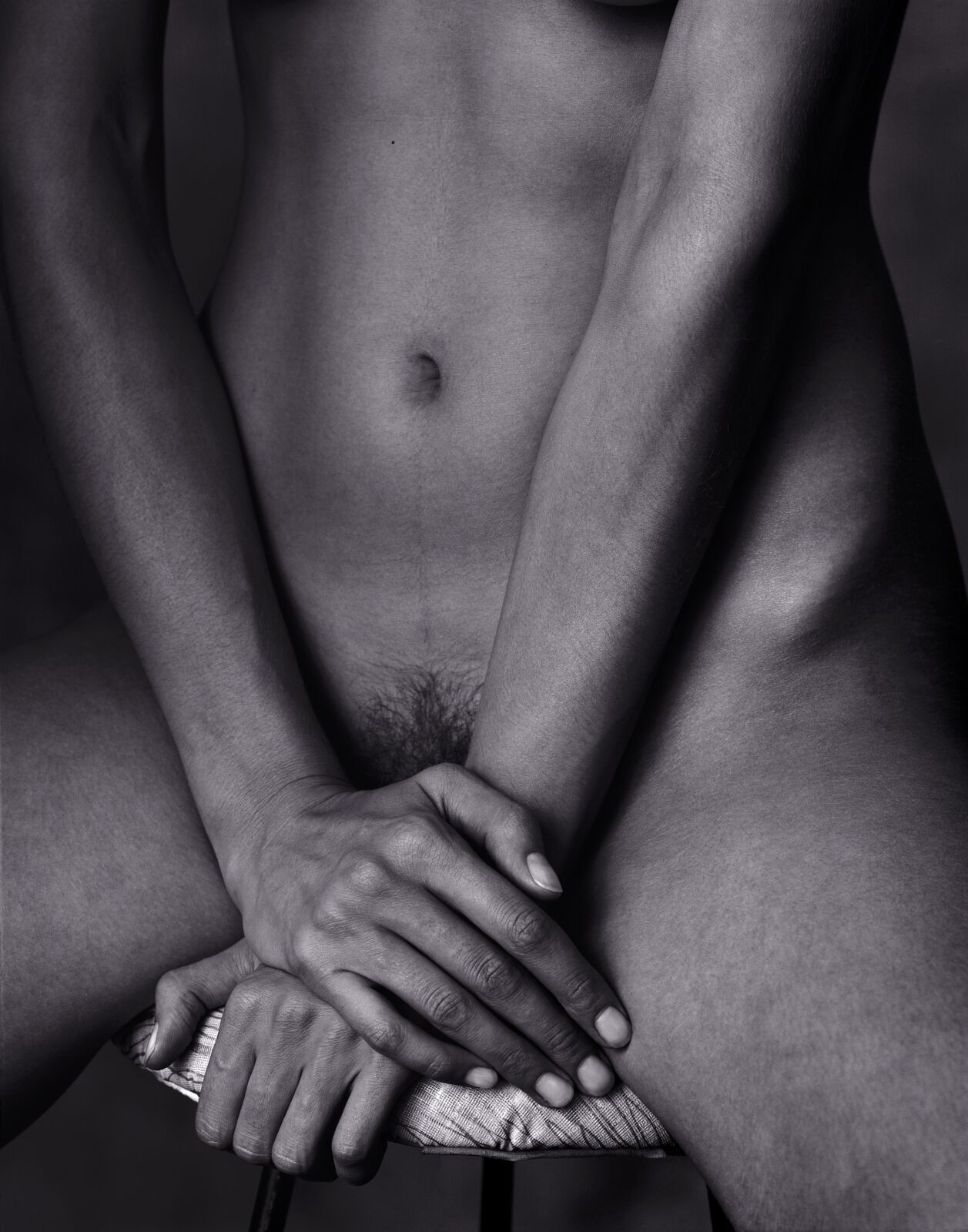
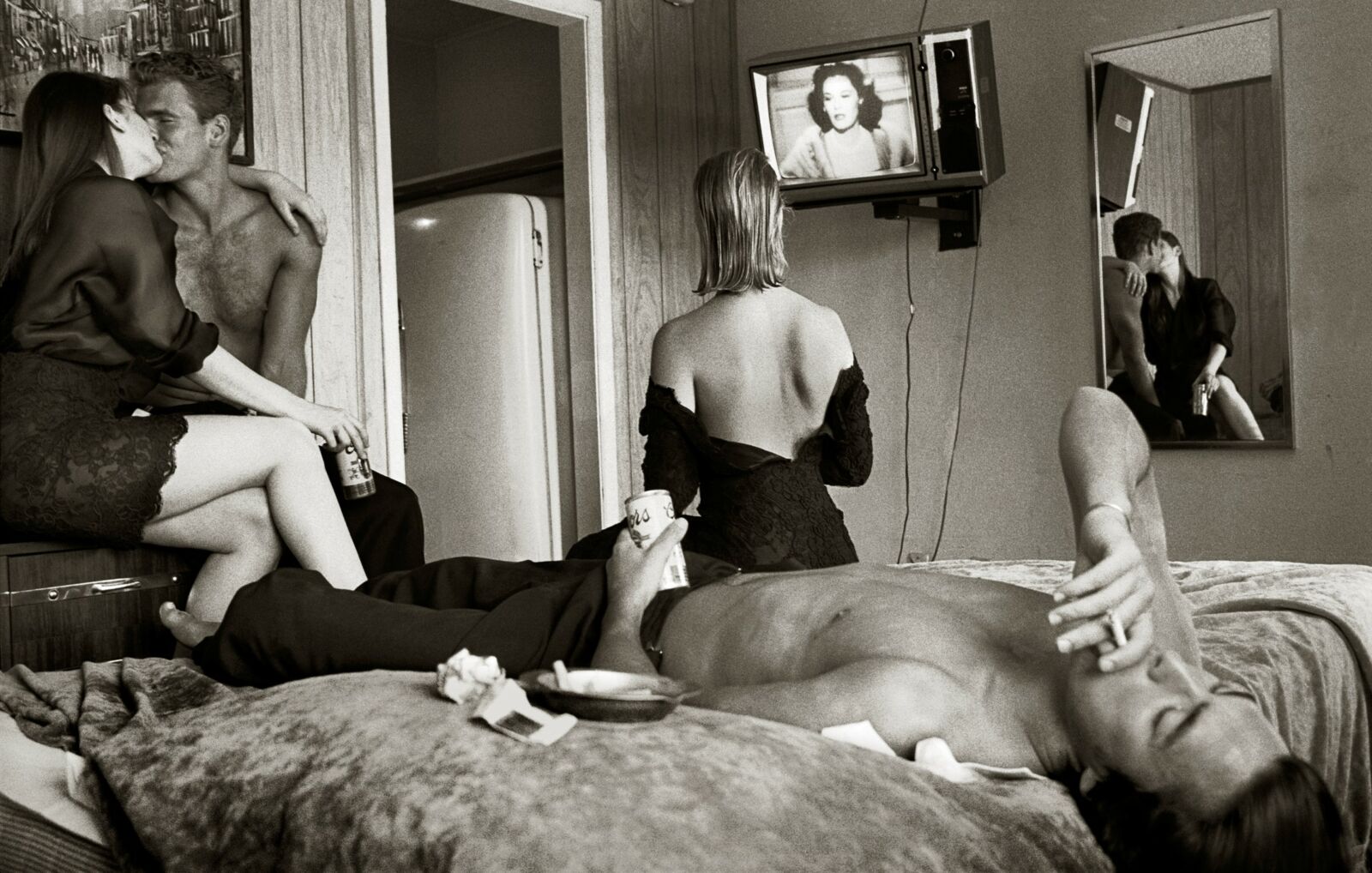
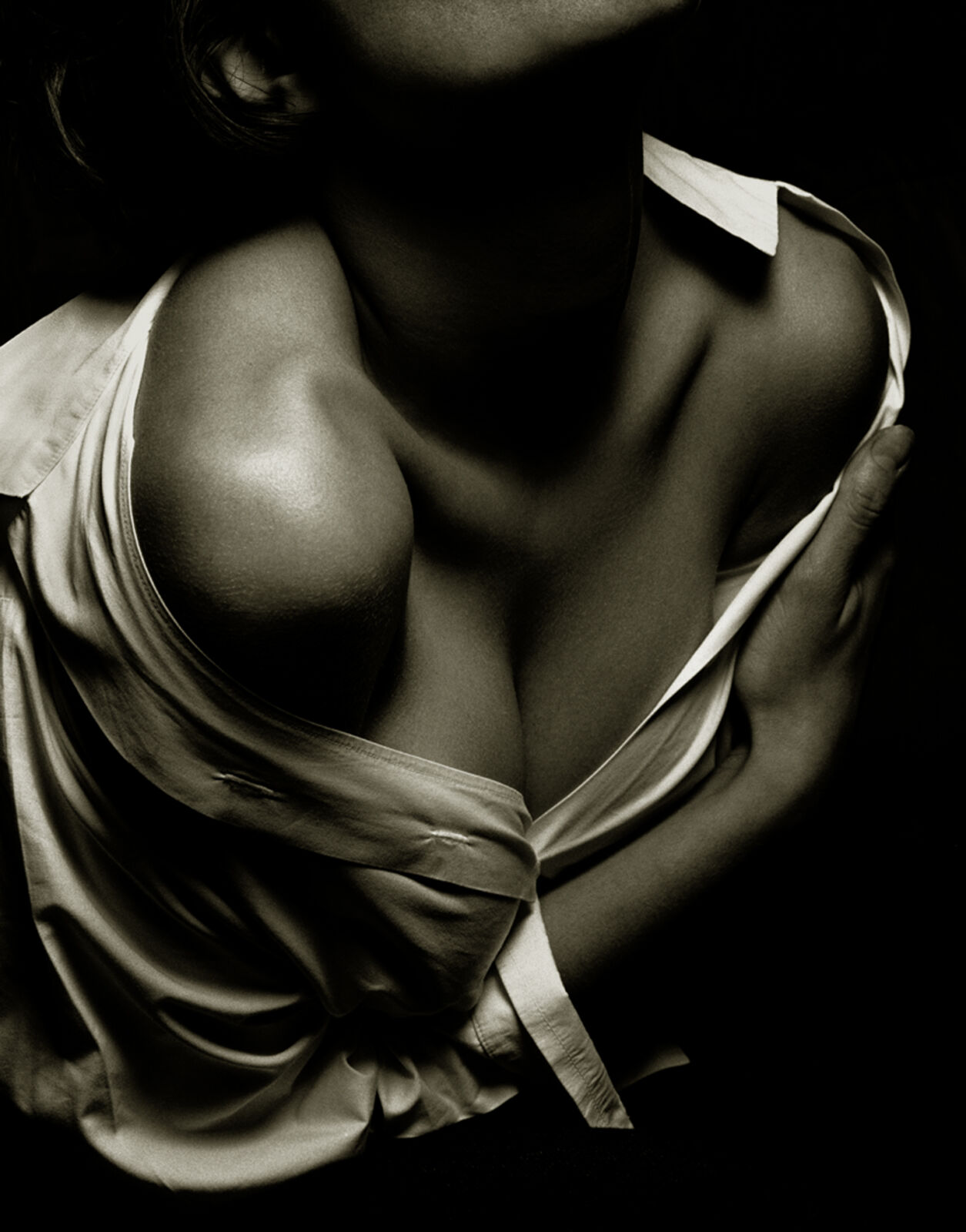
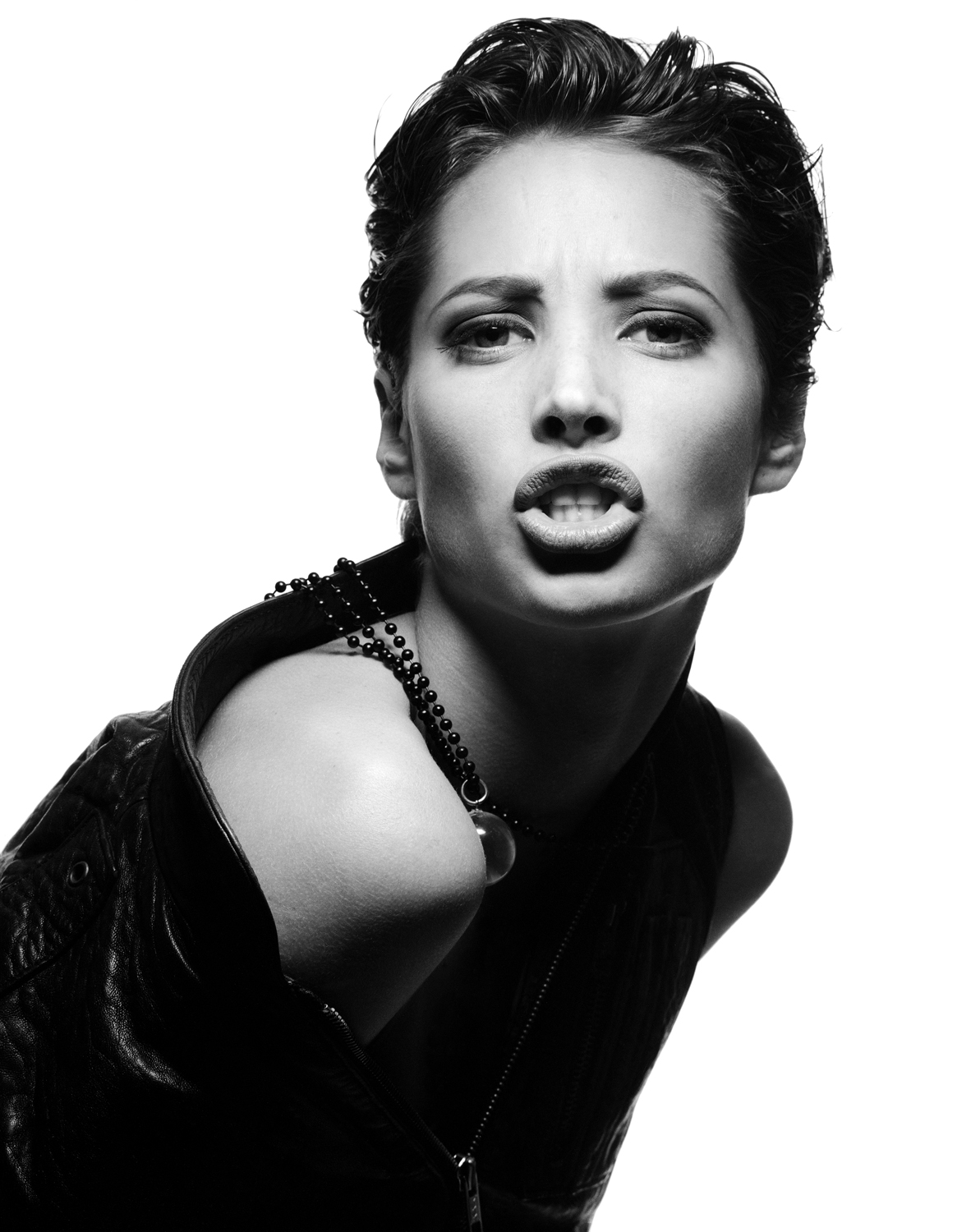
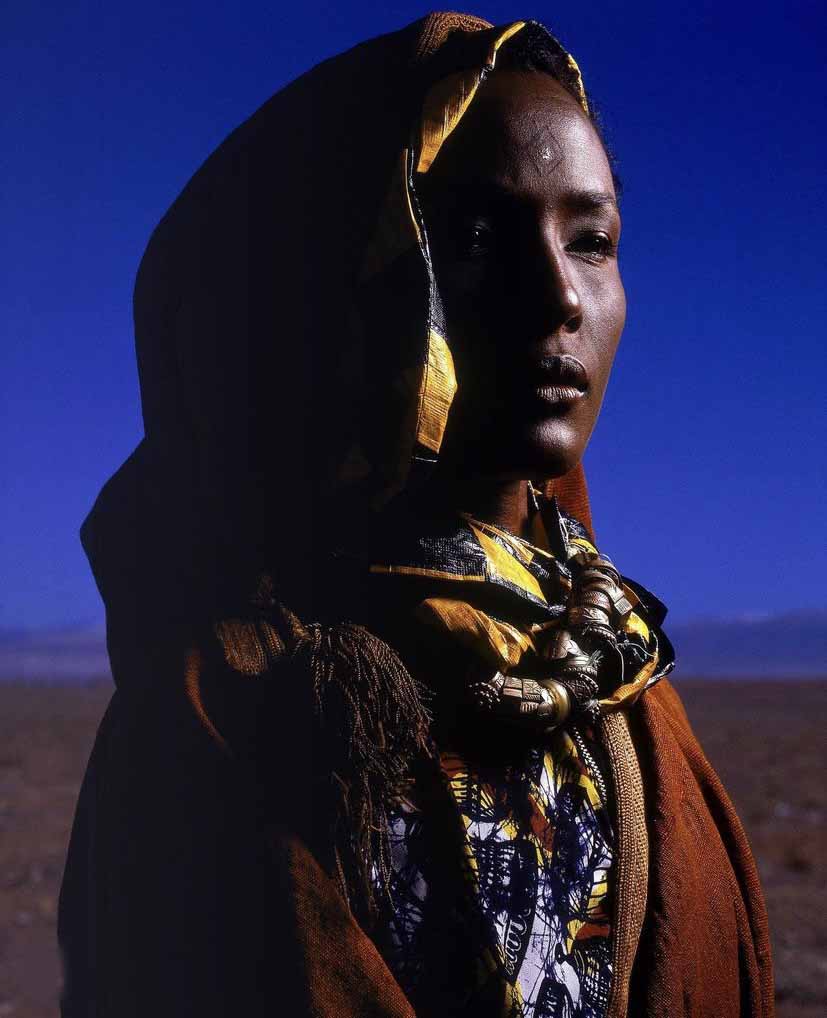
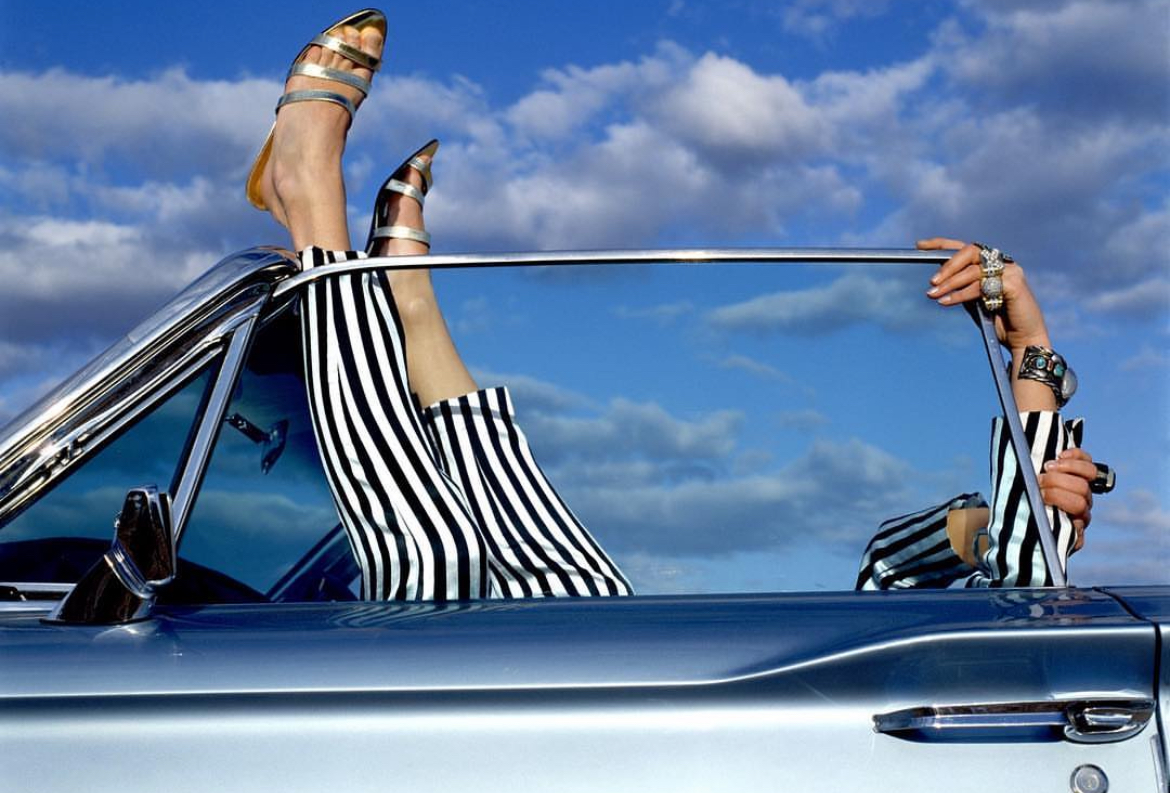
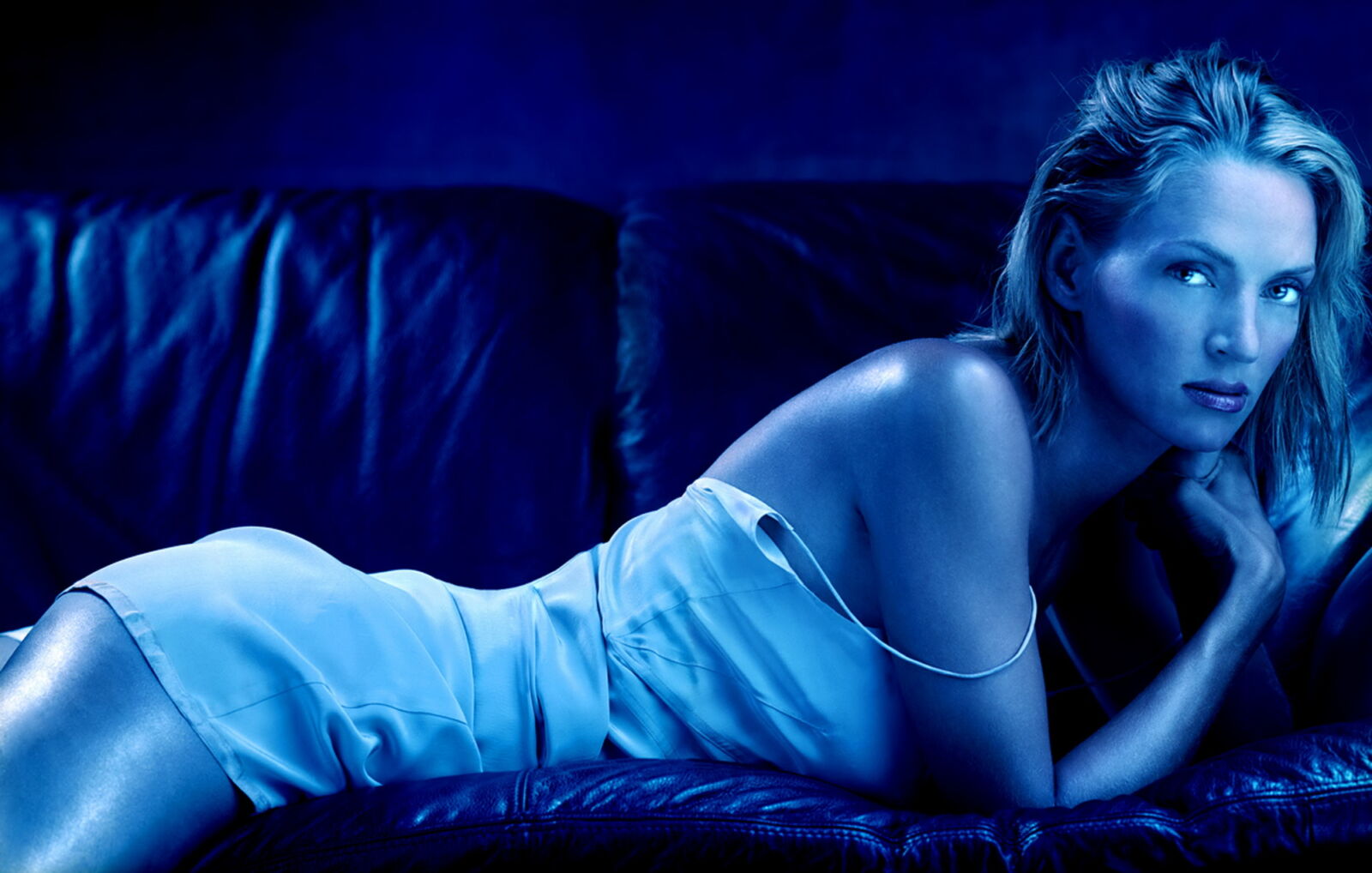
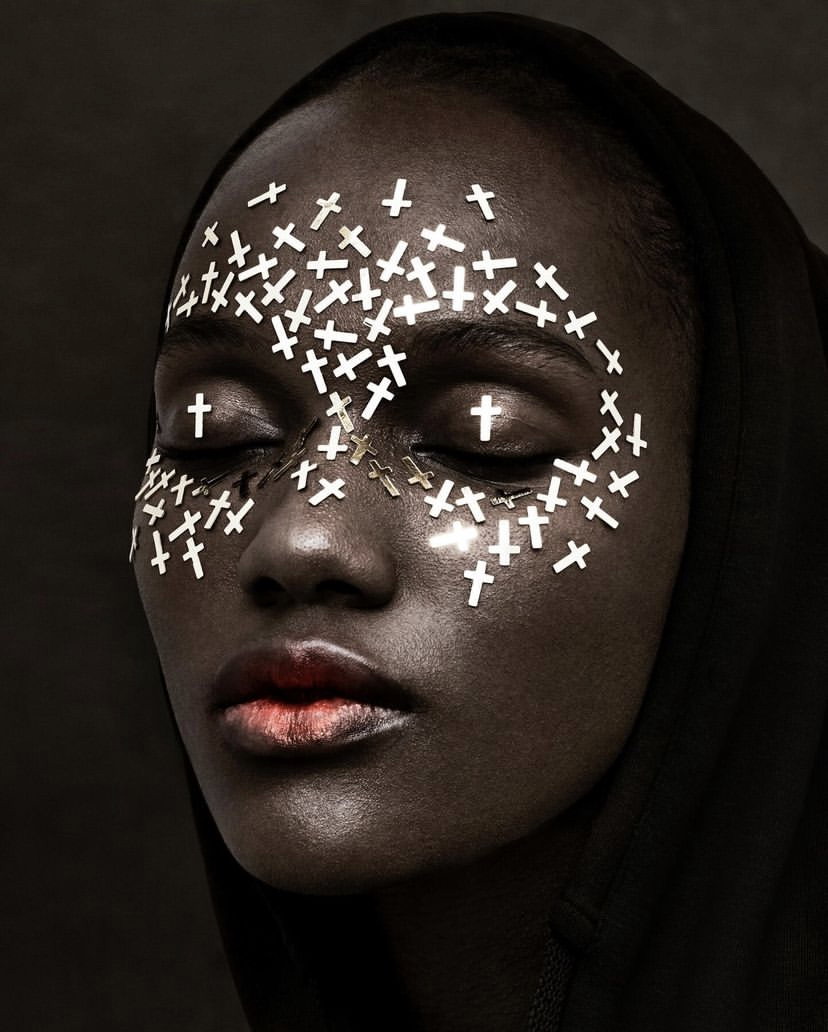
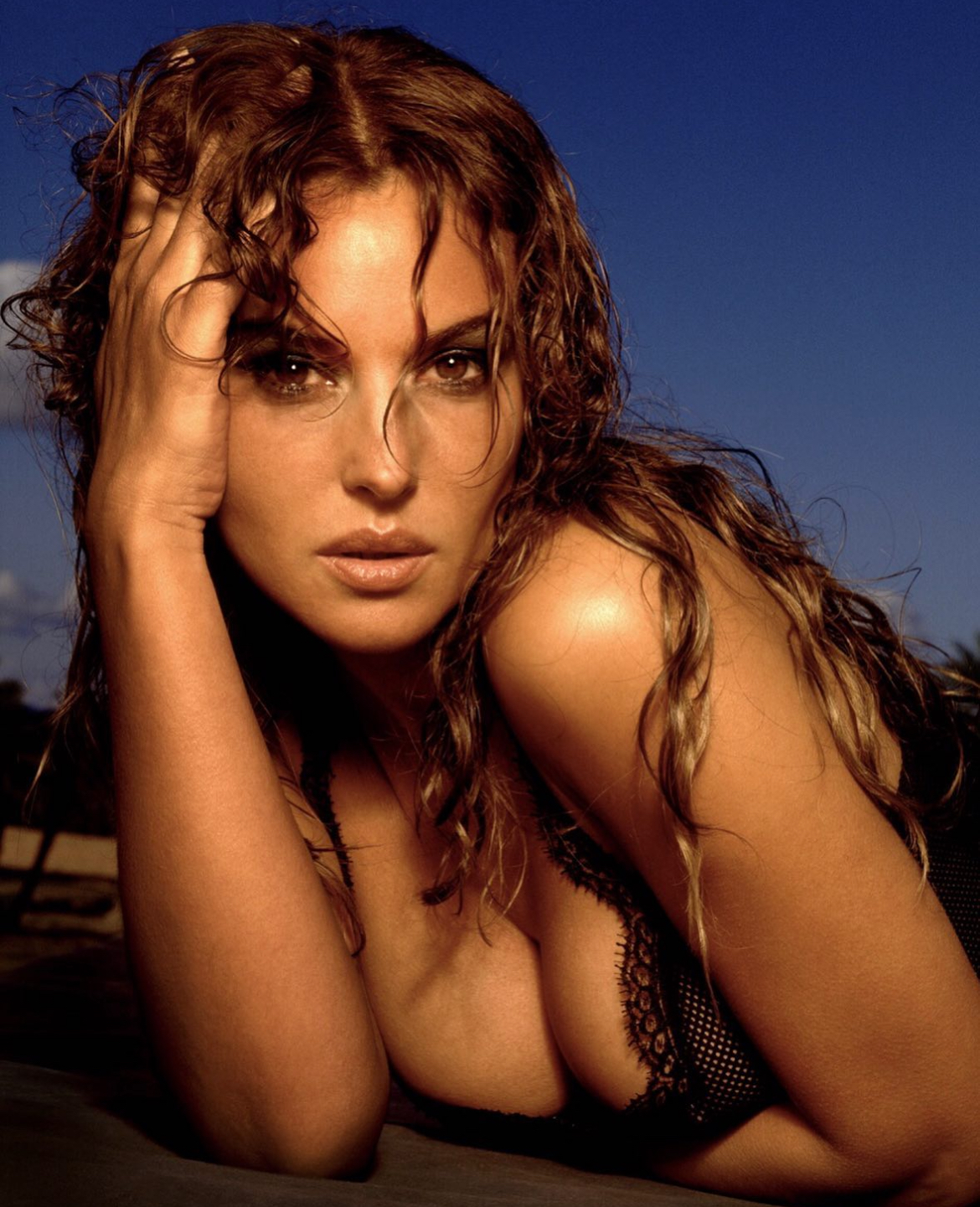
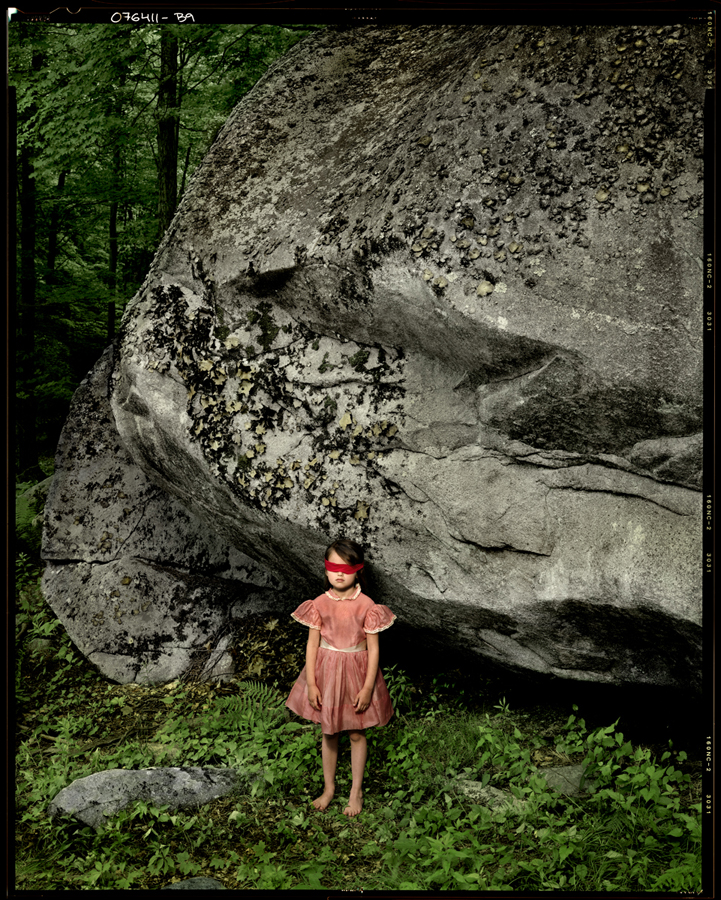
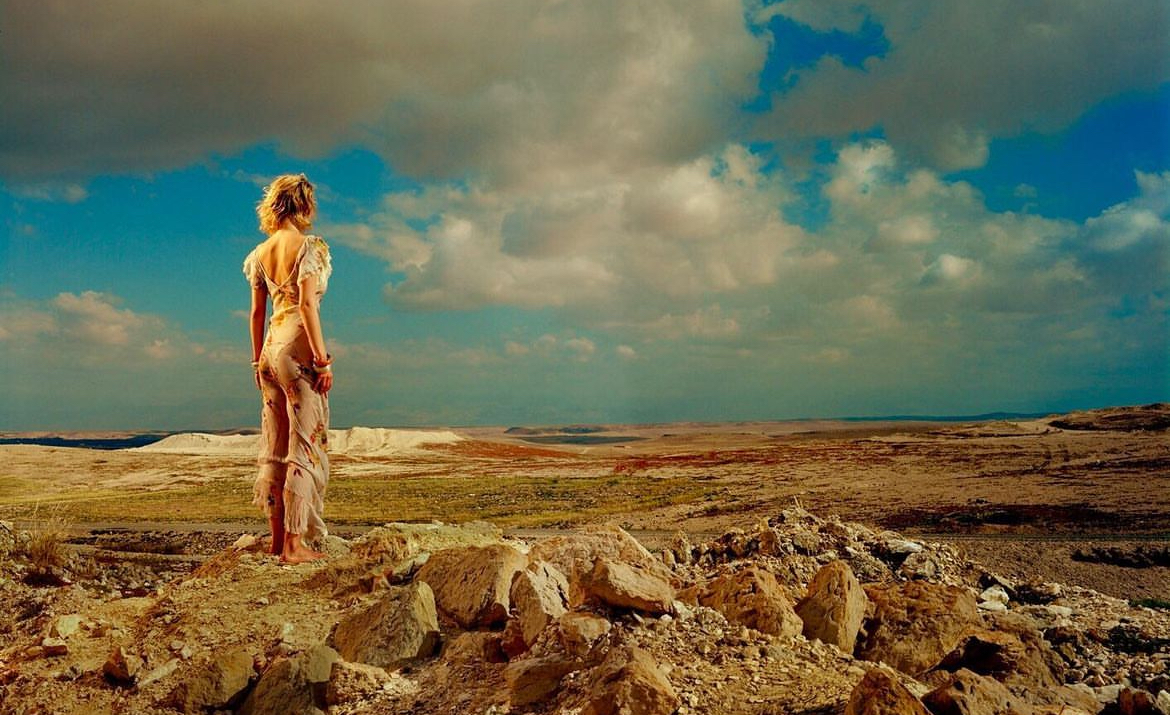
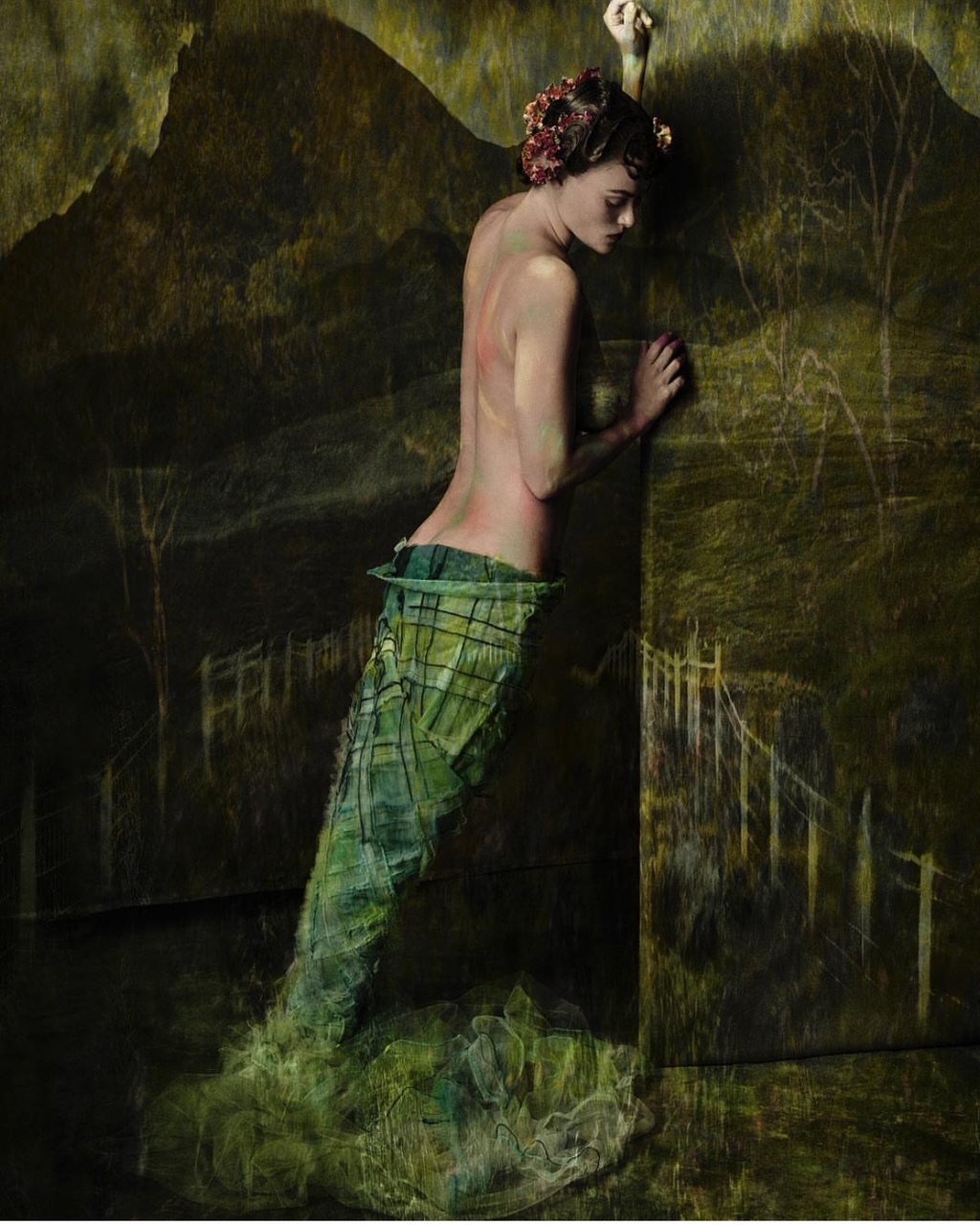
Albert Watson was born in 1942 and raised in Edinburgh. He studied graphic design in Dundee before taking film and television courses at the Royal College of Art in London. Blind in one eye since birth, he nevertheless chose to devote himself to photography. In 1970, he moved to the United States, where his distinctive style quickly emerged and attracted the attention of fashion magazines such as GQ and Harper’s Bazaar. He settled in New York in 1976 after securing his first contract with Vogue. He would go on to create numerous celebrity portraits and more than a hundred advertising campaigns for major brands. Alongside this extensive commercial work, he also dedicated himself to more personal projects inspired by his many travels, from Marrakech to Las Vegas, from Scotland to Benin. These independent works, as well as his portraits, fashion photography, and advertising images, have been regularly exhibited in galleries and museums around the world.
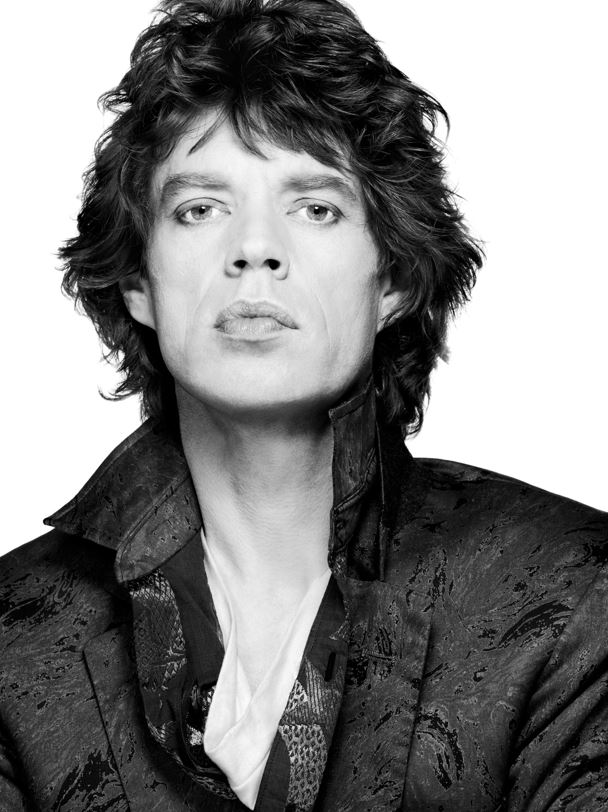
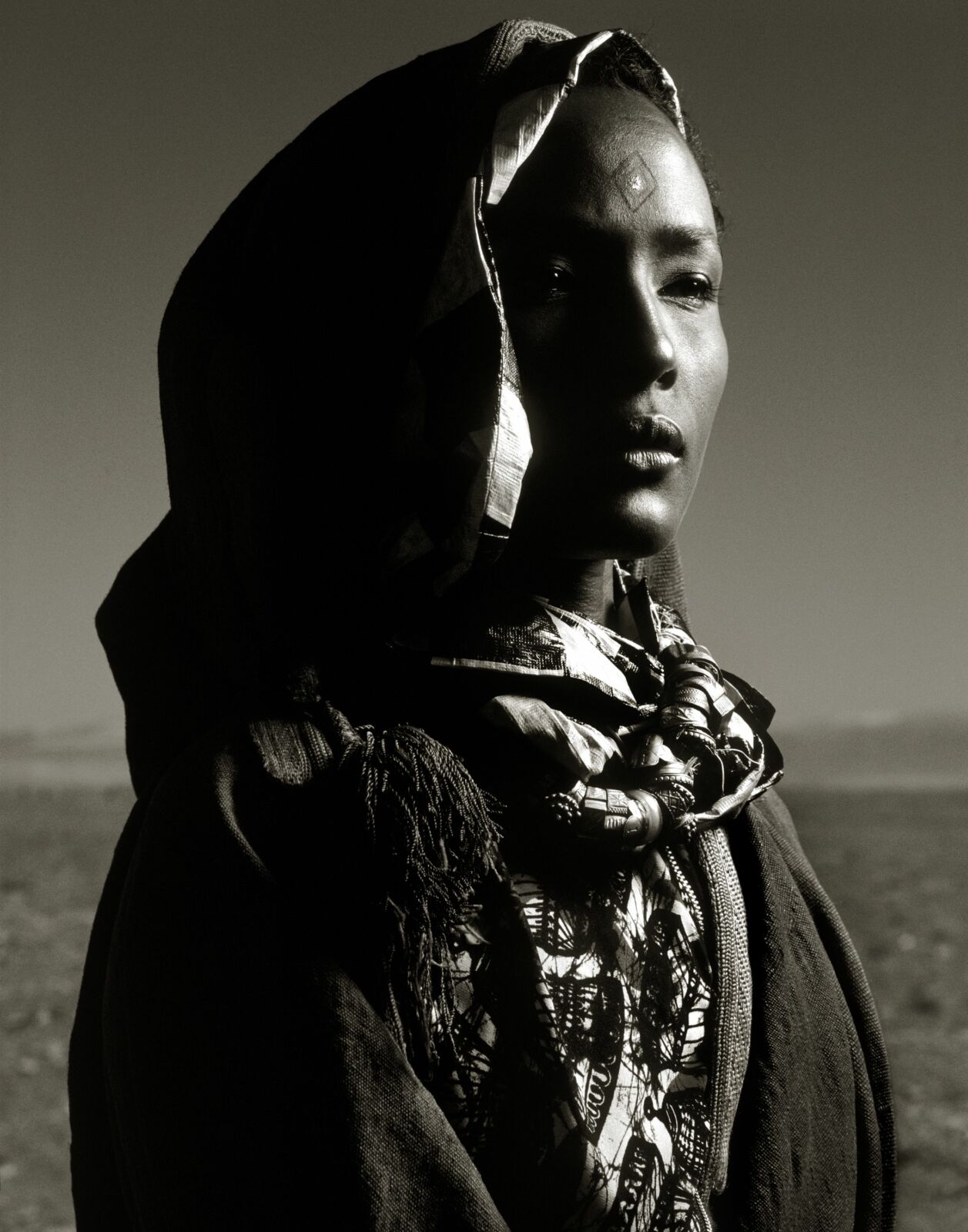
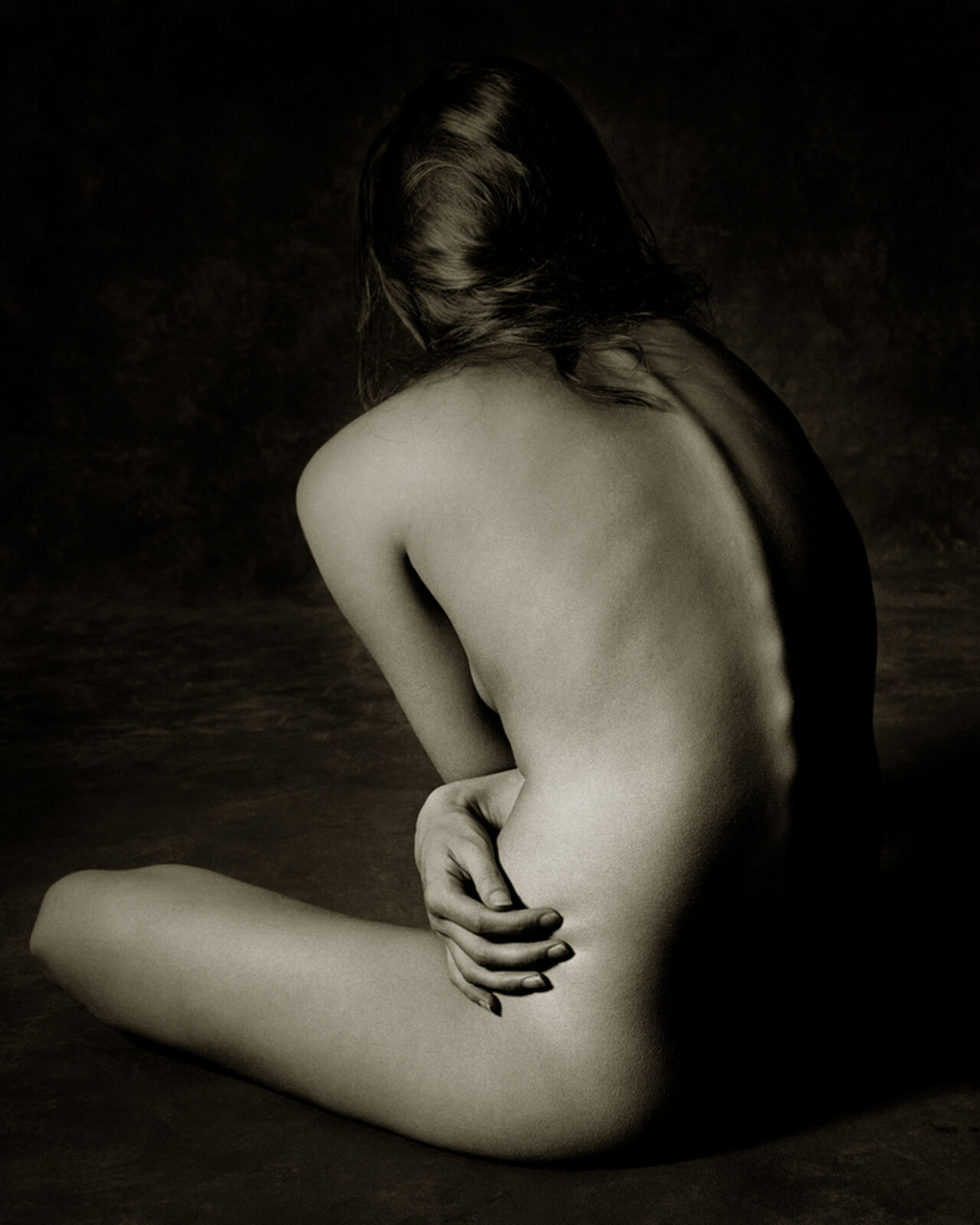
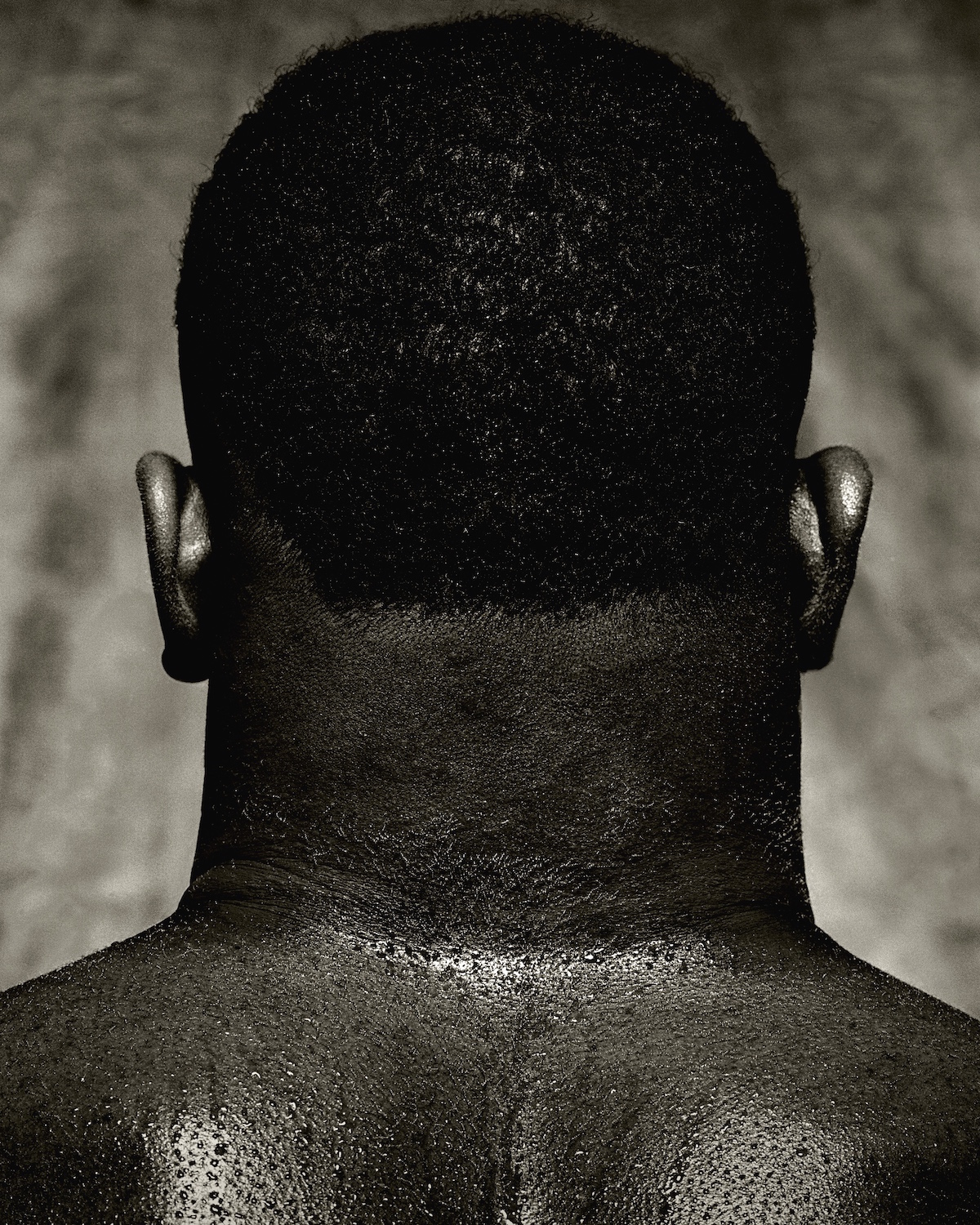
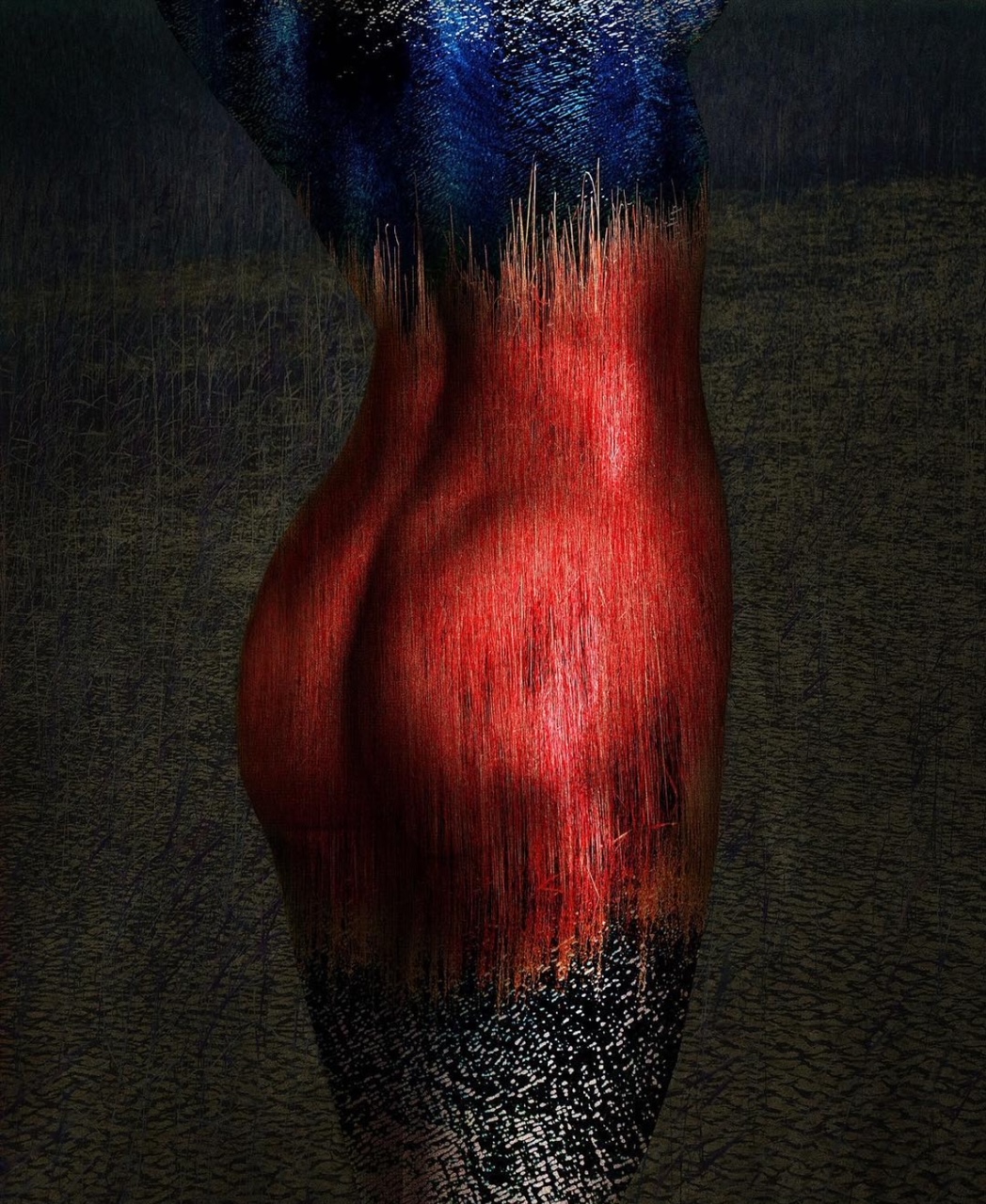
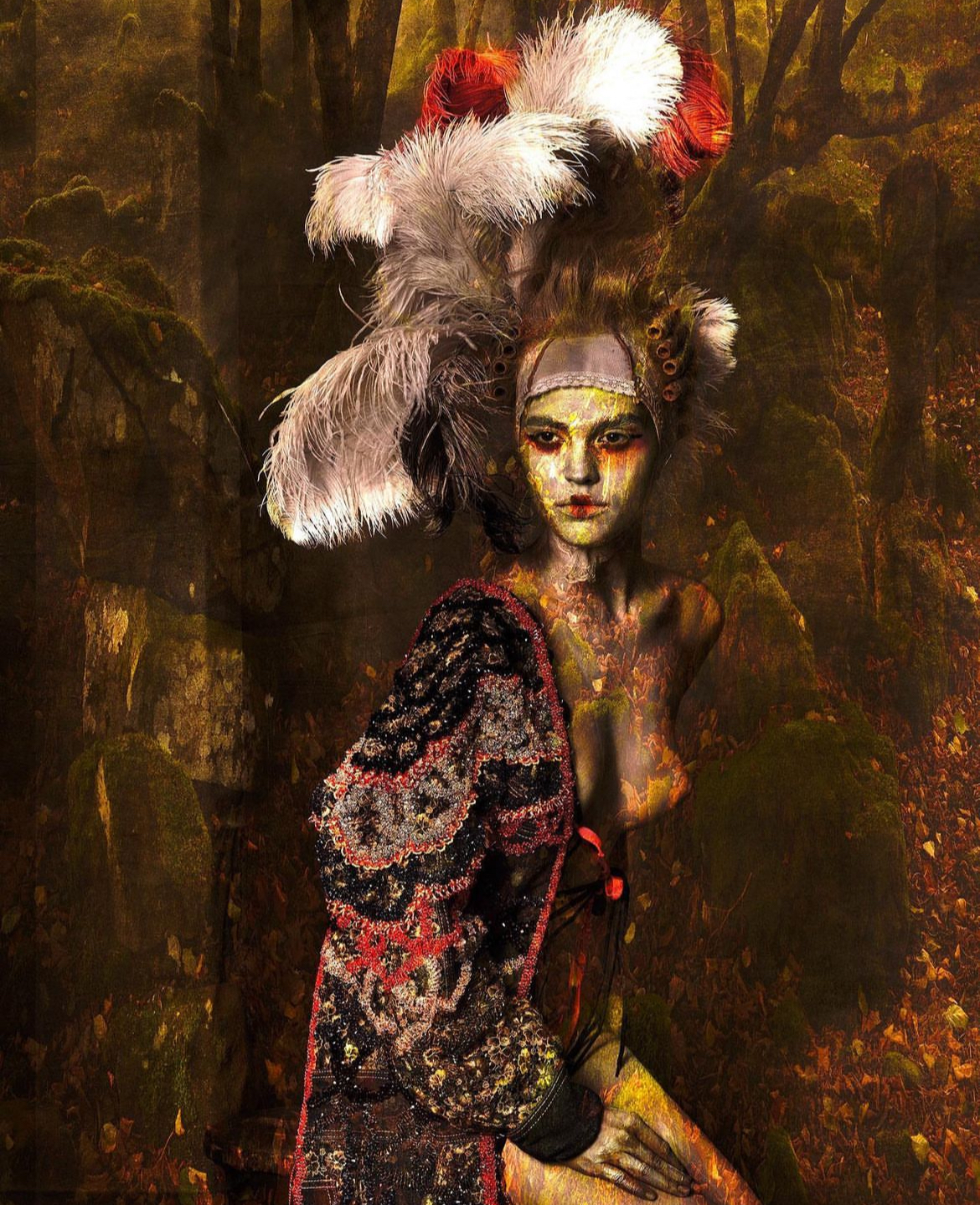
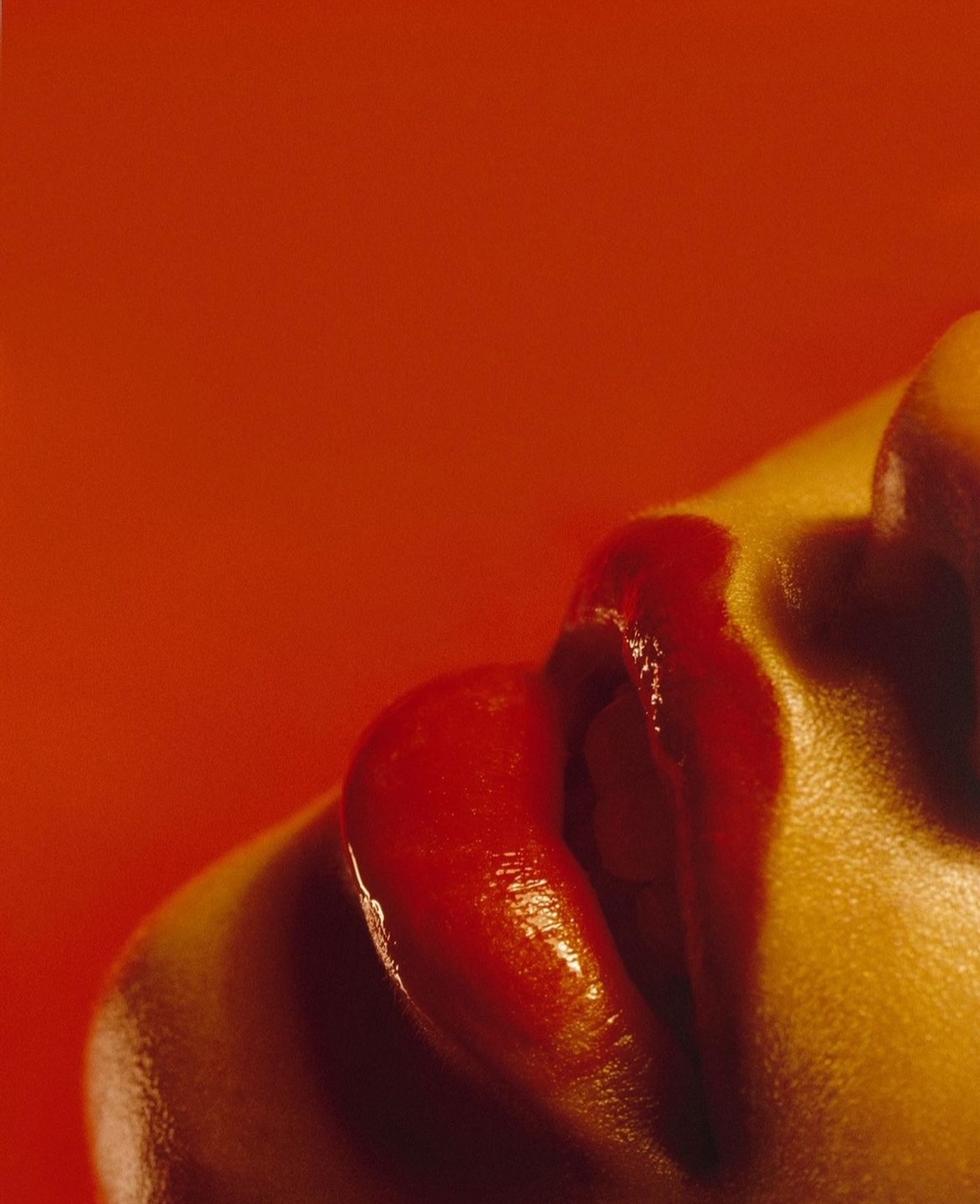
Albert Watson’s work finds its balance in a graphic, precise, and highly constructed aesthetic, where light, contrast, and the presence of the subject play a central role. It is distinguished by a mastery of light, an immediately recognizable visual signature, and an elegant tension between fashion, portraiture, and photographic art. His images are best approached with attention to subtle details: a compositional element, a particular distance maintained with the subject, a treatment of light, or a texture often reveals their deeper meaning.


More artworks on request.
Albert Watson is a major photographer born in Edinburgh, renowned for his portraits, fashion imagery, and still-life photography. Understanding his background provides an accurate way of approaching his work by connecting his personal story, influences, and perspective on the world. This first reading offers viewers a simple point of reference without reducing the artist to an overly narrow definition.
Albert Watson’s vision is defined by a graphic, precise, and highly structured aesthetic in which light, contrast, and the presence of the subject play a central role. The singularity of his work lies less in a particular effect than in a sense of presence: the presence of the subject, light, silence, movement, or place. It is this coherence that gives his works their understated strength.
To enter Albert Watson’s universe, one can explore his celebrity portraits, fashion photography, advertising imagery, and more personal compositions. These bodies of work reveal the recurring themes that run throughout his practice and the way he constructs atmosphere. They encourage viewers to look beyond the subject itself toward composition, visual texture, and the rhythm of each image.
Albert Watson’s place in contemporary photography can be understood through his mastery of light, an immediately recognizable visual identity, and an elegant tension between fashion, portraiture, and photographic art. His work engages with visual traditions while asserting a highly personal language. Its value lies in the consistency of his vision, the quality of presence, and the precision of form.
An Albert Watson work is first discovered through close attention to detail: light, compositional balance, distance from the subject, and the feeling it leaves behind. This slower approach is particularly suited to a body of work where emotion often emerges through restraint.
Particular attention in Albert Watson’s work should be given to his mastery of light, an immediately recognizable visual identity, and an elegant tension between fashion, portraiture, and photographic art. This dimension can be seen in his celebrity portraits, fashion photography, advertising imagery, and more personal compositions, where the subject is never merely shown but placed in relationship with light, composition, and atmosphere. It gives his work a depth that goes beyond the first impression.